
West Papua is the western half of the island of New Guinea and part of Indonesia. Since 2022, Indonesia has governed it as six provinces. The region stands out for its Melanesian peoples, hundreds of local languages, rich natural resources and large development programmes, as well as a long-running independence dispute.
👉 ALSO READ: The Grasberg Mine: What Does It Mean for Papua?
West Papua at a glance
In short, these are the key facts about the region.
| Topic | Key fact | Learn more |
|---|---|---|
| Location | Western half of New Guinea; Papua New Guinea lies to the east | Location guide |
| Status | Part of Indonesia; six provinces since 2022 | New provinces |
| People | Indigenous Melanesian Papuans and migrants from other parts of Indonesia | People and languages |
| Languages | 428 local languages, plus Indonesian and Papuan Malay | People and languages |
| Special autonomy fund | Rp190.9 trillion since 2002; Rp12.69 trillion in 2026 | Special autonomy |
| Human Development Index, 2025 | 54.91 to 74.69 by province, against 75.90 nationally | Special autonomy |
| Poverty, March 2026 | 16.49% to 30.41% by province, against 8.07% nationally | Special autonomy |
| Biggest mine | Grasberg, majority owned by Indonesia since 2018 | Grasberg mine |
Sources: BPS (Statistics Indonesia), the Ministry of Finance, Antara and Reuters, as cited in each linked article.
Most people in the region are Christian: about 80% across the six provinces, according to religious affairs ministry data. Read Religion in West Papua: Are Christians Free to Worship?
Where is West Papua, and who lives there?
West Papua covers the Indonesian side of New Guinea. By contrast, the eastern half of the island is Papua New Guinea, an independent country. In addition, the name “West Papua” is also the English name of one of the six provinces. You can also read more about how the region differs from Papua New Guinea.
Moreover, the region is home to Indigenous Melanesian Papuans as well as migrants from other parts of Indonesia. Together, they speak an exceptional range of languages. Also see our guide to its people and languages.
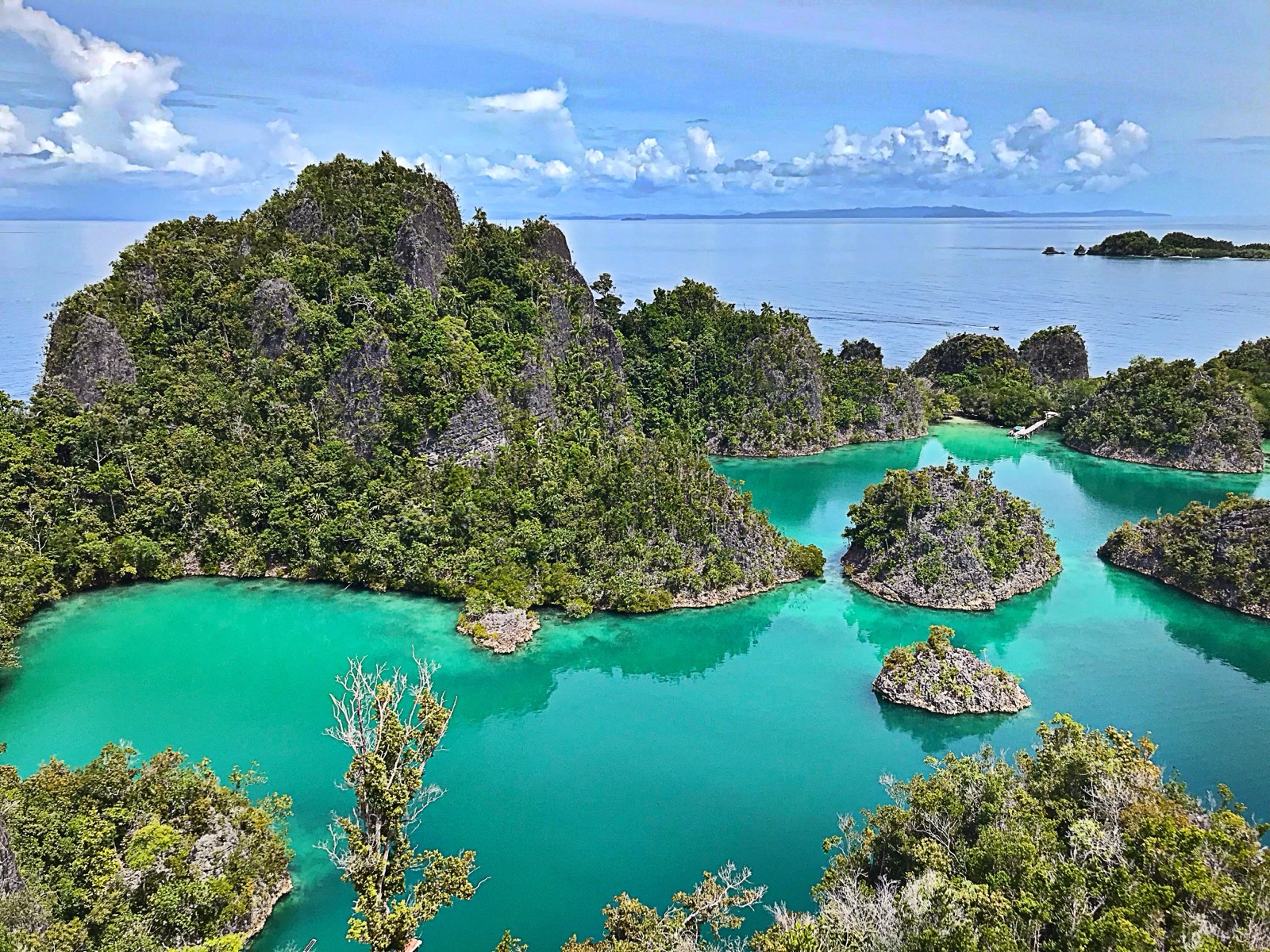
For instance, visitors come for the reefs of Raja Ampat, the Baliem Valley and Lorentz National Park. Meanwhile, sago and sweet potato remain the main staples. Likewise, read our travel guide and Papuan Food.
How did Papua become part of Indonesia?
In short, Papua became part of Indonesia in stages between 1962 and 1969. First, a UN-brokered agreement placed it under temporary UN administration and then under Indonesia. Later, a 1969 vote by about 1,000 selected representatives confirmed integration, although some people still dispute whether it was fair. Also read How Did Papua Become Part of Indonesia? and the development timeline.
Why is the region in the news?
Meanwhile, the region has a long-running, low-level armed conflict. On one side, some Papuans seek independence; on the other, Indonesia says Papua’s status is final. The following guides therefore explain the main issues:
- Why Do Some Papuans Seek Independence?
- What Are the OPM and the TPNPB?
- What is the current situation in the region?
- Human rights: what the evidence says
- Pacific countries: who stands where
- Foreign journalists and tourists: who can visit
- The New Zealand Pilot Hostage Case Explained
- Opinion: Attacks on Civilians in Papua Are Not a Liberation Struggle
What is Indonesia doing to develop West Papua?
Above all, the government has put large sums into the region through special autonomy, new provinces and infrastructure. However, all six provinces still trail the national average on poverty and human development. Accordingly, these guides look at what has been built and what remains:
- Papua Special Autonomy (Otsus): What Is It and What Has It Funded?
- Why Did Indonesia Create New Provinces in Papua?
- The Grasberg Mine: What Does It Mean for Papua?
- Sorong’s Fish Markets and the Marine Economy of Southwest Papua
- Trans-Papua Travel Time: How the Road Cut Journeys From Days to Hours
- Papua Price Disparity: How One-Price Fuel Changed the Highlands
- Papua Rural Healthcare: Why Distance Still Decides Who Gets Treated
- Papua Food Security: Why the Highlands Rank Lowest in Indonesia
- Merauke Food Estate: The 135-km Road Being Built Through the Swamps
Frequently asked questions
Is West Papua part of Indonesia? Yes. Indonesia has governed it since 1963, and later a 1969 vote confirmed integration. However, independence groups still reject that vote.
Is West Papua the same as Papua New Guinea? No. West Papua is the Indonesian western half of New Guinea, whereas Papua New Guinea is a separate country in the east.
How many provinces does West Papua have? Six: Papua, West Papua, Southwest Papua, Central Papua, Highland Papua and South Papua.
About these guides
Specifically, Papua Movement publishes these explainers in English for international readers. In addition, every guide links to its sources, and we update them when new data appears. Our Editorial Policy sets out our standards.
Featured image: Piaynemo, Raja Ampat, Southwest Papua (2019). Photo: Peter Harris, Wikimedia Commons, CC0.
