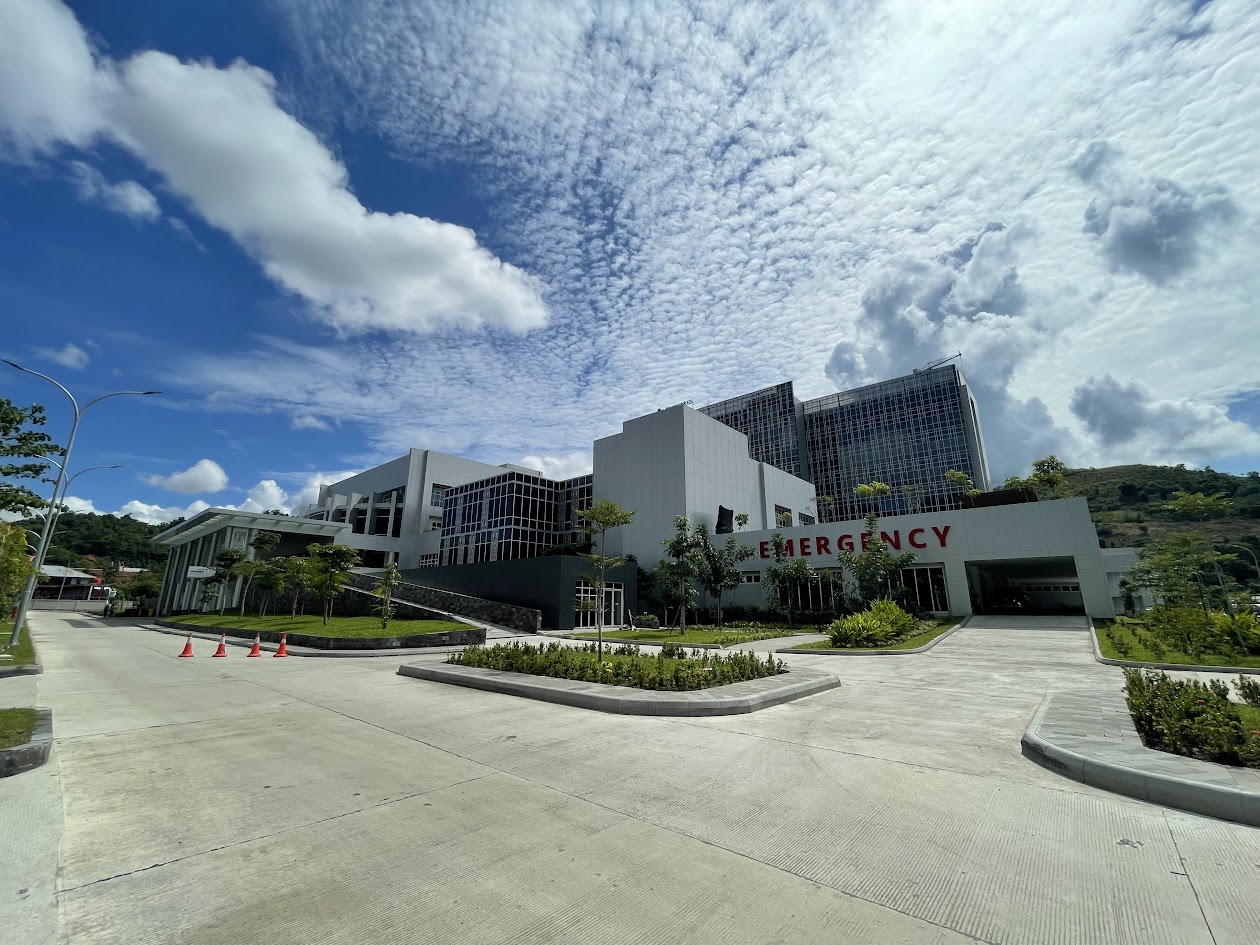
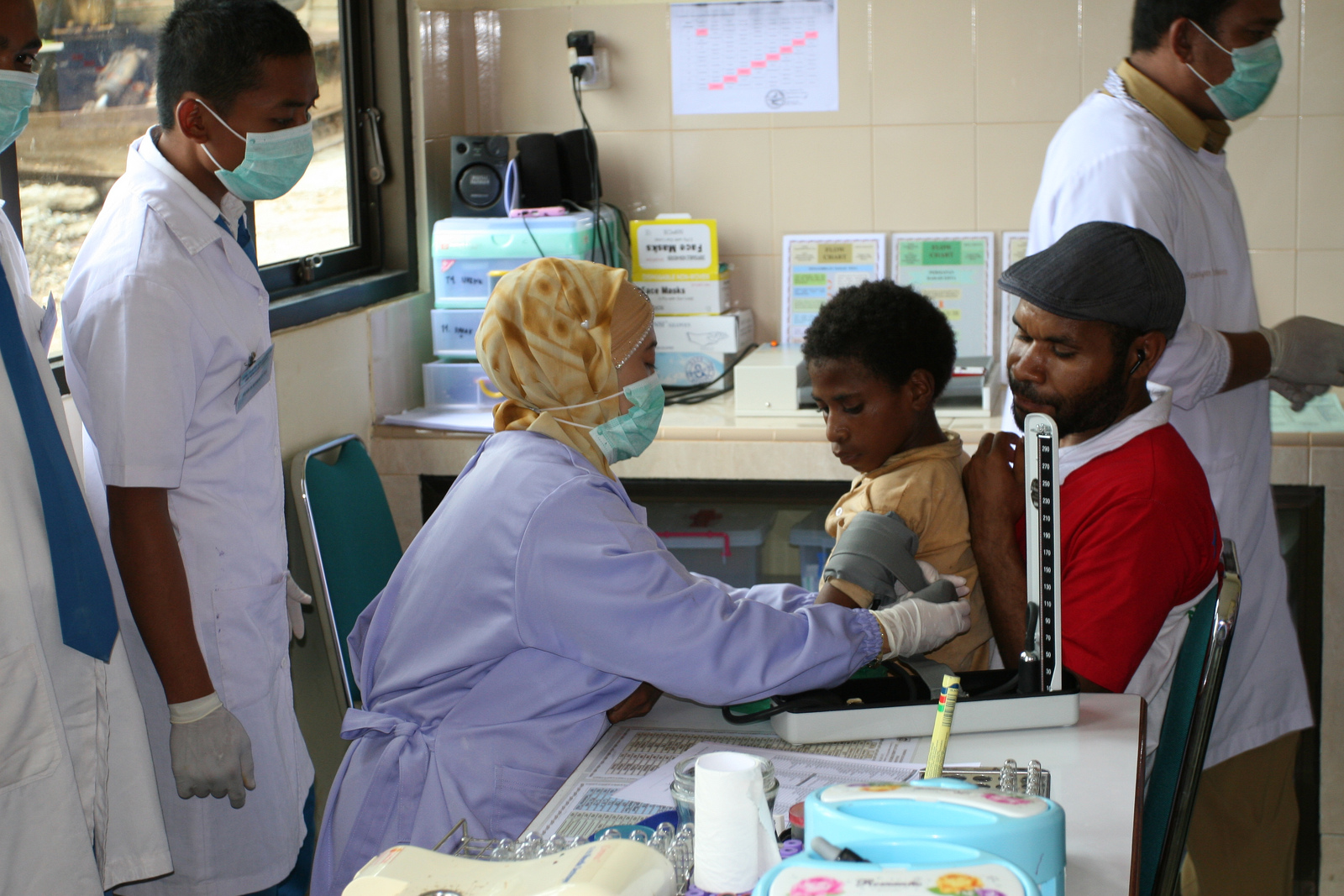
In much of rural Papua, the distance to a hospital decides how quickly a sick person gets care. Many villages have only a small health centre (puskesmas), and serious cases must travel hours by boat or rough road to a referral hospital. This article looks at what that journey involves, what a 2018 health emergency revealed, and what helps Papua rural healthcare reach people sooner.
How far are villages from a hospital?
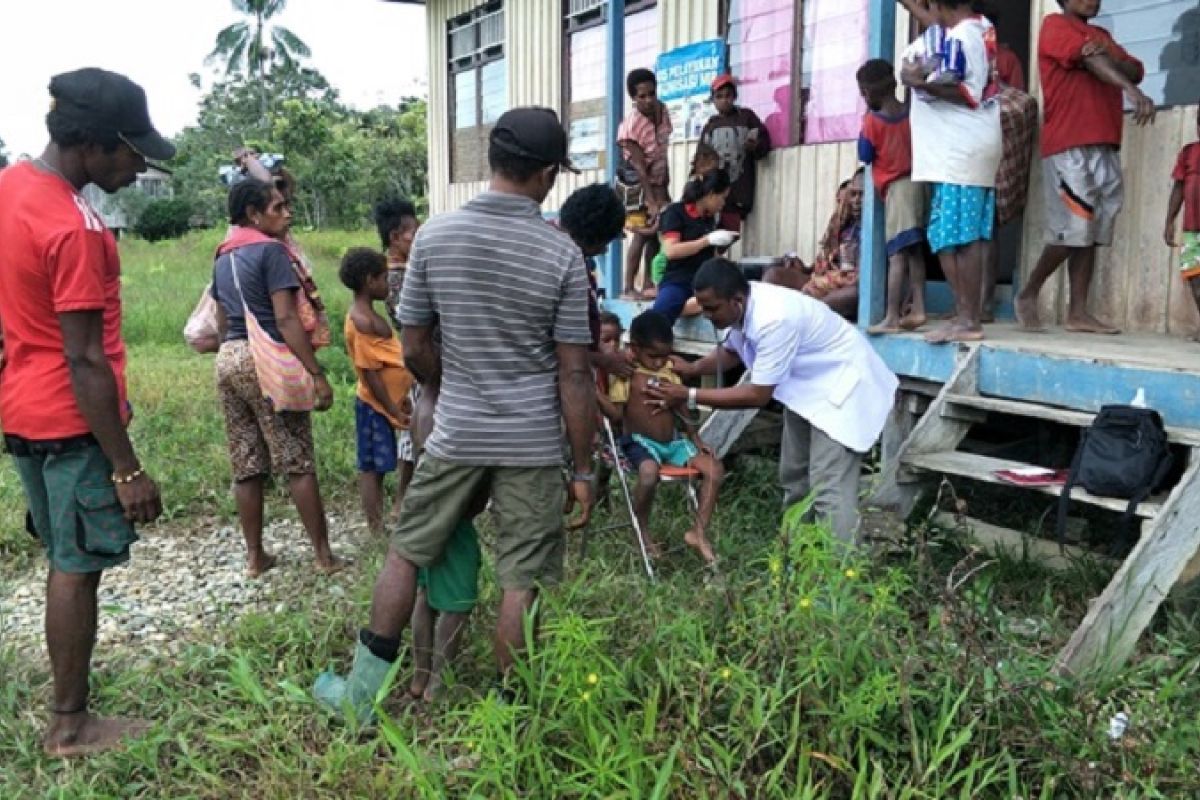
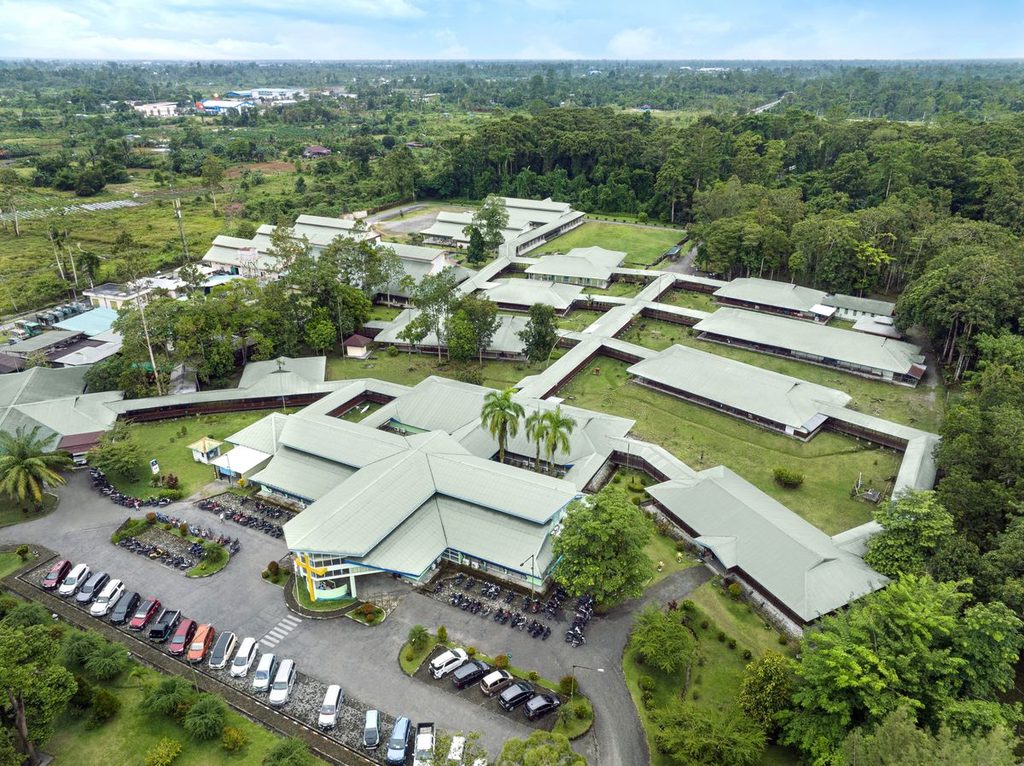
Asmat regency, on Papua’s south coast, shows the problem clearly. Its villages sit along rivers and swamps, so health workers travel by water. According to the Indonesian Hospital Association (PERSI), the trip from the Nakai health centre in Pulau Tiga district to the regional hospital in Agats takes about 2.5 hours by an 85-horsepower speedboat. The head of the Nakai centre, Frederikus Kaimeraimu, said the boat burns about 30 litres of petrol just to get there, so the hospital pays for fuel for the return.
When more patients need referral than the speedboat can carry, the team uses villagers’ own longboats and gives them fuel. The Nakai team regularly visits the villages of Eroko, Esmapan and Yakapis. For these places, a speedboat is the only vehicle that can reach them, and local boats range from 15 to 200 horsepower. Visits to outlying villages can take a whole day, because each lies in a different direction along the rivers. The same boat serves both routine check-ups in the villages and emergency trips to the hospital.
| Indicator | Figure | Source |
|---|---|---|
| Puskesmas Nakai to RSUD Agats (Asmat), by 85 HP speedboat | About 2.5 hours | PERSI, January 2018 |
| Fuel for the trip from Nakai to Agats | About 30 litres one way | PERSI, January 2018 |
| Children who died in the Asmat measles and malnutrition outbreak (to March 2018) | 72 (66 measles, 6 malnutrition) | BBC News Indonesia, March 2018 |
| Of those, children who died in hospital | 8; the rest died in their villages | BBC News Indonesia, March 2018 |
What did the 2018 Asmat outbreak show?
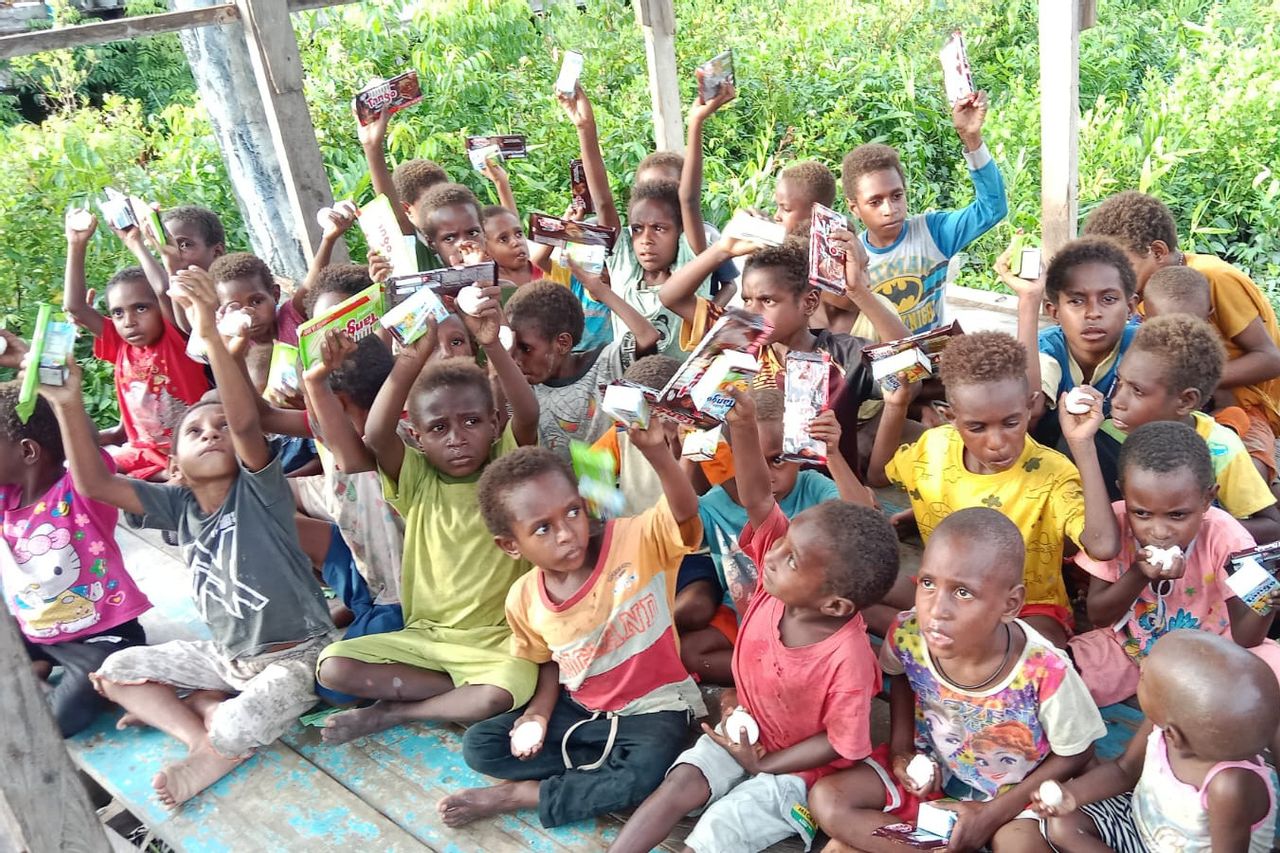
In late 2017 and early 2018, a measles and malnutrition outbreak struck Asmat. The government declared an extraordinary event (kejadian luar biasa) and lifted it on 5 February 2018. By March 2018, 72 children had died: 66 from measles and six from malnutrition, BBC News Indonesia reported, citing the Ministry of Health. Only eight of them died in hospital. The rest died in their villages.
That pattern matters. It suggests that many children never reached a hospital at all. BBC also reported that children kept dying of malnutrition after the emergency status ended.
ALSO READ: Bridging Papua’s Development Gap Through Integrated Agriculture
How do roads and boats change referrals?
Faster transport shortens the time between a diagnosis and treatment. Paved roads let ambulances reach district hospitals in hours rather than days. Along rivers and coasts, reliable boats and fuel budgets do the same. In addition, better links help health centres restock medicine and vaccines on time, which prevents outbreaks such as measles.
However, transport alone is not enough. A health centre also needs trained staff who stay, a cold chain for vaccines and enough fuel each month. For how roads have shortened journeys in the highlands, see Trans-Papua Travel Time.
What would improve Papua rural healthcare?
- Fuel and boat budgets. Regular funding so referrals do not depend on a health worker’s own money.
- Staff in villages. Nurses and midwives who live in or near the communities they serve.
- Vaccination outreach. Scheduled visits to every village, since most outbreak deaths happened at home.
- Nutrition support. Food and growth monitoring for young children, which the Asmat case showed were urgent.