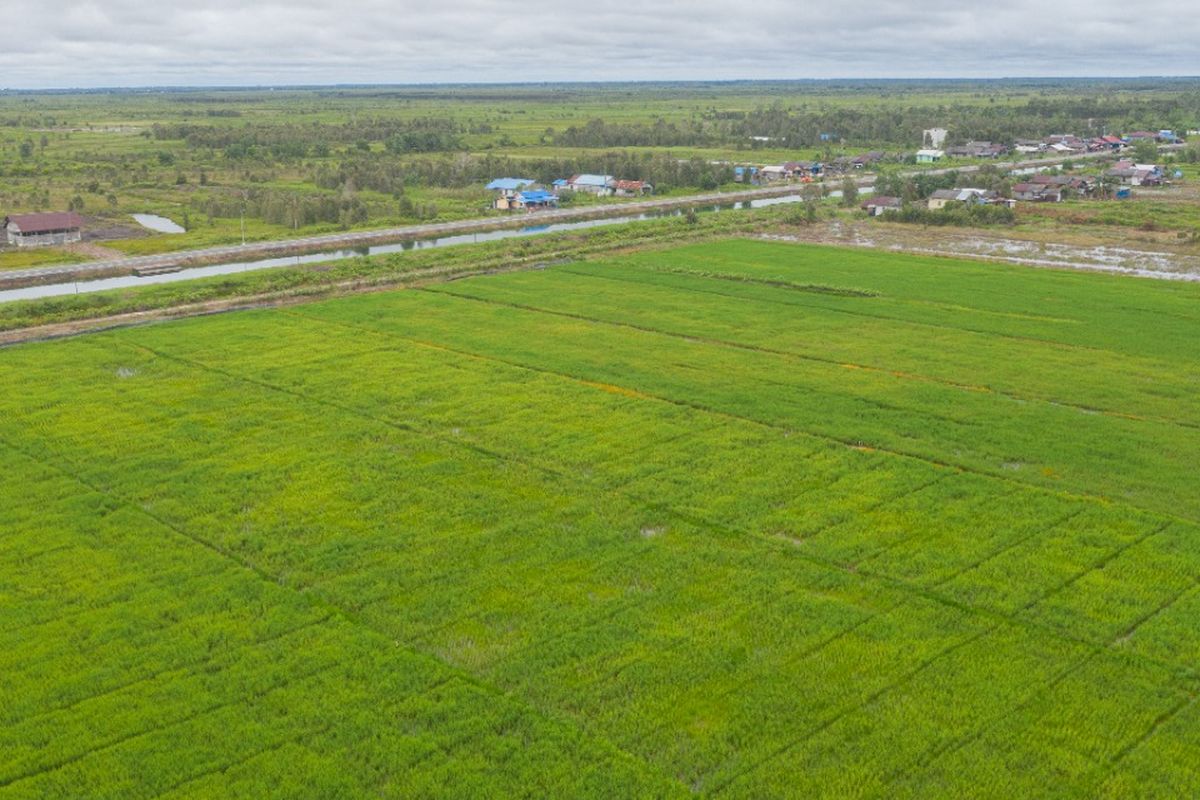
By the government’s own measure, Papua is the least food-secure part of Indonesia. In the National Food Agency’s 2026 Food Security Index, every one of the 18 regencies rated “very vulnerable” is in Papua, and so are the 20 lowest scores in the country. This article explains what the index measures, where Papua stands, and why new farmland alone does not close the gap.
ALSO READ: Trans-Papua Road, Youtefa Bridge and Palapa Ring: How Infrastructure in Papua Is Changing
What is the Food Security Index?
The Food Security Index (Indeks Ketahanan Pangan, IKP) is published by Indonesia’s National Food Agency (Bapanas). It scores every regency and city from 0 to 100 using 12 indicators. These cover three things: whether food is available, whether people can afford and reach it, and whether they can use it well, for example through clean water and health. Each area is then grouped from “very vulnerable” to “very resilient”.
Where does Papua rank?
Papua Movement analysed the agency’s open dataset for 2024 to 2026. It covers all 514 regencies and cities in Indonesia, including 42 in the six Papuan provinces.
| Province | Average Food Security Index score, 2026 |
|---|---|
| Highland Papua | 35.7 |
| Central Papua | 40.4 |
| South Papua | 52.7 |
| Papua | 53.6 |
| Southwest Papua | 55.2 |
| West Papua | 56.0 |
| Indonesia (all 514 regencies and cities) | 71.7 |
The gap is widest in the highlands. In 2026, Highland Papua’s regencies averaged 35.7, about half the national average of 71.7. The lowest-scoring regencies were Puncak (20.43), Nduga (27.82) and Mamberamo Tengah (29.36). By contrast, the regency of Merauke and the city of Jayapura scored around 65 in 2024, close to the national middle.
There has been some movement. The number of Papuan regencies rated “very vulnerable” fell from 23 in 2024 to 18 in 2026. Highland Papua’s average, however, dropped from 35.3 in 2024 to 31.2 in 2025 before recovering to 35.7 in 2026. However, all 18 “very vulnerable” areas in Indonesia in 2026 were in Papua.
Why is food security so low in the highlands?
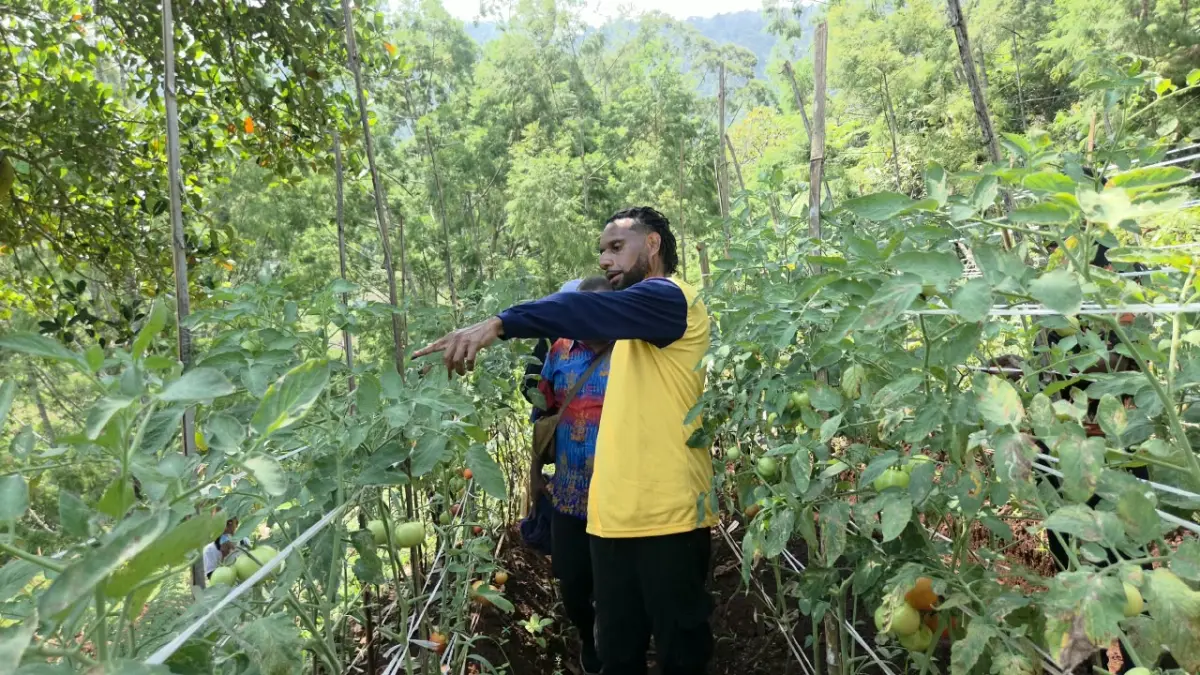
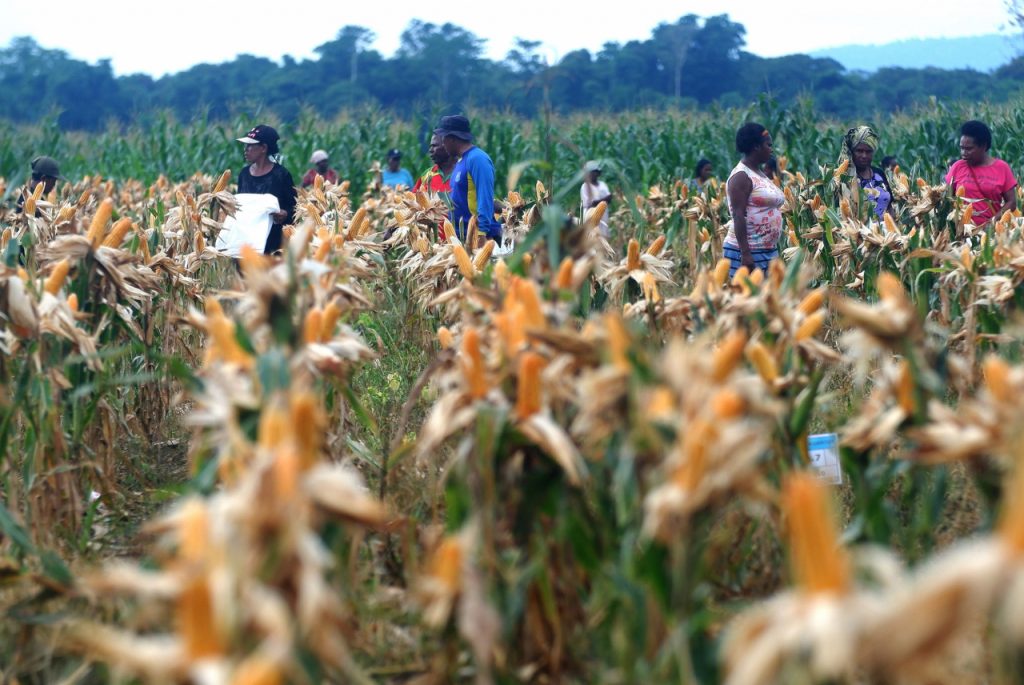
Several causes overlap. Most highland towns have no all-weather road to the coast, so rice, fuel and other goods arrive by plane and cost more. In addition, local gardens depend on the weather. In April 2025, the regent of Jayawijaya said that spinach had become scarce in Wamena because flooded fields could not be farmed, Antara reported. He linked expensive vegetables to high inflation in Highland Papua.
The index also counts health and water, not only food supply. Therefore, areas with few clinics or poor sanitation score low even when gardens produce enough. For why goods cost more in the highlands, see Papua Price Disparity.
Do new rice fields help?
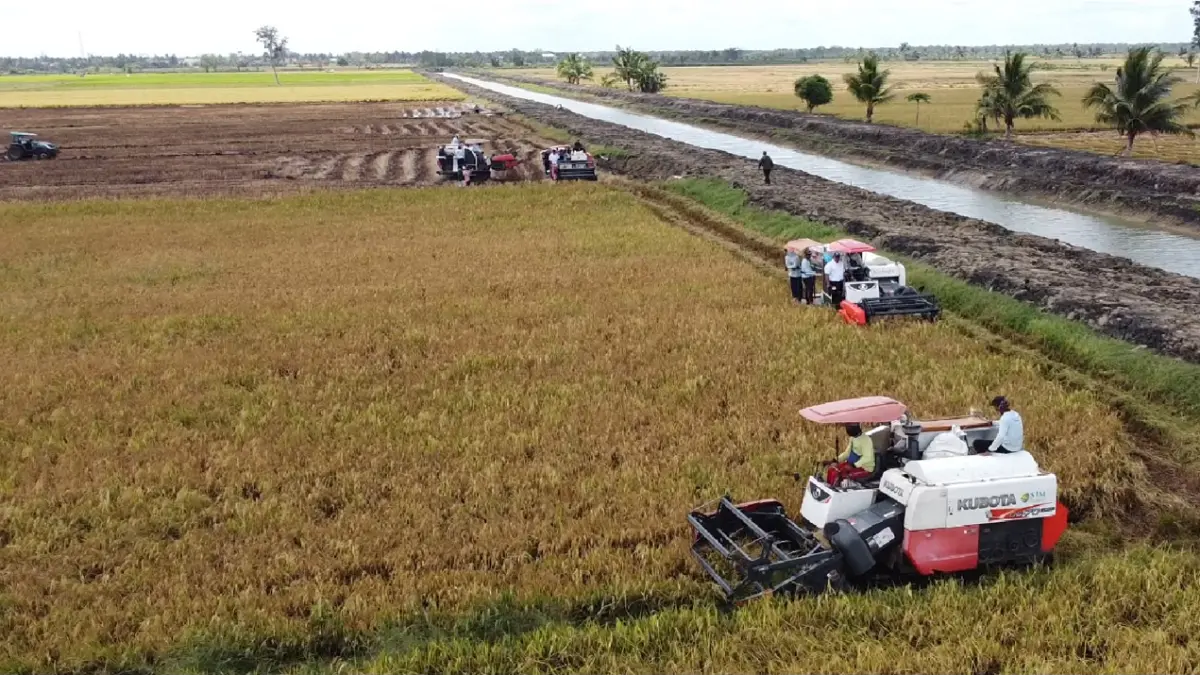
The government is opening large new rice fields, mostly in South Papua. The Ministry of Agriculture reported 83,030 hectares of new rice fields across Papua by mid-2026. South Papua’s average score rose from 47.5 in 2024 to 52.7 in 2026, according to our calculation.
However, the lowest scores are in the highlands, far from Merauke’s fields. Rice grown in the south still has to travel by ship and plane to reach Wamena or Puncak. For the food estate itself, see Papua Agriculture and the Army.
What would improve Papua food security?
- Local staples. Supporting sago, sweet potato and other local crops that already grow in the highlands.
- Roads and storage. Cheaper transport and places to store harvests between seasons.
- Health and water. Clinics, clean water and nutrition programmes, which the index also measures.
- Regular data. Watching each regency’s score every year to see which policies work.