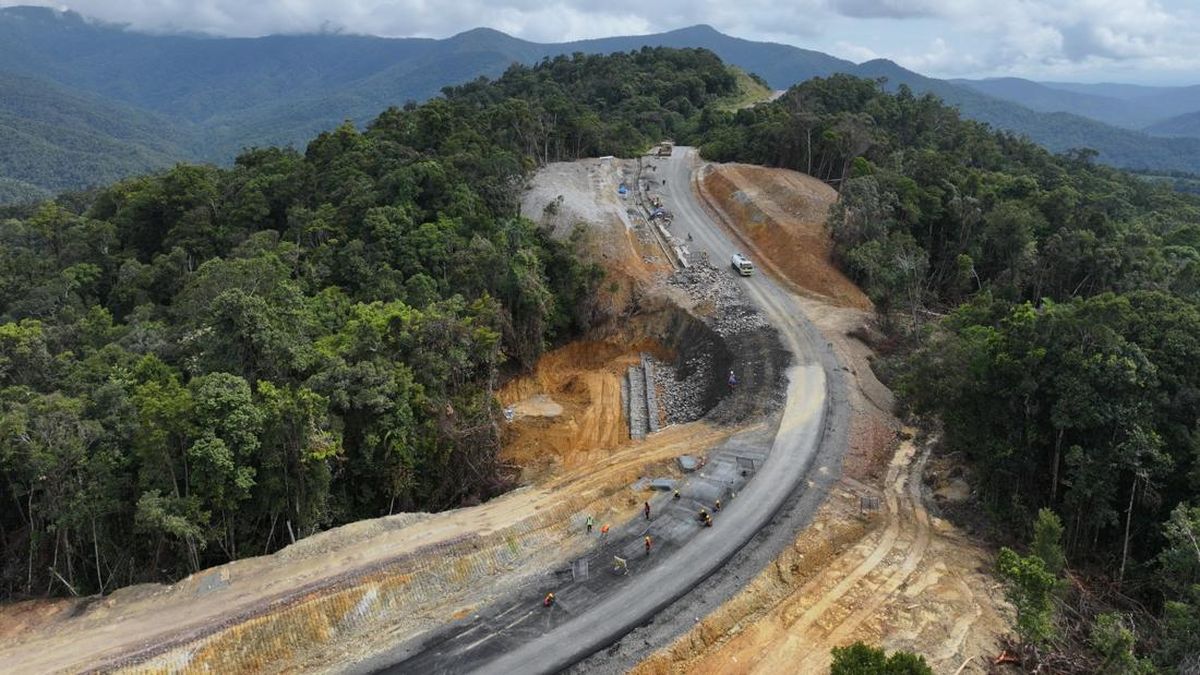
In the swamps of southern Merauke, a 135-kilometre road is being cut to serve one of Indonesia’s largest food projects. The road will give heavy machinery and trucks access to Wanam, an area the government plans to turn into a national food reserve with new rice fields. This article looks at what has been built for the Merauke food estate so far, who says it helps, and why some indigenous residents took the road to court.
ALSO READ: Redefining Papua Market Accessibility: Connecting Local Production to Papua Port Corridors
What is the Wanam food estate?
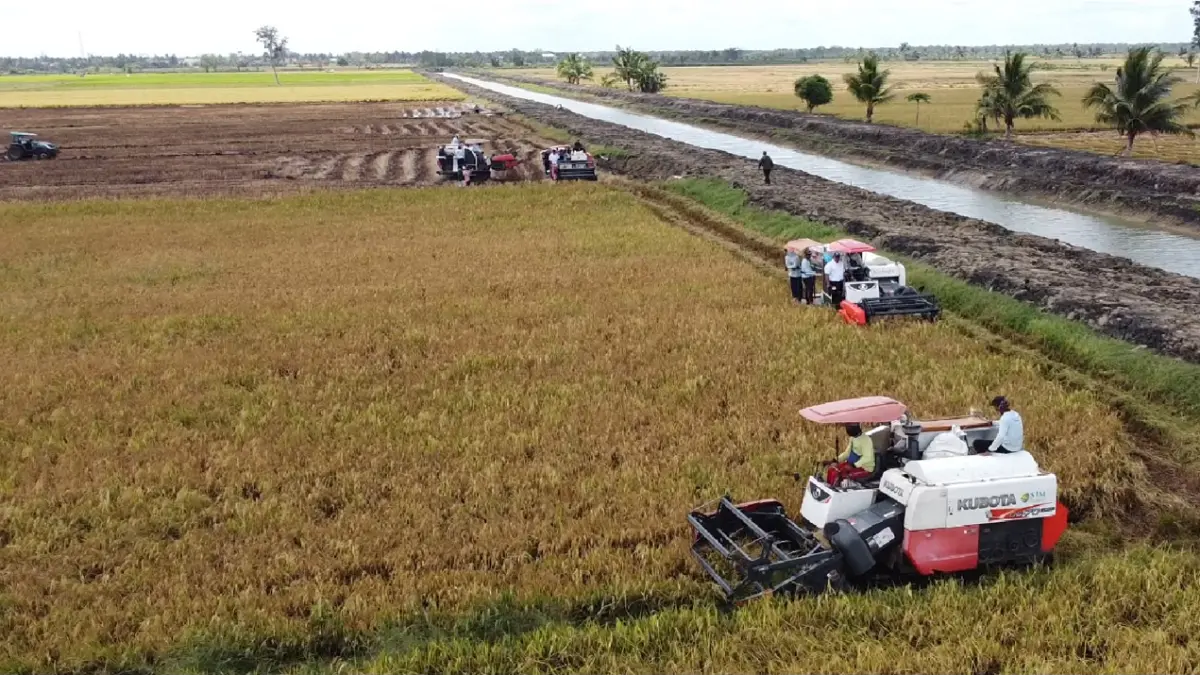
Wanam lies in Ilwayab district, Merauke regency, South Papua. The government calls it a Food Production Centre Area (Kawasan Sentra Produksi Pangan). It is part of a national strategic project. According to CNN Indonesia, the plan is to make Wanam a centre of national food reserves through one million hectares of new rice fields.
Before any rice can grow, however, machines must reach the land. For that reason, the first step is not planting but building roads, drainage and a jetty. For the official figures on new rice fields across Papua, and the army’s role in building them, see Papua Agriculture and the Army.
What has been built so far?
By the end of January 2026, CNN Indonesia reported the following progress.
| Item | Status, end of January 2026 |
|---|---|
| Planned road length | 135 km |
| Road cut through (perintisan) | 58.44 km |
| Road hardened with stone | 11.53 km |
| Land cleared for the food area | 9,781 ha |
The hardened sections already carry project trucks and building material. The road also includes drainage channels. These keep the road bed stable on swampy ground and will later help irrigate the fields.
Why is building here so hard?
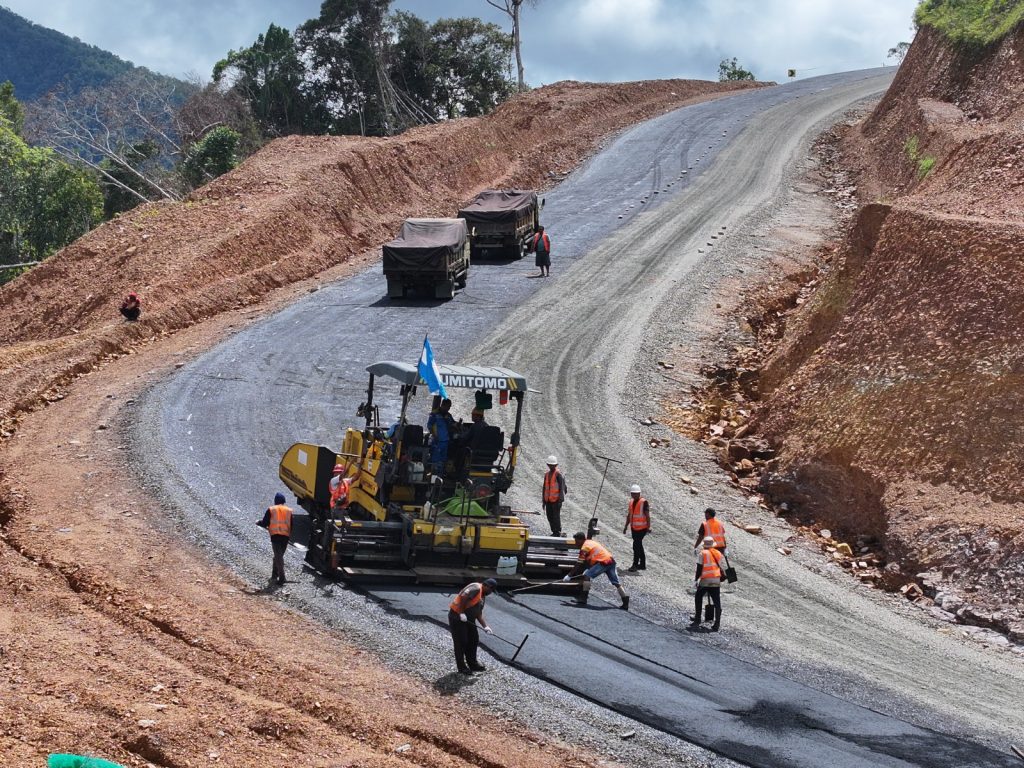
Southern Merauke is low, flat and wet. Builders face muddy swamps, heavy rain and rising and falling tidal water. As a result, the team must dry and harden the ground with stone before vehicles can use it. Until recently, people in the area travelled mostly by river, because the land was too muddy for cars.
Who says the road helps?
Some local workers say it already makes a difference. CNN Indonesia spoke to Ulus, an indigenous Merauke resident who now drives a truck carrying project material. He earlier worked as a day labourer on the survey when the Wanam jetty was first planned. In the past, he said, getting around the area was extremely hard because of the mud. Now, he said, it is better.
Why did indigenous residents go to court?
Not everyone welcomes the road. Five members of the Malind indigenous community, including clan head Liborius Kodai Moiwend, challenged the environmental permit that Merauke’s regent issued for the 135-kilometre road from Wanam to Muting. They argued that the road cuts through customary forest. They also said the permit came about a year after physical work had started.
According to Ekuatorial, the Jayapura State Administrative Court rejected the case on 18 September 2026. The case had gone through six months of hearings. The judges found that the regent had followed the legal procedure, including an environmental impact assessment (AMDAL) and public consultation with residents.
What should readers watch next?
- Completion. Less than half of the road had been cut through by early 2026.
- Maintenance. Roads on swamp need constant upkeep, so long-term funding matters.
- Use by local farmers. Whether the road also serves villages, not only the project.
- Land rights. Whether disputes over customary forest continue after the court ruling.
Good infrastructure can also bring wider benefits, such as faster access to rural healthcare.