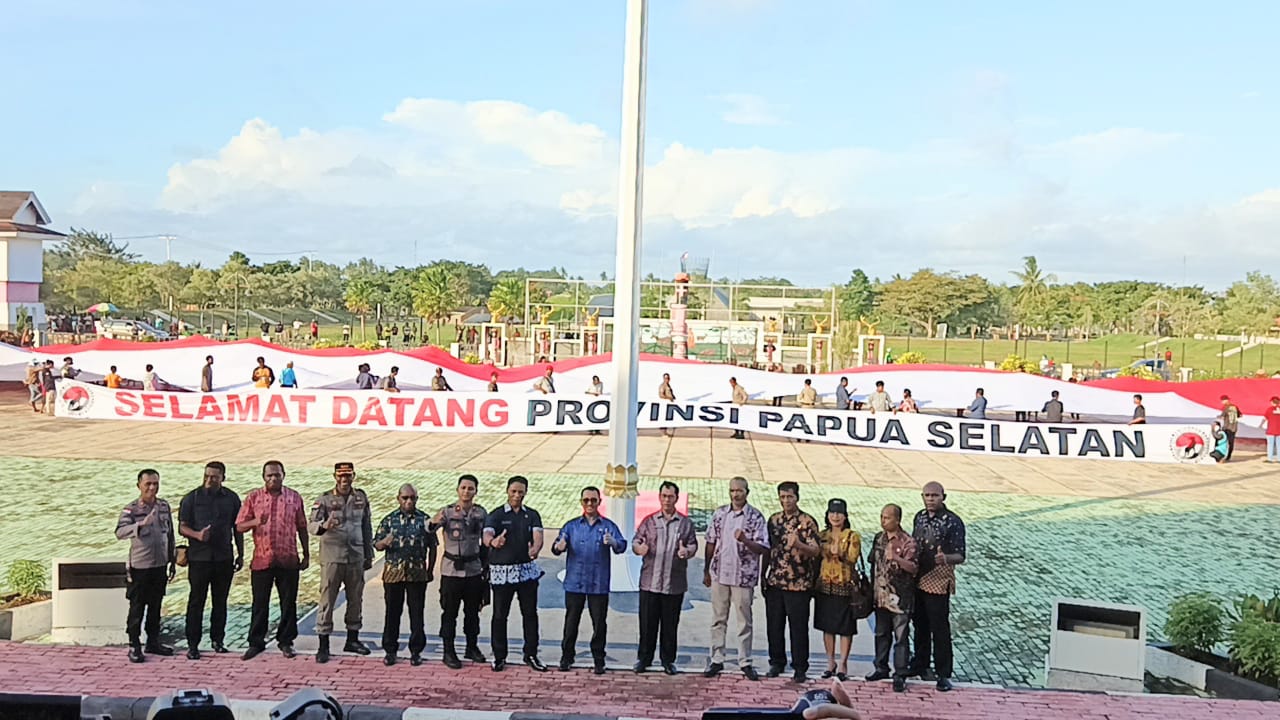
Indonesia created four new provinces in Papua in 2022 to bring government closer to remote communities, speed up development and give Indigenous Papuans more civil service jobs. As a result, the region now has six provinces instead of two. Critics, however, feared the split would weaken Papuan identity and bring more troops.
👉 ALSO READ: Papua Special Autonomy (Otsus): What Is It and What Has It Funded?
Papua new provinces at a glance
In short, these are the four provinces created in 2022 and their first elected governors.
| Province | Capital | Law | First elected governor (sworn in) |
|---|---|---|---|
| South Papua (Papua Selatan) | Merauke | Law No. 14 of 2022 | Apolo Safanpo (20 February 2025) |
| Central Papua (Papua Tengah) | Nabire | Law No. 15 of 2022 | Meki Nawipa (20 February 2025) |
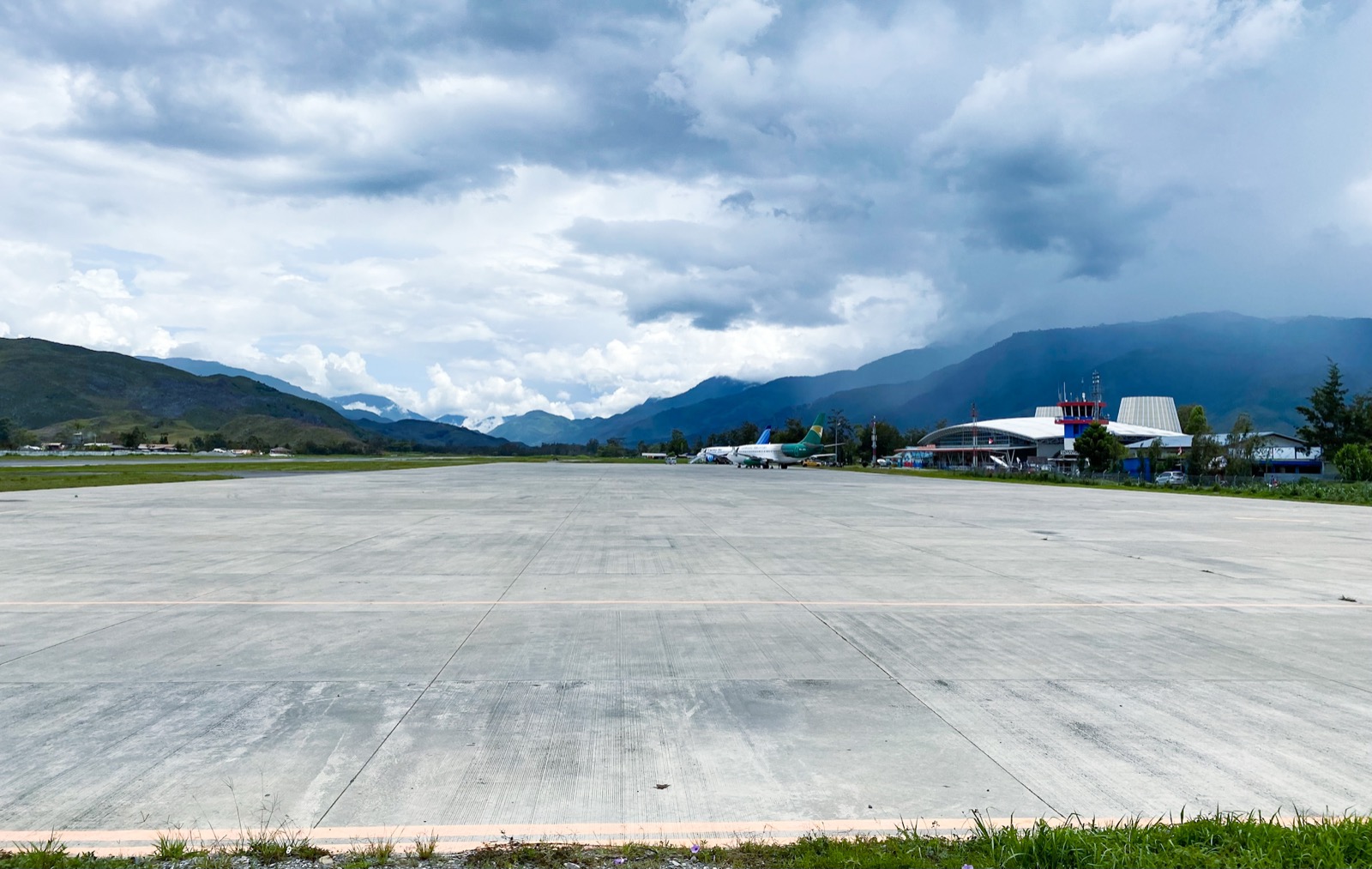
| Highland Papua (Papua Pegunungan) | Wamena (Jayawijaya) | Law No. 16 of 2022 | John Tabo (17 April 2025) |
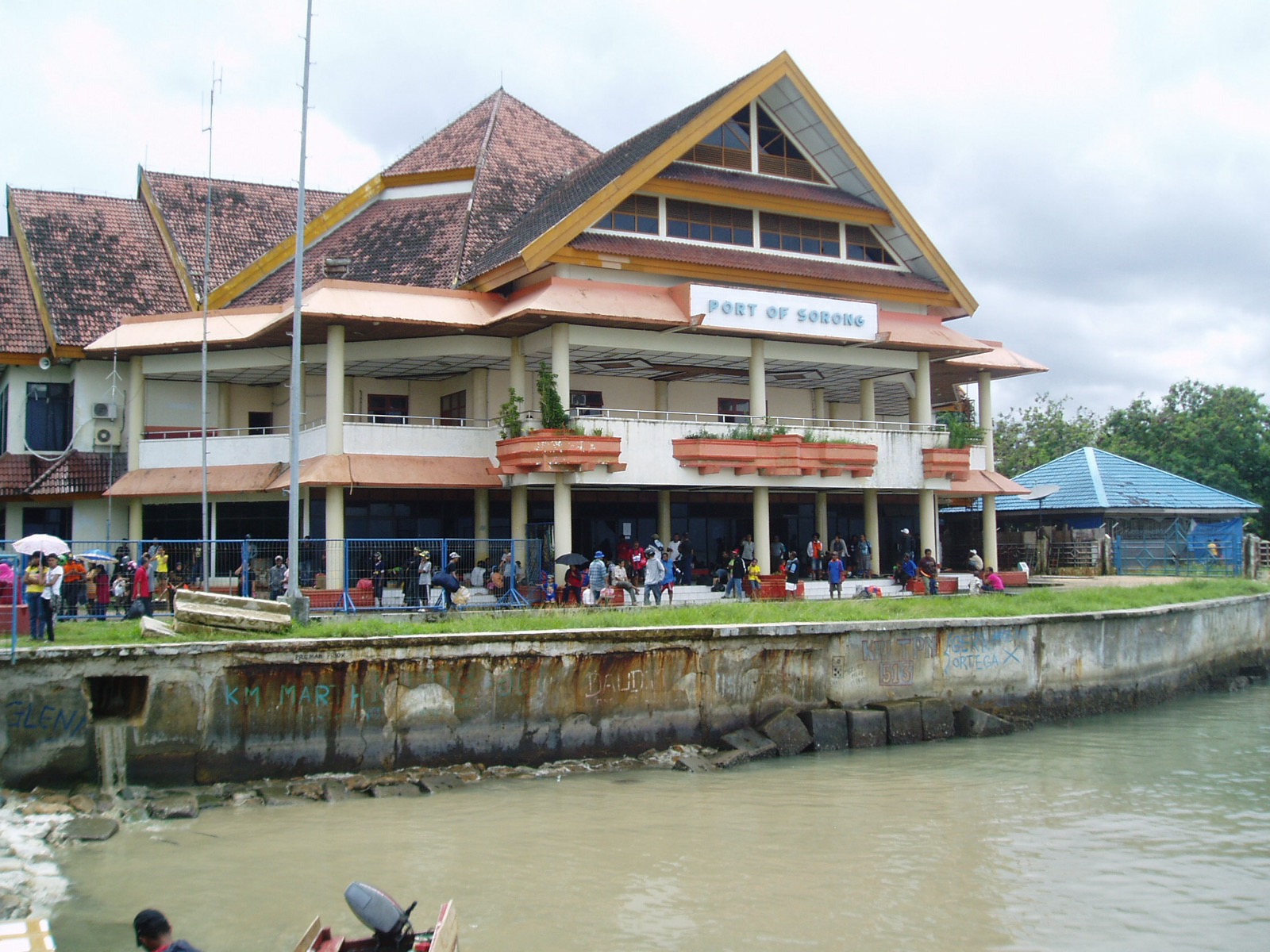
| Southwest Papua (Papua Barat Daya) | Sorong | Law No. 29 of 2022 | Elisa Kambu (20 February 2025) |
Sources: South Papua Provincial Government; Central Papua Provincial Government; JDIH Kemenko Infrastruktur; Ministry of State Secretariat; Antara; Radar Sorong. The two older provinces are Papua (capital Jayapura) and West Papua (capital Manokwari).
Why did Indonesia split Papua into more provinces?
First, the government wanted faster development. In June 2022, Home Affairs Minister Tito Karnavian said the main goal was “to accelerate development in Papua to increase the welfare of the people in Papua, especially indigenous Papuans” (Reuters).
Second, the government said smaller provinces would improve public service delivery. In other words, each region would have its own capital, governor and provincial assembly closer to its people (Reuters).
Third, the split was meant to create jobs for Papuans. In particular, the government said it would give more Papuans the chance to become civil servants (Reuters). The revised special autonomy law of 2021 made this possible, because it allowed the central government to create new provinces (Reuters).
Southwest Papua followed later. In December 2022, it became Indonesia’s 38th province (Antara; Cabinet Secretariat).
What has changed since 2022?
Above all, the new provinces now have elected leaders. At first, the central government appointed acting governors; for example, Apolo Safanpo served as acting governor of South Papua from 2022 to 2024 (South Papua Provincial Government). Then, after the regional elections of November 2024, voters chose their first full governors. For instance, Central Papua’s governor Meki Nawipa, a former Paniai regent, promised free schooling when he took office (Central Papua Provincial Government).
Indigenous Papuans also gained priority for civil service jobs. Specifically, the government reserves 80% of civil service recruitment places in Papua for Papuans, according to the Minister of Administrative and Bureaucratic Reform (KemenPANRB).
Meanwhile, the Public Works Ministry is building offices for each new governor, assembly and MRP, the council of Indigenous Papuans. The ministry aims to have all of them working by 2027 (Kumparan).
South Papua is furthest ahead. On 5 January 2026, Governor Apolo Safanpo opened the new governor’s office and provincial assembly building in Salor, Merauke. In addition, 50 homes for officials and two apartment towers for Indigenous Papuan civil servants have been built (South Papua Provincial Government).
However, progress is uneven. Building in Central Papua only began in October 2025. Similarly, Highland Papua’s office was delayed because its site changed, so building there was due to start in 2026 (Kumparan).
Why do some Papuans oppose the new provinces?
Nevertheless, the plan sparked protests in Papua in 2022. The chief of the Papuan People’s Assembly (MRP), Timotius Murib, said the new provinces would bring non-Indigenous people into new government posts. He also said the government had not consulted Papuans enough, a charge the government denied. Moreover, the MRP asked the Constitutional Court to review the 2021 law that allowed the split (Reuters).
Similarly, human rights lawyer Veronica Koman said Jakarta wanted to “divide and conquer” Papuan identity. She also warned of more militarisation (Reuters).
That concern returned in 2025. At the time, the army announced a new regional command, Kodam Mandala Trikora, in Merauke. The military said new commands would improve readiness. Critics, on the other hand, warned that a larger military presence could blur the line between defence and civilian affairs (Jakarta Globe).
What comes next?
Overall, the six provinces are now a settled part of Indonesia’s map. Papua Movement will track whether the new offices open on time in 2027. Ultimately, the real test is whether services reach the highlands and the far south faster than before.
Sources
- Reuters: Indonesia passes contentious law to create more provinces in Papua (30 June 2022)
- Antara: Southwest Papua officially becomes Indonesia’s 38th province (9 December 2022)
- Cabinet Secretariat of the Republic of Indonesia: Home Minister inaugurates new province in Papua
- JDIH Kemenko Infrastruktur: Law No. 16 of 2022 on the Formation of Highland Papua Province (in Indonesian)
- Central Papua Provincial Government: Meki Nawipa & Deinas Geley Resmi Dilantik Sebagai Gubernur dan Wagub Provinsi Papua Tengah (21 February 2025) (in Indonesian)
- Ministry of State Secretariat: Presiden Prabowo Subianto Lantik Gubernur dan Wakil Gubernur Papua Pegunungan (17 April 2025) (in Indonesian)
- South Papua Provincial Government: Profil Gubernur (in Indonesian)
- South Papua Provincial Government: Kantor Gubernur dan DPRP Papua Selatan Diresmikan (5 January 2026) (in Indonesian)
- Radar Sorong: Dilantik Presiden RI, Elisa Kambu-Ahmad Nausrau Sah jadi Gubernur dan Wakil Gubernur Pertama Papua Barat Daya (20 February 2025) (in Indonesian)
- KemenPANRB: Di Depan ASN Papua, Menteri PANRB Sampaikan Upaya Keberpihakan Selama Ini (19 May 2023) (in Indonesian)
- Kumparan: Kementerian PU Mulai Bangun Kantor Pemerintahan di 4 DOB Papua, Rampung 2027 (29 October 2025) (in Indonesian)
- Jakarta Globe: Indonesian Army to Establish Six New Regional Commands in Major Expansion (8 August 2025)
Featured image: Public celebration of the newly created South Papua province in Merauke, 30 June 2022. Photo: Government of Merauke Regency, Wikimedia Commons, public domain.