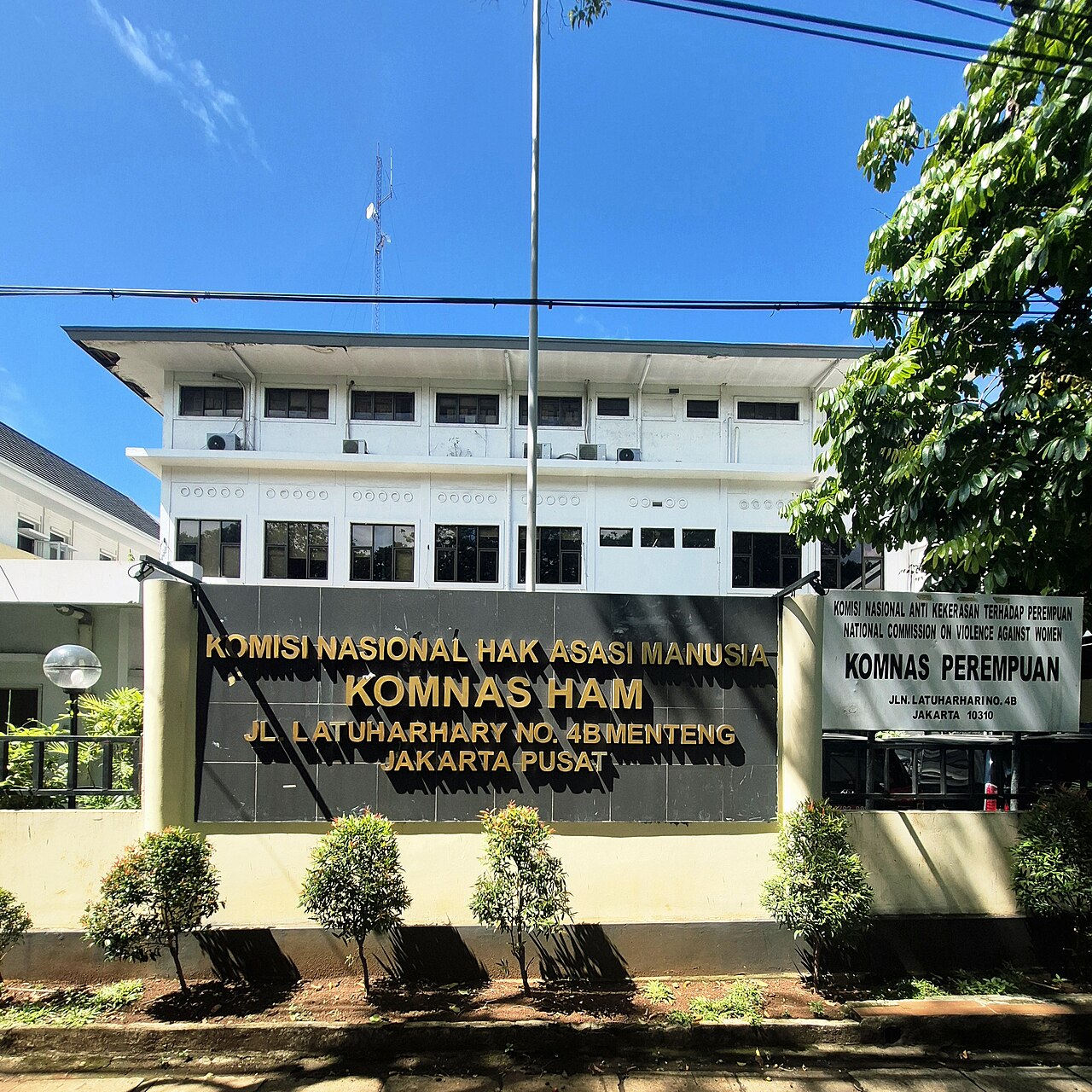
Indonesia’s government has acknowledged past human rights violations in Papua, including the Wasior and Wamena incidents, and says national institutions handle current allegations. Meanwhile, armed separatists have killed teachers, health workers and other civilians, while independent bodies have reported unlawful killings by security forces. However, claims of genocide are unproven: no court has ruled that genocide occurred.
What has the Indonesian government acknowledged and done?
| Step | What happened | Source |
|---|---|---|
| Acknowledgement of past violations (January 2023) | President Joko Widodo acknowledged 12 past gross human rights violations, including the Wasior (2001–2002) and Wamena (2003) incidents in Papua, and expressed deep regret | Cabinet Secretariat; Antara |
| Commitment to victims (January 2023) | At the same time, the government committed to restore victims’ rights “without negating the judicial settlement” and to prevent recurrence | Cabinet Secretariat |
| Human rights court trial (2022) | The Human Rights Court in Makassar tried the 2014 Paniai shooting case | The Jakarta Post |
| Action against soldiers (March 2024) | After a torture video emerged, the army apologised to “all Papuans” and arrested 13 soldiers | Reuters |
| National oversight | According to Indonesia, national institutions, including the National Commission on Human Rights (Komnas HAM), handle credible allegations | Antara, 2026 |
Sources: Cabinet Secretariat; Antara, 2023; The Jakarta Post; Reuters, 2024; Antara, 2026.
In his own words: “With a clear mind and sincere heart, I, as Head of State of the Republic of Indonesia, acknowledge that gross violations of human rights did occur in various incidents,” President Widodo said in 2023 (Cabinet Secretariat).
Are armed groups responsible for abuses against civilians?
Yes. In fact, armed separatists have repeatedly attacked civilians who provide basic services in remote areas:
- Teachers in Beoga, Puncak (2021). Armed separatists shot dead two teachers; later, Papua’s provincial government honoured them for educating Papuan children (Antara).
- Health workers in Kiwirok (2021). Attackers burnt down a health centre; in addition, officials said attackers assaulted health workers and a nurse died while fleeing (Tempo).
- Teachers in Yahukimo (2025). Gunmen killed a teacher and injured six people; afterwards, a TPNPB commander claimed the attack (BenarNews).
- An American pilot in Yahukimo (2026). Similarly, the TPNPB shot dead pilot Nicholas F. Gosselin and burned his plane (Reuters).
- Civil servants and hostages (2026). At the UN, Indonesia cited civil servants whom gunmen killed after they distributed livestock aid, a driver who was also killed, and nine women and children abducted in Mimika (Antara).
“Attacking innocent civilians and murdering civil servants are criminal acts,” Indonesia told the UN General Assembly in 2026 (Antara). For more on these groups, also see What Are the OPM and the TPNPB?
👉 ALSO READ: What Is the Current Situation in West Papua?
What have independent human rights bodies reported?
Amnesty International (2018) documented at least 95 unlawful killings by security forces in 69 incidents between 2010 and 2018. Moreover, it found that no institution independent of the suspected officers’ own unit had investigated any of them (Amnesty International).
UN human rights experts (2022) said they had received allegations of killings, disappearances, torture and forced displacement, citing estimates of 60,000–100,000 people displaced since December 2018 (OHCHR). Indonesia’s response: its mission in Geneva called the statement “biased”, said it disregarded data Indonesia had already submitted, and denied obstructing aid or forcing displacement. Instead, it said several factors, including natural disasters and tribal conflict, had displaced people (Reuters).
The Paniai case. Finally, in December 2022 the Human Rights Court in Makassar acquitted the defendant, a retired army officer charged over the 2014 shooting of protesters in which four teenagers died (The Jakarta Post).
Is there a genocide in West Papua?
In short, no court has found that genocide occurred in Papua, and Papua Movement is not aware of any national or international ruling that it did. Instead, the claim comes from some campaigners. For example, the most cited legal study, a 2004 report by Yale Law School’s Allard K. Lowenstein International Human Rights Clinic, found “considerable but inconclusive evidence” of intent to commit genocide, and one of its authors said intent was the hardest element to prove (Yale Daily News). For its part, Indonesia rejects claims of systematic violations (Antara).
What remains disputed?
- Who is responsible for specific deaths. In practice, the military and armed groups often give conflicting accounts of the same incident (BBC News Indonesia).
- The scale and causes of displacement. UN experts cited 60,000–100,000 displaced; however, Indonesia attributes displacement to several factors and denies forcing people out (Reuters).
- International visits. Pacific states have called for a visit by the UN High Commissioner for Human Rights; Indonesia, on the other hand, says the country and the UN office must first agree on such a visit, as for all member states (Antara).
Finally, for the current situation, see What Is the Current Situation in West Papua?
Sources
- Cabinet Secretariat of the Republic of Indonesia: Gov’t Committed to Restore Rights of Victims of Human Rights Violations (11 January 2023)
- Antara: Indonesia acknowledges 12 past major human rights violations (11 January 2023)
- Antara: Indonesia rejects claims of systematic right violations in Papua (29 September 2026)
- Antara: Two slain teachers in Papua’s Beoga receive Education Award (3 May 2021)
- Tempo: Kiwirok Attack: Missing Health Worker Found, Escorted to Sentani (26 September 2021)
- BenarNews: Papua rebels kill teacher, injure 6 accused of spying for Indonesian military (24 March 2025)
- Reuters: Indonesia recovers body of American pilot killed by rebels in Papua, military says (3 July 2026)
- Reuters: Indonesian army apologises after viral Papua torture video (25 March 2024)
- Reuters: Indonesia dismisses U.N. experts’ call to probe alleged abuses in Papua (2 March 2022)
- Amnesty International USA: Indonesia: Police and military unlawfully kill almost 100 people in Papua in eight years with near total impunity (2018)
- UN Office of the High Commissioner for Human Rights: Indonesia: UN experts sound alarm on serious Papua abuses, call for urgent aid (1 March 2022)
- The Jakarta Post: Court clears ex-soldier of all charges in Papua rights abuse trial (9 December 2022)
- Yale Daily News: Report discloses abuse in W. Papua (2 February 2004)
- BBC News Indonesia: Isu Papua kembali muncul di PBB, akankah hentikan konflik bersenjata? (2 October 2026, in Indonesian)
Featured image: The office of Indonesia’s National Commission on Human Rights (Komnas HAM) in Menteng, Central Jakarta (2025). Photo: Medelam / Wikimedia Commons, CC BY-SA 4.0.