The price gap between Papua’s highlands and the rest of Indonesia is widest for goods that must fly in, and fuel is the clearest example. Before 2018, people in Wamena paid many times the national price for a litre of petrol. A national programme called One-Price Fuel (BBM Satu Harga) closed much of that gap at official outlets. However, every litre still has to arrive by plane, so supply remains fragile. This article explains what changed and what did not.
ALSO READ: The Papua Movement: Connecting Local Agriculture to Urban Markets
Why are prices higher in Papua’s highlands?
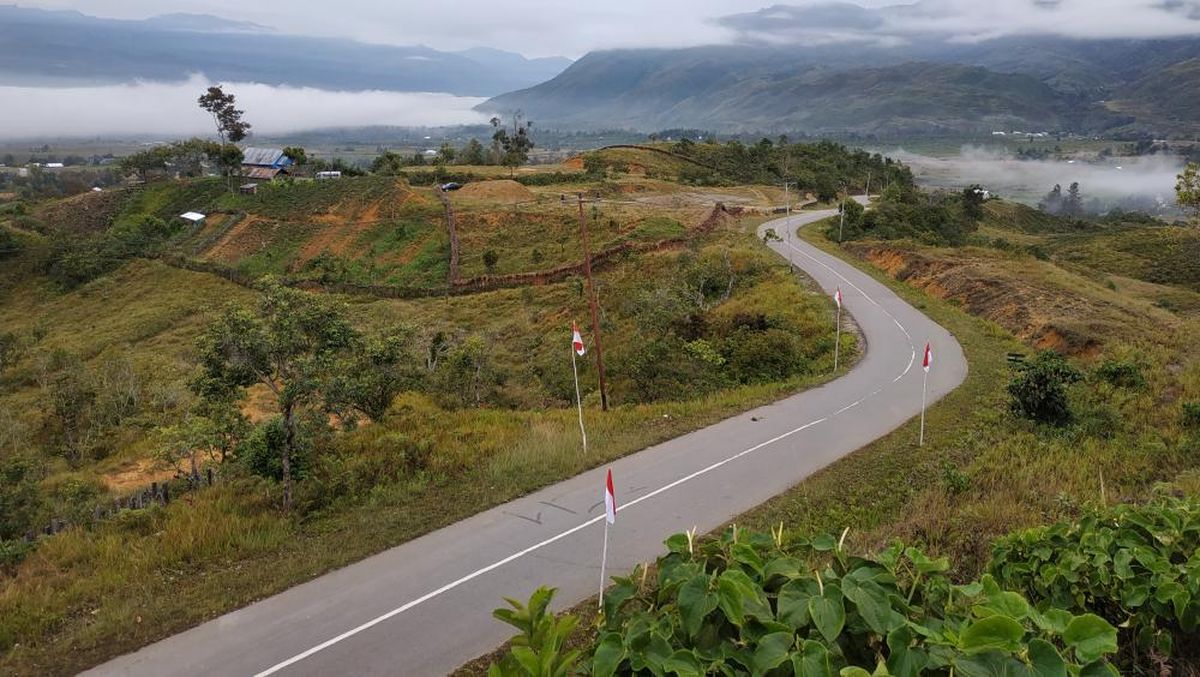
Most highland towns, including Wamena in Jayawijaya regency, have no all-weather road to the coast. As a result, fuel, rice, cement and other goods travel by air. Air freight costs far more than ships or trucks, and traders pass that cost on to buyers. For rice and cooking oil, the gap is clear in official price data: see the price table in Efficient Logistics Unlock Economic Growth Across Papua. For how ships, trucks and planes connect, see Papua Transport Network.
What did fuel cost before One-Price Fuel?
In 2018 the Ministry of Energy and Mineral Resources reported on the opening of a compact fuel station in Wamena. Before it opened, residents bought petrol and diesel from small retailers for Rp50,000 to Rp70,000 a litre. Even at that price, supply often ran short. The ministry explained that fuel could reach Wamena only by plane from Jayapura.
After the station opened, a resident named Martinus told the ministry that he could now buy fuel at the same price as in other parts of Indonesia.
How far has the programme spread?
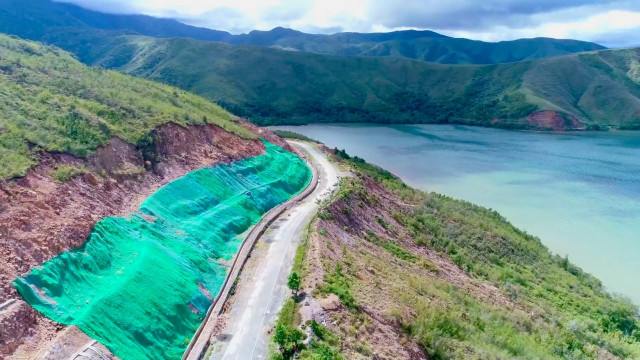
The government started One-Price Fuel in 2017. Under the programme, Pertamina and its partners run small official outlets in remote areas and sell fuel at the national price. In December 2024, the downstream oil and gas regulator, BPH Migas, said that it had completed 583 One-Price Fuel outlets across Indonesia since 2017. Of these, 208 are in the Papua cluster.
| Indicator | Figure | Source |
|---|---|---|
| Retail fuel price in Wamena before 2018 | Rp50,000–70,000 per litre | Ministry of Energy, 2018 |
| Official fuel price after the Wamena outlet opened | Same as the national price | Ministry of Energy, 2018 |
| One-Price Fuel outlets in Indonesia, 2017–2024 | 583 | BPH Migas, December 2024 |
| Of which in the Papua cluster | 208 | BPH Migas, December 2024 |
| Normal fuel flights to Jayawijaya | About 4 a day | Antara, October 2026 |
| Fuel flights during the October 2026 haze | About 1–2 a day | Antara, October 2026 |
Why is fuel supply still fragile?
A single price does not guarantee a steady supply. In October 2026, Antara reported that smoke haze had disrupted fuel deliveries to Jayawijaya, Nduga and Pegunungan Bintang. Pertamina Patra Niaga said fuel to these areas can travel only by air. Normally, the cargo airline Trigana Air flies fuel to Jayawijaya about four times a day. During the haze, it managed only one or two flights a day.
Pertamina also noted that the same planes carry building materials and other essential goods. In other words, fuel competes with everything else for limited cargo space. The last delivery before the report, on 15 October, carried 5,000 litres of Pertalite petrol, 6,000 litres of diesel and 5,000 litres of Dexlite. Pertamina said stocks in Wamena were still safe.
What would narrow the price gap further?
- Road links. Each new all-weather road section lets trucks replace some cargo flights.
- More official outlets. One-Price Fuel helps only where an outlet exists and has stock.
- Better airport capacity. Longer runways and better equipment allow bigger planes and more flights in poor weather.
- Regular price data. Publishing highland fuel and food prices each month would show whether the gap is closing.