Indonesian agrarian law recognizes customary land rights in Papua under certain legal conditions, and the article argues that large land projects must respect them. It calls for legal recognition of customary territories, a role for indigenous leaders in decisions, use of traditional farming knowledge and rainforest protection, noting that the Papua Provincial Government stresses indigenous participation.
Customary Rights and Land Use in Papua
Large-scale land development in Papua involves more than economic potential. In fact, sustainable policies must respect customary rights and indigenous knowledge.
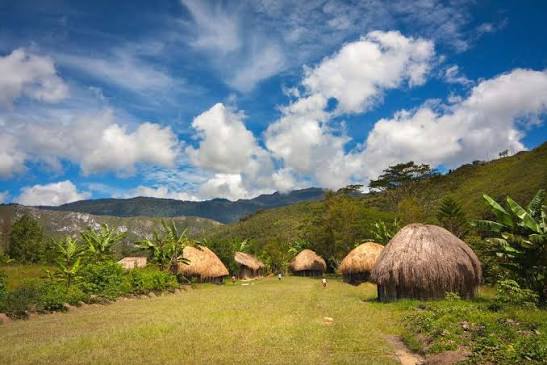
Indonesian agrarian regulations officially recognize customary land rights under specific legal conditions. Consequently, securing legal recognition forms a vital foundation for responsible land management. Through careful governance, state policies ensure local traditions remain protected during regional expansion.
Sustainable Land Planning for Papua
Responsible land use requires development plans to consider social and cultural conditions. Therefore, public agencies involve indigenous communities whenever projects affect traditional territories.
An inclusive land development strategy focuses on four core priorities:
- Legal Recognition: Establishing clear land ownership guarantees for customary Papuan territories.
- Active Participation: Involving local indigenous leaders in regional decision-making processes.
- Traditional Wisdom: Incorporating ancestral agricultural practices into modern land management.
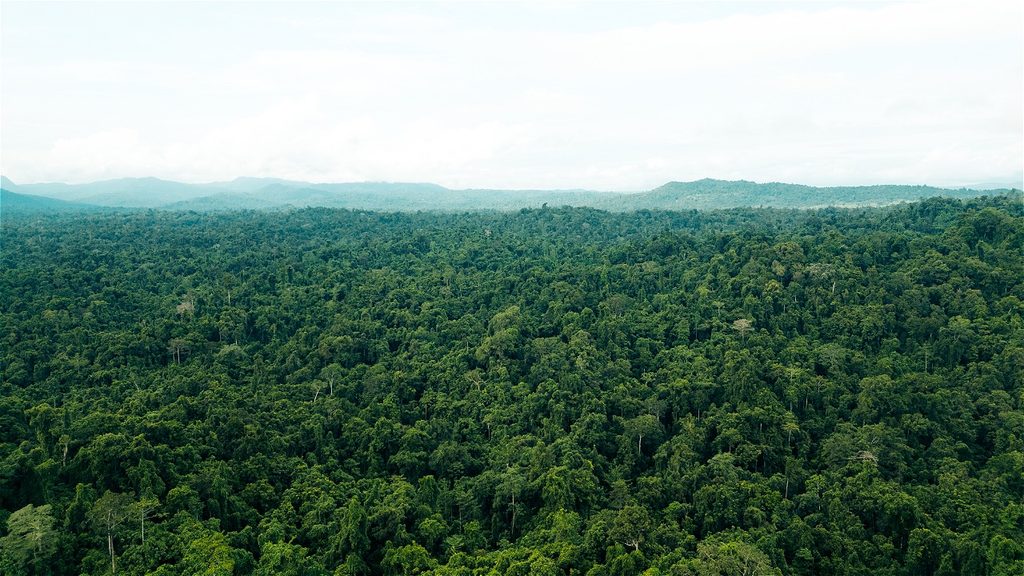
- Ecosystem Balance: Protecting native rainforests while developing necessary economic infrastructure.
Together, these measures ensure that economic growth respects regional heritage.
Indigenous Participation
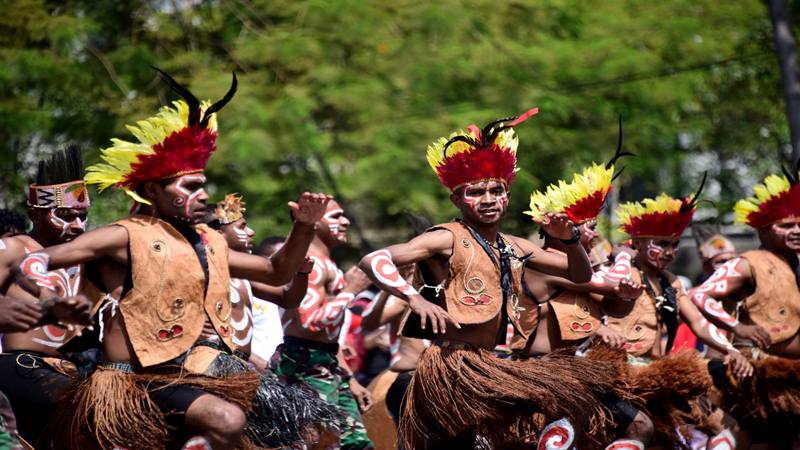
This approach positions indigenous communities as primary leaders of regional development. Furthermore, local participation remains essential as Papua expands infrastructure and agriculture.
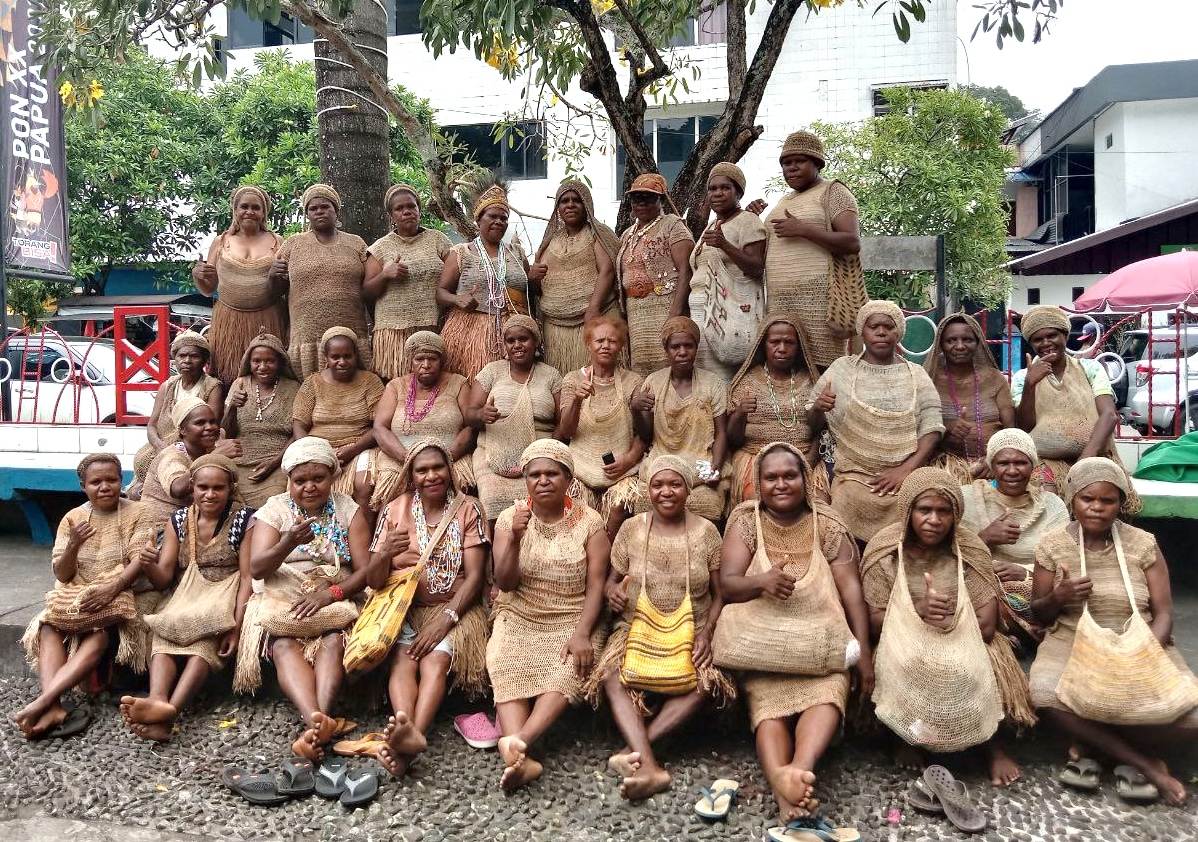
The Papua Provincial Government emphasizes indigenous participation in regional growth planning. By integrating local wisdom, development programs deliver lasting social benefits. As a result, community-led projects build strong trust between citizens and local authorities.
ALSO READ: Papua Movement: Why Is the Entire World Quietly Watching Papua?
What do official figures show?
In September 2025, a Merauke clan head told the Constitutional Court that a national food project had cleared forests and swamps his community relied on without proper dialogue. In September 2026 a court in Jayapura rejected a challenge by five Malind residents to the environmental permit for a 135-kilometre food estate road, finding the procedure lawful, Ekuatorial reported.
Building Sustainable Land Use in Papua
Sustainable development requires balancing economic expansion with customary rights. Furthermore, protecting local heritage secures long-term environmental and social stability.
Legal certainty and indigenous participation create inclusive land policies. In conclusion, honoring customary rights builds a prosperous and equitable future for Papua.