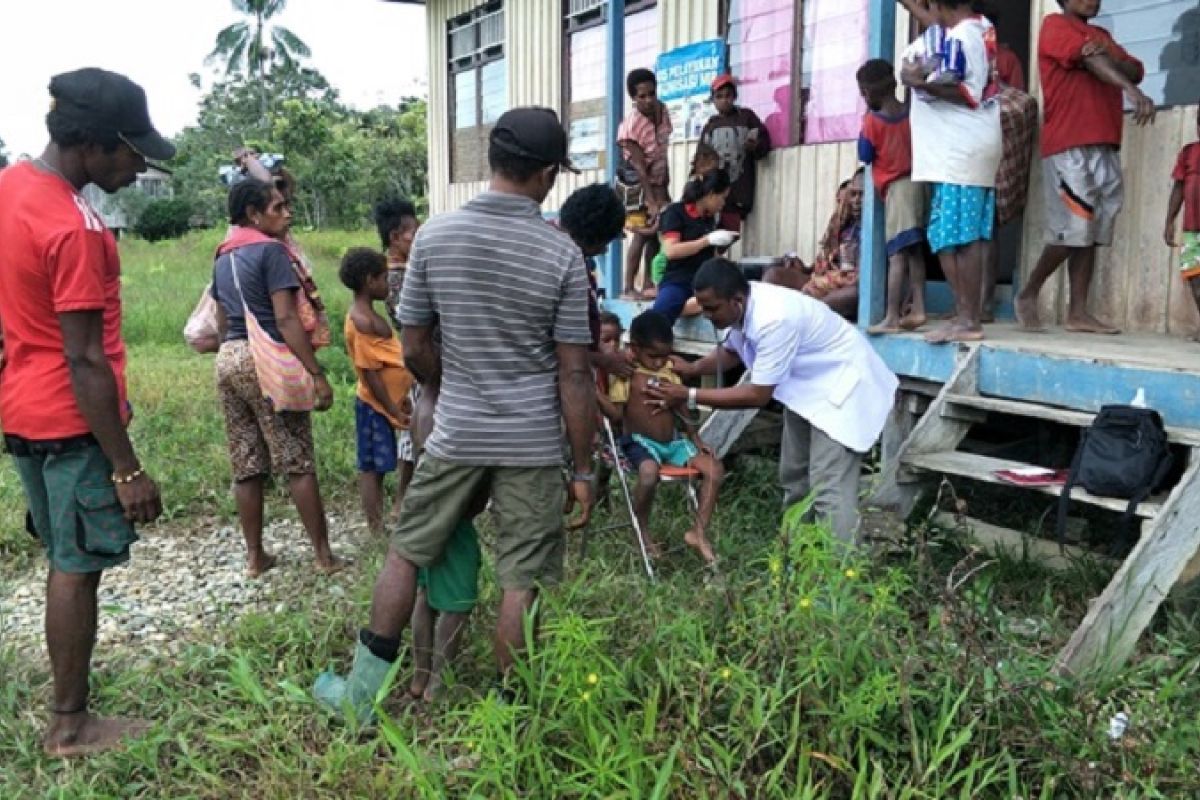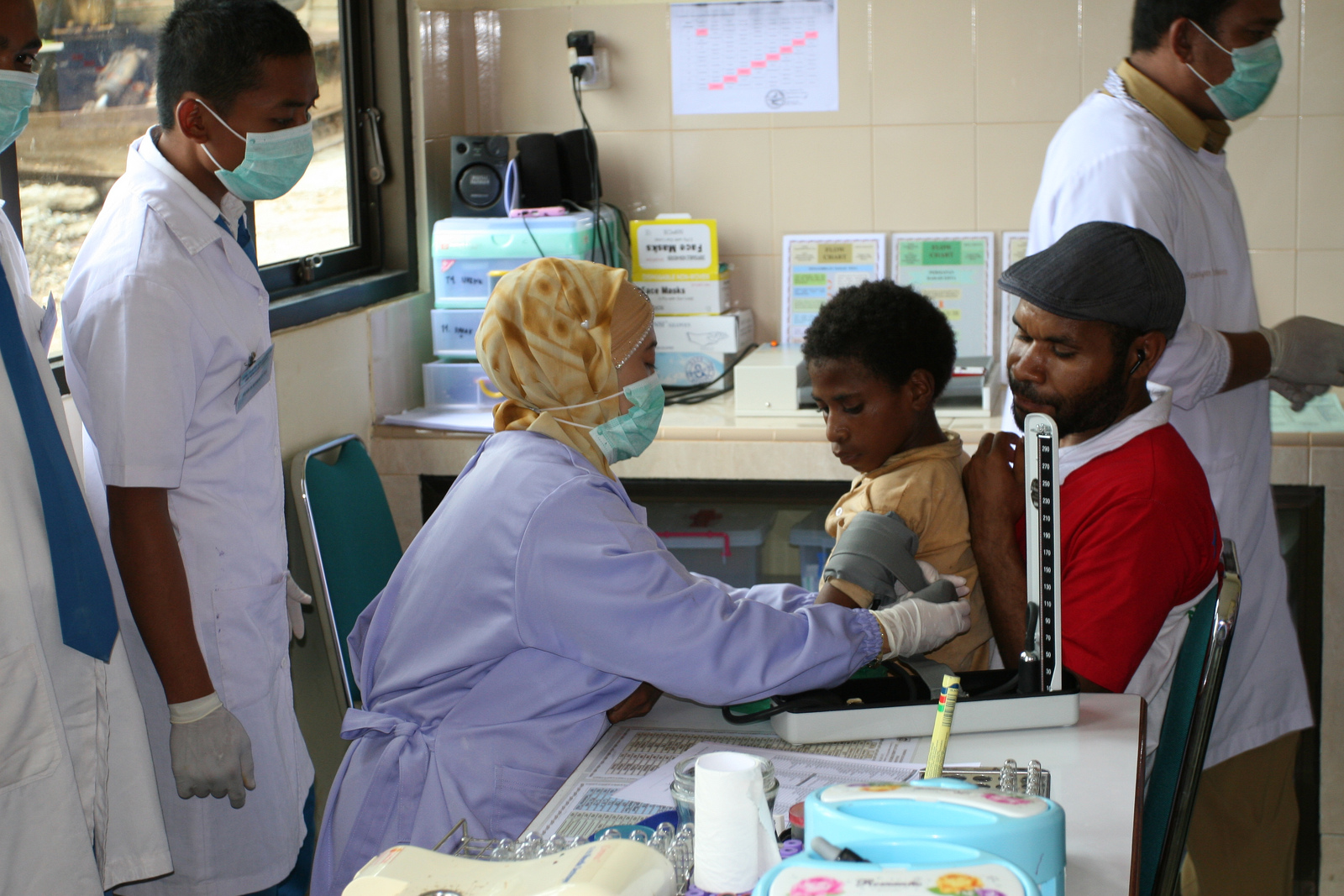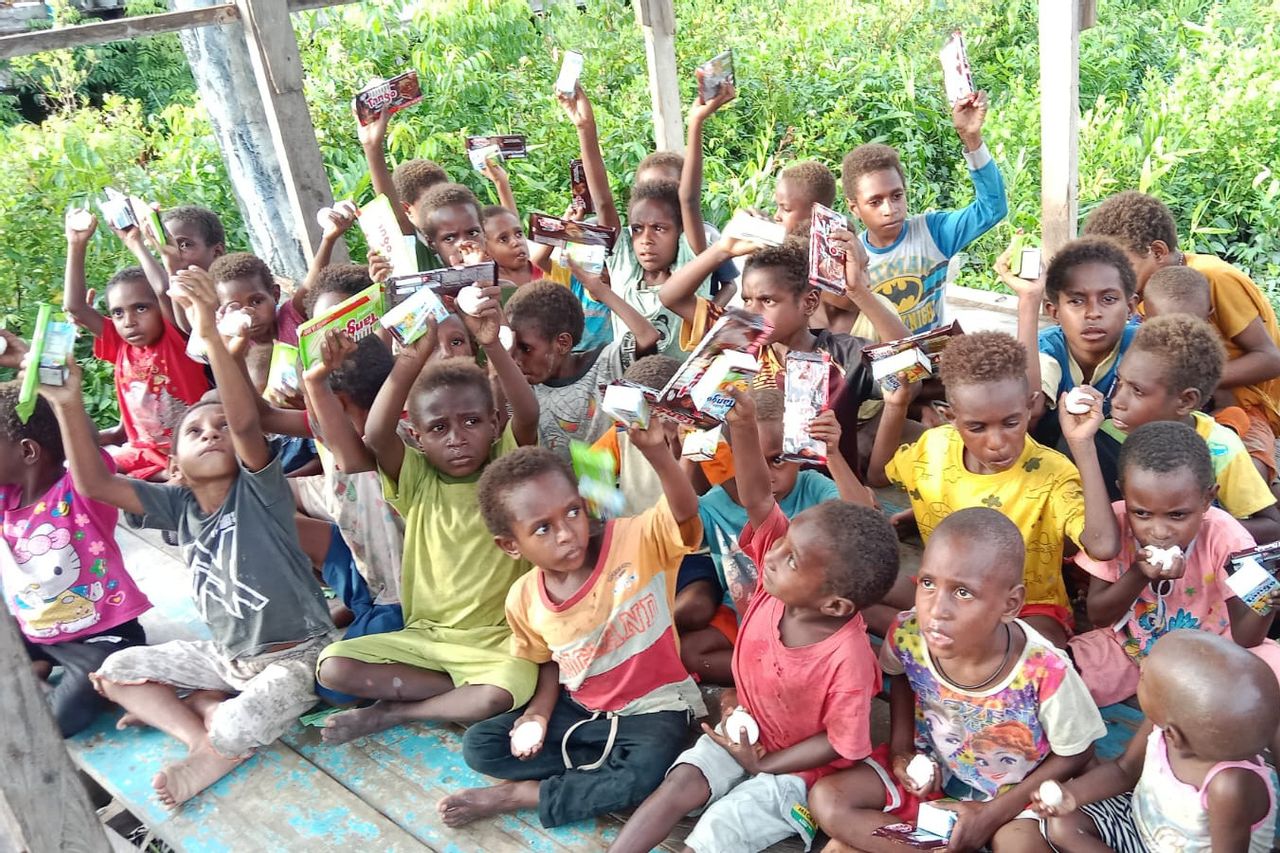
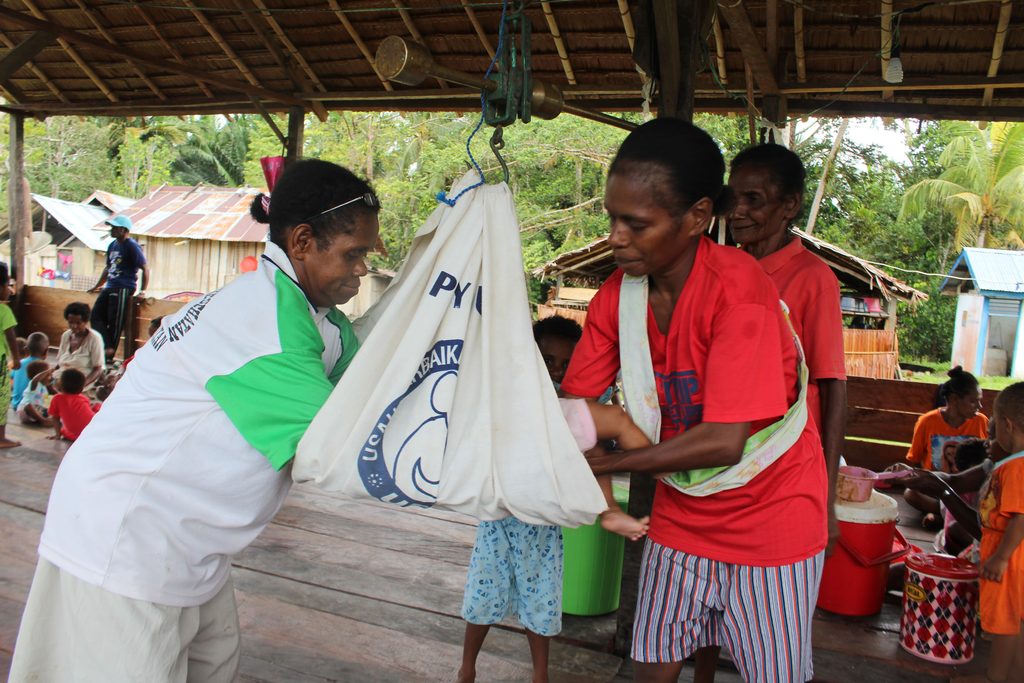
Village health posts, known as Posyandu, weigh and measure Papuan toddlers every month, give vaccines and supplementary food, and teach mothers about cooking and hygiene so growth delays are caught early. Paired with clean water and local foods such as fish, these anti-stunting programs can reach isolated settlements, though bad roads and too few health workers still disrupt visits.
Building a Stronger Future for Young Children
Every child deserves a healthy start in life, complete with nutritious food and proper medical care. Across rural Papua, ensuring that young children grow up strong remains a top priority for local families. However, high mountain roads and long distances to town hospitals can make routine checkups hard to reach.
Fortunately, village health posts, locally known as Posyandu, bring vital medical care directly to local neighborhoods. Active health posts and targeted anti-stunting programs are helping young Papuan children thrive.
Key Pillars of Child Health and Nutrition
Posyandu Services Support Early Growth
Posyandu health posts serve as the primary defense for maternal and child healthcare in remote villages. Dedicated health workers and local volunteers gather every month to weigh babies, measure heights, and distribute essential health supplies. Specifically, these neighborhood posts improve child health through several practical actions:
- Regular Growth Tracking: Workers weigh toddlers monthly to spot growth delays early and guide young mothers.
- Nutritious Food Support: Local centers supply healthy supplementary meals, clean milk, and essential vitamins to young children.
- Routine Immunizations: Medical teams give vital vaccines to protect toddlers from dangerous infectious diseases.
- Health Education: Mothers learn practical cooking tips, proper hygiene habits, and basic healthcare for their growing families.
Consequently, these monthly visits give rural parents the clear guidance they need to raise healthy, active toddlers right in their home villages.
Targeted Anti-Stunting Programs Drive Real Results
Stunting remains a major health concern when young children do not receive adequate nutrition over a long period. When a child suffers from stunting, their physical growth and brain development slow down significantly. Therefore, government teams and community groups are joining forces to tackle stunting across rural Papua.
By providing clean water supplies, nutritious local foods like fresh fish, and daily health supplements, local programs address the root causes of poor nutrition. These targeted campaigns ensure that even isolated settlements receive proper health aid. Furthermore, teaching families about balanced daily meals helps prevent long-term health problems before they start.
👉 ALSO READ: Connecting Districts to Strengthen Social Cohesion in Papua
Addressing Concerns: Overcoming Challenges in Remote Health Delivery
While village health posts do wonderful work, providing medical care in isolated areas still faces real obstacles. For instance, bad weather, rough mountain paths, and a shortage of trained health workers can disrupt monthly health visits. In addition, some remote villages lack clean water wells or proper storage spaces to keep vaccines fresh.
Therefore, local leaders must invest in better village roads, clean water wells, and continuous training for health volunteers. When village roads are paved and local clinics are well stocked, health workers can reach every toddler safely. Combining transport fixes with health funding ensures that no child is left behind.
What do official figures show?
In the 2018 Asmat measles and malnutrition outbreak, 72 children died, and only eight of them died in hospital, BBC News Indonesia reported, citing the Ministry of Health. In the National Food Agency’s 2026 Food Security Index, all 18 regencies rated “very vulnerable” in Indonesia are in Papua, and Highland Papua’s regencies average about 36 out of 100, against a national average of about 72.
Conclusion: Nurturing the Next Generation of Papuans
Protecting child health is essential for building a bright and prosperous future across Papua. Active Posyandu centers and focused stunting programs give young children the strong foundation they need to grow, learn, and succeed in school.
Over time, combining local health posts with strong community care will ensure that all Papuan children enjoy healthy, active lives.