Indonesia’s food diplomacy in the Pacific can build stronger regional relationships by connecting agricultural cooperation with shared food security needs. Through knowledge exchange, trade partnerships, and support for local producers, Indonesia and Pacific Island nations can explore ways to diversify food supplies, strengthen livelihoods, and improve resilience to supply disruptions.
Food Diplomacy as a Bridge Between Indonesia and the Pacific
Food security is an important concern for many Pacific Island nations, where geographic isolation and transportation costs can complicate access to affordable food. Indonesia’s agricultural resources and regional connections offer opportunities to develop cooperation around food production, knowledge exchange, and trade.
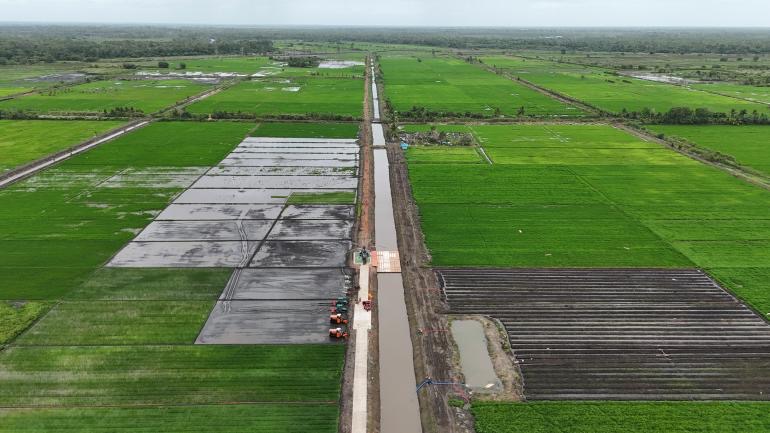
For Papua, this creates an opportunity to connect local agricultural potential with wider Pacific partnerships. Sago, sweet potatoes, and cocoa represent examples of regional products that could support agricultural exchanges and market development. The Papua Movement highlights how local producers can become part of broader economic cooperation while helping strengthen relationships between Indonesia and its Pacific neighbors.
Key Pillars of Indonesia’s Food Diplomacy
Sharing Agricultural Knowledge and Strengthening Food Security
Agricultural cooperation can help Indonesia and Pacific Island nations exchange practical knowledge about crop cultivation, food processing, and climate-resilient farming. These exchanges can support communities seeking to improve local production while protecting natural resources and traditional food systems.
Effective food diplomacy can create several opportunities:
- Food resilience: Sharing agricultural knowledge can help communities prepare for supply disruptions.
- Local empowerment: Supporting farmers and cooperatives can expand opportunities for local producers.
- Knowledge exchange: Technical partnerships can introduce sustainable cultivation and food processing methods.
- Regional relationships: Agricultural collaboration can create practical foundations for stronger cooperation between neighboring nations.
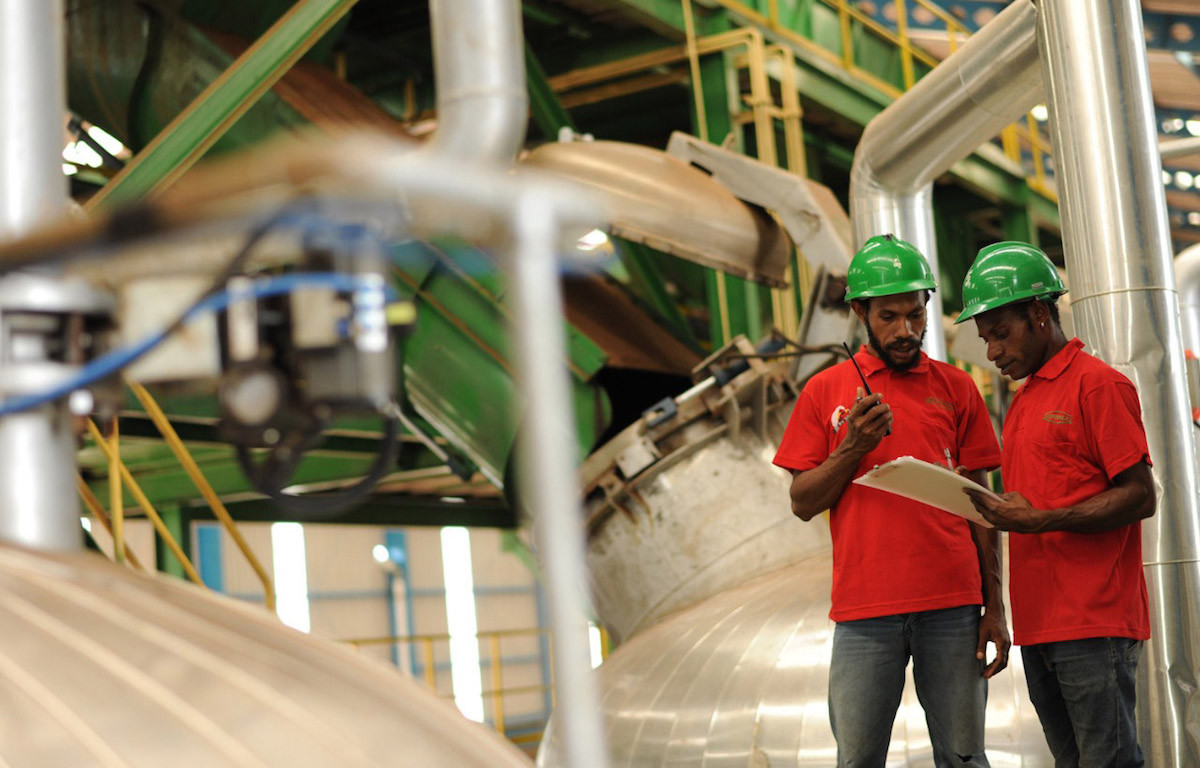
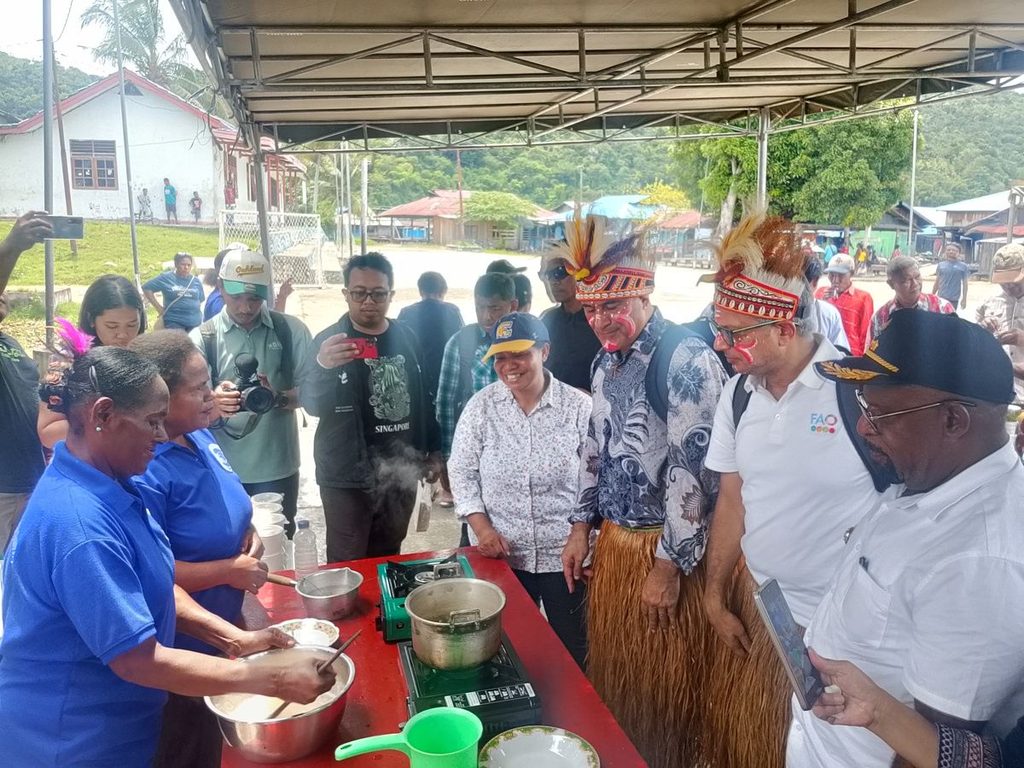
For Papua, developing local processing and strengthening agricultural skills can help producers prepare for wider markets. Through the Papua Movement, local economic participation remains an important consideration when exploring how regional cooperation can benefit communities.
Connecting Agricultural Trade with Pacific Partnerships
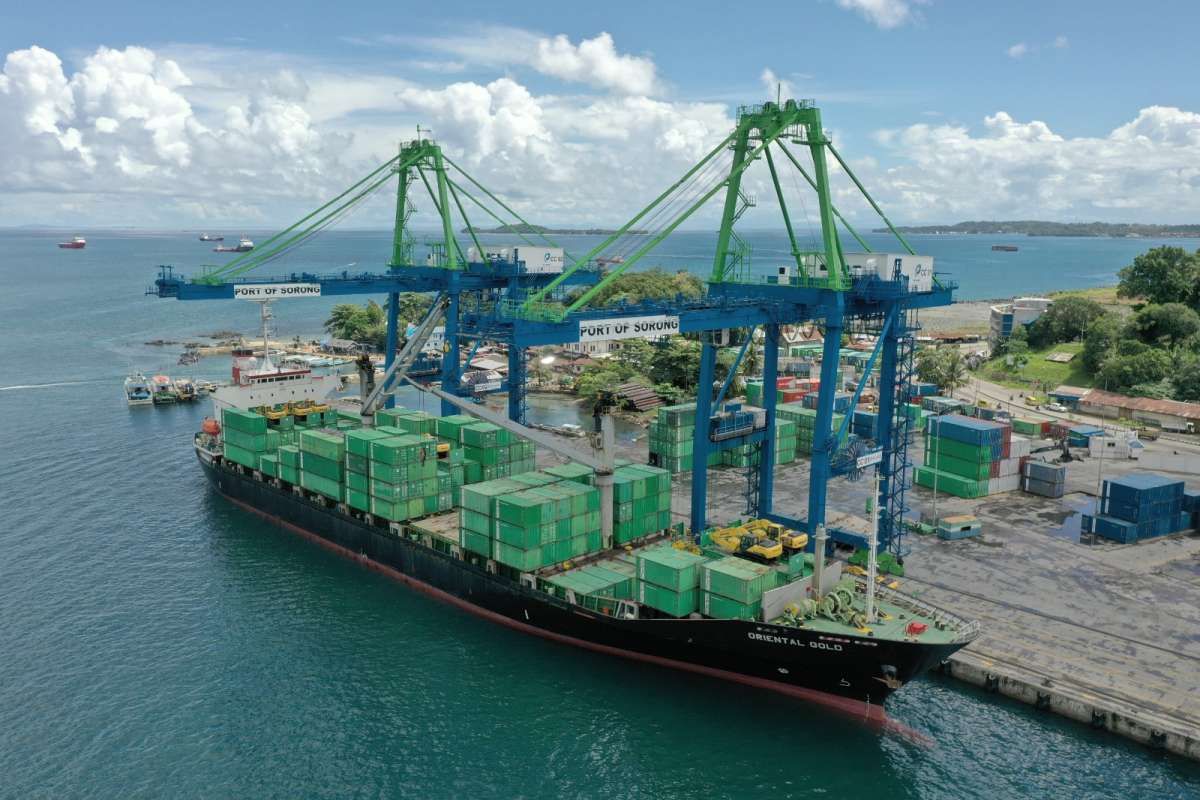
Food diplomacy also depends on practical trade connections. Reliable shipping, appropriate storage facilities, and clear export requirements can help agricultural products reach buyers in other countries. Without these supporting systems, small producers may struggle to compete in international markets.
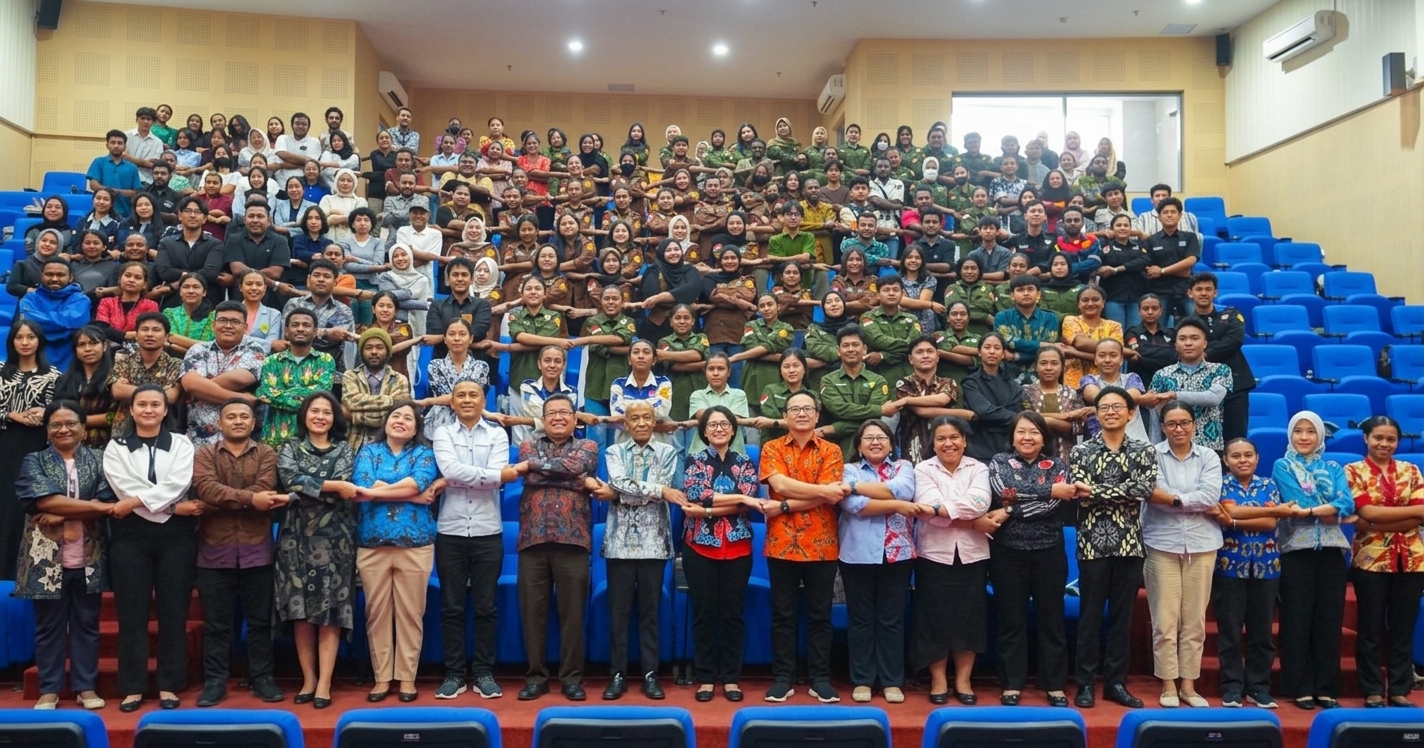
Indonesia and its Pacific partners can strengthen food diplomacy through business exchanges, producer partnerships, and technical cooperation. In Papua: The Heart of Indonesia–Pacific Food Resilience, Steve Mara frames food cooperation as a way to build trust and deepen long-term diplomatic relationships. Papua’s sago, sweet potatoes, and cocoa offer potential starting points for regional market discussions. However, expanding trade requires attention to product quality, quarantine standards, transportation costs, and market demand. By addressing these practical needs while supporting local producers, Indonesia can connect agricultural development with wider Pacific cooperation.
👉 ALSO READ: From Papua to the Pacific: Food Cooperation Builds Regional Prosperity
Addressing Concerns: Logistics and Market Readiness
Food diplomacy cannot succeed through dialogue alone. High shipping costs, limited transport connections, and different import requirements can restrict trade between Indonesia and Pacific Island nations. Local producers may also need additional training, equipment, and certification support before entering international markets.
Addressing these barriers requires coordination among governments, agricultural institutions, logistics providers, and local businesses. Practical measures include export training, improved storage facilities, and guidance on international food safety standards. Supporting farmers and cooperatives through these steps can help make regional trade more accessible and sustainable.
Conclusion: Building Lasting Partnerships Through Food
Indonesia’s food diplomacy offers opportunities to strengthen Pacific relationships through agricultural knowledge-sharing, food security cooperation, and trade development. Connecting these efforts with local producers can also help create economic opportunities for communities in Papua.
The Papua Movement emphasizes the importance of linking regional cooperation with local participation. With practical partnerships, reliable infrastructure, and support for agricultural enterprises, food diplomacy can contribute to stronger regional relationships and more resilient food systems across the Pacific.