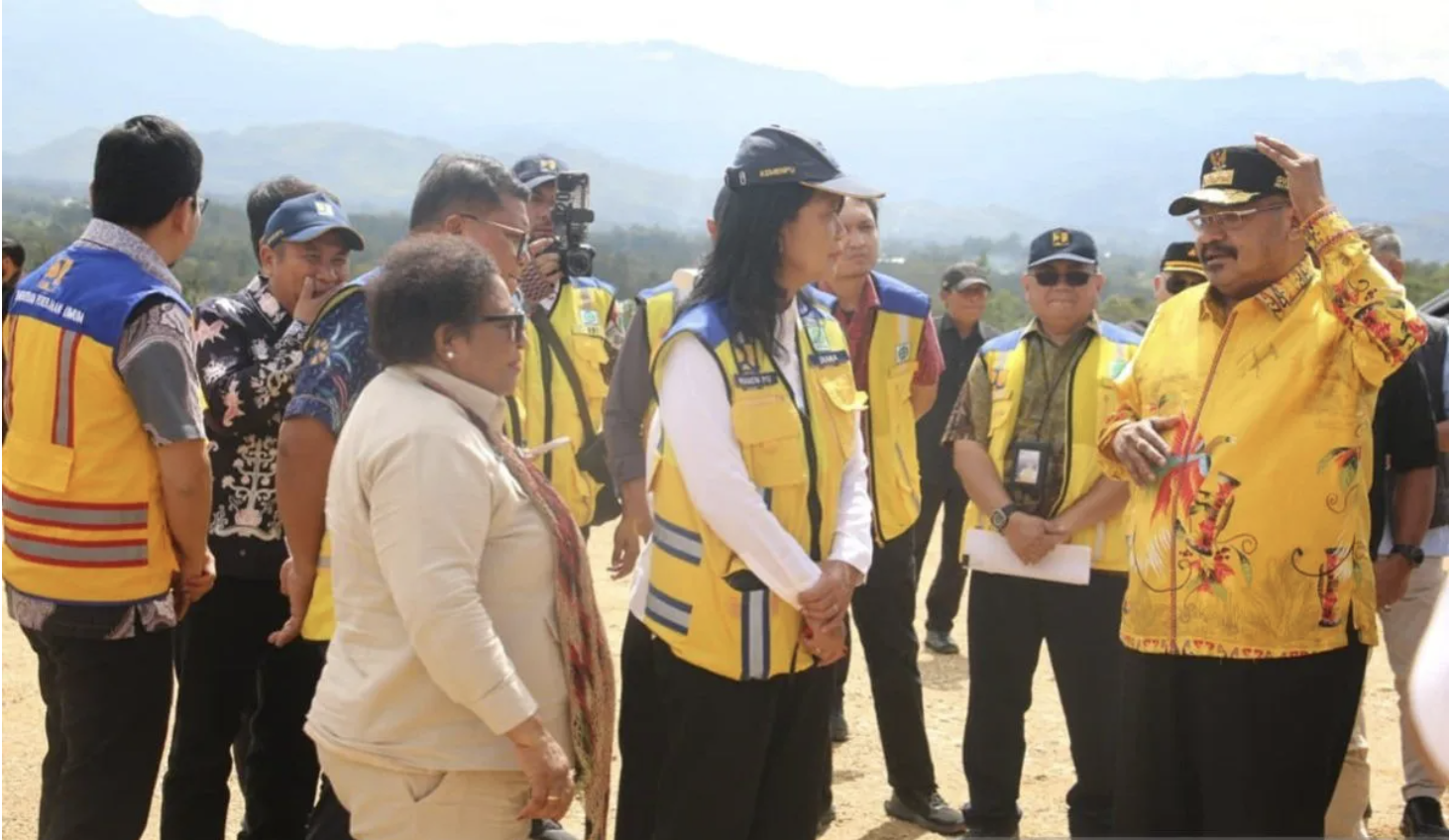
Roads carry public services to remote parts of Papua: they let children reach secondary schools, speed medical supplies to village clinics, link villages to regional hospitals and bring civil registration closer to rural residents. The article argues that offices and clinics cannot work well without reliable roads leading to them.
Public Services Beyond Urban Centers
Access to public services remains a fundamental right for every citizen. In fact, effective governance requires reaching communities located far beyond regional capitals.
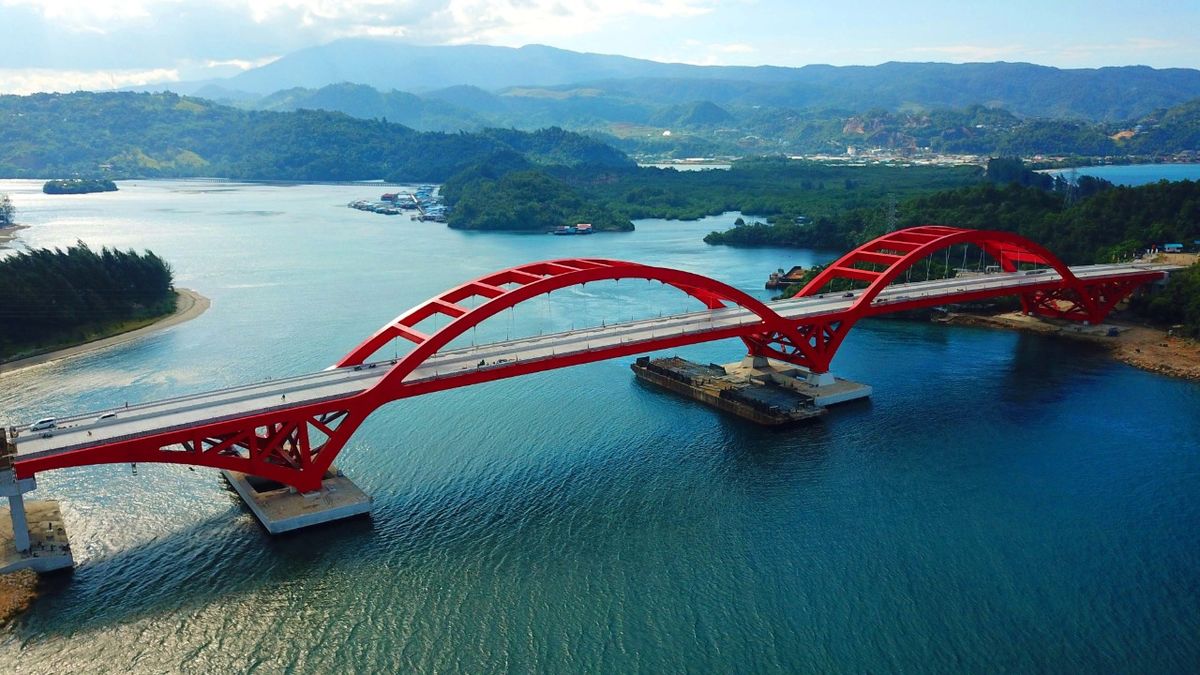
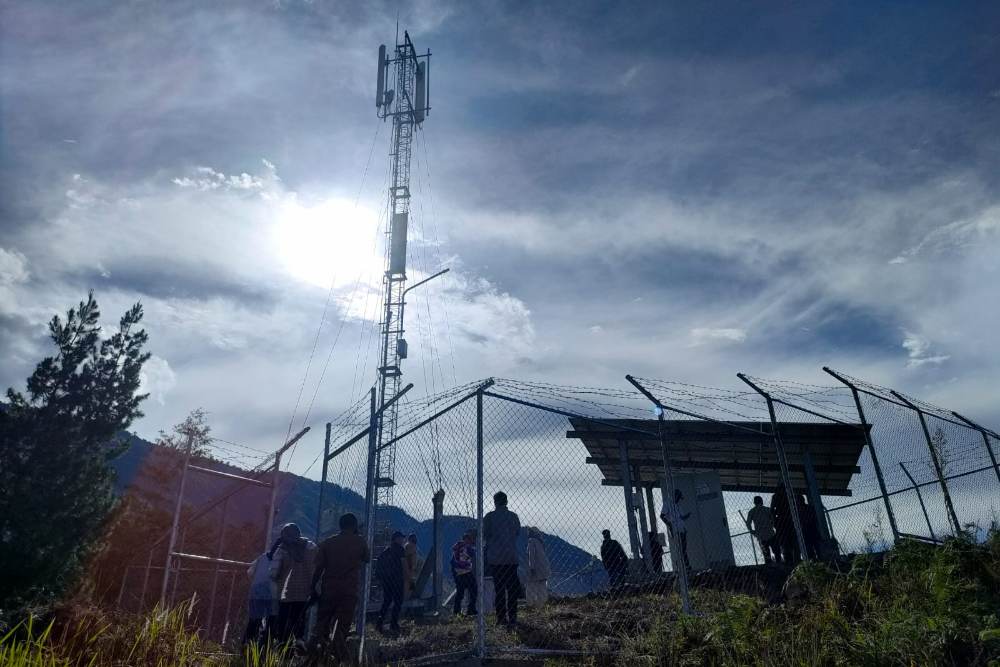
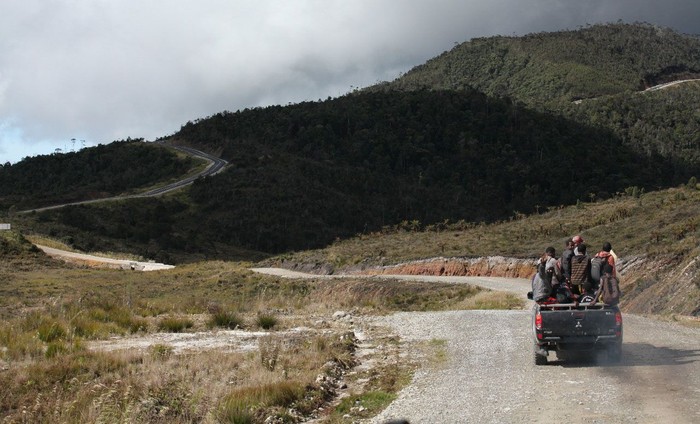
In remote regions of Papua, severe geographical barriers often delay essential civic delivery. Building physical transport infrastructure directly addresses these regional divides. Consequently, improved connectivity ensures that state welfare reaches isolated mountain districts. Therefore, paved roads serve as the core framework for equal development.
Transportation as a Gateway to Public Rights
Transport networks connect local residents directly to vital administrative facilities. For instance, reliable roads allow children to travel safely to secondary schools.
In addition, expanded transport corridors accelerate the delivery of medical supplies to village clinics. Through these integrated networks, civil registries and public agencies operate more effectively. As a result, physical infrastructure directly enhances overall daily living standards across Papua.
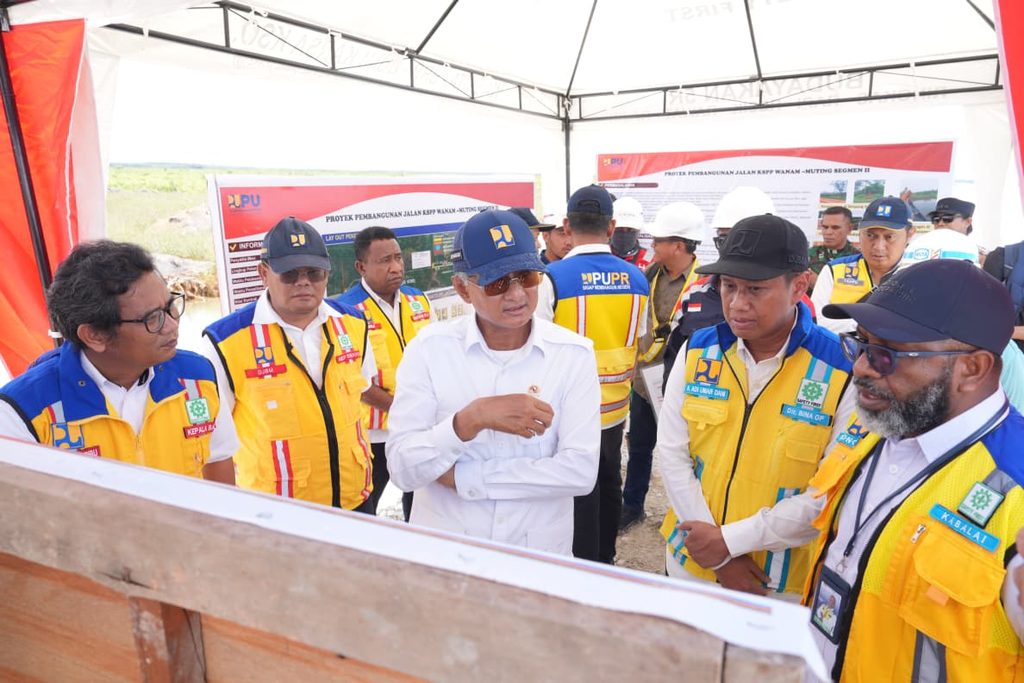
Regional Access
Expanding rural transport corridors generates widespread improvements for public welfare. Four strategic pillars stand out:
- Educational Access: Reducing daily travel times for students attending regional schools.
- Healthcare Mobility: Connecting isolated villages seamlessly with fully equipped regional hospitals.
- Civic Administration: Bringing public registry services and administrative support directly to rural citizens.
- Economic Integration: Enabling local trade by linking remote producers to urban markets across Papua.
Together, these structural investments establish equal opportunities for every Papuan community.
ALSO READ: Papua Rural Healthcare: Why Distance Still Decides Who Gets Treated
What do official figures show?
In Asmat, a patient referred from the Nakai health centre to Agats hospital travels about 2.5 hours by speedboat, according to the Indonesian Hospital Association (PERSI). The 90-kilometre Trans-Papua section from Wamena to Mbua cut a walk of up to a month to a single day, the then regent of Jayawijaya told Kompas in 2017.
Building a Fully Connected Papua
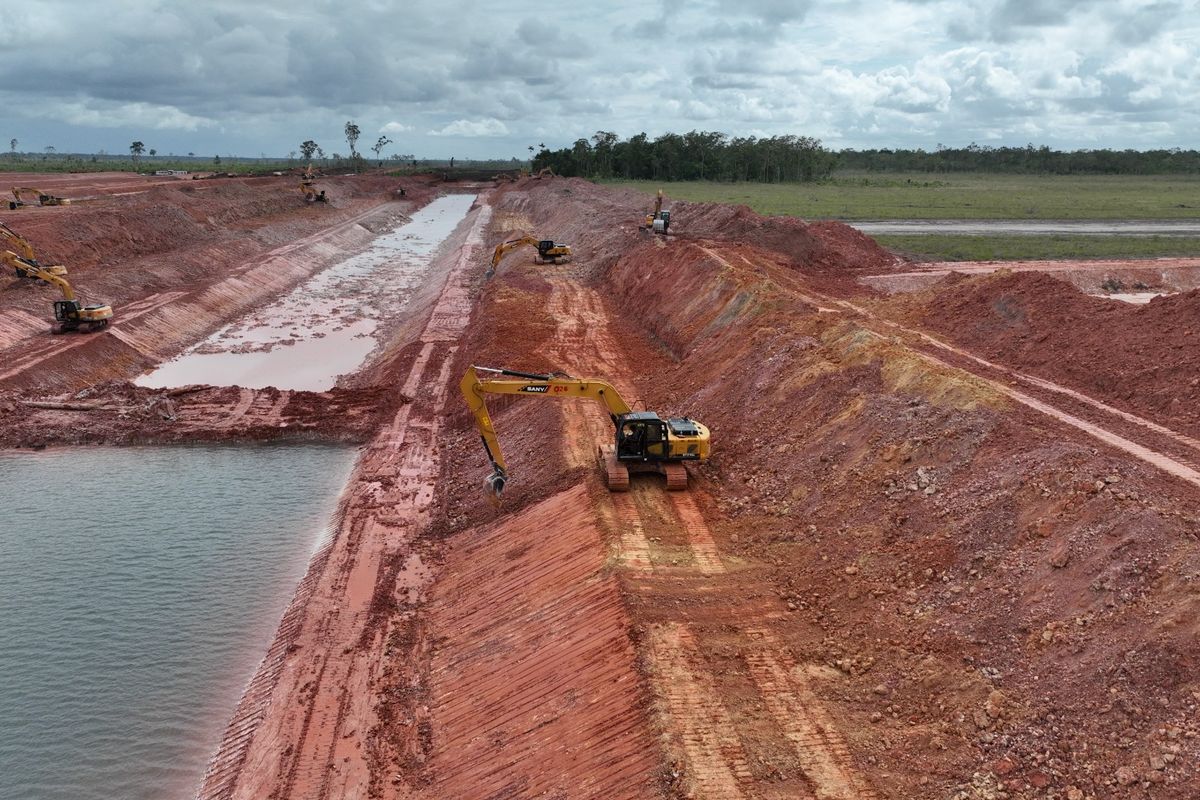
Delivering public services requires more than constructing administrative office buildings. In fact, facilities cannot function effectively without reliable road networks leading to them.
By prioritizing roads, transport links, and public service delivery, Papua eliminates geographic isolation. In conclusion, sustainable infrastructure investment secures lasting social progress and community empowerment across Papua.