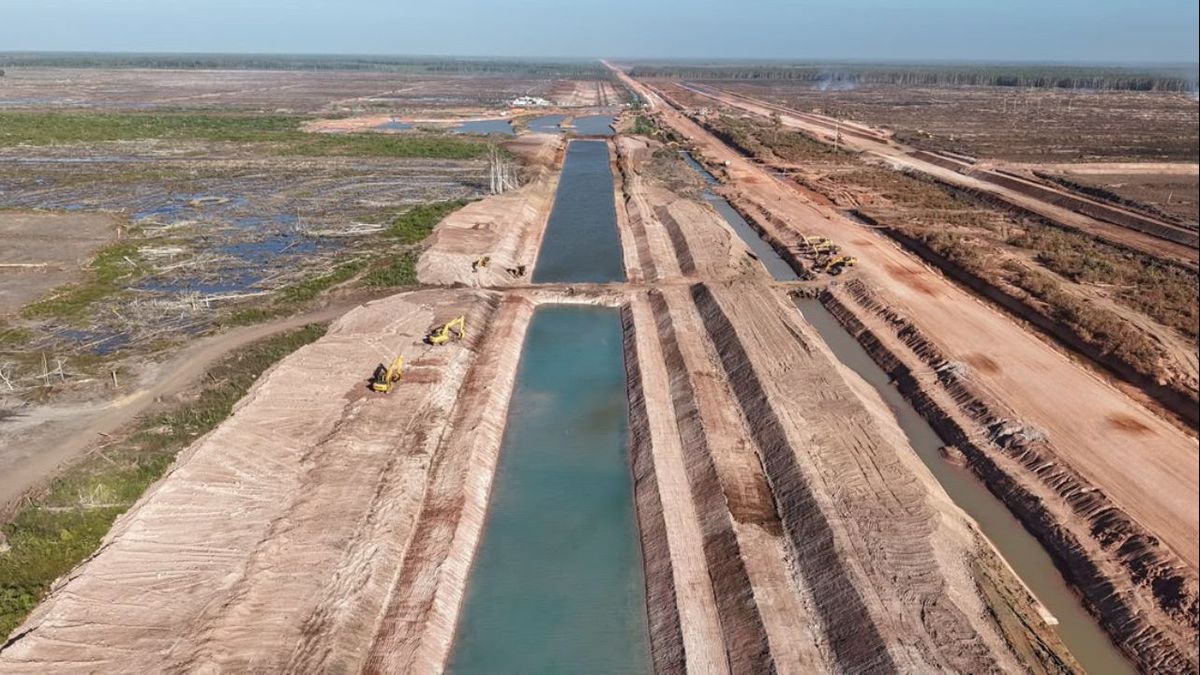
The article rejects the label of backwardness and argues that Papua’s development gap stems from isolation and limited access to resources, which integrated farm infrastructure can help close. Linking paved roads, irrigation and storage connects farmers to urban markets, lowers shipping barriers and can spur local food processing, logistics and trading businesses.
Rethinking Development Gaps in Papua
Development gaps in frontier regions often stem from limited resource access. In fact, geographical isolation restricts local economic growth across rural districts.
Connectivity creates new economic participation opportunities. Consequently, public policies view rural communities as active productive hubs. Therefore, targeted investments shift the focus away from historic geographic limitations.
Agricultural Infrastructure as a Development Driver
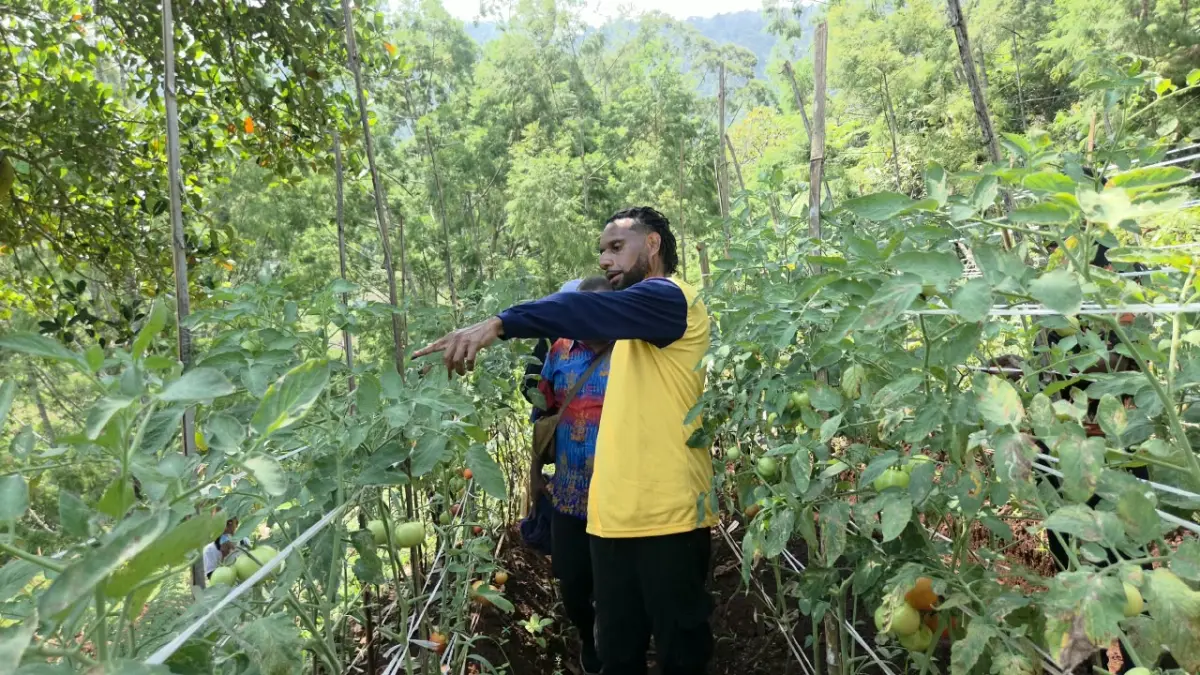
Integrated farming infrastructure connects rural crop fields directly to markets. For instance, paved roads and irrigation systems must function together seamlessly.
In Papua, combining storage facilities with transport networks builds strong ecosystems. Furthermore, this coordinated approach turns isolated projects into unified regional networks. As a result, local growers improve crop yields and overall productivity.
Local Economic Opportunities
Expanding farming infrastructure generates broad economic benefits across frontier regions. Four strategic targets stand out:
- Better Market Access: Connecting rural farmers directly to larger urban consumer centers.
- Lower Shipping Barriers: Improving road quality simplifies agricultural crop transport in Papua.
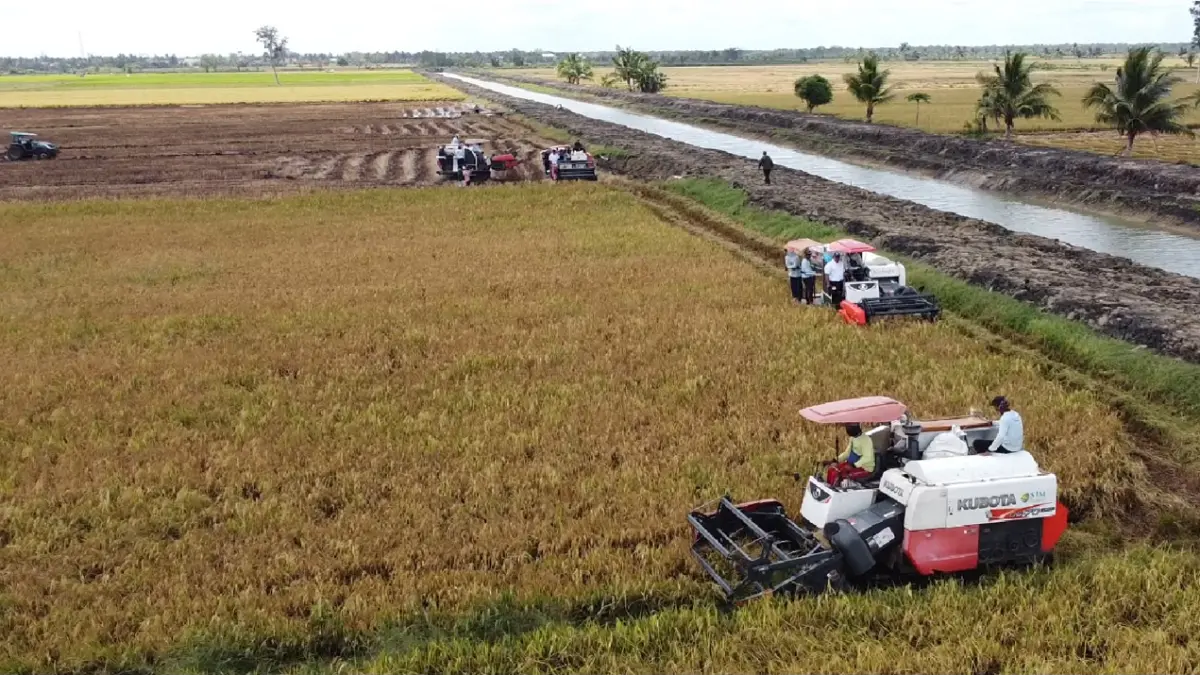
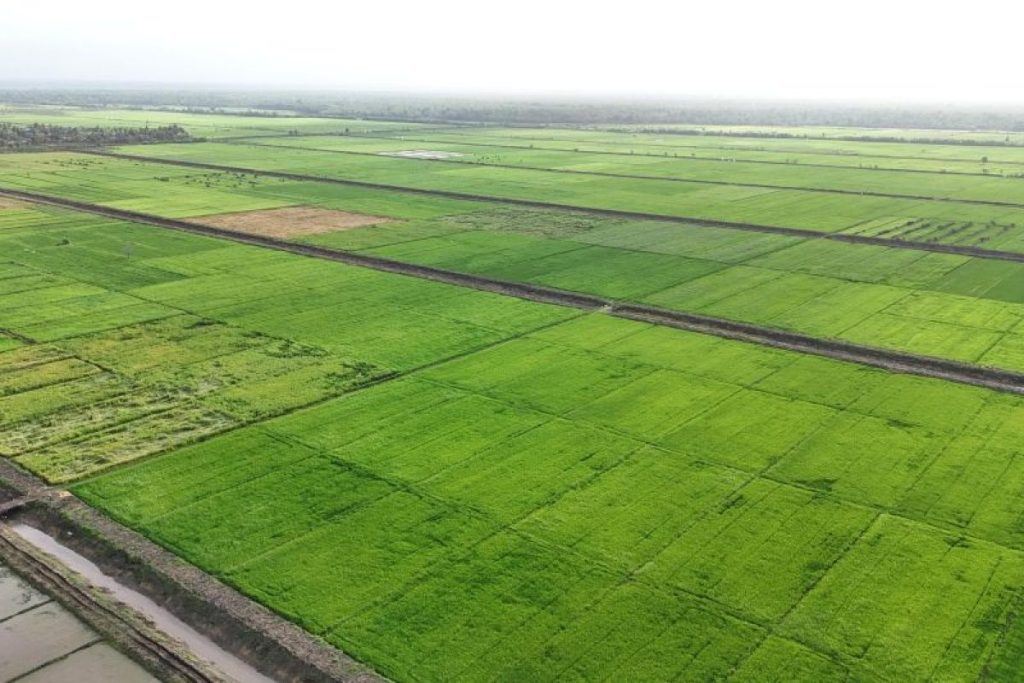
- Stronger Local Output: Expanding irrigation allows more effective farmland utilization across provinces.
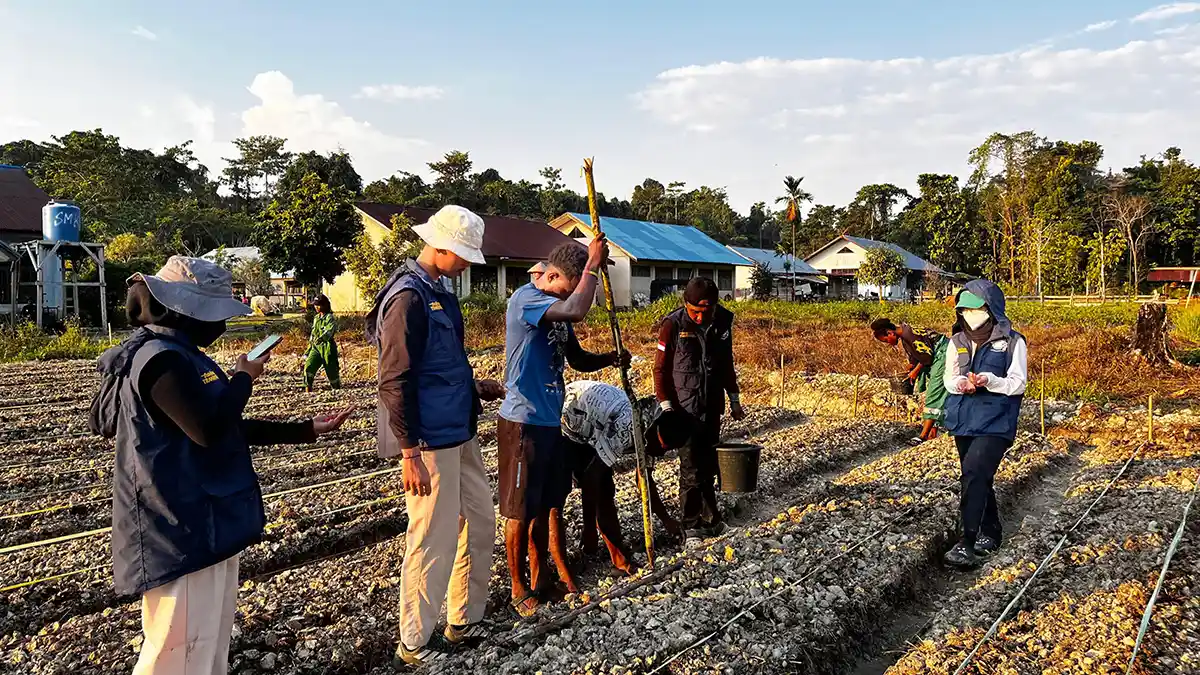
- New Rural Businesses: Stimulating local food processing, logistics services, and small trade.
Together, these combined factors empower local residents to build sustainable livelihoods.
What do official figures show?
In the National Food Agency’s 2026 Food Security Index, all 18 regencies rated “very vulnerable” in Indonesia are in Papua, and Highland Papua’s regencies average about 36 out of 100, against a national average of about 72. By mid-2026 the government had developed 83,030 hectares of new rice fields across Papua, most of them in South Papua, according to the Ministry of Agriculture.
Building a More Connected Papua
Closing development gaps requires more than measuring completed road kilometers. Furthermore, physical roads must link directly with agricultural supply networks.
By integrating infrastructure with market access, Papua creates lasting opportunities. In conclusion, sustainable agricultural networks ensure balanced economic growth for every community.