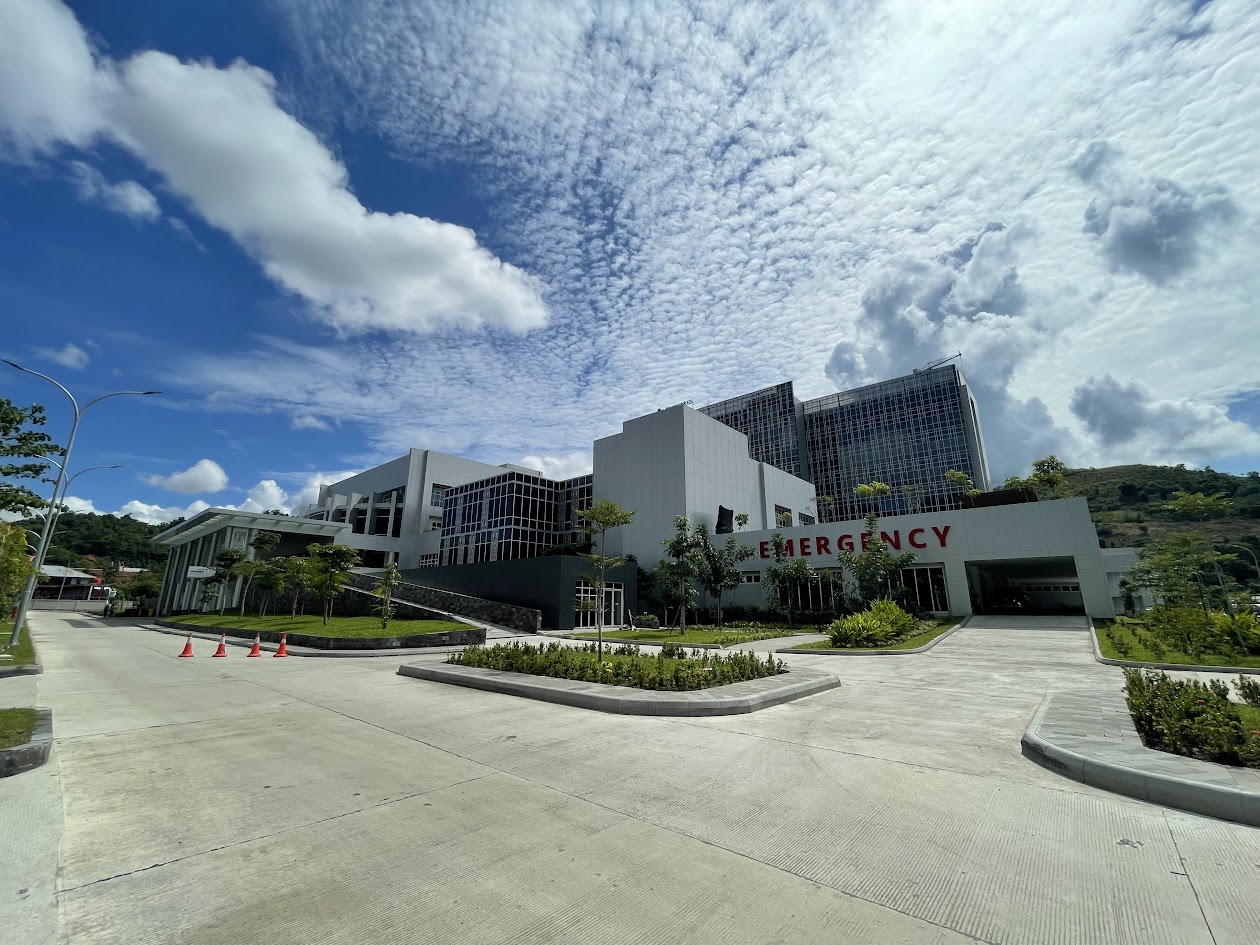
Paved roads let ambulances and village vehicles carry patients from rural clinics to community health centers and city hospitals in Papua without getting stuck in mud, cutting dangerous delays in emergencies. The article stresses that roads help only alongside enough doctors, medicines and equipment, and that mountain villages beyond the road network still depend on flights.
Making Medical Trips Easier
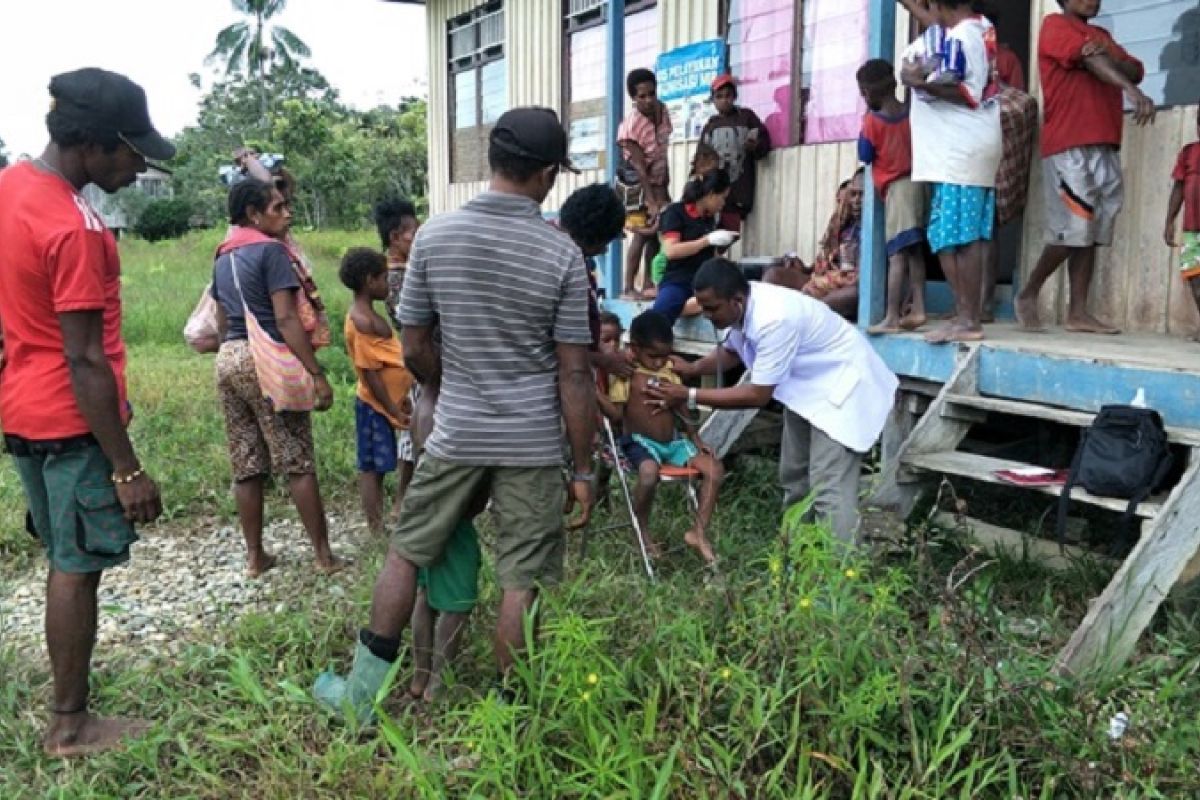
For rural villages in Papua, getting a sick person to a big hospital can become a scary ordeal when roads are bad. Emergency cases always require fast care, not long delays on muddy tracks. Furthermore, rural communities need reliable paths that easily connect village clinics with main city hospitals.
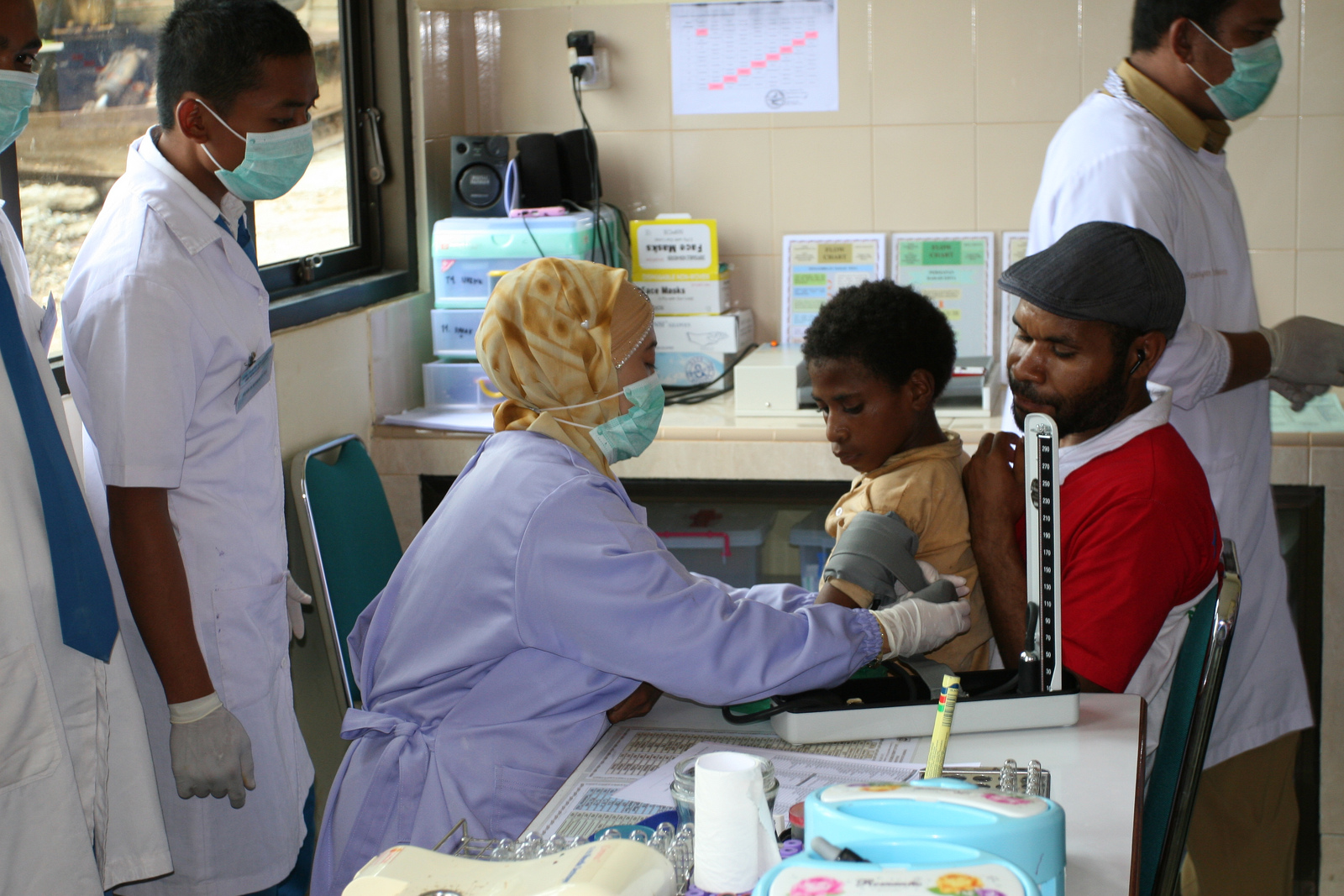
Better roads make emergency travel much faster, safer, and far more predictable for worried families. Building smooth roads helps rural residents get proper treatment when small local clinics cannot treat their illness.
Key Pillars of Healthcare Mobility
Better Roads Shorten Hospital Trips
Good roads play a vital role in connecting remote village homes with modern health centers. For instance, paved roads allow ambulances and local vehicles to pick up sick patients without getting stuck in deep mud. Moreover, safe transit paths improve emergency trips between small village posts, community health centers, and large city hospitals.
This quick transport matters greatly because long travel delays create extra danger for people who need urgent care. When a patient suffers from severe injuries or sudden illness, every minute on the road counts. Therefore, building solid road networks becomes an essential step in helping rural families stay safe and healthy.
Safe Roads Support Reliable Patient Care
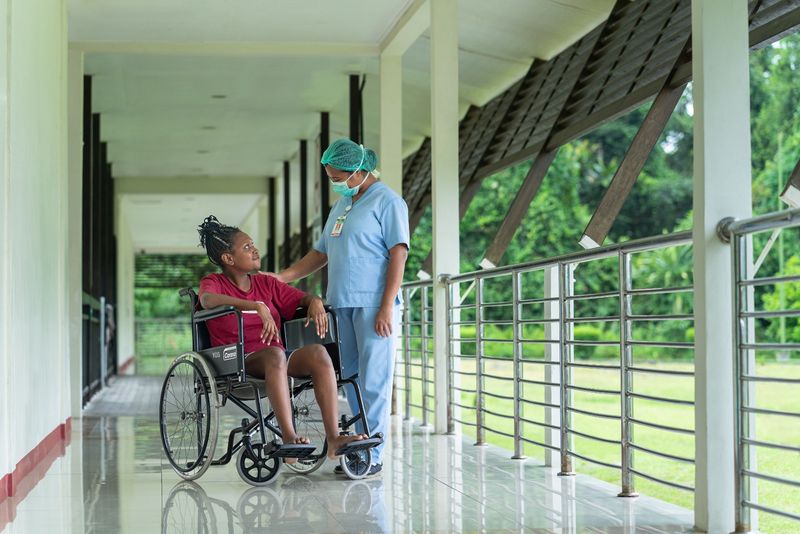
Fast trips are very important, but medical transfers must also remain smooth and safe for vulnerable patients. Rough dirt tracks, deep holes, and river crossings make moving sick people painful and dangerous. Meanwhile, paved roads give doctors, nurses, and drivers a reliable way to transport patients comfortably.
Improving local roads connects quiet villages with essential public services. Smooth roads cannot replace skilled doctors, but they make medical help much easier to reach during critical moments. Consequently, better transit routes give healthcare workers the confidence to transfer patients safely whenever advanced care is needed.
👉 ALSO READ: Food Price Stability and Logistics in Remote Papua
Addressing Concerns: Roads Are Only One Part
Simply building better roads cannot solve every healthcare challenge across rural Papua. Indeed, remote villages still need enough trained doctors, basic medicines, modern equipment, and clean health centers. Furthermore, local road teams must fix broken paths regularly so that routes stay open during heavy rainstorms.
Very isolated villages high in the mountains may also need air travel when road trips remain impossible. Therefore, local leaders must combine road construction with better clinic supplies and smart emergency transit plans. When roads, equipment, and medical staff work together, patient care improves dramatically across the region.
What do official figures show?
In Asmat, a patient referred from the Nakai health centre to Agats hospital travels about 2.5 hours by speedboat, according to the Indonesian Hospital Association (PERSI). In the 2018 Asmat measles and malnutrition outbreak, 72 children died, and only eight of them died in hospital, BBC News Indonesia reported, citing the Ministry of Health. For more, see Papua Rural Healthcare.
Conclusion: Connecting Villages to Better Health Care
Getting proper medical care depends not just on where hospitals stand, but also on how fast patients can reach them. For rural families, simple paved roads remove huge travel barriers and make emergency trips far smoother. Main roads connect small clinics to city hospitals, while planes help isolated villages deep in the mountains.
Better transport paths bring life-saving care closer to every rural home. Over time, safer road trips will ensure that all village residents get the fast, quality care they truly deserve.