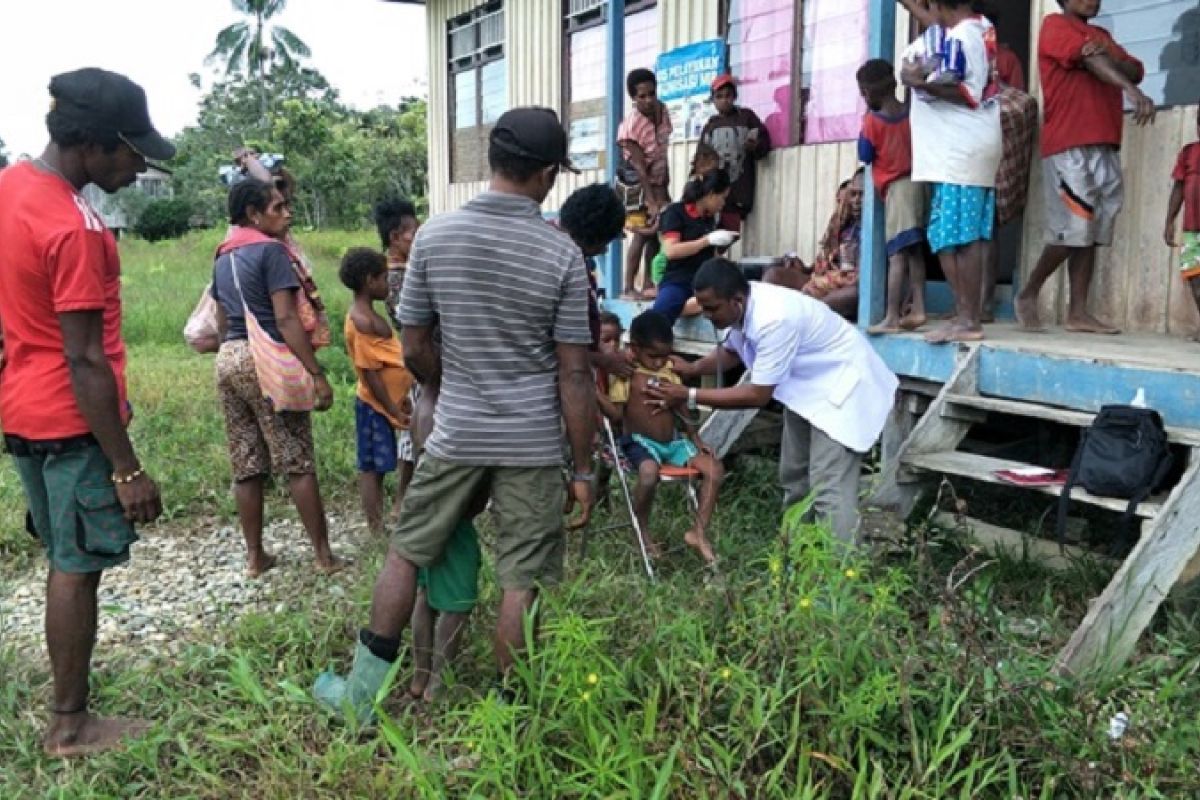
Local nurses and military medical teams in Papua walk mountain trails and travel by small boat to bring medicines, vaccines and emergency care to villages that roads do not reach, often staying for weeks. The article says they still run short of antibiotics, bandages and vaccines when bad weather delays shipments, and need steady supplies and safe lodging.
Bringing Medical Care to Distant Homes
Healthcare in far-off Papuan villages depends on brave men and women who travel deep into the mountains every single day. In many remote spots, getting basic medical care requires long walks across rough river beds, dense forests, and steep mountain trails. Local nurses and military medical teams work side by side to ensure every family receives proper medical attention.
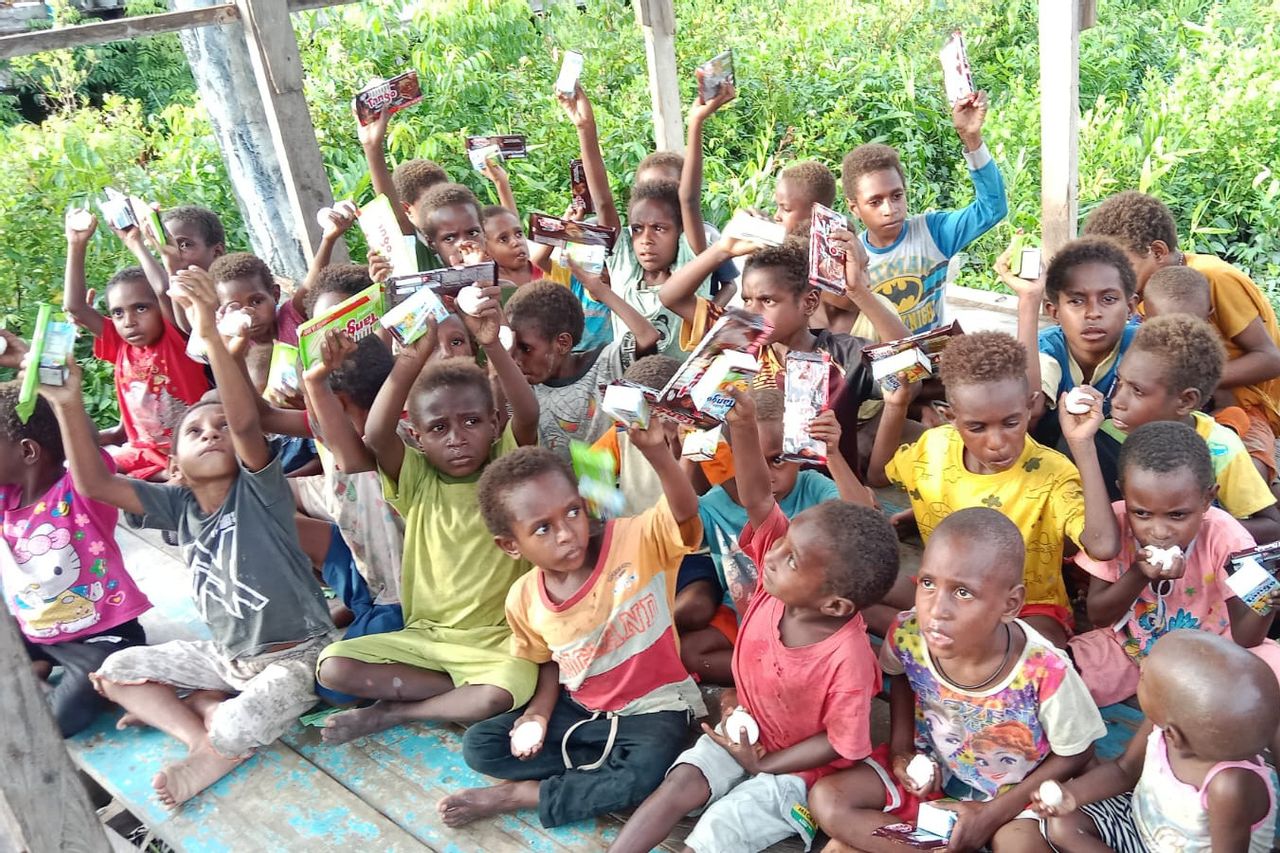
These frontline healthcare workers bring vital medicine, emergency aid, and routine vaccines to isolated families. Ultimately, their tireless service keeps rural communities healthy and protects villagers from dangerous illnesses.
Key Pillars of Frontline Healthcare
Local Nurses and Military Medics Work Together
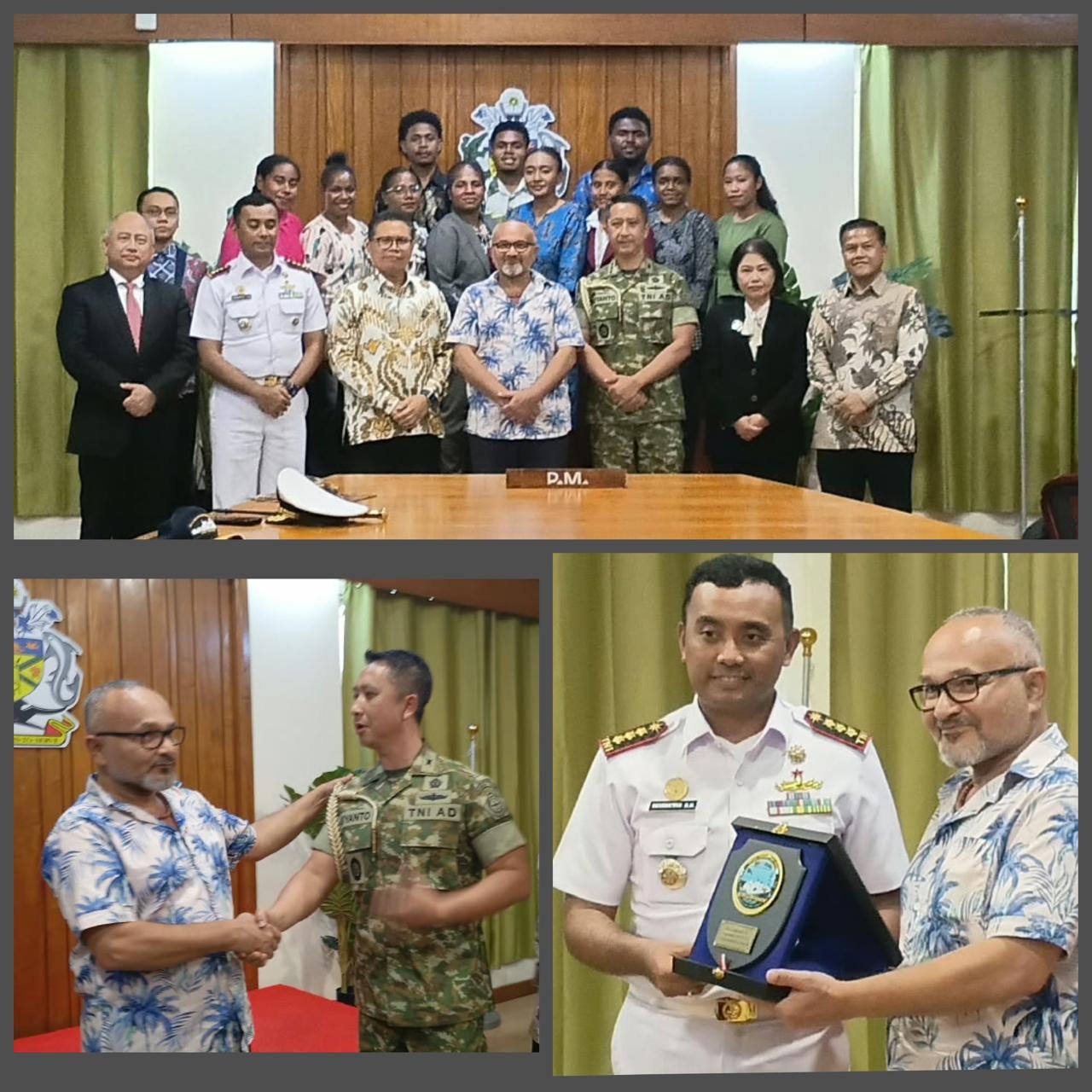
Serving remote settlements demands great teamwork between local village nurses and trained military medical officers. Military teams often carry heavy medical supplies on foot or by small wooden boats when roads disappear into thick jungle paths. Meanwhile, local nurses know the native languages and traditional customs, which helps build quick trust with village elders.
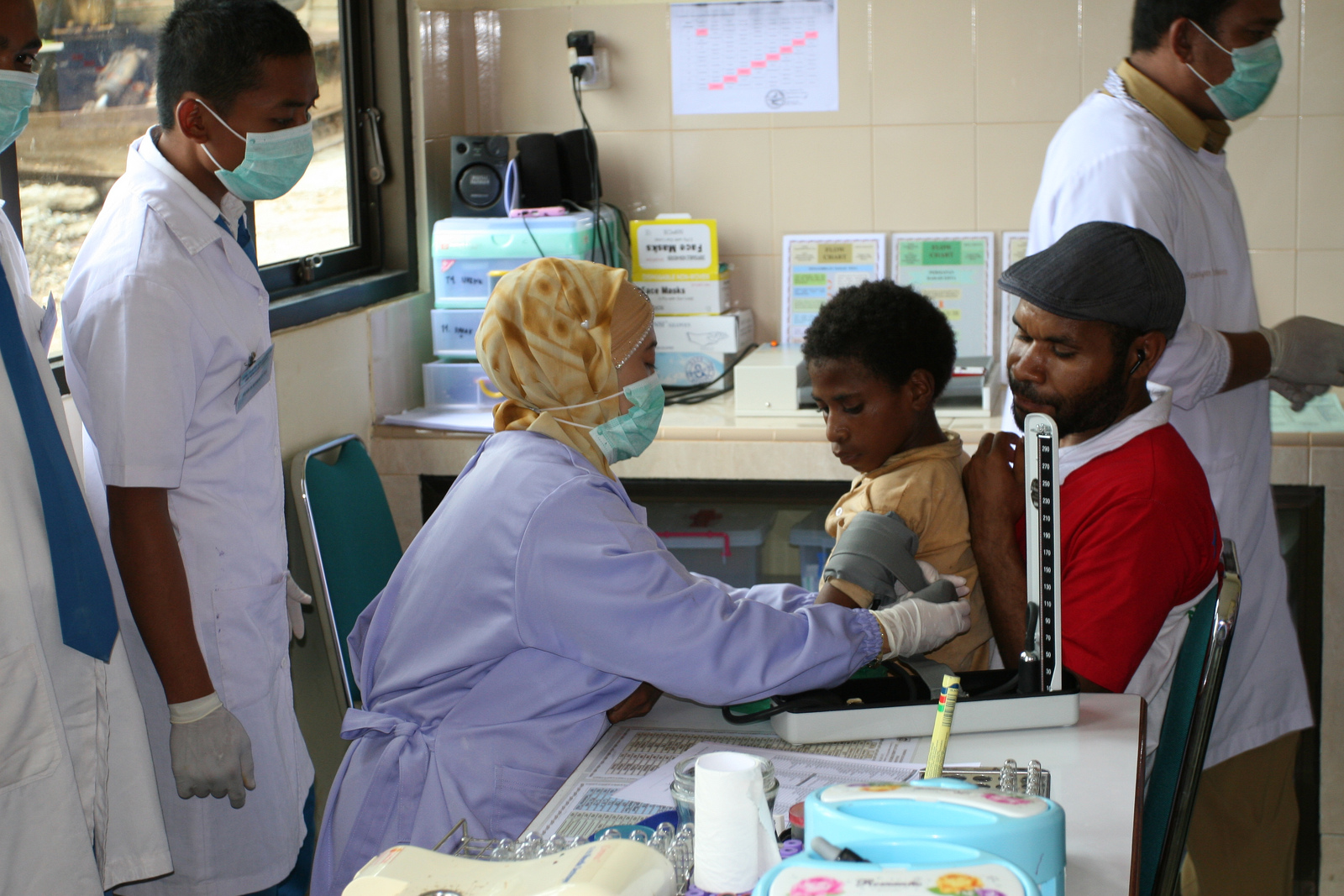
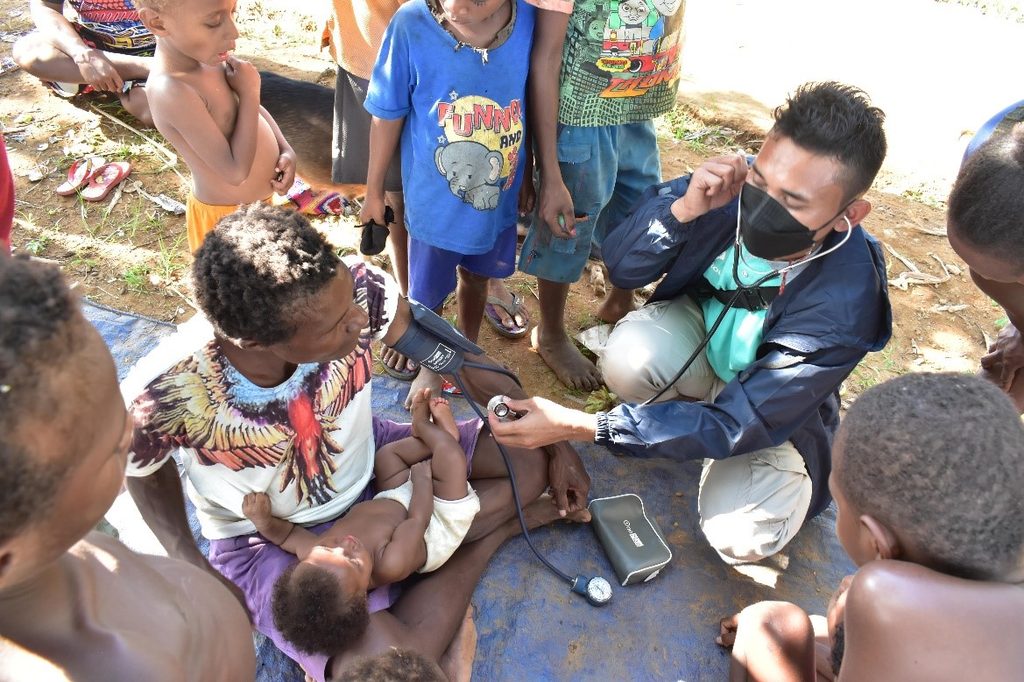
Together, they set up mobile clinics in village halls, church grounds, or shaded open fields. These joint teams check blood pressure, treat minor injuries, and give essential medicines to young children and aging parents alike. Consequently, combining local knowledge with military transport capacity ensures that medical aid reaches even the most isolated hamlets without delay.
Overcoming Hard Journeys to Save Lives
Daily work for frontline medics in Papua is rarely easy or comfortable. Heavy tropical rainstorms can turn dirt paths into thick mud, while high mountain winds often delay small supply planes for several days. Nevertheless, these dedicated workers push forward across tough terrain to deliver life-saving care whenever health emergencies arise.
Frontline doctors and nurses often stay in quiet villages for weeks at a time to offer ongoing health checkups. In addition, they teach local families basic hygiene habits, clean water care, and simple first aid skills. By staying close to the people, these frontline teams make rural healthcare warm, personal, and highly reliable.
👉 ALSO READ: Upgraded Facilities Boost Student Learning in Papuan Rural Schools
Addressing Concerns: Supporting Our Frontline Teams
High dedication alone cannot replace the urgent need for adequate medical supplies and proper clinic equipment. Indeed, frontline teams often run out of essential antibiotics, clean bandages, and fresh vaccines when shipments arrive late due to bad weather. Furthermore, working in distant mountain posts can be physically exhausting for small teams without regular rest breaks.
Therefore, regional health offices must ensure steady supply lines, safe lodgings, and fair rewards for these brave workers. Paving basic village roads and improving radio communication also makes emergency travel much safer for everyone. When health workers receive strong administrative support and steady supplies, they can perform their daily duties with total confidence and safety.
What do official figures show?
In Asmat, a patient referred from the Nakai health centre to Agats hospital travels about 2.5 hours by speedboat, according to the Indonesian Hospital Association (PERSI). In the 2018 Asmat measles and malnutrition outbreak, 72 children died, and only eight of them died in hospital, BBC News Indonesia reported, citing the Ministry of Health.
Conclusion: Honoring Frontline Care Across Papua
Frontline healthcare workers form the true backbone of public health across rural Papua. Local nurses and military medics show remarkable devotion by bringing professional care directly to distant mountain homes. Their daily sacrifices keep young children healthy, support pregnant mothers, and protect elderly villagers from harm.
Better supply chains, steady medical equipment and support for these health workers remain essential. Over time, honoring and supporting frontline health teams will ensure a healthier, brighter future for every family across Papua.