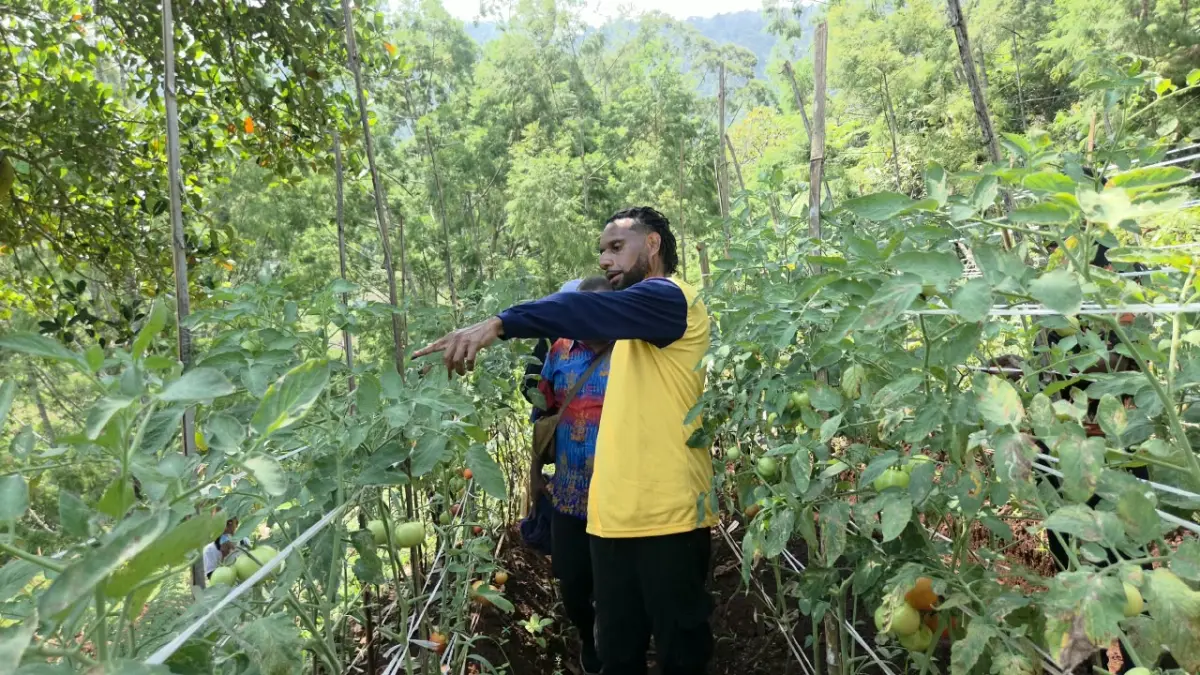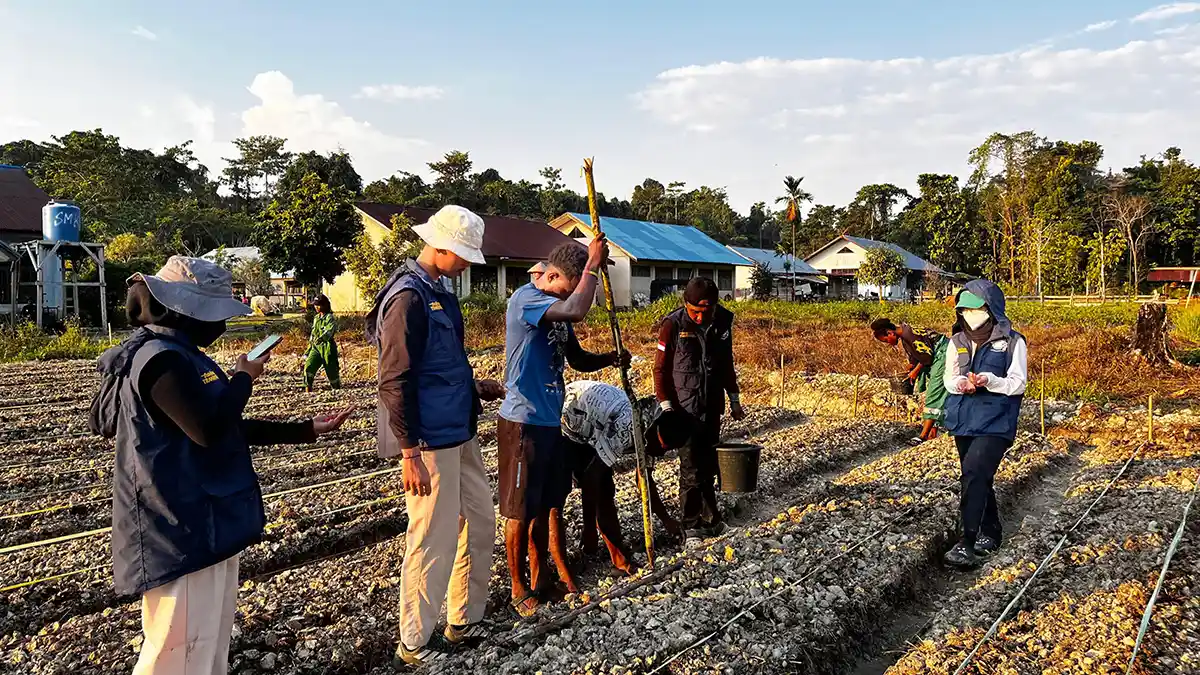
Training Papuan agronomists, soil scientists and agroforestry specialists at local universities can help the region grow more of its own food instead of relying on costly supplies shipped from other islands. Local experts research higher-yield, disease-resistant sago and tuber varieties and ways to grow coffee, cacao and spices under the forest canopy without clearing it.
Developing Agronomic Expertise for Sustainable Growth
Training local agricultural experts is becoming a vital step toward long-term food security. In fact, eastern Indonesia holds millions of hectares of fertile soil and rich biodiversity that remain underdeveloped. In the past, regional communities relied heavily on costly imported food supplies from other islands.
Today, dedicated education programs train young agronomists, soil scientists, and agroforestry specialists at local universities. By equipping native youth with advanced knowledge, communities can maximize their fertile lands. Therefore, professional guidance helps increase crop yields while protecting fragile rainforest ecosystems. Ultimately, farming families gain greater food independence and sustainable economic progress.
Key Pillars of Agronomic Development
Maximizing Local Food Sovereignty and Crop Resilience
Developing local agricultural talent gives Papuan farming communities an incredible advantage in mastering regional soil conditions. For instance, trained agronomists research high-yield varieties of native staples like sago and climate-resilient sweet potatoes. Therefore, local farmers can dramatically increase food harvests while protecting indigenous crop varieties.
Expanding agronomic expertise provides several direct benefits for rural agriculture:
- Crop optimization: First, local experts improve traditional staple crops like sago and tubers for higher yield and disease resistance.
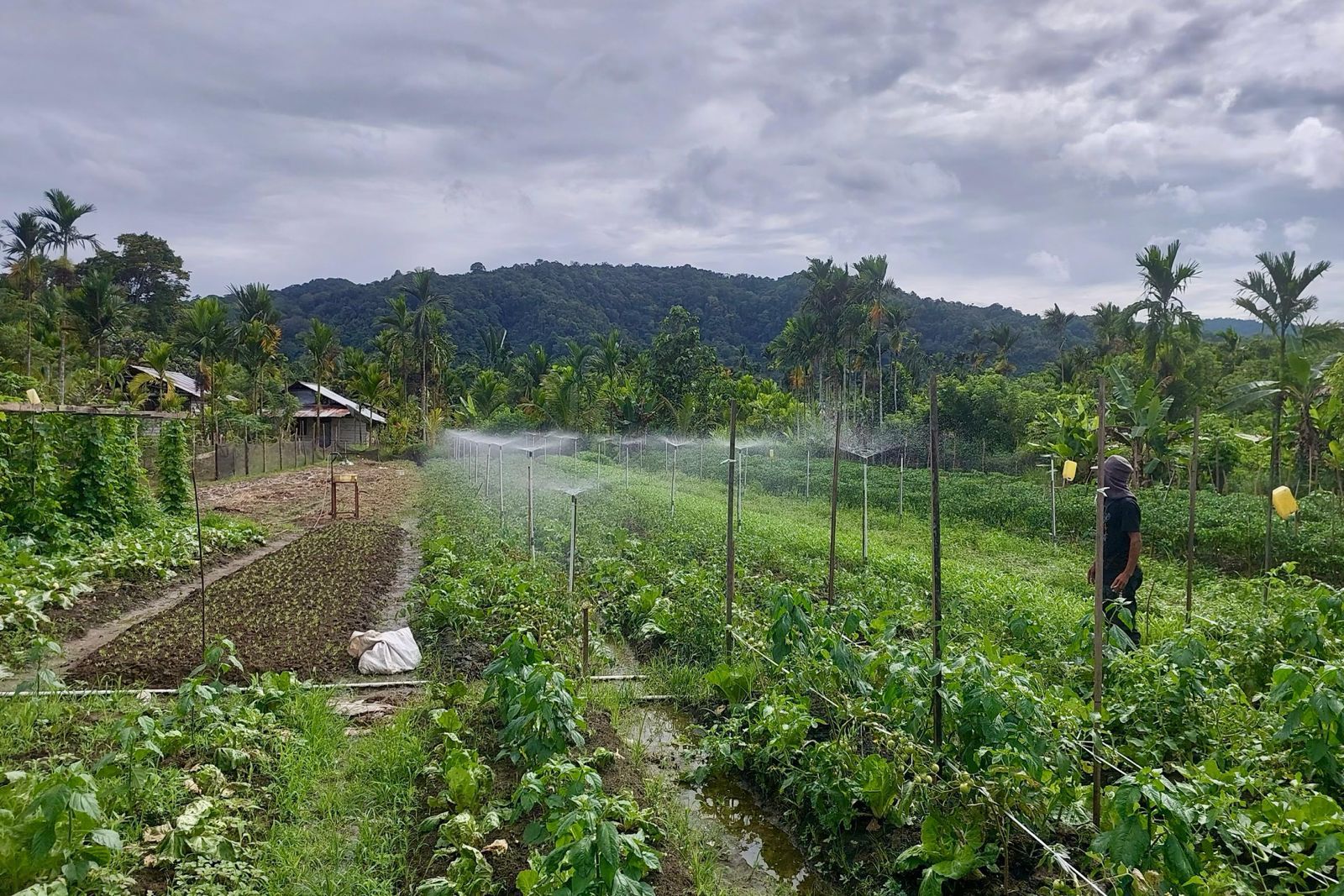
- Microclimate farming: Second, soil scientists adapt specific crops and irrigation methods to unique highland and coastal climates.
- Agroforestry expansion: Third, specialists help farmers cultivate coffee, cacao, and spices under native forest canopies safely.
- Youth mentorship: Finally, university researchers train young farmers in modern agritech, soil conservation, and pest management.
Building this technical knowledge base instills deep confidence among native farmers. Rural communities, as a result, shift smoothly from food import dependency toward complete regional self-sufficiency.
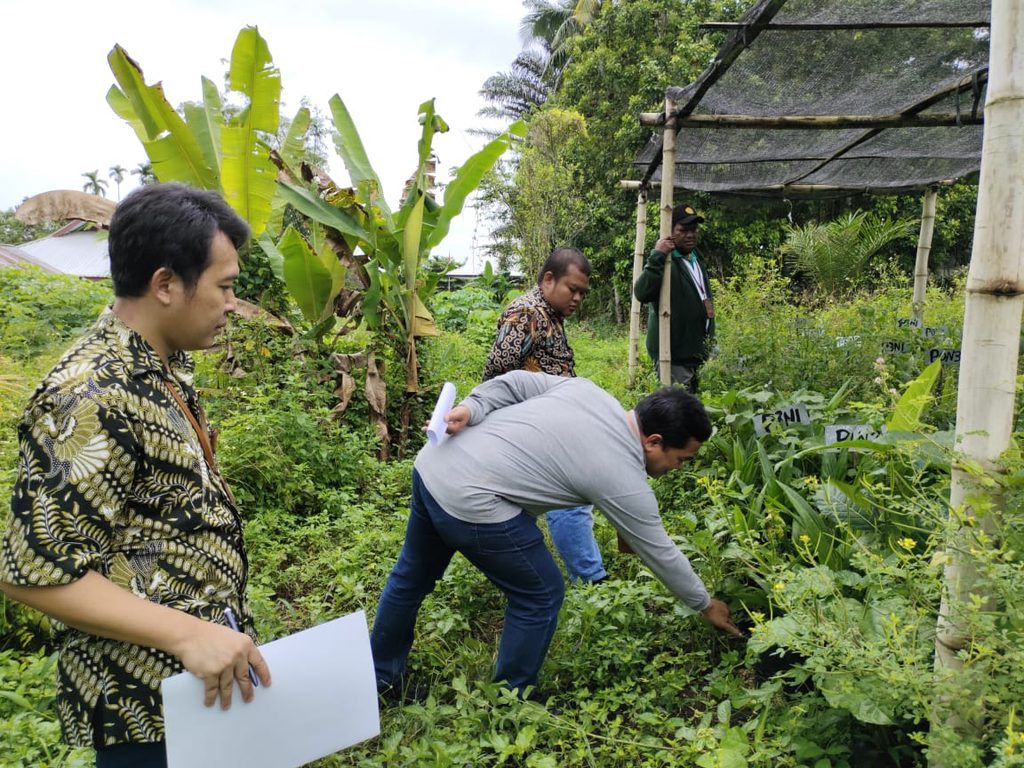
Bridging Modern Agritech with Ancestral Stewardship
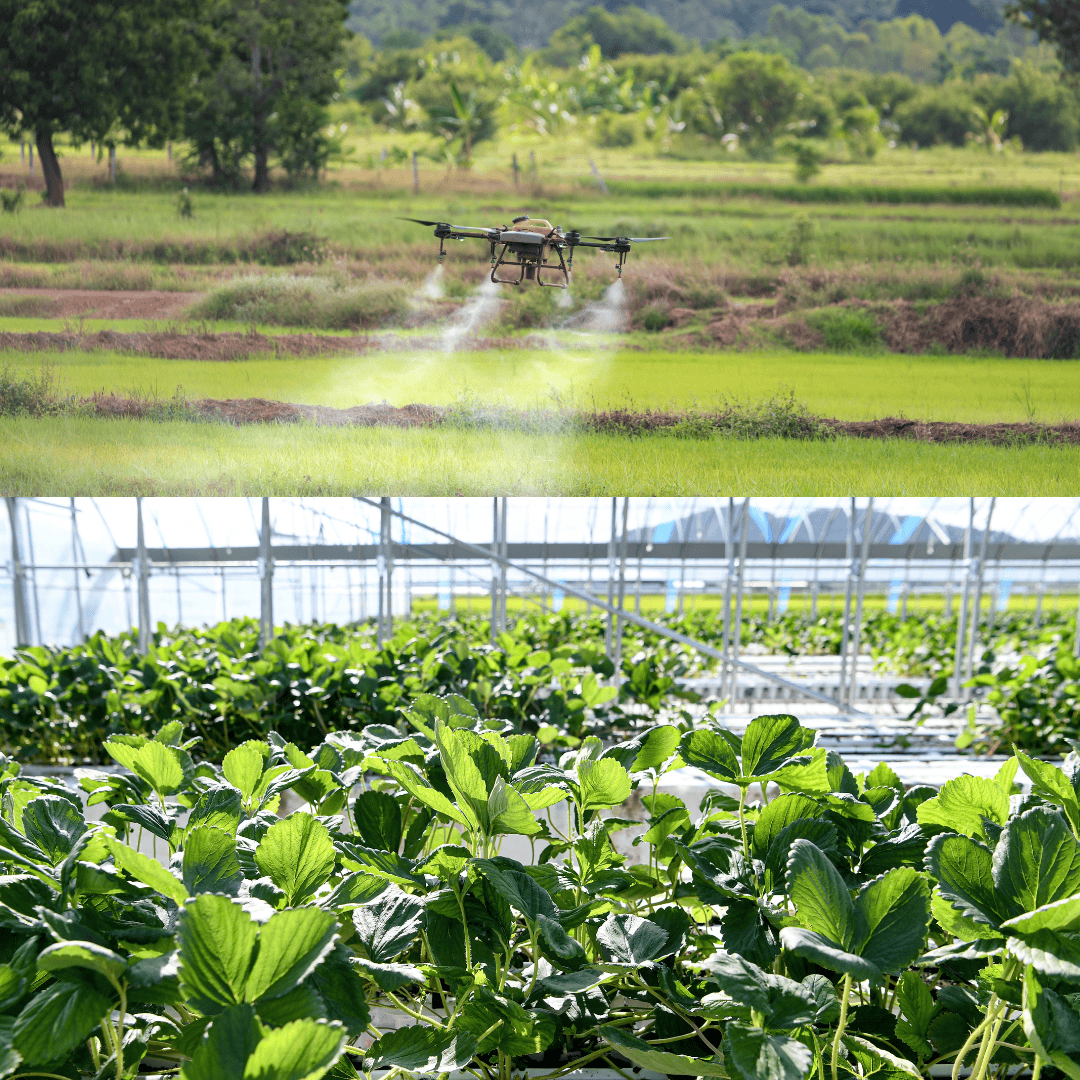
Connecting modern agricultural science with customary land stewardship can help Papua develop more sustainable farming practices. In Papua: The Heart of Indonesia–Pacific Food Resilience, Steve Mara highlights the importance of integrating Indigenous food systems into broader food security strategies. This perspective reinforces the role of local agricultural experts in applying new technologies while respecting ancestral knowledge, protecting biodiversity, and strengthening community food systems.
Uniting agronomic technology with customary wisdom ensures that modern progress respects indigenous land rights. Ultimately, professional agricultural guidance protects vital tropical rainforests while generating sustainable income for rural households.
👉 ALSO READ: Modern Papuan Agriculture Meets Indigenous Wisdom
Addressing Concerns: Overcoming Educational and Research Infrastructure Gaps
Expanding the local talent pipeline can sometimes present challenges regarding educational funding and research equipment. Indeed, many regional vocational schools and university laboratories lack modern testing facilities and field equipment. Therefore, regional government offices and academic institutions must invest in modern agricultural research centers and student scholarships.
Fortunately, regional university partnerships with national research agencies are rapidly expanding student training programs. Furthermore, local government grants provide technical equipment and research funding for young Papuan agronomists. By investing directly in educational infrastructure, communities guarantee a steady supply of qualified agricultural leaders for generations.
What do official figures show?
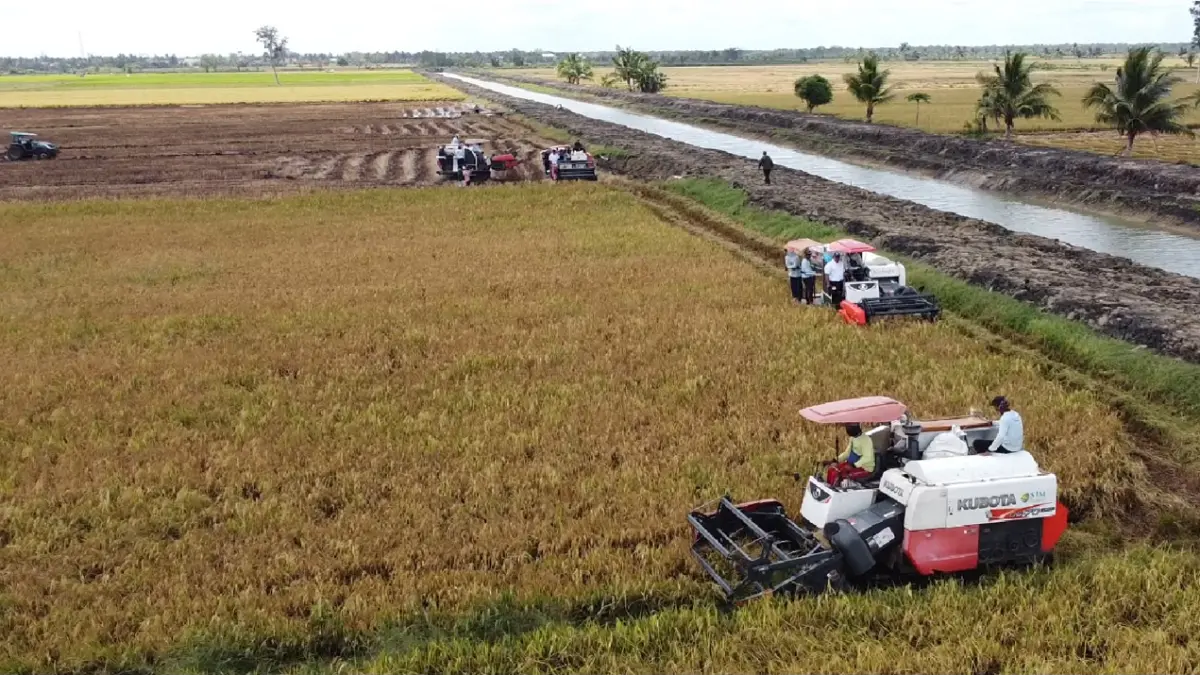
By mid-2026 the government had developed 83,030 hectares of new rice fields across Papua, most of them in South Papua, according to the Ministry of Agriculture. The same ministry reported in 2020 that Papua holds about 5.3 million hectares of sago, yet Indonesia uses only about 6 percent of its sago potential (source).
Conclusion: Cultivating Talent for a Resilient Tomorrow
Investing in local agricultural experts stands as the most effective path toward complete regional self-reliance and environmental protection. Most importantly, empowering native scientists proves that local talent possesses the knowledge needed to feed their own population. When young Papuan specialists guide regional agriculture, they protect ancestral forests while building economic prosperity.
Over time, training dedicated agricultural experts will build a self-sustaining, food-secure, and prosperous Papua for generations to come.