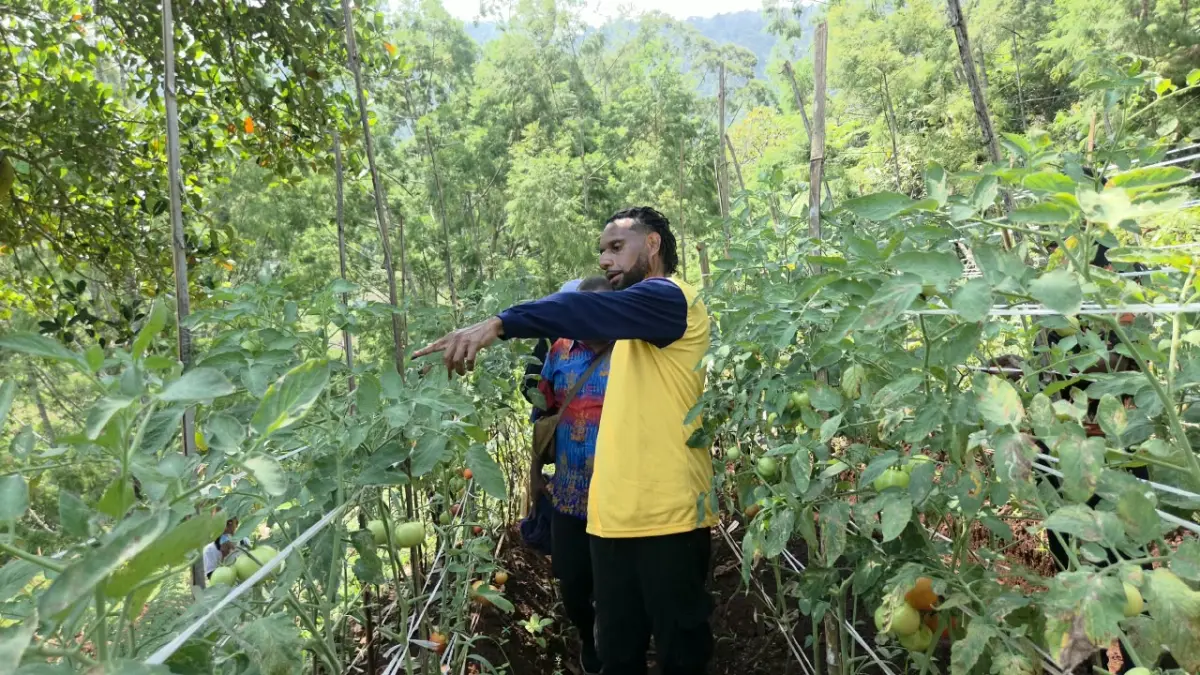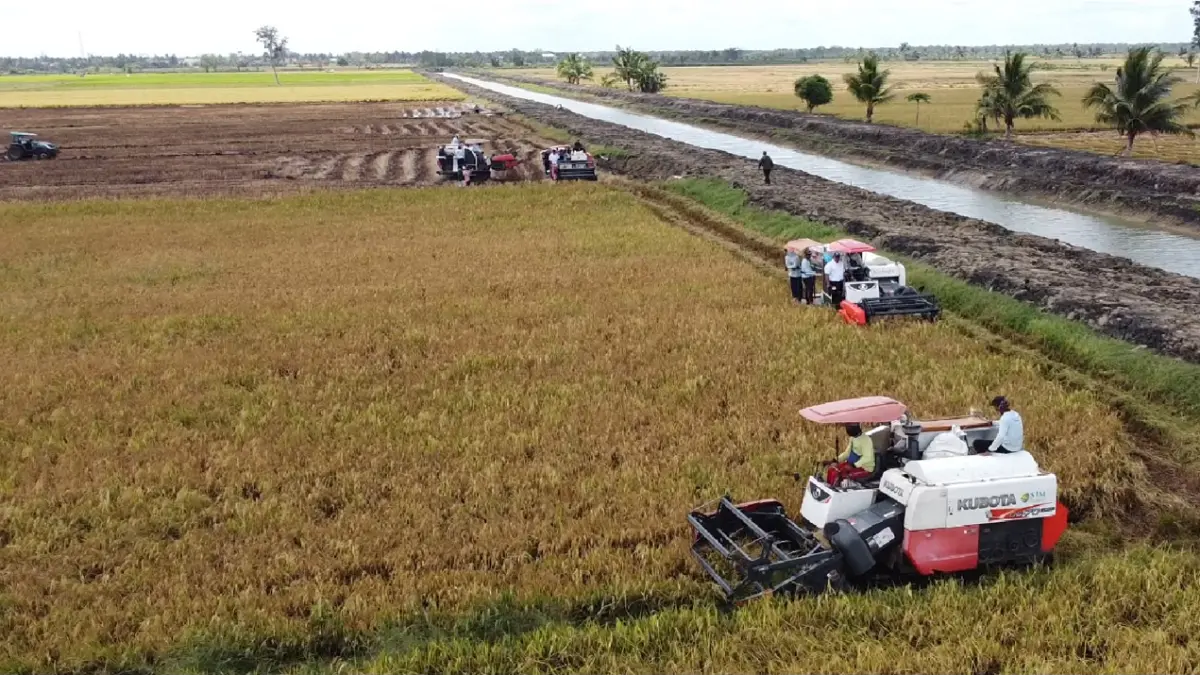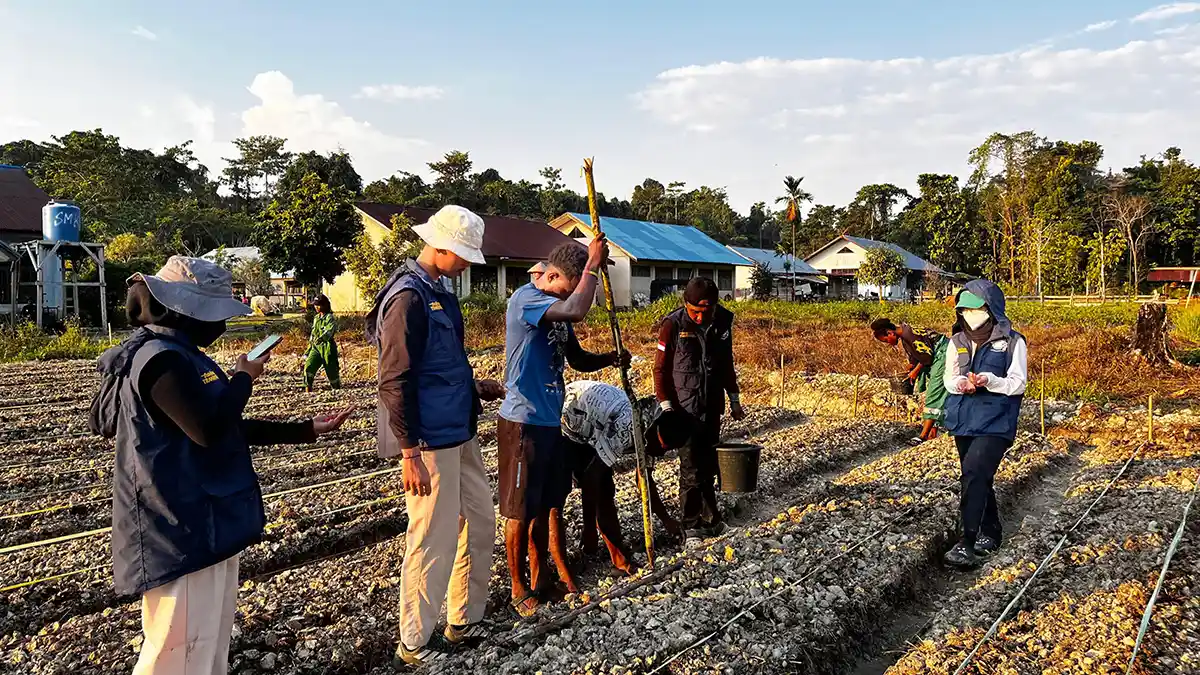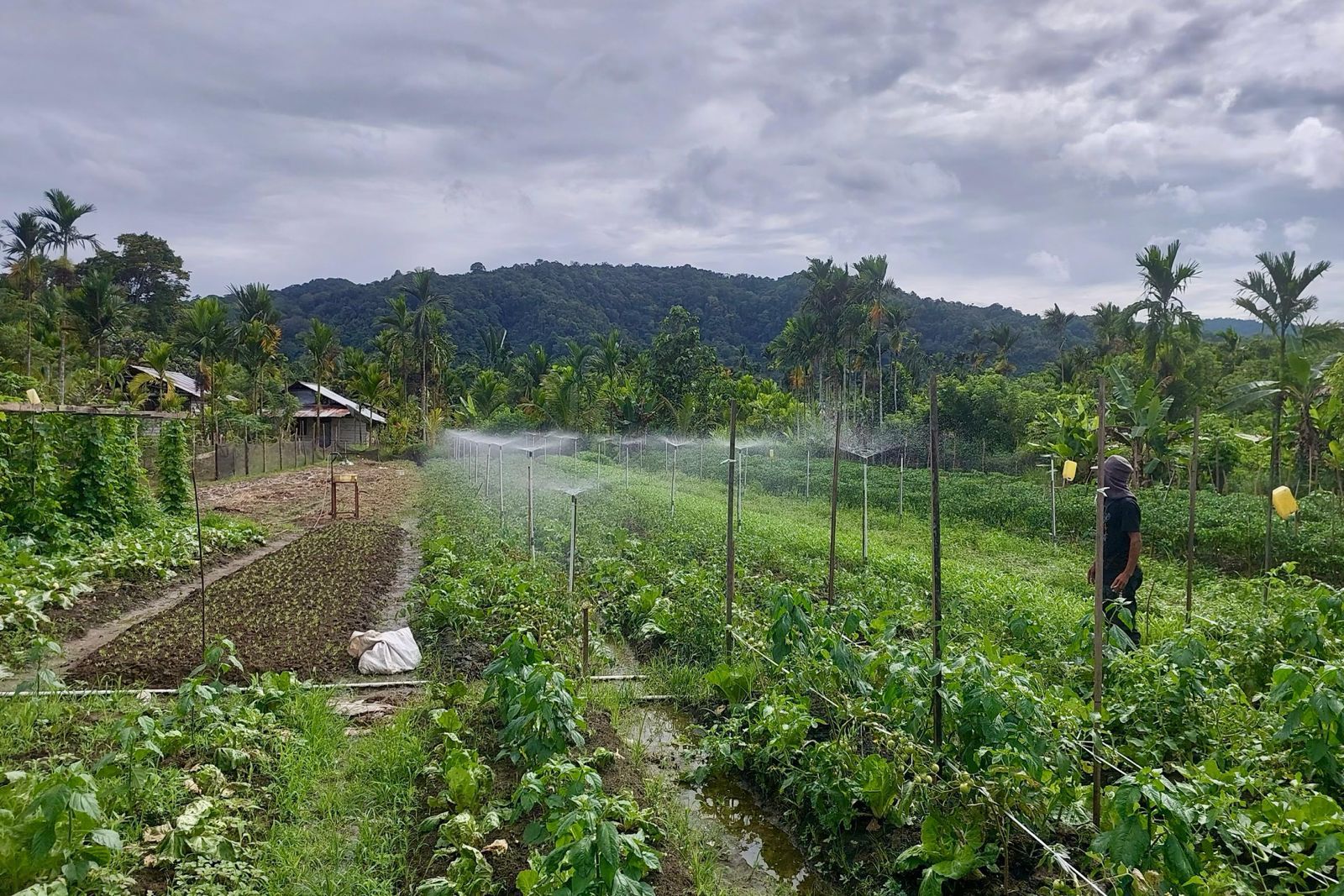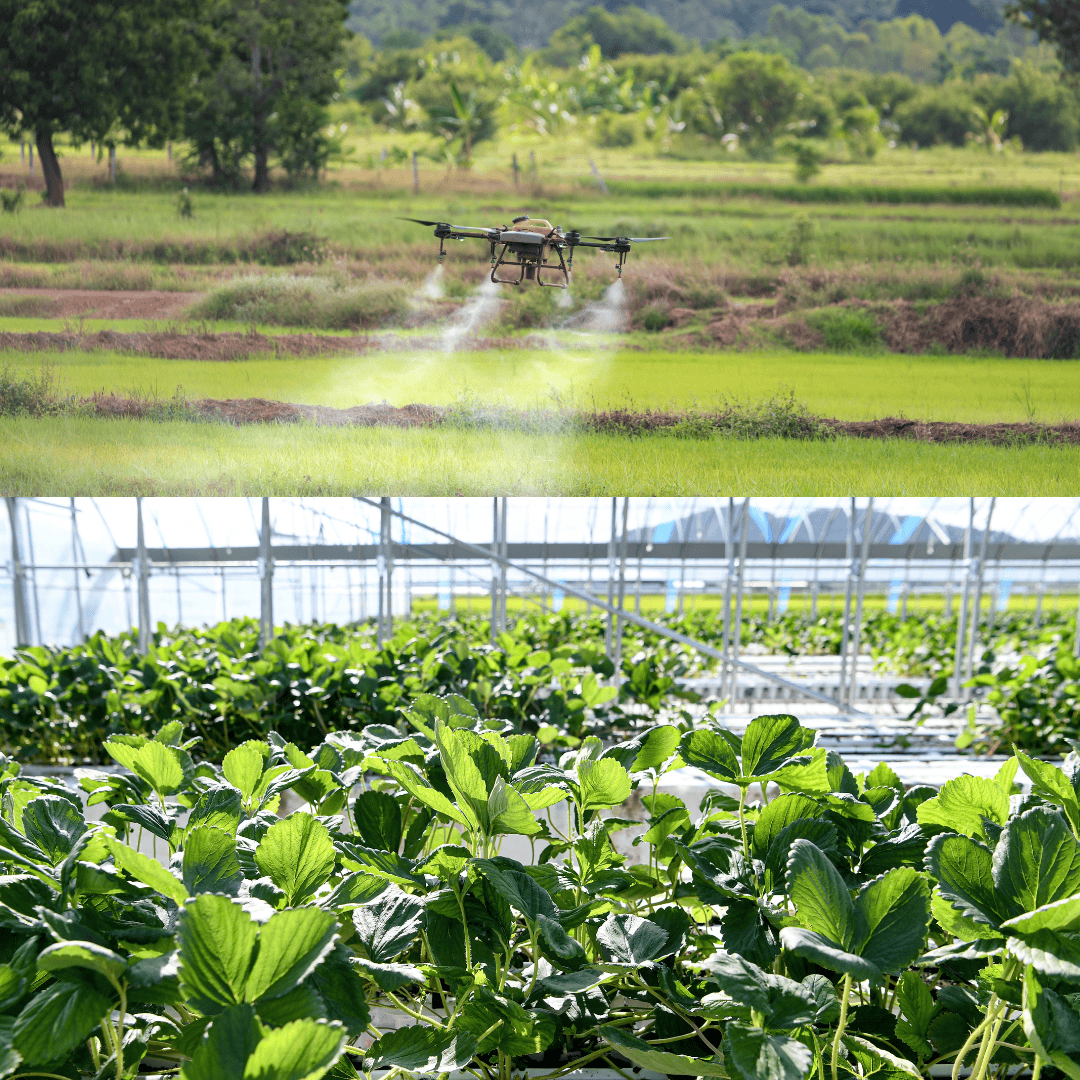
Mobile apps, soil test kits, drones and online marketplaces can give farmers in isolated Papuan villages the weather alerts, crop advice and city buyer prices they have long lacked. Offline-capable software and shared solar-powered digital hubs help where internet and electricity are unreliable, so smallholders can cut post-harvest losses and sell directly.
Harnessing Digital Innovation for Rural Farmers
Bringing smart agricultural technology into rural farming communities is creating unprecedented opportunities for local growers. In fact, modern digital tools can bridge the geographic divide across eastern Indonesia and elevate smallholder productivity. In the past, isolated farming villages lacked access to accurate weather predictions, real-time market prices, and advanced crop management advice.
However, mobile connectivity and precision agritech now deliver vital agricultural data directly into the hands of local growers. By adopting simple digital solutions, farming communities dramatically reduce post-harvest losses and improve crop quality. Consequently, this technological transformation boosts rural family incomes and strengthens regional food security. As a result, young native farmers are eagerly embracing digital farming as a profitable, modern career.
Key Pillars of Agricultural Technology
Deploying Smart Agritech and Precision Farming Tools
Introducing modern sensors and drone monitoring gives rural farmers a powerful advantage in managing their fields. For instance, soil moisture sensors and drone mapping help growers identify exact nutrient needs across large planting areas. Therefore, local farming cooperatives can apply natural fertilizers efficiently while conserving precious water resources.
Integrating agritech tools provides several direct benefits for rural growers:
- Smart monitoring: First, mobile application alerts inform growers about impending weather changes and ideal planting dates.
- Soil analysis: Second, portable testing kits give instant soil health feedback to prevent unnecessary chemical use.
- Market intelligence: Third, digital platforms connect rural farmers directly with wholesale buyers in major cities.
- Tech training: Finally, community workshops teach young farmers how to operate drones and smart irrigation systems.
Building these technological capabilities creates immense pride and economic independence among local farmers. Rural communities, as a result, transform traditional farming into high-efficiency, climate-smart agriculture.
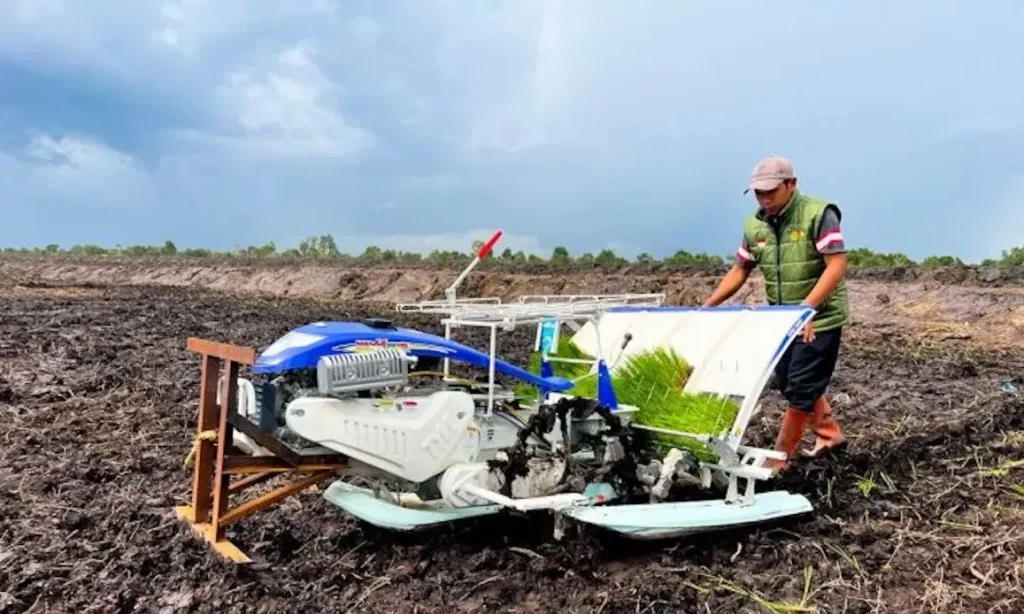
Connecting Farmers Directly to Digital Supply Chains
Connecting rural producers directly with urban consumers through digital platforms can strengthen local food systems and expand market opportunities. In Papua: The Heart of Indonesia–Pacific Food Resilience, Steve Mara emphasizes the importance of integrating Indigenous food systems into broader food security strategies. Digital marketplaces and payment systems can support this approach by helping local farmers reach more buyers, increase the value of Indigenous food products, and strengthen community-based food economies.
Expanding digital market access empowers smallholder farmers to capture fair value for their hard work. Ultimately, direct market connection turns small village farms into thriving, commercial agribusinesses.
👉 ALSO READ: Agricultural Experts Drive Sustainable Food Security Across Papua
Addressing Concerns: Overcoming Infrastructure and Connectivity Barriers
Deploying digital technology across remote rainforest villages can sometimes face challenges regarding internet connectivity and power supply. Indeed, maintaining stable mobile networks in isolated highland regions requires significant infrastructure investment. Therefore, regional government offices and telecommunications partners must prioritize building solar-powered cellular towers in rural districts.
Fortunately, offline-capable mobile software allows farmers to access stored agricultural guidance even without active internet connections. Furthermore, community digital hubs provide shared solar chargers and satellite internet access for rural cooperatives. By solving infrastructure hurdles through resilient technology, local authorities guarantee that every farmer benefits from digital innovation.
What do official figures show?
About 2,000 villages in Indonesia still had no telecommunications coverage in August 2026, most of them in Papua, the head of the state telecoms agency BAKTI said, Warta Ekonomi reported. Bank Indonesia counted 230,446 QRIS merchants in its Papua working area in early 2025, more than half of them in Jayapura, Jubi reported.
Conclusion: Harvesting Progress Through Digital Innovation
Transforming Papuan agriculture through modern technology represents the most effective investment for long-term rural prosperity. Most importantly, equipping smallholder farmers with digital tools proves that innovation can thrive in the most remote corners of the nation. When local growers harness smart agritech, they protect their environment while building lasting economic strength.
Over time, empowering farmers through technology will build a highly productive, self-reliant, and modern agricultural sector.