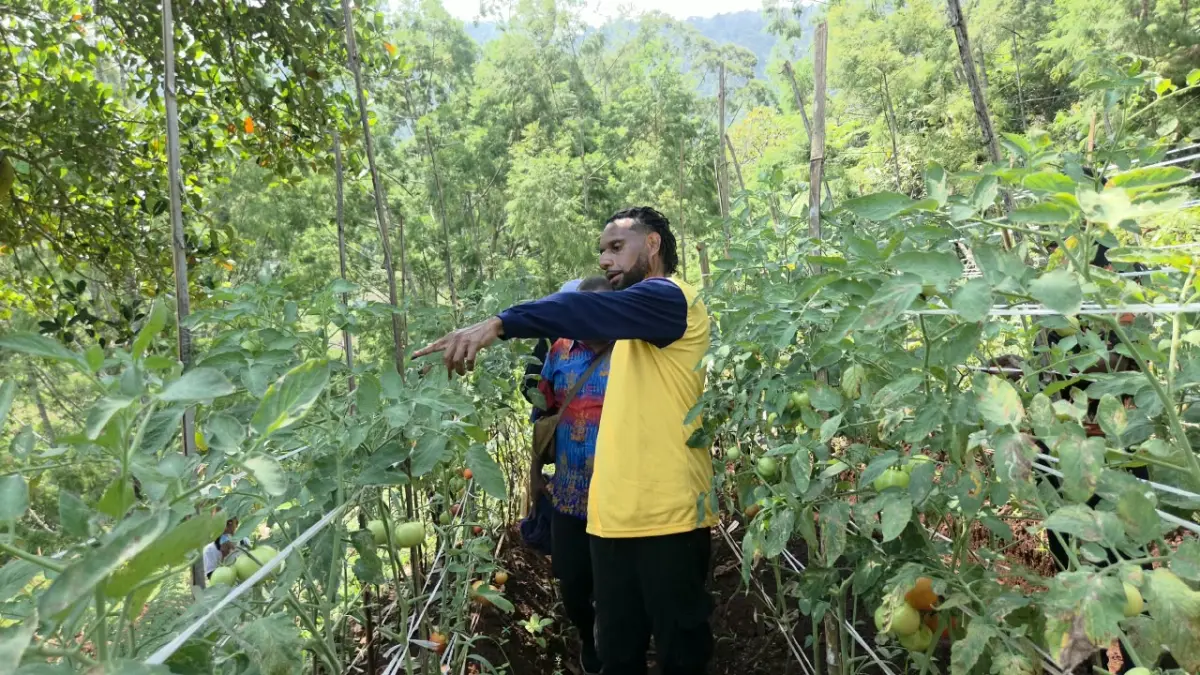
Young Papuans are being encouraged to treat farming as a business, using tools such as drone mapping, smart irrigation and online stores to manage farms and reach buyers. The article says they need low-interest loans, equipment leasing and mentoring through agribusiness incubators, and that customary leaders can set aside land for youth-led farming projects.
Inspiring a New Generation of Agricultural Leaders
Young Papuans are taking center stage in transforming traditional farming into a modern, tech-driven industry. In fact, reshaping agriculture requires fresh energy, innovative mindsets, and digital fluency that native youth naturally possess. In the past, young generations often viewed farming as labor-intensive with low financial returns.
However, the emergence of smart farming, hydroponics, drone technology, and digital marketing is redefining agribusiness as a highly profitable and respected career path. By equipping young leaders with modern agritech tools and entrepreneurship skills, rural communities build a dynamic workforce. Consequently, youth involvement drives high crop productivity and stabilizes regional food supplies. As a result, native youth proudly spearhead the economic modernization of their homeland.
Key Pillars of Youth Agricultural Empowerment
Driving Innovation Through Agritech and Digital Business
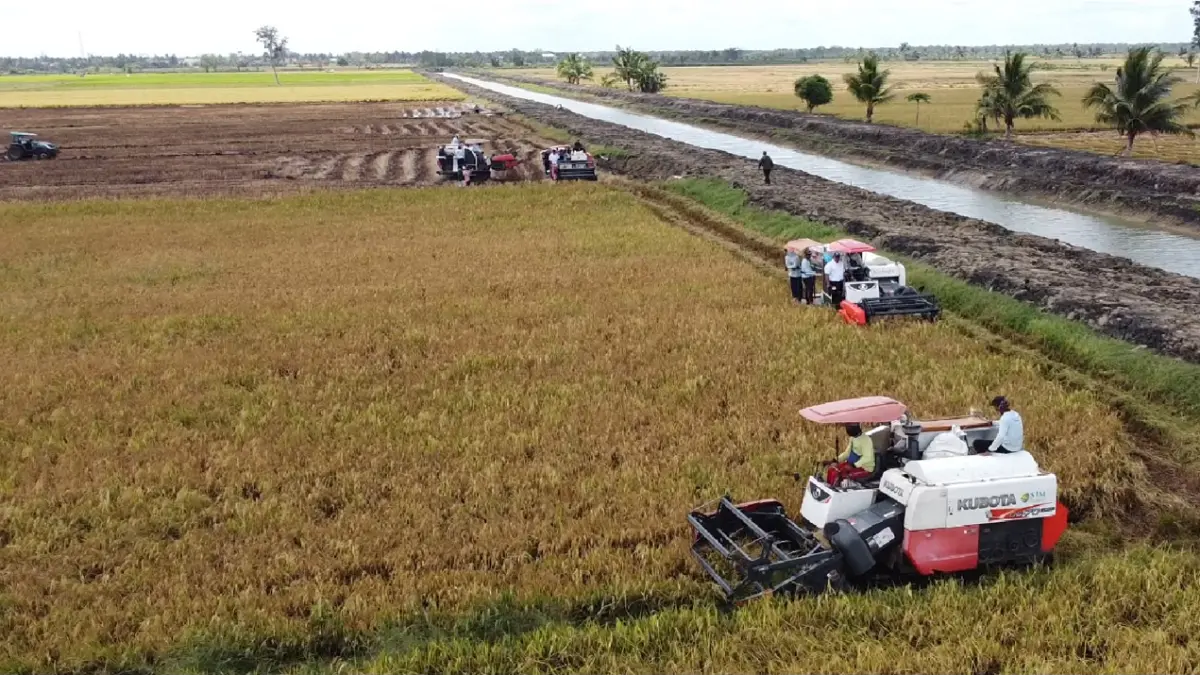
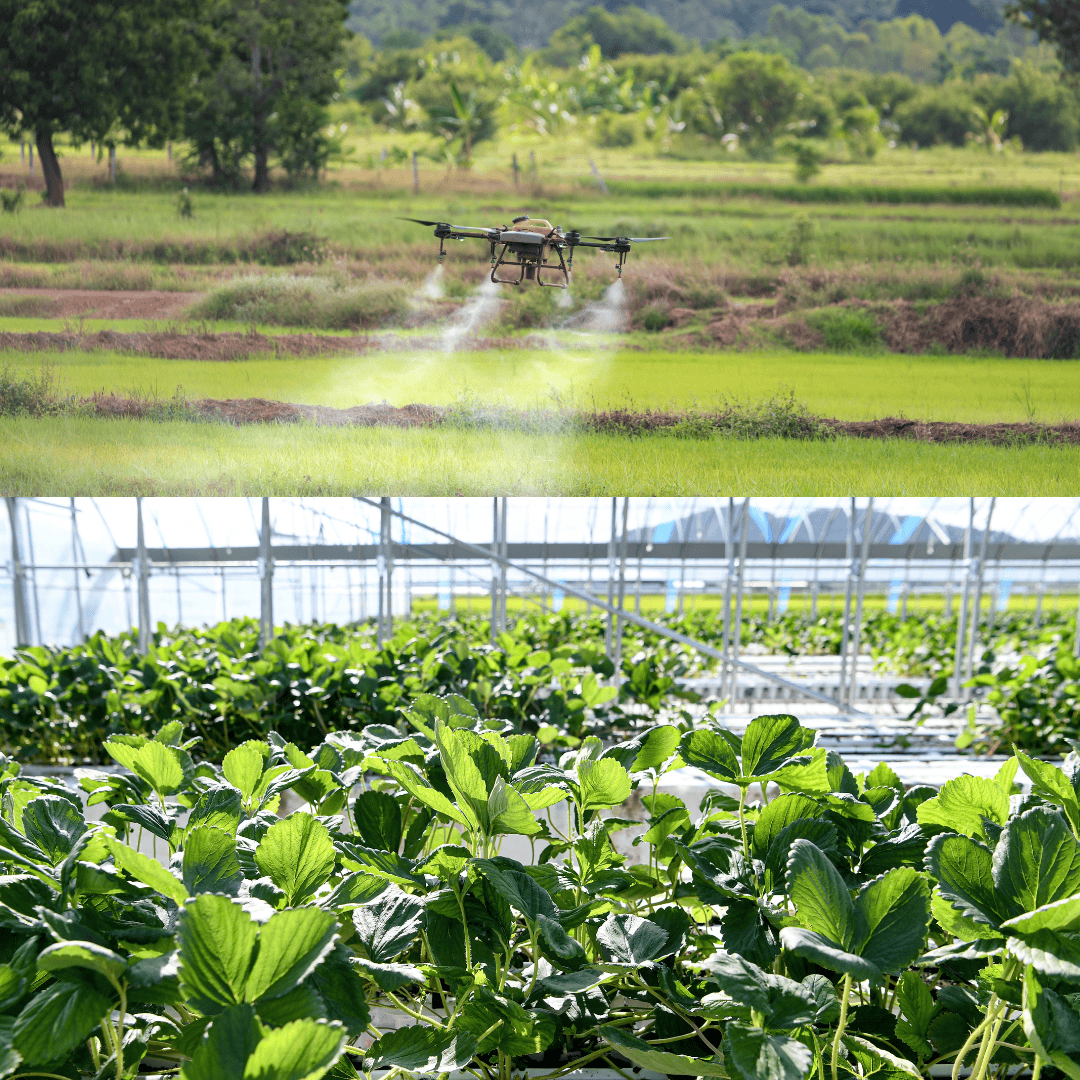
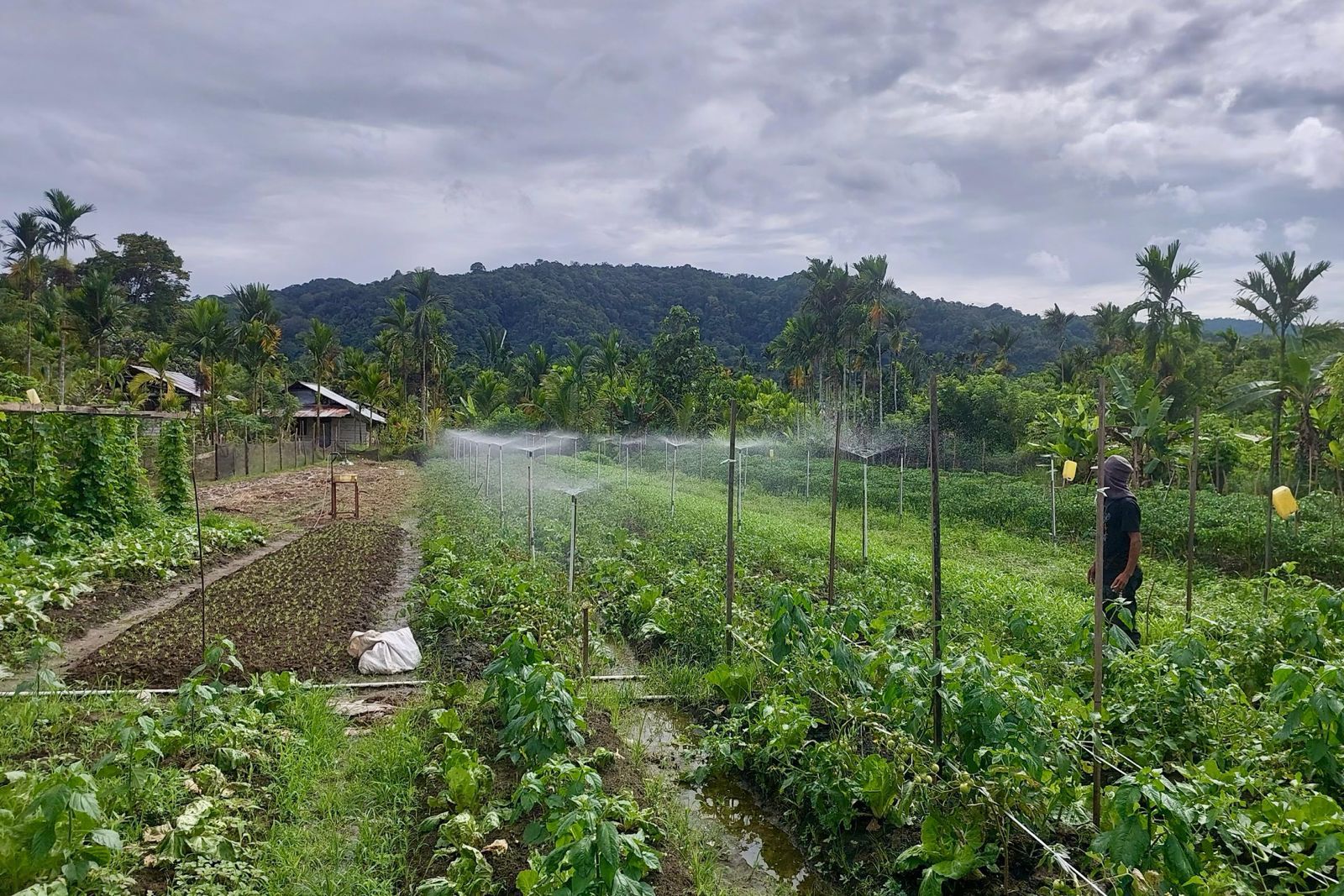
Empowering young Papuans with modern agricultural technology gives local farming cooperatives a stronger position in national markets. In Papua: The Heart of Indonesia–Pacific Food Resilience, Steve Mara highlights the importance of technological innovation and skilled agricultural workers. For instance, youth-led agribusinesses can use drone mapping, smart irrigation, and digital marketing to improve farm management, conserve resources, and reach wider markets.
Active youth leadership in agriculture provides several direct benefits:
- Technology adoption: First, digital-native youth quickly master soil sensors, automated greening systems, and climate tracking tools.
- E-commerce integration: Second, young entrepreneurs connect rural cooperatives directly to urban consumers through online storefronts.
- Sustainable practices: Third, young leaders combine traditional indigenous wisdom with modern organic farming methods.
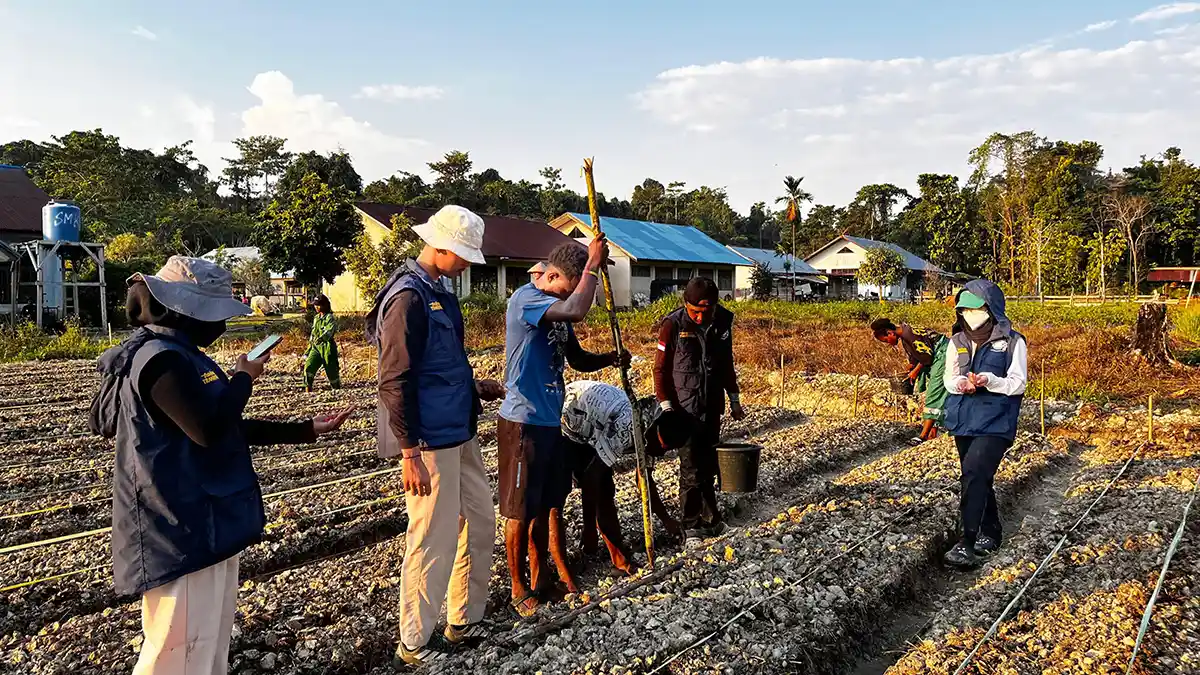
- Community mentorship: Finally, trained youth mentor younger peers, building a sustainable pipeline of future agricultural experts.
Building these modern capabilities instills immense pride and economic independence among native youth. Young Papuans, as a result, establish thriving enterprises that elevate whole communities.
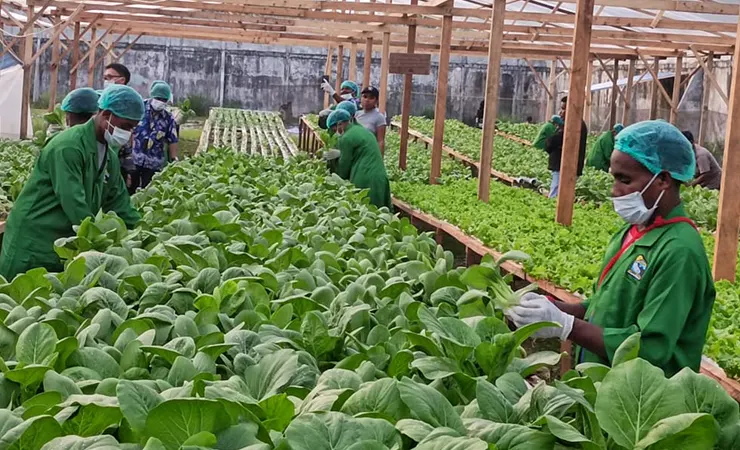
Fostering Youth Agribusiness Incubators and Vocational Networks
Establishing dedicated agricultural incubators across regional universities and vocational centers accelerates young-led commercial ventures. In addition, experienced agronomists and business mentors work side-by-side with young founders to refine crop management strategies and financial planning. Specifically, young coffee and cacao farmers receive specialized guidance to produce export-grade beans that meet international specialty standards. Meanwhile, micro-grant programs provide crucial seed capital for young innovators to purchase modern farming tools and packaging equipment.
Expanding youth business incubators turns bold ideas into sustainable, profitable agribusinesses. Ultimately, supporting young agricultural pioneers guarantees long-term regional food autonomy.
👉 ALSO READ: Food Economy Creates Sustainable Jobs Across Papua
Addressing Concerns: Capital Access and Technical Mentorship
Encouraging more native youth to pursue commercial farming can sometimes face challenges regarding initial capital access and land ownership arrangements. Indeed, purchasing precision agritech equipment and securing farm machinery requires accessible financial support tailored to young entrepreneurs. Therefore, regional government institutions and banking partners must offer low-interest micro-loans and equipment leasing programs for youth co-ops.
Fortunately, state-backed agricultural startup programs and regional cooperative networks provide collateral-free financing and practical mentorship. Furthermore, local customary leaders (Masyarakat Adat) actively designate agricultural zones for youth-led community projects. By eliminating financial and operational barriers, local leadership enables young Papuans to build long-term prosperity.
What do official figures show?
In Manokwari, the vegetable shop Anggi Mart sold produce from Arfak Mountains farmers online during the pandemic, when buyers avoided crowded markets, Antara reported. Presidential Regulation 81/2024 makes local foods such as sago, cassava and sorghum part of national food diversification policy, as the National Food Agency explained in 2025.
Conclusion: Cultivating a Bright Future for Papuan Youth
Inspiring young Papuans to lead the new agricultural revolution stands as the most vital investment for regional prosperity and self-reliance. Most importantly, proving that modern agritech and agribusiness offer high-earning, fulfilling careers keeps native talent flourishing locally. When young leaders guide the fields, the entire region grows stronger and more prosperous.
Over time, empowering the young generation will ensure a prosperous, sustainable, and self-reliant Papua for generations to come.