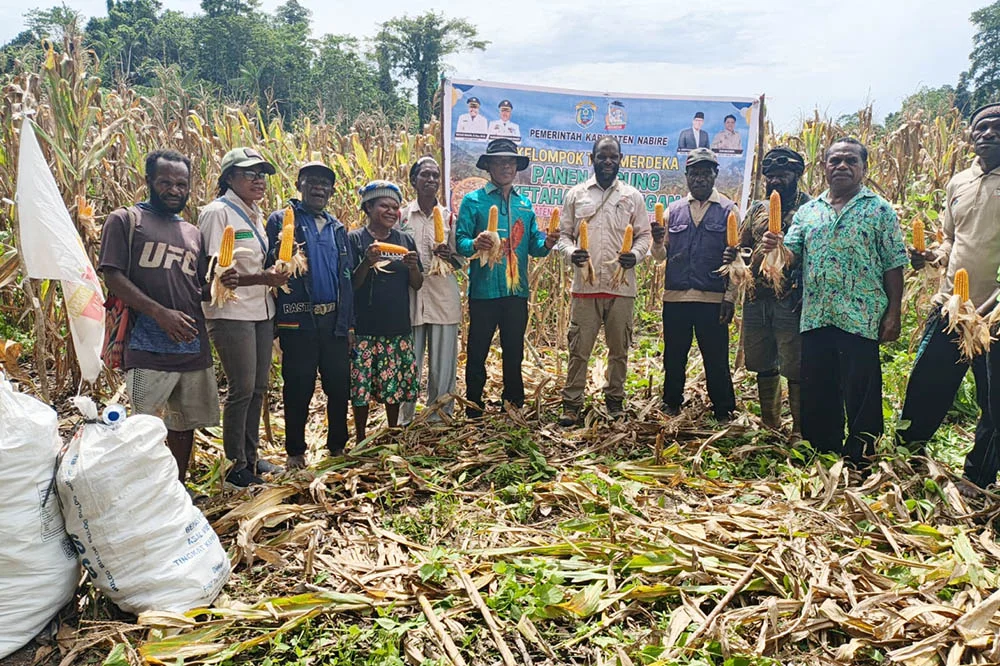
Better roads, sturdy crates, packing sheds and small cold-storage hubs help Papuan farmers get vegetables and fruit to town markets before they spoil, so they lose less of each harvest and earn better prices. The article notes that roads alone are not enough: remote mountain villages may still need cargo flights, and farmers need packing and storage training.
From Harvest to Market
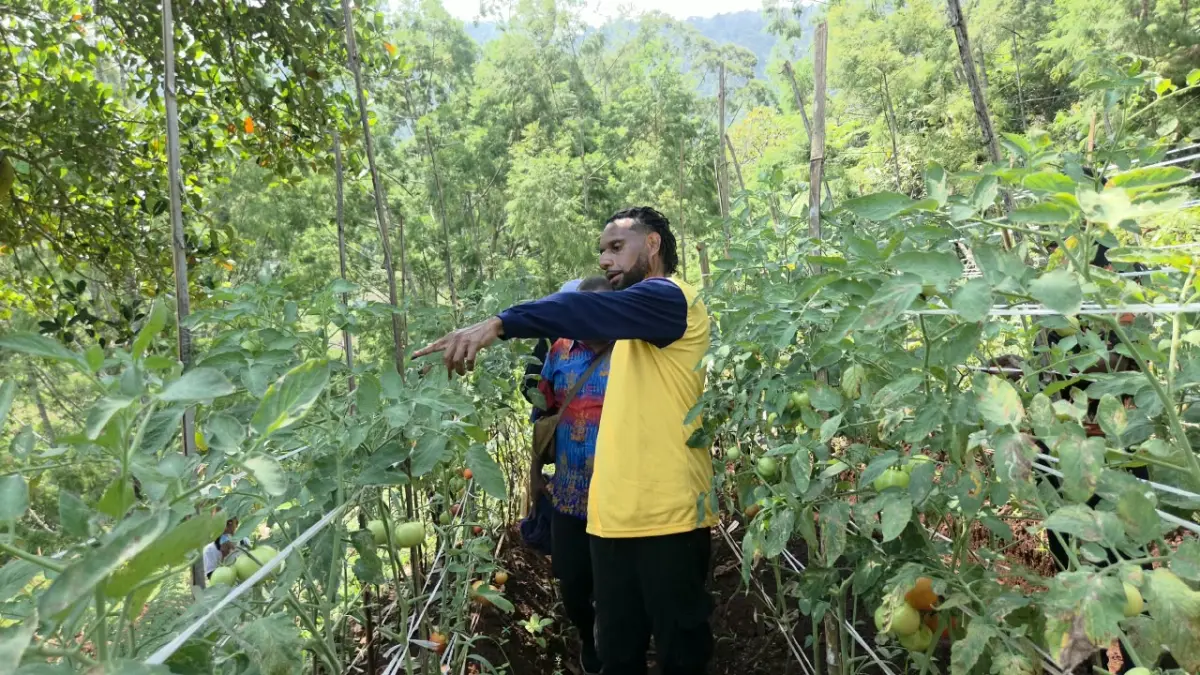
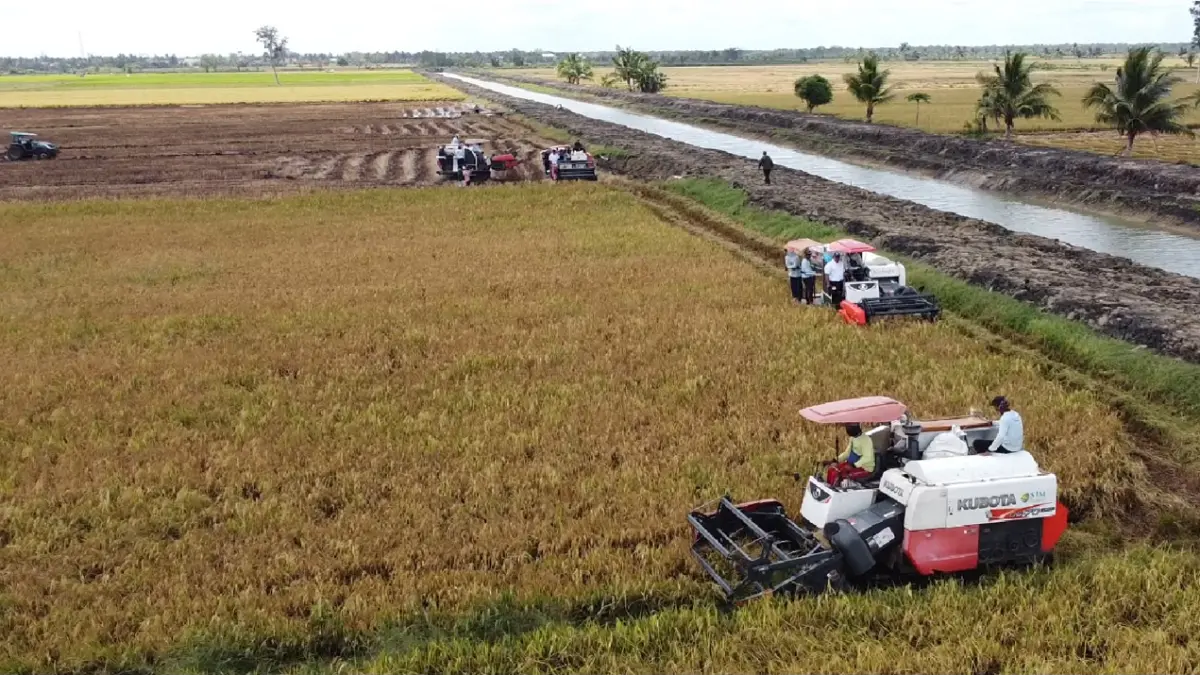
Papua’s farming communities have great potential to supply fresh crops for local towns and nearby regions. Across rural areas, hardworking farmers grow fresh vegetables, sweet fruits, and key food items that support their family income. However, moving large harvests remains very hard when roads are rough, trucks are scarce, and city markets are far away.
Fresh crops can quickly lose quality or spoil when travel takes too long. As a result, farmers face heavy financial losses even after growing a successful crop. Building better farm-to-market paths helps farmers move large harvests safely. Ultimately, quick deliveries ensure that fresh food reaches city buyers without rotting on the way.
Key Pillars of Agricultural Logistics
Connecting Farms With Wider Markets
Reliable roads make it much easier for farmers to transport fresh crops from quiet villages to busy town markets. For instance, smooth routes allow larger trucks to carry heavy loads of produce in fewer trips.
Faster trips mean fresh food spends much less time in hot weather, bumpy truck beds, and dusty conditions. Consequently, better road connections protect crop quality and help farmers get higher prices for their hard work. When food arrives in great condition, town buyers get fresh food, and farming families earn steady income to support their children.
Protecting Freshness Along the Journey
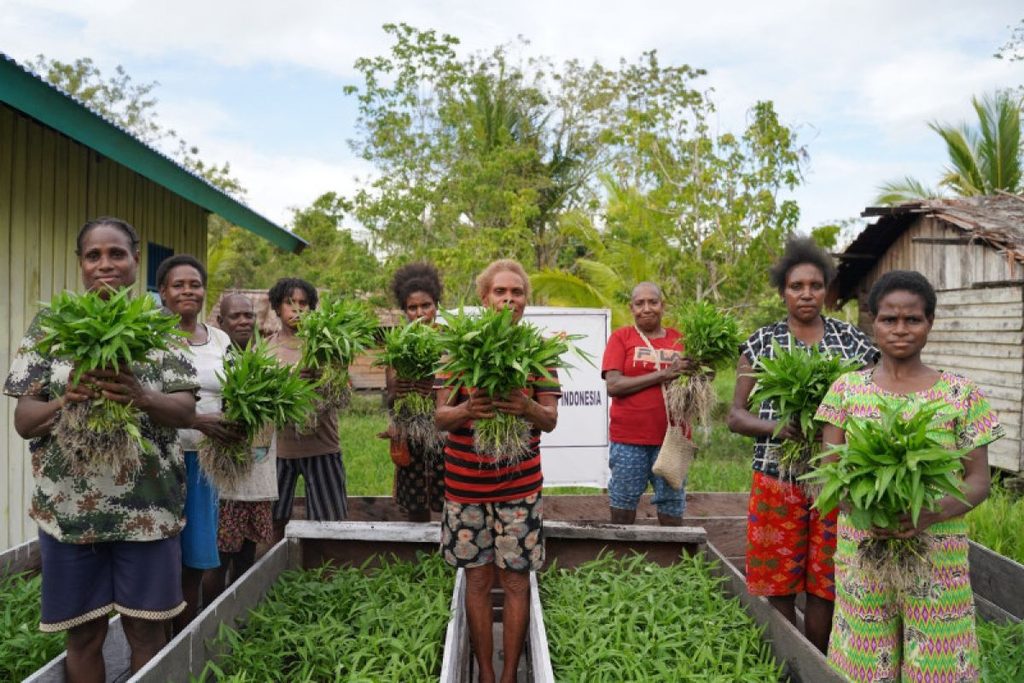
Fresh vegetables and fruits spoil easily if trips take too long or if handling is rough. Therefore, building a strong supply chain requires much more than just paving dirt roads. Farmers also need clean packing spaces, sturdy crates, cold storage rooms, and reliable delivery trucks.
Strengthening the whole supply path gives farmers greater freedom. When farmers have proper storage and safe transport choices, they can decide exactly when and where to sell their crops for the best profit.
👉 ALSO READ: Better Infrastructure for Faster Healthcare Access in Papua
Addressing Concerns: More Than Just Better Roads
Smooth roads reduce travel times, but they cannot fix every farming problem by themselves. Indeed, rural farmers still face challenges with crop packaging, lack of cold storage, limited truck capacity, and changing market prices. Remote mountain villages may also need cargo planes when road travel remains impossible.
Therefore, local leaders must combine road work with modern storage spaces and practical farmer training. Teaching better packing methods and building small cooling hubs near farms will protect harvests even further. When roads, storage, and training work together, both rural producers and city shoppers benefit greatly.
What do official figures show?
In April 2025, the regent of Jayawijaya asked officials to protect vegetable supplies after flooded fields made spinach scarce in Wamena and pushed up inflation, Antara reported. Landslides in February 2026 damaged the Jayapura–Wamena road at 36 points, including 26 slope failures and nine broken cross drains, Antara reported.
Conclusion: Making Every Harvest Count
A rich, successful harvest should never lose its value simply because truck trips take too long. For farming families across Papua, better logistics move fresh crops efficiently and connect rural fields with eager city buyers.
Paved roads, reliable trucks, and good storage spaces work as a team to cut waste and boost local trade. Improving farm connections creates a safe journey from field to market. Over time, protecting fresh crops will safeguard farmer incomes and build a bright economic future across Papua.