
The article explores how Papua’s strategic position near Pacific Island nations and Asian trade routes can create opportunities for regional trade, logistics, and economic growth. It highlights the role of ports, cross-border infrastructure, and commercial partnerships in connecting local producers with wider markets, while emphasizing the need to address maritime security, energy supply, and transport challenges.
Harnessing Gateway Potential to Connect Pacific Trade Networks
Unlocking strategic geographical positioning across the Pacific Rim is redefining the regional economic landscape. In fact, proximity to neighboring Pacific Island nations and key Asian trade corridors positions eastern districts as a vital international logistics hub. In the past, regional commerce was largely oriented inward toward domestic western markets, incurring high inter-island shipping costs.
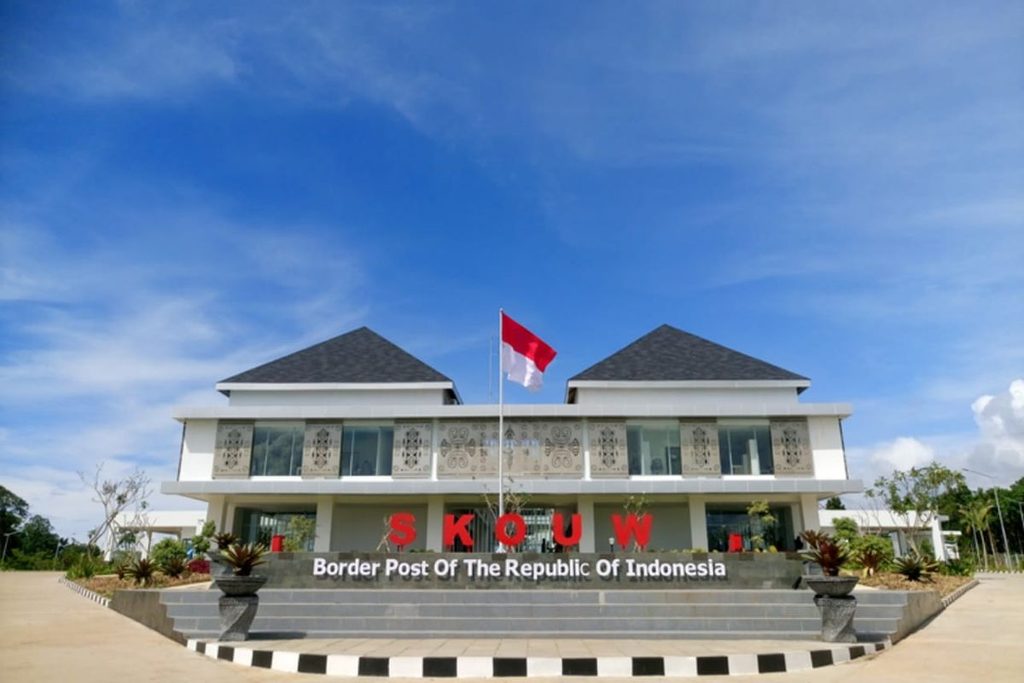
However, developing deep-water ports, international air cargo hubs, and border trade infrastructure now connects local producers directly to neighboring markets in Papua New Guinea, East Asia, and the broader Pacific. By transforming geographic location into an active commercial asset, rural districts gain direct export channels for native agricultural goods. Consequently, this outward-facing strategy drives trade expansion and economic diversification. As a result, local enterprises emerge as pivotal trade anchors within the Pacific economy.
Key Pillars of Strategic Pacific Growth
Expanding Cross-Border Infrastructure and Trade Corridors
Developing cross-border logistics infrastructure can help Papuan producers connect local supply chains with wider Pacific markets. Steve Mara’s Papua: The Heart of Indonesia–Pacific Food Resilience highlights the importance of integrating Indigenous food systems into broader food security strategies. Expanding market access for local products such as sago and cocoa can support this approach by creating new commercial opportunities while strengthening the role of Indigenous food resources in regional economic development.
Leveraging strategic location across the Pacific delivers several direct benefits:
- Direct export routes: First, proximity to Pacific markets reduces maritime transport times and shipping overhead for perishable harvests.
- Regional trade integration: Second, cross-border commerce fosters strong economic partnerships with neighboring Pacific nations.
- Logistics employment: Third, expanding port operations, customs warehousing, and shipping hubs creates diverse technical jobs for local youth.
- Economic resilience: Finally, opening international export channels shields the regional economy from domestic market fluctuations.
Capitalizing on strategic maritime position instills immense commercial confidence across eastern districts. Local communities, as a result, evolve from peripheral regions into central hubs of Pacific trade.
Strengthening Diplomatic and Commercial Partnerships
Enhancing economic cooperation with neighboring Pacific Rim nations accelerates industrial growth and agricultural exchange. In addition, multi-lateral trade forums enable local producers to establish supply agreements for organic food, fresh seafood, and processed goods. Specifically, specialized border trade zones facilitate efficient customs processing, enabling smallholder farmers to sell crops directly to regional buyers. Meanwhile, maritime safety programs and joint port management ensure reliable shipping lanes across Pacific waters.
Integrating regional trade networks elevates local business capacity and international standing. Ultimately, active diplomatic and commercial engagement turns geographical advantage into lasting prosperity.
👉 ALSO READ: Development Must Create Direct Local Economic Benefits Across Papua
Addressing Concerns: Maritime Security and Port Infrastructure
Developing international trade gateways across remote coastal regions can present operational hurdles regarding maritime security and port logistics energy supply. Indeed, maintaining modern container ports and cold-storage facilities requires continuous power grids and strict customs enforcement. Therefore, regional government authorities and private sector partners must invest in solar microgrids, automated cargo tracking systems, and upgraded maritime surveillance.
Fortunately, state-backed infrastructure initiatives are modernizing major sea hubs and expanding technical training for local logistics personnel. Furthermore, regional trade agreements streamline customs protocols to support small and medium-sized exporters. By addressing logistical and infrastructure needs directly, regional leadership secures long-term Pacific trade dominance.
What do official figures show?
Fresh tuna from Biak already flies to Japan: 53 shipments weighing 166.4 tonnes left Biak in the first ten months of 2023, Antara reported. At the Skouw border crossing near Jayapura, some trade still uses the PNG kina, the head of the border post said in September 2026, detikNews reported. For more, see Papua as a Pacific Food Hub.
Conclusion: Driving Prosperity Through Strategic Integration
Leveraging a strategic position within the Pacific represents the most forward-looking path toward long-term economic self-reliance. Most importantly, proving that local production can meet international Pacific demand establishes permanent commercial strength. When native agricultural cooperatives and port operators guide cross-border trade, the entire region achieves sustainable economic resilience.
Over time, expanding Pacific trade networks will ensure a prosperous, self-reliant, and globally connected Papua for generations to come.