Civilian driver Aris Sanda, originally from Toraja, was taken from his vehicle while carrying goods and passengers near the Lake Habema junction in Trikora District, Jayawijaya Regency, on 15 September 2026; his body and burned vehicle were later found. Koops TNI Habema blamed the OPM Kodap III Ndugama armed group, a claim not independently verified.
Protecting Those Who Sustain Papua’s Lifeline
The rugged terrain of Papua’s highlands demands immense resilience from everyone living there. Moreover, it tests those who labor daily to keep remote communities connected. Behind every vital shipment of logistics and public transport winding through mountain routes lies a silent human risk. Recently, this risk was tragically underscored by a violent attack against a civilian driver along the route from Wamena to Mbua. Examining such critical security challenges highlights the urgent need to protect the workers who sustain daily life across the region.
Furthermore, we express our deepest condolences over an event that should never have taken place. Indeed, this heartbreaking human tragedy cuts deeply into our shared conscience. The victim was simply working to carry essential logistics and provide public transport services for communities heading deep into the interior. People who work daily to support community life deserve to perform their duties safely. Consequently, they should never become victims of senseless violence.
Key Pillars of Regional Security and Safety
Safeguarding Transport Workers and Public Access
Reliable transport services form the backbone of regional connectivity. Therefore, they ensure that food, daily supplies, and public services reach remote interior districts. On Tuesday, September 15, 2026, a serious incident occurred near the Lake Habema intersection, Gunung Boy, Trikora District, Jayawijaya Regency. During this event, a civilian driver named Aris Sanda (also known as Bapak Tasya), originally from Toraja, was targeted by the OPM Kodap III Ndugama armed group while transporting logistics and passengers.
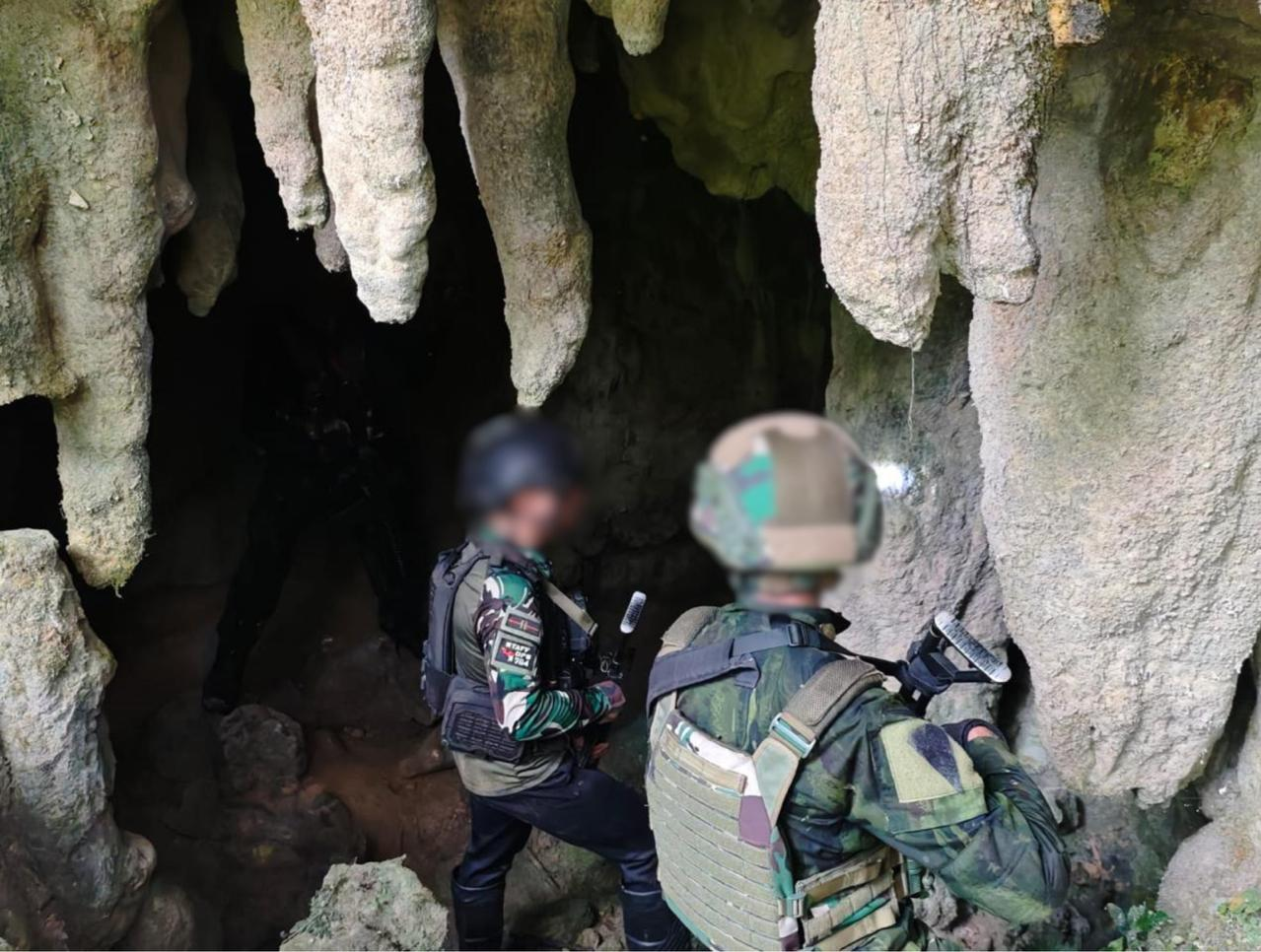
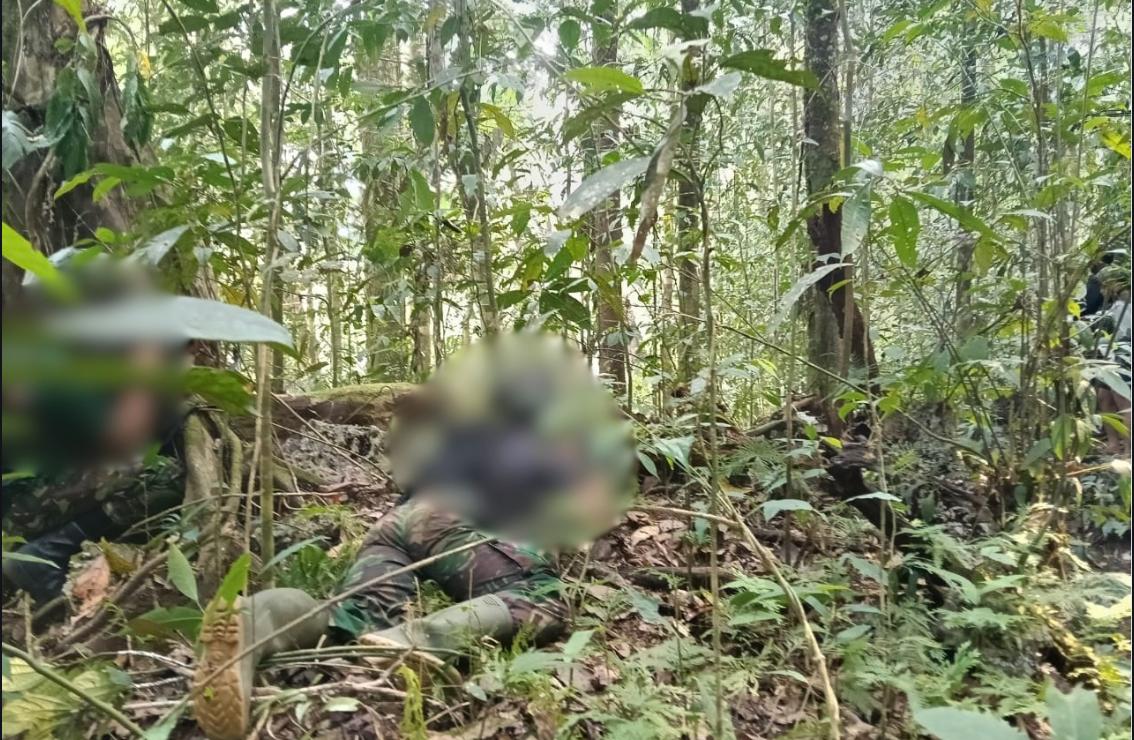
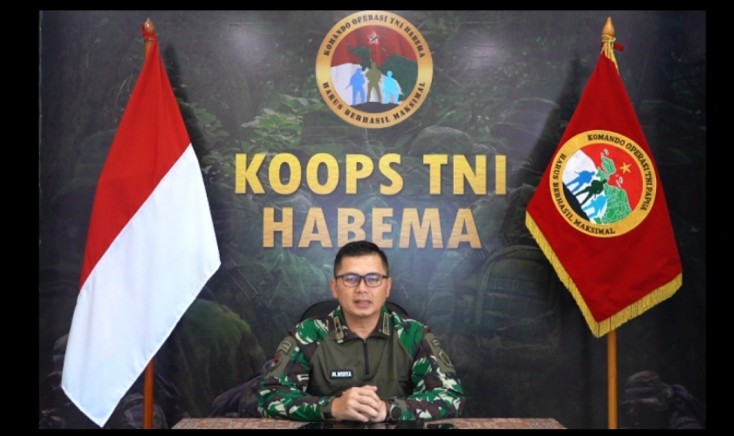
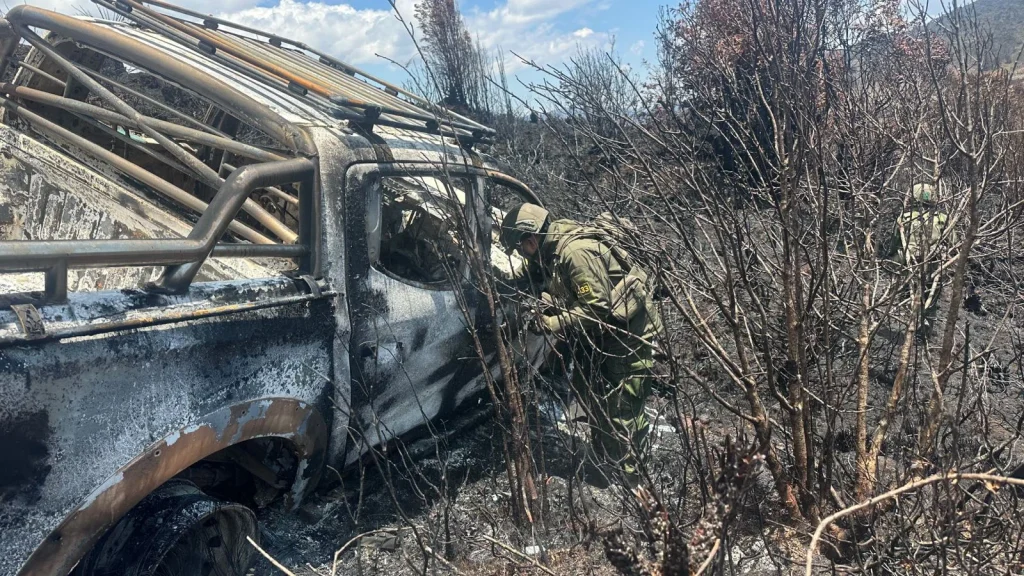
According to official updates from Koops TNI Habema, the group stopped the convoy. Afterward, they ordered the passengers to return to Wamena and took Aris Sanda toward the Lake Habema area. Subsequent search and sweeping operations by Koops TNI Habema eventually led to the discovery of a burned vehicle and the driver’s body. Lieutenant Colonel (Inf) M. Wirya Arthadiguna, Head of Information for Koops TNI Habema, confirmed that evacuation procedures are being executed carefully. Meanwhile, security forces are pursuing the armed group and actively supporting the legal enforcement process.
Losing a driver who spent years serving local communities directly threatens food distribution, school access, and healthcare. Ultimately, this ensures we safeguard civilian lives and maintain regional stability.
You can read the complete official coverage on Garuda TV.
👉 ALSO READ: Trans-Papua Travel Time: How the Road Cut Journeys From Days to Hours.
Decisive Action and Institutional Coordination
Responding swiftly to the report, security forces executed thorough search operations around the scene. Furthermore, military and security elements continue to coordinate closely with local governments, community leaders, and civil society. This coordinated response ensures that security operations remain professional and targeted. As a result, authorities aim to prevent future violence while preserving a safe environment for residents and workers.
Addressing Concerns: Balancing Enforcement and Community Trust
Security measures alone cannot fully resolve the deep socioeconomic challenges facing remote Papuan communities. However, establishing safety along major transport corridors creates the essential foundation needed for local development.
Fortunately, ongoing security patrols and proactive community engagement help keep vital roads open and usable. Furthermore, regional authorities must maintain close communication with local populations to address emerging security concerns swiftly. Because of this collaborative approach, security efforts work hand in hand with regional growth and community well-being.
Conclusion: Preserving Hope and Regional Stability
Ensuring safety across Papua’s transport routes is much more than a tactical necessity. More importantly, protecting drivers, workers, and civilians ensures that remote villages remain connected to essential markets, schools, and healthcare facilities. When security enforcement joins forces with community trust, the positive impact protects the future of the region.
Over time, addressing security threats head-on helps turn difficult challenges into a safer environment for long-term regional development.