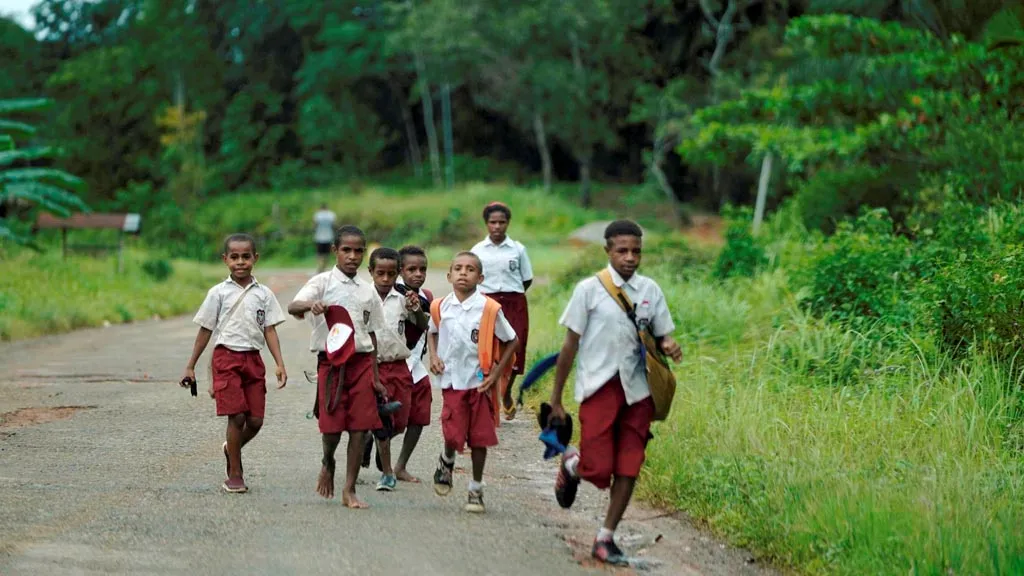
Roads help protect children’s health in remote Papua by bringing fresh food, vaccines and medicines to villages faster and cutting travel time to clinics in emergencies. The article argues that children’s right to health depends on transport and food supply as much as on medical facilities, since clinics cannot work well without roads leading to them.
Access and Children’s Health in Papua
Children’s health in Papua depends on more than medical facilities. In fact, families require consistent access to nutritious food and doctors.
In remote regions, severe geographical barriers limit essential basic needs. Better transport infrastructure directly addresses these gaps. Consequently, improved connectivity helps deliver health services straight to rural homes. Therefore, roads serve as vital lifelines for young children across Papua.
Roads as a Link to Food and Healthcare
Transport access directly connects rural communities with provincial health hubs. For instance, paved roads allow faster emergency transport during medical crises.
In addition, reliable transport corridors simplify food supply chains throughout Papua. Through these integrated networks, fresh produce reaches remote clinics quickly. As a result, physical infrastructure becomes a primary driver of childhood nutrition.
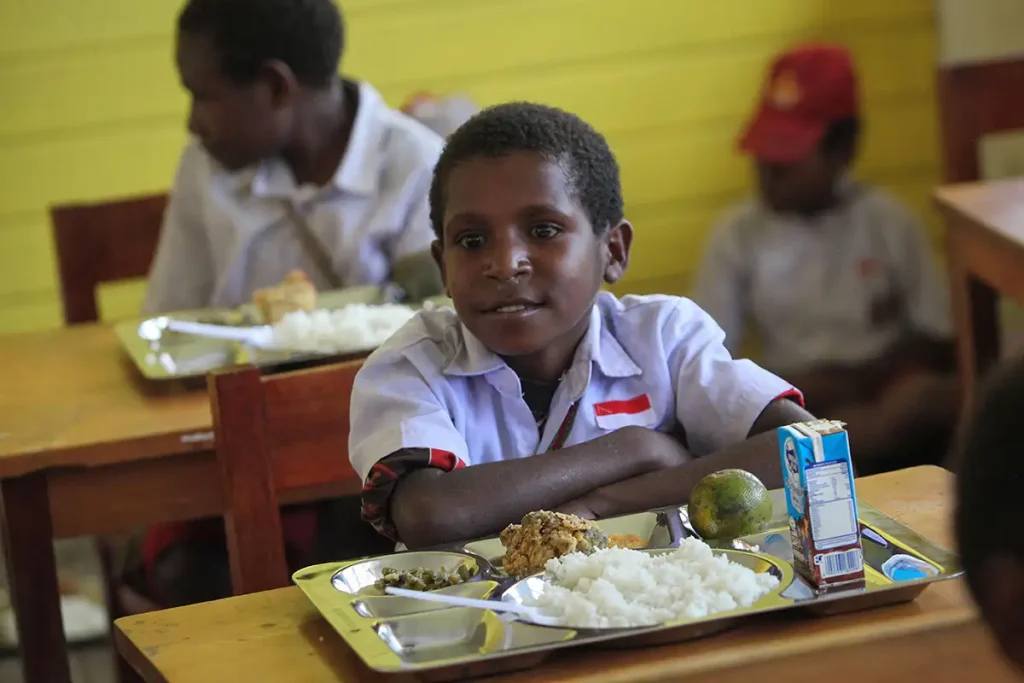
Basic Health Access
Expanding regional transport networks creates measurable improvements for child welfare. Four healthcare targets stand out:
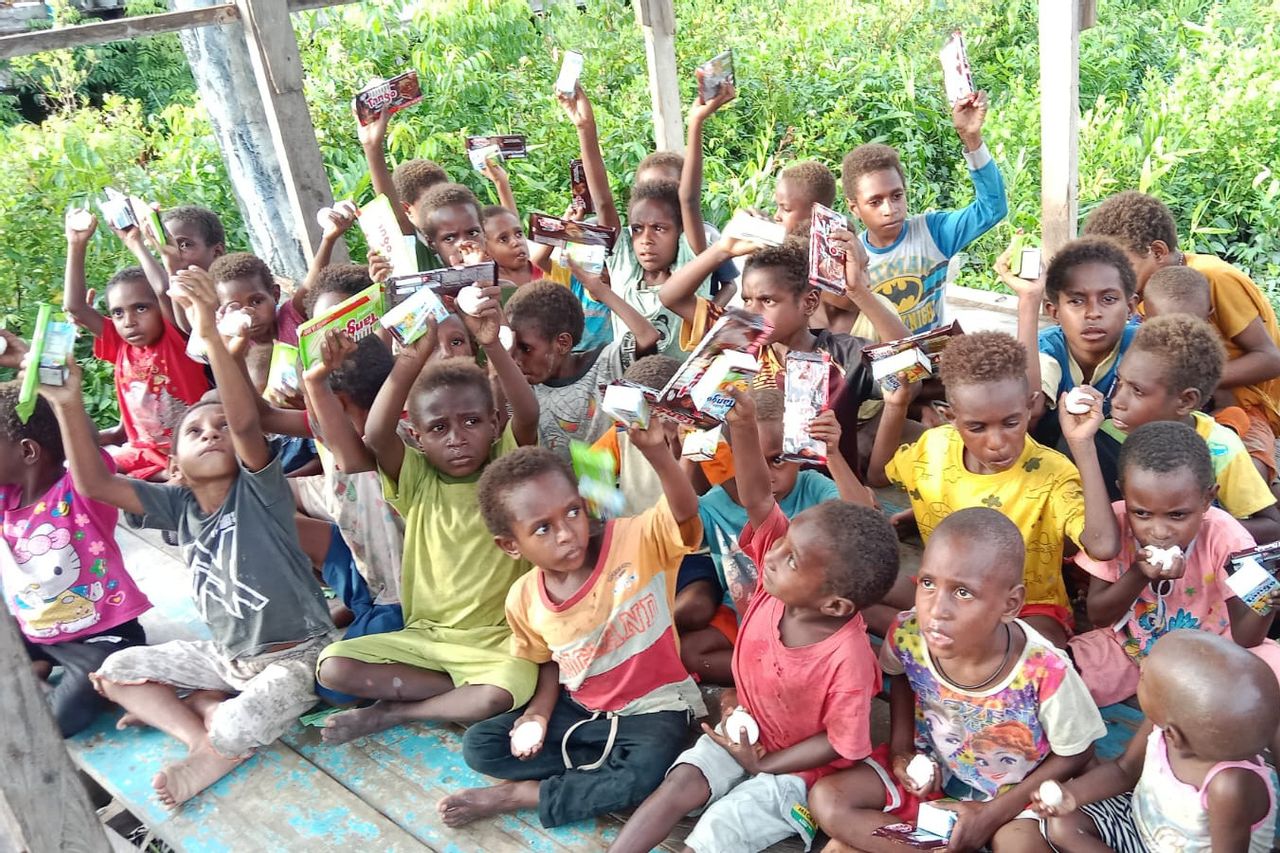
- Nutritious Food Access: Steady food distribution ensures higher availability of fresh meals for kids.
- Healthcare Mobility: Paved roads reduce travel time to distant regional clinics across Papua.
- Efficient Medical Supplies: Essential vaccines, medicines, and medical tools arrive without long delays.
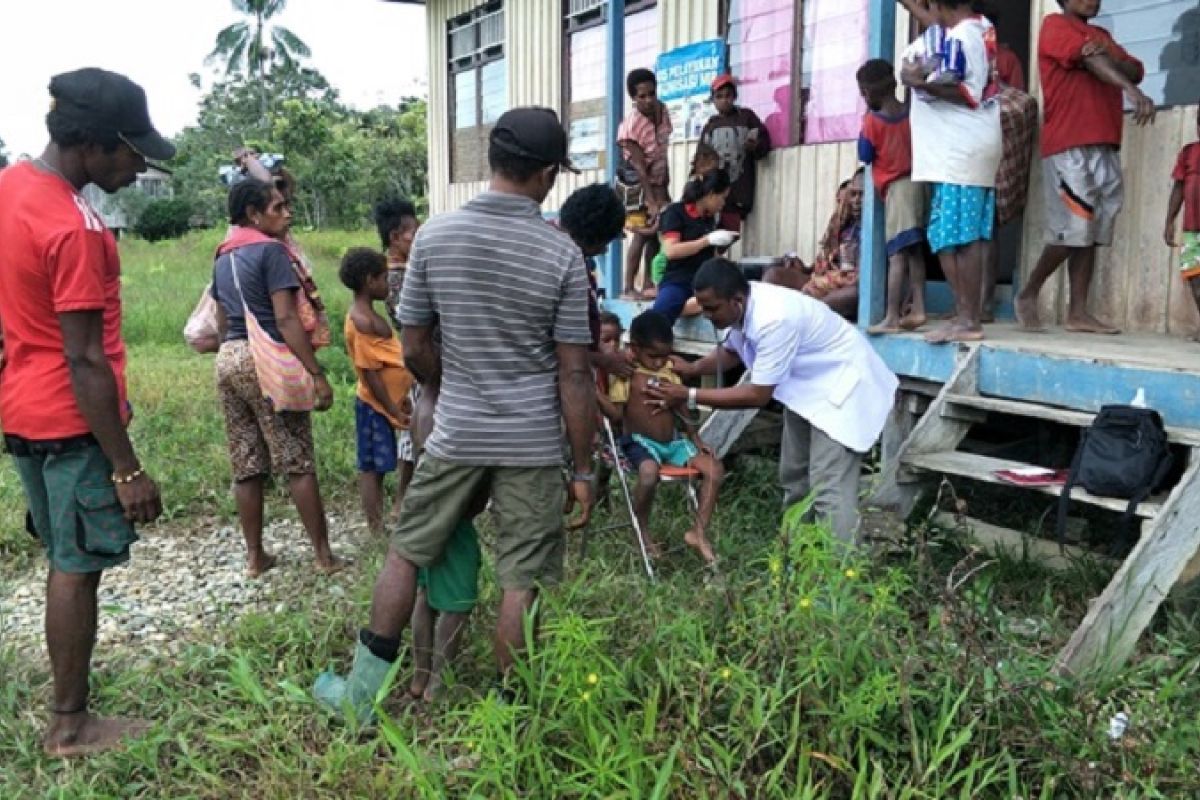
- Early Support Services: Better connectivity allows doctors to treat early childhood illnesses promptly.
Together, these combined measures protect the basic health rights of every Papuan child.
What do official figures show?
In the 2018 Asmat measles and malnutrition outbreak, 72 children died, and only eight of them died in hospital, BBC News Indonesia reported, citing the Ministry of Health. In the National Food Agency’s 2026 Food Security Index, all 18 regencies rated “very vulnerable” in Indonesia are in Papua, and Highland Papua’s regencies average about 36 out of 100, against a national average of about 72.
Building Healthier Futures in Papua
Fulfilling children’s basic human rights requires a fully integrated approach. In addition, healthcare facilities cannot function effectively without reliable road networks.
ALSO READ: Papua Rural Healthcare: Why Distance Still Decides Who Gets Treated
By connecting transportation, nutrition, and public health, Papua establishes equal opportunities. In conclusion, building strong rural infrastructure secures a healthy and vibrant future for Papua’s youth.