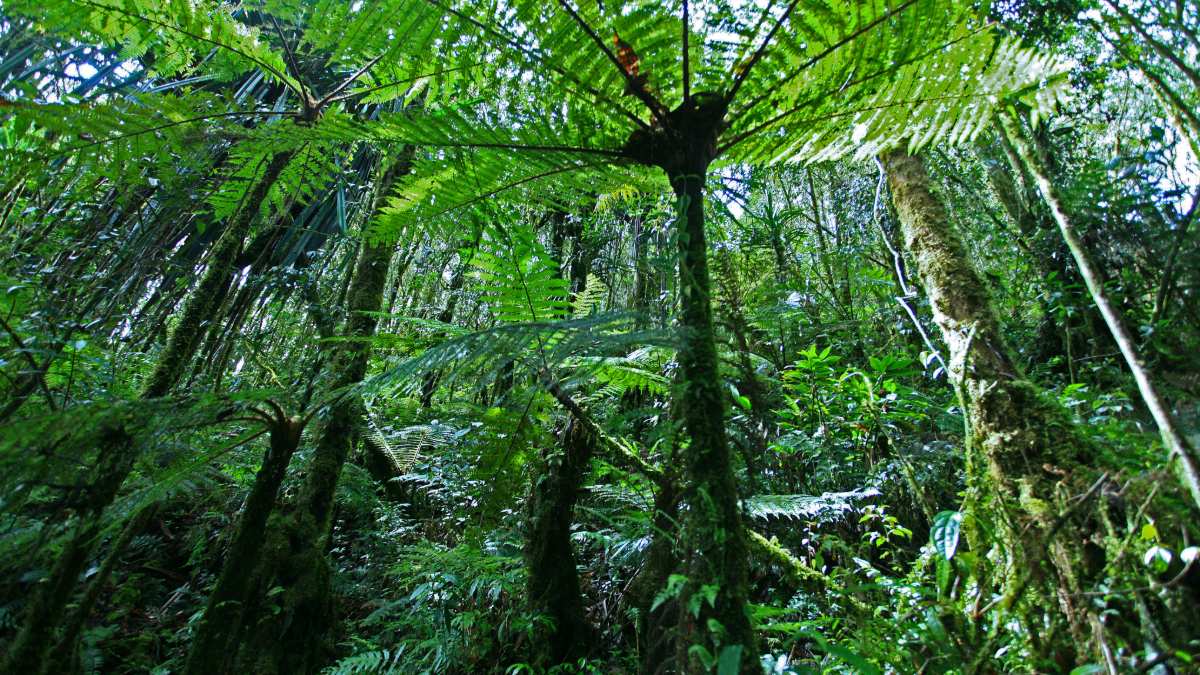
Tanah Papua covers the six Indonesian provinces on the western half of the island of New Guinea. Across the region, customary forests are important to Indigenous identity, livelihoods and environmental protection. Between 2022 and 2025, Indonesia’s Ministry of Forestry and its predecessor, the Ministry of Environment and Forestry, officially recognised 61,610 hectares of customary forests for 12 Indigenous communities, according to ministry figures reported by Jubi. Although this marks progress, the recognised area represents only part of the wider customary territories across Papua.
Understanding the Legal Status of Customary Forests
For generations, Indigenous communities in Papua have maintained relationships with forests through customary laws and traditional institutions. These territories support livelihoods, cultural practices, and local resource management. Customary ownership and government recognition, however, are not automatically the same.
👉 ALSO READ: Sustainable Land Use in Papua: Respecting Indigenous Customary Rights
In May 2013, Indonesia’s Constitutional Court ruled in decision 35/PUU-X/2012 that customary forests are forests within the territory of customary law communities, and are not state forest. Even so, the ruling did not automatically grant formal customary forest status to every Indigenous territory. Communities still need to meet legal and administrative requirements. These include a regional regulation recognising them as a customary law community, a regent’s decree on their territory, and a ministerial determination of their forest areas, Jubi reported. This distinction is important when measuring progress on Indigenous land rights.
Key Pillars: How Much Customary Forest Has Been Recognised?
61,610 Hectares Across 12 Indigenous Communities
According to the Ministry of Forestry’s figures reported by Jubi in October 2026, the government officially recognised 61,610 hectares of customary forests for 12 customary law communities across Tanah Papua between 2022 and 2025. The recognition benefits 1,434 households.
The recognised areas lie in three provinces:
- Papua Province: six customary law communities in Jayapura Regency.
- West Papua Province: one customary law community in Teluk Bintuni Regency.
- Southwest Papua Province: five customary law communities in South Sorong Regency.
Catur Endah Prasetiani, the Ministry of Forestry’s Director General of Social Forestry, gave the figures. The government handed over the first seven of these recognitions, covering 39,911 hectares, in October 2022. Six were in Jayapura Regency and one in West Papua. It was the first time the government had recognised Indigenous Papuans’ ancestral forests, Mongabay reported. Civil society groups are helping at least one proposal: Jubi reports that Bentara Papua and Greenpeace Indonesia are assisting the Knasaimos people of South Sorong with theirs.
Comparing Official Recognition with Wider Customary Territories
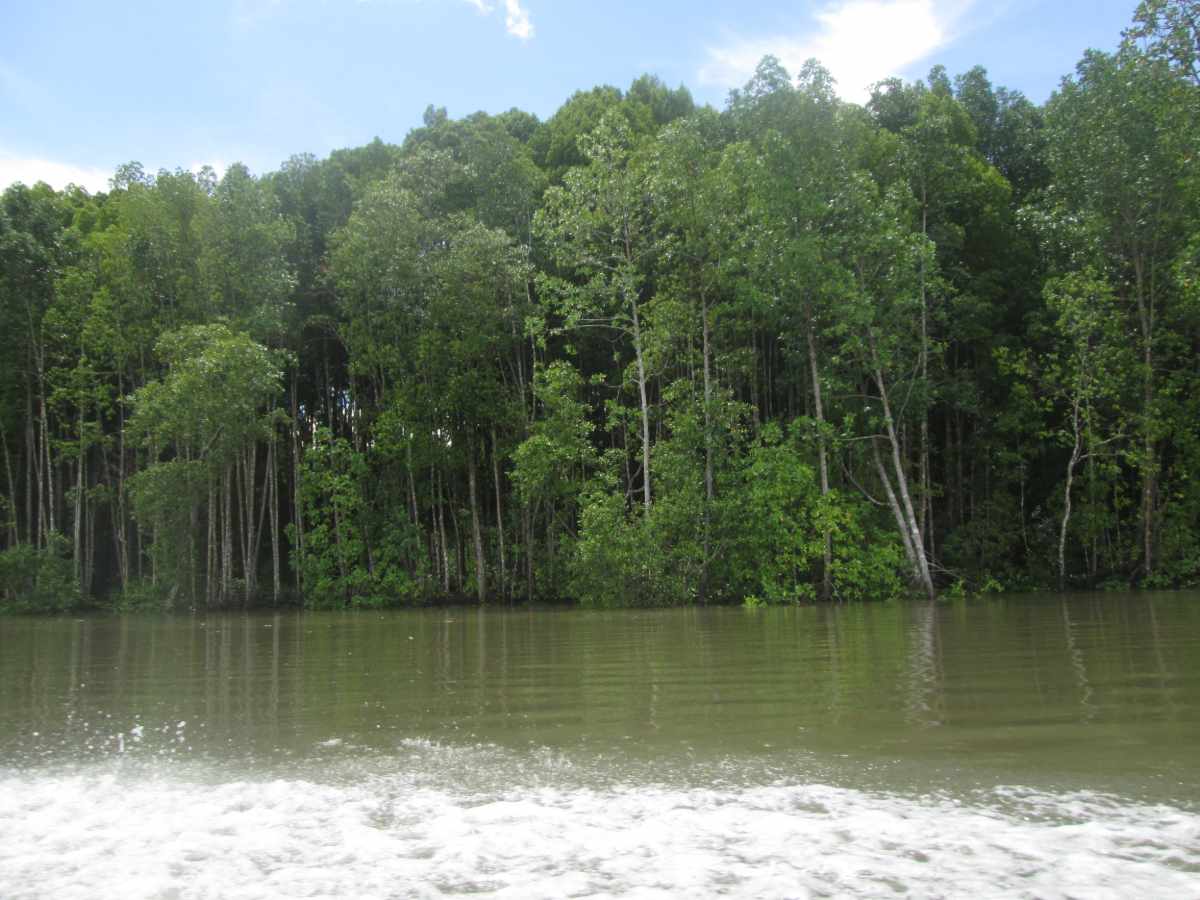
The scale of customary territories in Papua is much wider than the area of forests formally recognised by the government. As of August 2025, the customary territory registry Badan Registrasi Wilayah Adat (BRWA) had registered 303 mapped customary territories in Papua, covering about 14.85 million hectares, Katadata’s Databoks reported. Earlier BRWA data from 2024, cited by WRI Indonesia, put the customary territory in Tanah Papua at about 13.4 million hectares, of which around 12.35 million hectares, or 92%, had the potential to become customary forest.
These figures describe registered customary territories and their potential, not land that has already received official customary forest status. By this article’s own calculation, the 61,610 hectares recognised so far equal about 0.4% of the 14.85 million hectares BRWA had registered by August 2025, or about 0.5% of the 12.35 million hectares that WRI Indonesia, citing BRWA’s 2024 data, said had customary forest potential. The comparison is approximate, because the figures come from different years and mapped territory is not the same as forest. Government recognition therefore remains an important step in securing Indigenous communities’ rights over their ancestral forests.
Addressing Concerns: Recognition Must Reach More Communities
Despite legal progress, many Indigenous communities are still waiting for formal recognition. At least 55 customary law communities in Papua, West Papua, Southwest Papua and South Papua had submitted proposals, Jubi reported in October 2026. Of these, 24 were complete, covering 135,404 hectares, and 21 were incomplete, covering 806,204 hectares. Jubi does not explain the other ten of the 55. It separately reports that on 3 September 2026 the ministry received ten new proposals, five from Jayapura Regency and five from Tambrauw Regency. The report does not say whether the 55 include them. These figures represent proposed areas, not officially recognised customary forests.
This distinction highlights the gap between submitting a claim and receiving legal protection. Clear administrative procedures, coordination between regional and central governments, and transparent decisions are essential to help more communities secure recognition.
Conclusion: Measuring Progress Beyond the Numbers
The recognition of 61,610 hectares for 12 indigenous communities marks progress in protecting customary forests across Tanah Papua. However, the wider customary territories recorded by BRWA show that the formal recognition process still has a long way to go.
Recognition is meant to give customary communities clearer legal authority over their forests. Fredrik Sagisolo, who chairs the Knasaimos customary council in South Sorong, told Jubi that his community chose to propose customary forest status over other social forestry schemes because it is clearly tied to its authority as a customary community. Others quoted in the same report are more critical. Grahat Nagara, an agrarian law lecturer at the Jentera School of Law, said the state issues permits to extractive companies easily, while customary forest recognition is very slow and complicated. Zoel Hasbullah, head of BRWA’s Tanah Papua office, said recognition must come with a government commitment to limit permits. Forests are also a source of income and food for the communities who live in and around them, WRI Indonesia notes.
This article separates mapped territories, submitted proposals, and forests officially recognised by the state. Ultimately, the measure of progress is how many Indigenous communities gain legal certainty over their ancestral forests.