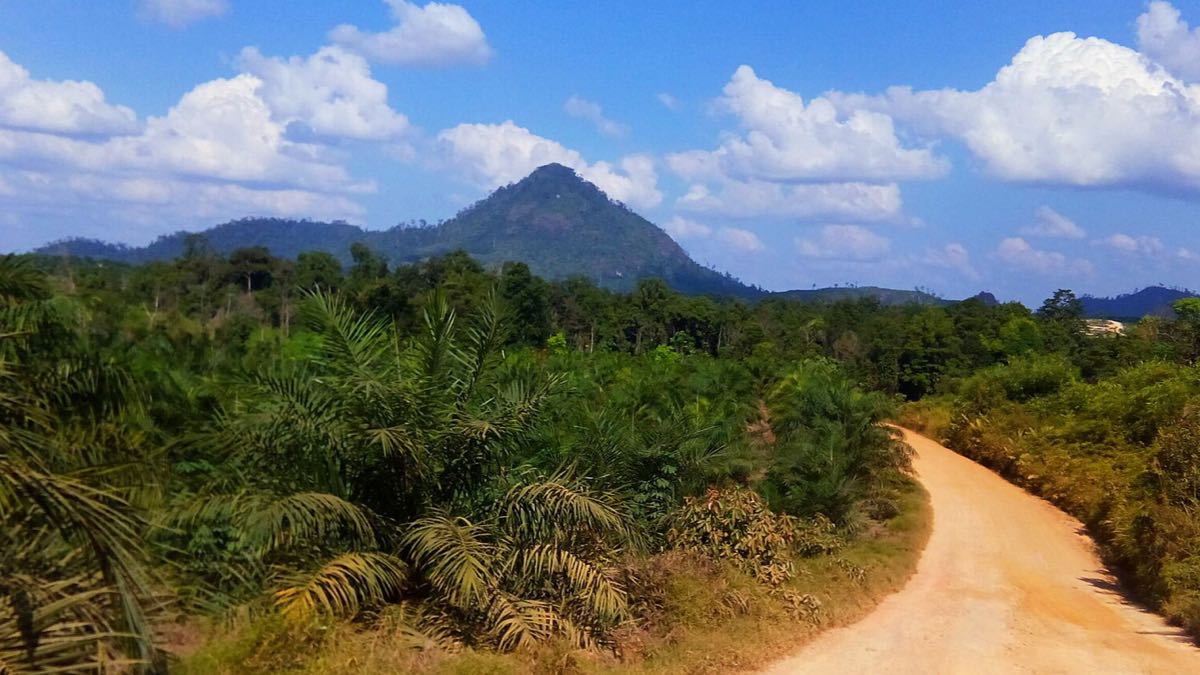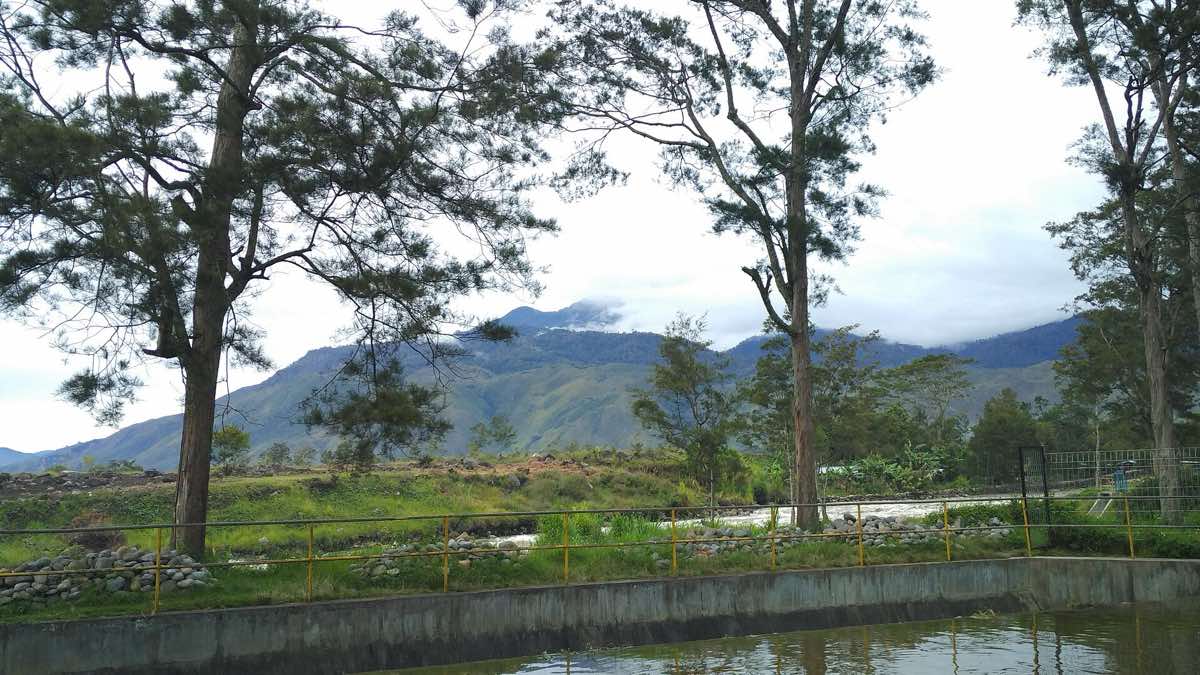
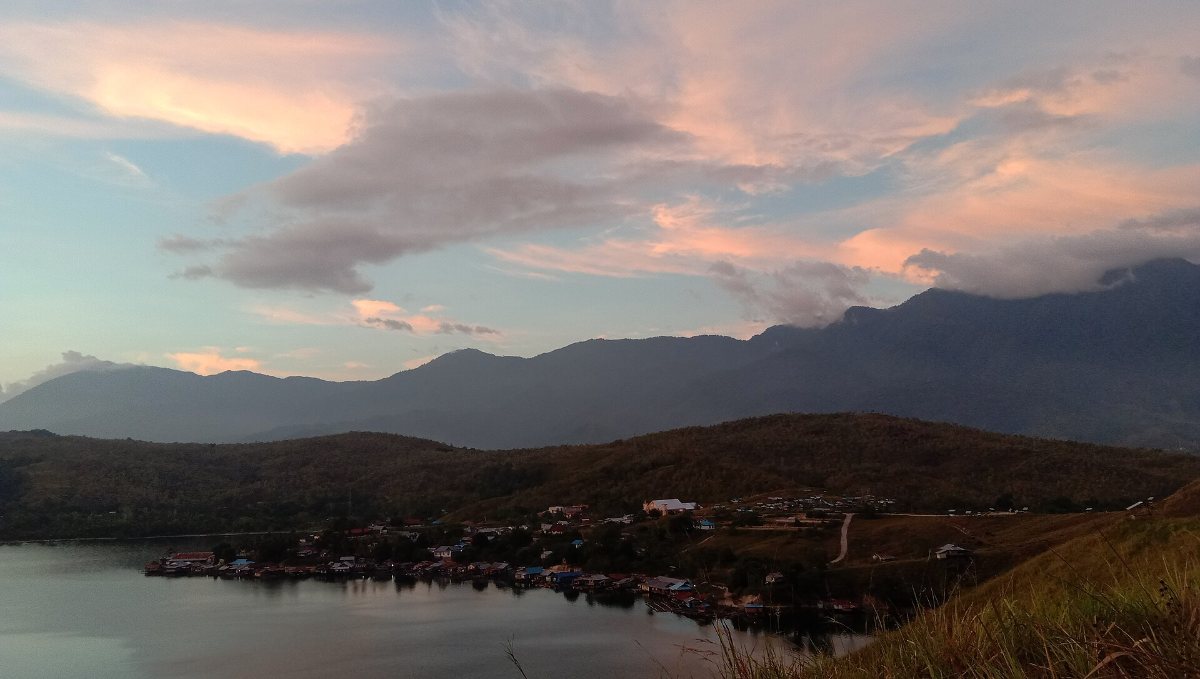
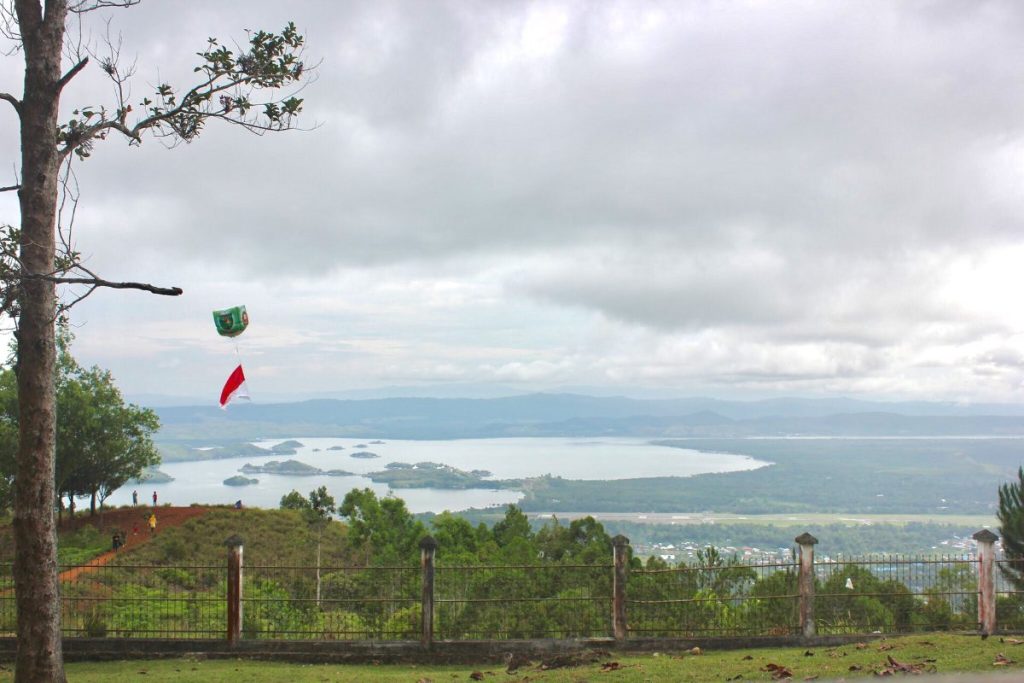
Lake Sentani in Jayapura Regency, Papua, is one of the region’s best-known natural attractions, famous for its scenic islands, surrounding hills and traditional lakeside communities. The lake supports local livelihoods through fishing, transportation and tourism, but its appearance does not tell the whole story. Research and reports from local residents have raised concerns about rubbish, domestic waste and declining water quality, with scientific studies identifying elevated organic pollution indicators and bacteria at several sampling locations. The authors of one of these studies attribute the pollution mainly to domestic waste and rubbish dumped into the lake.
Understanding the Sources of Pollution in Lake Sentani
Waste entering Lake Sentani is closely connected to activities around its surrounding settlements and waterways. Household rubbish, wastewater and other materials can travel through rivers before reaching the lake. Agricultural activities, aquaculture and tourism also place pressure on its ecosystem.
In September 2023, Jubi reported complaints from residents of Kampung Kensio and Kampung Netar about rubbish carried into the lake through several rivers, including Kali Kemiri, Kali Abeale, Kali Belo, Kali Yabawi, Kali Napai and Kali Menua. The waste included plastic, bottles, cans, cardboard, food scraps and discarded vehicle parts. Jayapura Regency’s Environmental Agency acknowledged that lake waste management had not been handled seriously, partly because it lacked supporting equipment, including a speedboat.
👉 ALSO READ: Community Tourism in Papua: How Village-Run Homestays Keep Money Local
Key Pillars: What Do Water Quality Studies Show?
Different Locations, Different Pollution Levels
A study published in the Indonesian Journal of Social Technology in March 2024 examined water quality at three locations: Ifale, Asei and Jaifuri. Researchers collected samples four times during 2023 and assessed ten parameters against water-quality standards under Government Regulation No. 22 of 2021. Seven parameters failed to meet the applicable standards: total suspended solids (TSS), biological oxygen demand (BOD), chemical oxygen demand (COD), lead (Pb), oil and grease, total detergent and total coliform.
Using the STORET assessment method, the researchers classified Ifale as moderately polluted, while Asei and Jaifuri were classified as heavily polluted. The average score across the three stations was -68.67, which fell into the heavily polluted category under the study’s classification.
A separate study published in June 2026 in the International Journal of Hydrological and Environmental for Sustainability assessed five sampling stations using five different water-quality methods. Its findings also showed differences between locations. Sentani Town consistently recorded the poorest water quality, while Ayapo had the best condition among the sampled stations.
The researchers identified elevated BOD, phosphate, ammonia and total coliform as important contributors to water-quality deterioration. Depending on the assessment method, results ranged from lightly to moderately polluted or moderately to heavily polluted.
Rubbish Collection Shows the Scale of the Challenge
Community clean-up activities also provide evidence of the waste problem around the lake. On 9 March 2024, a clean-up organised by Earth Hour, WWF, the Jayapura Regency Environmental Agency and other organisations collected 342 kilograms of rubbish from a Lake Sentani pier. Of this amount, 134 kilograms consisted of plastic waste, 20 kilograms of glass bottles and 188 kilograms of mixed rubbish, according to Jubi.
Although this was a single clean-up activity rather than a measurement of all waste entering the lake, it demonstrates the practical challenge of managing rubbish around public waterfront areas.
Addressing Concerns: Can Local Monitoring Keep Up?
Reliable water-quality monitoring remains another challenge. In August 2024, Jubi reported that Origenes Monim, then Secretary of the Jayapura Regency Environmental Agency, said the agency faced limitations in equipment and laboratory facilities needed to assess the condition of Lake Sentani’s water. He explained that monitoring the entire lake required more adequate facilities and technology. The agency had installed two monitoring devices at Ifar Besar and near Khalkote, but these locations could not provide a complete picture of water quality across the lake. Limited budgets also made continuous monitoring difficult.
This highlights an important difference between local observations and scientific assessments. Residents may see rubbish accumulating along the shoreline, while laboratory testing identifies pollutants that cannot be judged by appearance alone. Both forms of evidence matter, but regular sampling across different parts of the lake is needed to understand changing conditions.
The Environmental Agency’s own statements point to two gaps: equipment for handling rubbish on the lake, and facilities for monitoring its water.
Conclusion: Protecting More Than a Beautiful Landscape
Lake Sentani remains an important natural and economic resource for communities in Jayapura. However, research findings and residents’ complaints show that waste and water pollution deserve greater attention. The available studies identify pollution at several sampling locations, while local reports reveal the difficulties of managing rubbish and monitoring the lake consistently. The authors of the 2024 study say their results can guide Jayapura Regency and Papua Province authorities in controlling the lake’s water quality.
Ultimately, protecting Lake Sentani means looking beyond its beautiful photographs. Its long-term value depends on maintaining healthy water, supporting local livelihoods and ensuring that communities can continue using the lake without increasing pressure on its ecosystem.