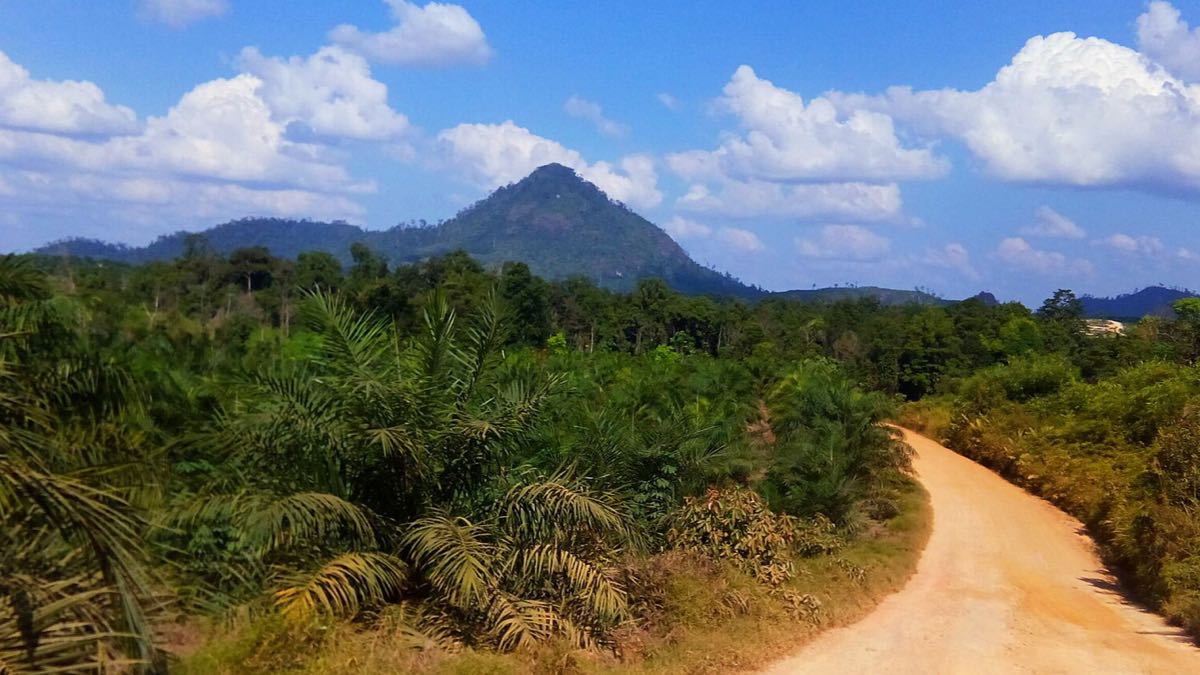
Oil palm expansion has changed parts of Papua’s forest landscape over the past decade. While plantations can create jobs and economic opportunities, they also raise questions about land rights, biodiversity and Indigenous livelihoods. Research and recent reports show that the pace of expansion has changed, but pressure on customary forests remains a concern.
Oil palm plantations in Tanah Papua expanded by an average of about 12,727 hectares a year between 2010 and 2022, according to WRI Indonesia. Annual growth averaged 28.8% from 2010 to 2015 and slowed to 4.3% a year from 2016 to 2022. That is a slowdown, not an end to plantation development.
How Fast Has Oil Palm Expanded in Papua?
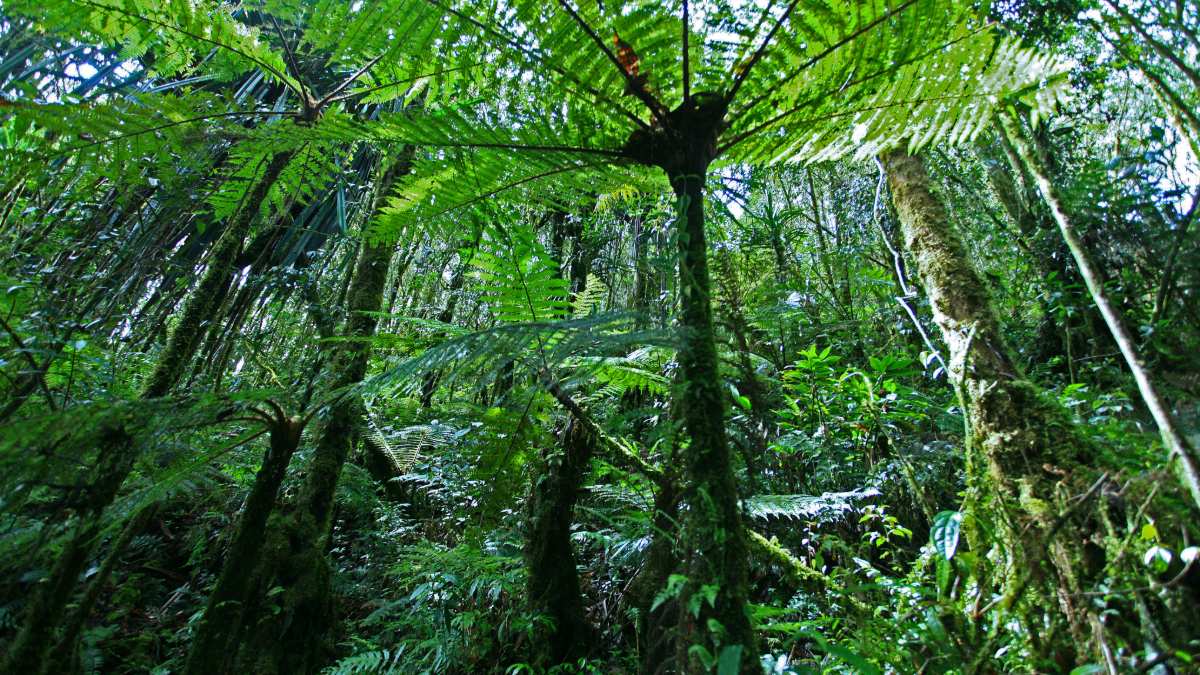
Papua remains one of Indonesia’s largest forest regions. However, its forests face growing pressure from plantations, infrastructure and other land-based industries. These changes affect more than the environment. Forests also provide food, building materials, medicine and cultural spaces for Indigenous communities.
A February 2026 report by WRI Indonesia found that oil palm plantation areas in Tanah Papua expanded by an average of around 12,727 hectares per year between 2010 and 2022. Expansion was fastest between 2010 and 2015, when the annual rate averaged 28.8%. It then slowed to 4.3% per year between 2016 and 2022. This shows a change in expansion speed, not an end to plantation development.
👉 ALSO READ: Papua’s Customary Forests: How Much Land Has the State Officially Recognised?
How Much Forest Has Papua Lost?
Forest Loss and Plantation Growth
Forest monitoring helps show how the landscape has changed. A 2026 analysis by the Centre for Strategic and International Studies (CSIS) reported that Papua lost around 1.1 million hectares of tree cover between 2001 and 2023. The analysis linked forest pressure to land-based industries, including oil palm and industrial forest plantations.
However, tree cover loss does not always mean permanent deforestation. It can also include temporary damage from logging, fire and other disturbances. Global Forest Watch data should therefore be read alongside government forest-cover statistics and information about land use. The Ministry of Forestry’s 2024 figures recorded 95.5 million hectares of forested land across Indonesia, but this national figure does not show the specific impact of oil palm in Papua.
Indigenous Communities and Customary Land
The effects of plantation development extend beyond forest cover. Many Indigenous communities depend on customary forests for food, livelihoods, clean water and cultural practices. When land is cleared or its status changes, communities can face reduced access to these resources.
Plantation governance therefore matters. Stronger permit oversight, protection of important forest areas and the involvement of Indigenous communities in decisions about customary land would allow economic opportunities to be weighed against long-term environmental and social needs.
Who Benefits From Oil Palm Plantations in Papua?
Oil palm can create employment, business opportunities and local government revenue. However, these benefits depend on how companies operate, how land is acquired and whether local communities receive a fair share. WRI Indonesia’s 2026 review examined the permits of 55 oil palm companies in Papua. It found that the provincial government recommended revoking 33 expired licences, while 22 companies were asked to take corrective action.
The report also highlighted problems with incomplete company records, overlapping authority and limited monitoring capacity. It stressed that reviewing permits is not enough. Governments must also clarify what happens to land after licences are revoked, including whether customary rights can be restored.
Can Papua Balance Oil Palm and Forest Protection?
Over the past decade, oil palm expansion in Papua has slowed compared with its earlier peak. However, large concession areas, forest loss and disputes over customary land show that pressure on forests has not disappeared.
The challenge is to ensure that plantation development does not come at the expense of Indigenous rights and long-term environmental health. Transparent land data, stronger permit oversight and meaningful community participation are essential. Economic benefits should also be assessed through their impact on local livelihoods, not only plantation size or production figures.