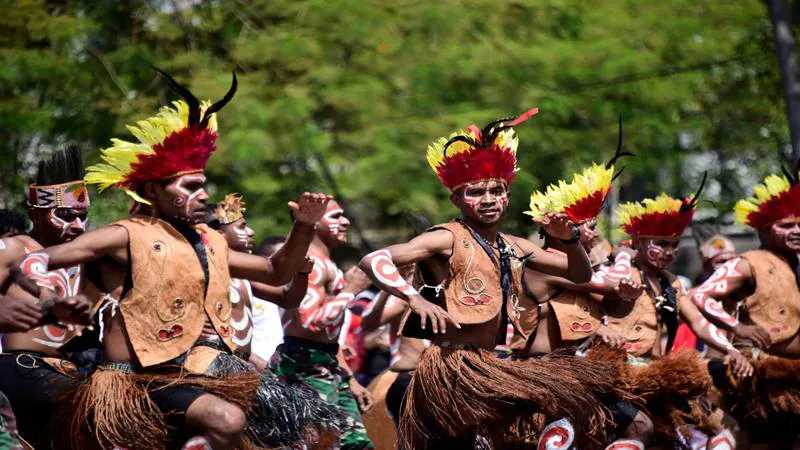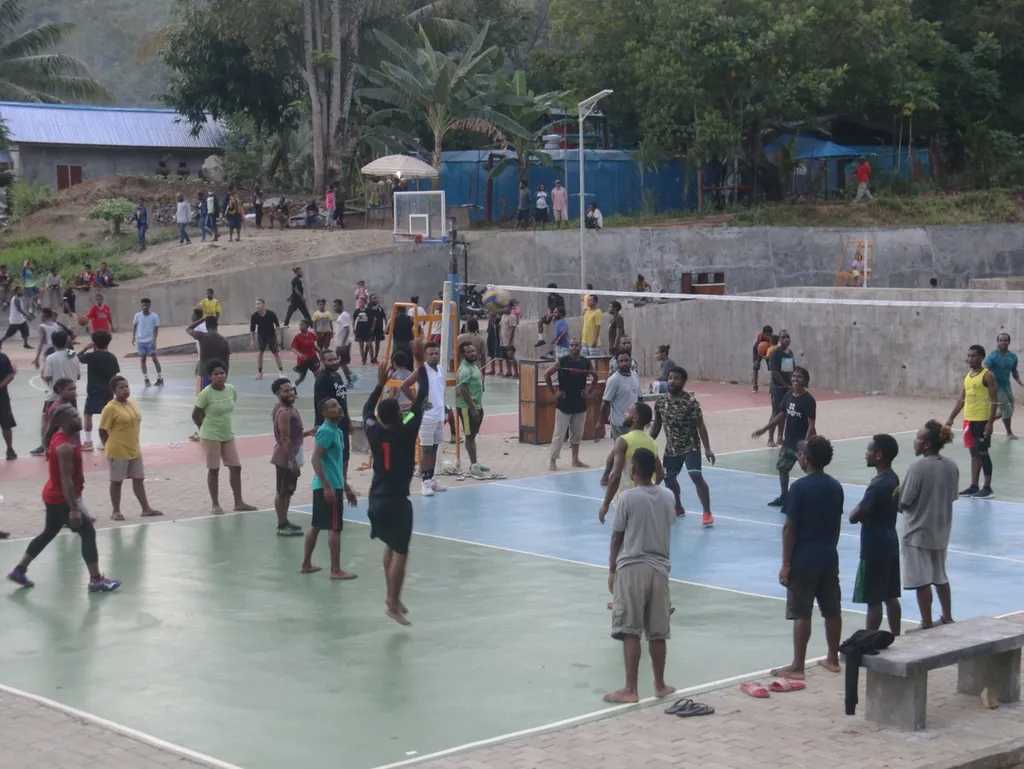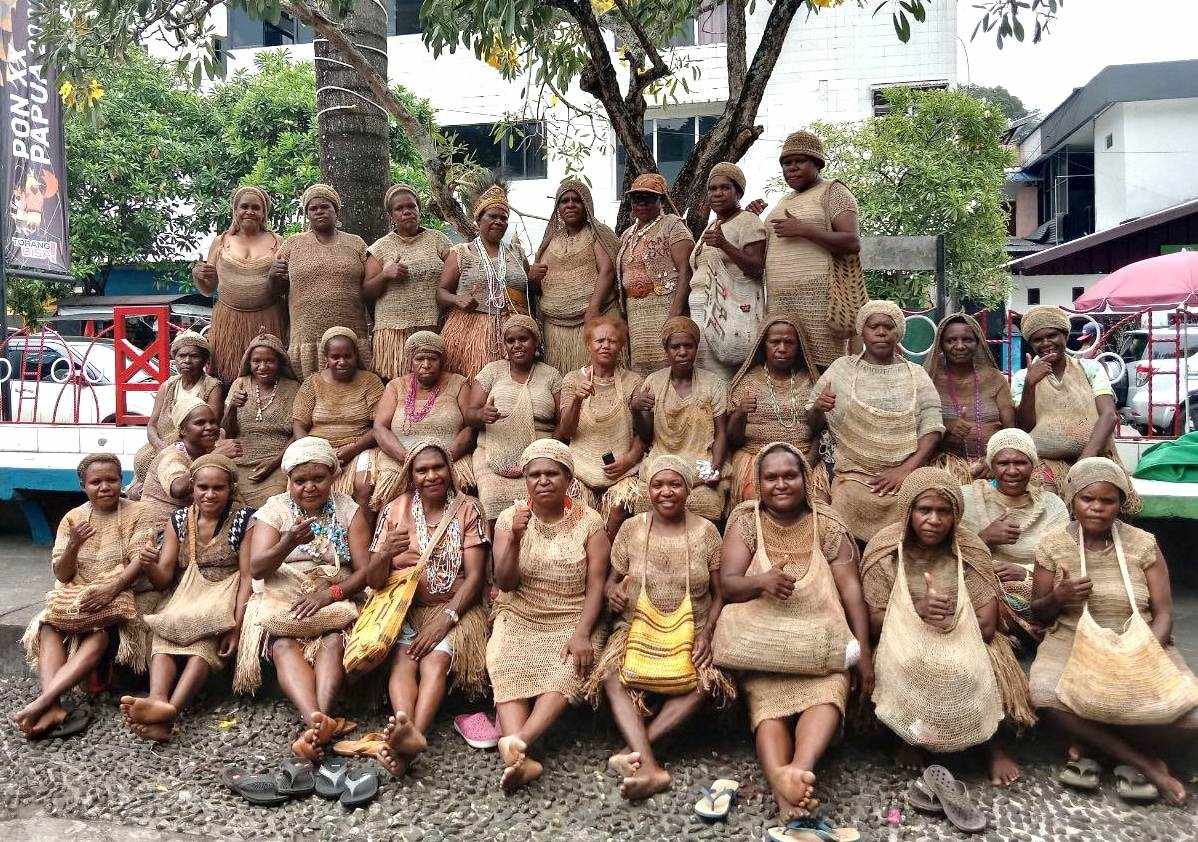
In many Papuan communities, disputes can be addressed through customary deliberation involving elders, clan leaders and community representatives. These forums provide a way to seek agreement, restore relationships and maintain social harmony without immediately turning to formal courts. Papua’s Special Autonomy Law also recognises customary justice, while setting boundaries for its authority.
Understanding Customary Dispute Resolution in Papua
Customary law remains an important part of community life across Papua. In some areas, disputes involving family relationships, customary land, boundaries and obligations between clans are discussed through traditional forums. Community leaders listen to the parties, consider customary rules and help them reach an agreement.
The process differs between communities. Coastal communities may use a para-para adat, while people in the Central Highlands may hold discussions in a honai. These forums are not simply informal conversations. They draw on local traditions, customary authority and shared responsibilities to resolve disagreements.
Papua’s Special Autonomy Law provides a legal foundation for this practice. Articles 50 and 51 of Law No. 21 of 2001 recognise customary courts within certain customary law communities. Article 51 describes them as peace courts with authority over customary civil disputes and criminal cases involving members of the relevant customary community.
👉 ALSO READ: Papua’s Customary Forests: How Much Land Has the State Officially Recognised?

Key Pillars of Customary Deliberation
1. Community Leaders Help Restore Relationships
Customary deliberation often involves elders, clan leaders and other respected community figures. Rather than focusing only on punishment, the process can seek agreement between the parties and restore relationships within the community. Depending on local customs, settlements may involve compensation, customary obligations or ceremonies.
A 2026 study of the Kankain Karkara Mananwir system among the Byak community in Biak describes a structured process for resolving disputes. It identifies two levels of customary authority: Mananwir Keret, which handles disputes within clans, and Mananwir MNU, which helps mediate disputes between communities. The research also discusses how the system can involve migrants in reconciliation processes.
2. Customary Institutions Can Help Prevent Wider Conflicts
Customary institutions can also play a role in disputes involving several clans or communities. In March 2026, ANTARA reported that customary institutions in Papua Pegunungan were helping address conflicts through deliberation in traditional forums. In the highlands, discussions may take place in a honai, while coastal communities commonly use a para-para adat. The report also described the use of pigs and other customary compensation as part of reconciliation in some disputes.
A more recent example comes from Kapiraya, where the Kamoro community in Mimika and the Mee communities in Deiyai and Dogiyai have been involved in a customary boundary dispute. In April 2026, ANTARA reported that Papua Tengah’s provincial government had facilitated customary dialogue, participatory mapping and coordination between the communities. The process aimed to develop agreements on customary boundaries and prevent further conflict.
Addressing Concerns: Where Are the Limits of Customary Justice?
Customary deliberation can help communities resolve disputes through familiar procedures and local values. However, its effectiveness depends on whether all parties can participate freely and receive fair treatment. Differences in social status, clan authority or economic resources may affect negotiations. Clear agreements, inclusive participation and respect for the rights of women and other vulnerable community members are therefore important.
Customary justice also operates alongside Indonesia’s formal legal system. Under Article 51 of the Special Autonomy Law, a party who objects to a customary court decision may request a review by the relevant first-instance state court. Customary courts cannot impose imprisonment. This means that customary settlements have legal boundaries, particularly when a case involves serious criminal conduct or requires formal judicial proceedings.
Conclusion: Keeping Customary Justice Relevant
Customary deliberation remains an important way for Papuan communities to address disputes, maintain relationships and prevent disagreements from developing into wider conflicts. Its strength lies in the involvement of local leaders and the use of values understood by the communities concerned.
However, customary justice needs fair procedures, meaningful participation and a clear relationship with state law. When these elements work together, customary institutions can continue contributing to community peace while respecting the rights of everyone involved.