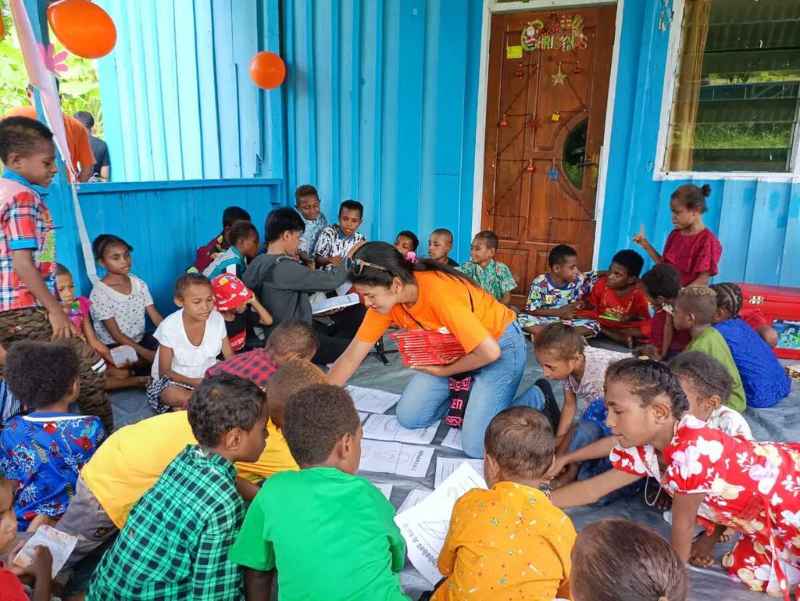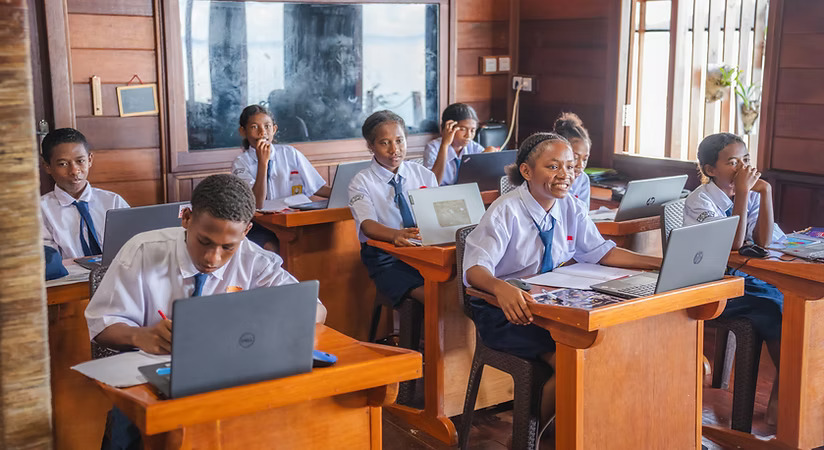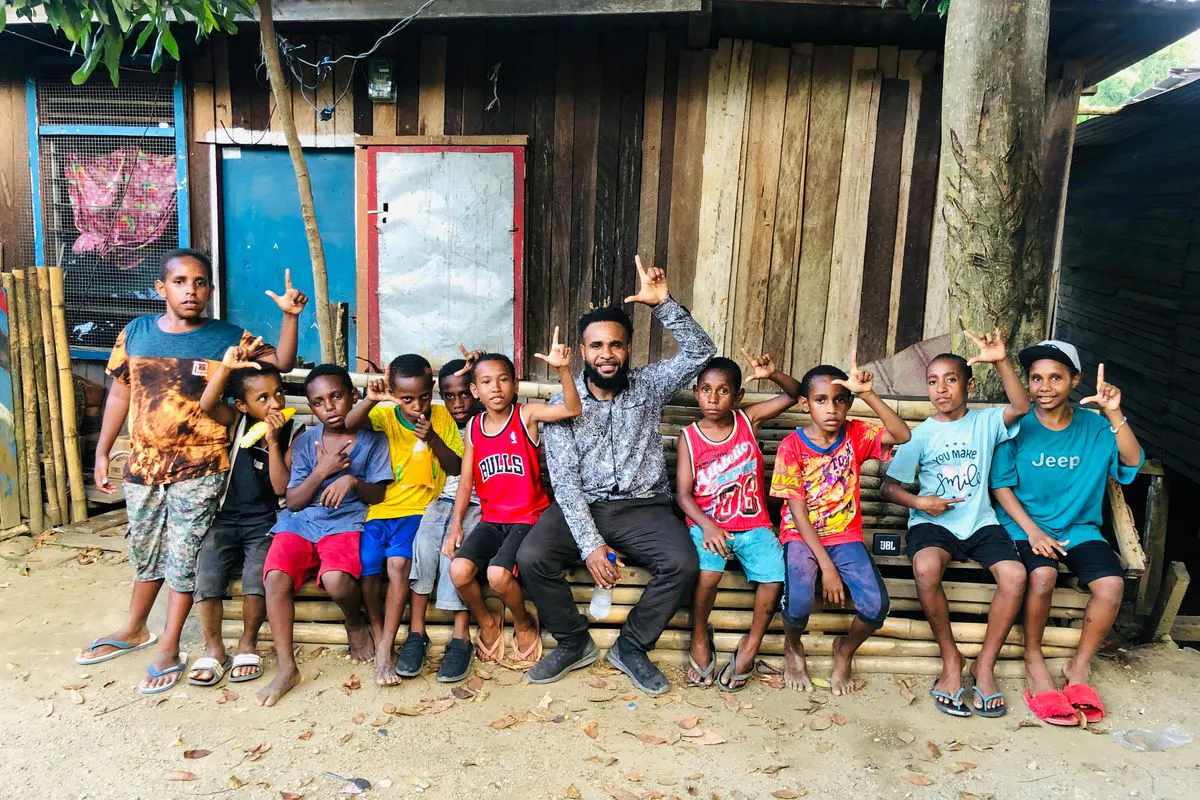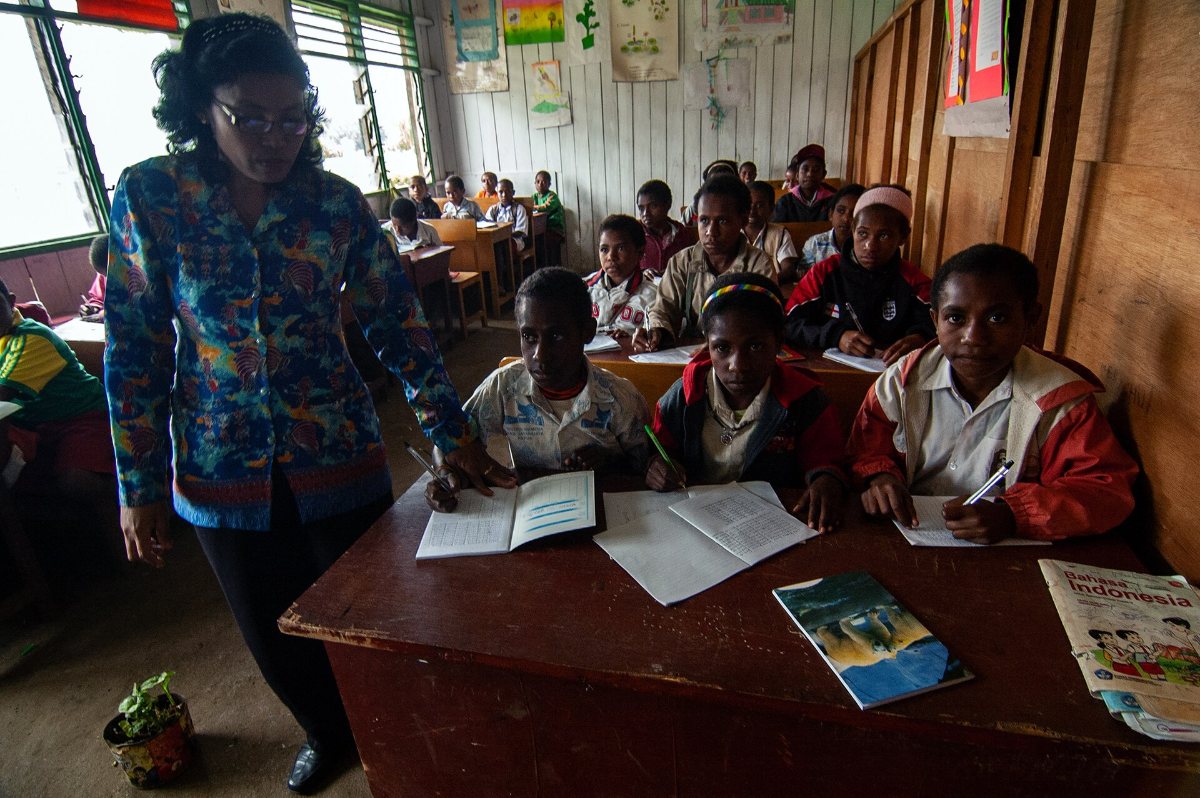
Boarding schools are often seen as one way to improve education access for children living in Papua’s remote highlands. By providing accommodation near schools, they can reduce long journeys and help students attend classes regularly. However, living away from parents and communities also raises questions about children’s well-being, cultural connections and the quality of care they receive.
Why Boarding Schools Matter in Remote Areas
For children in Papua’s highland communities, reaching school can involve difficult journeys across mountains and isolated roads. Some students live too far from secondary schools to travel home every day. Others face transport costs and limited access to nearby educational facilities.
A report by detikEdu in October 2025 described students at SMP Negeri 3 Wamena who had to walk for up to a week to reach school. Some built their own traditional honai structures near the school to use as accommodation. The experience illustrates why safe and organised student housing is important in areas where distance remains a major barrier to education.
Boarding schools offer one possible response by combining education and accommodation in one location. Students can live closer to classrooms, follow regular learning schedules and receive supervision outside school hours. However, the quality of these benefits depends on how each institution manages teaching, accommodation and student welfare.
👉 ALSO READ: Education in Papua: Understanding the Gap in School Participation
Key Pillars of Highland Boarding Schools
1. Better Access and a More Structured Learning Environment
Living near school can reduce the time and cost associated with travelling long distances. It may also help students attend lessons more consistently, take part in extracurricular activities and receive additional academic support. A 2025 study published in Frontiers in Education examined character education at Taruna Papua Indonesia Boarding School. The institution serves students from several Indigenous communities, including Amungme, Kamoro, Moni, Dani and Nduga. The research explored how school activities and dormitory life could integrate local cultural values into students’ daily education.
The approach is also being developed through regional programmes. In Papua Tengah, the provincial education office reported that the government funded 13 dormitories managed by religious institutions from 2025. These facilities accommodated 1,009 students across six districts. The programme illustrates how accommodation can support children who need to live away from home to continue their education. However, these figures refer to Papua Tengah, not Papua Pegunungan.
2. Maintaining Family and Cultural Connections
Education involves more than classroom learning. Children also develop through relationships with parents, relatives and their communities. For students who live in dormitories, regular contact with family can help maintain emotional support and a sense of belonging. Schools can encourage this through scheduled visits, communication with parents and activities that include local languages and cultural knowledge.
Research on boarding education in Papua also highlights the need to consider students’ social and cultural experiences. A 2019 study published in Asian Social Science, titled The Problem of Dormitory Schools as Human Resources Development for Native Papuan Children, examined factors affecting the performance of dormitory schools. It raised questions about how these institutions serve the needs of Indigenous Papuan students, beyond providing accommodation and formal education.
Addressing Concerns: Who Looks After Students Away From Home?
Living away from family can be difficult, especially for younger children who are still developing emotional and social skills. Students may experience homesickness, loneliness or difficulty adjusting to a different language and school environment. A 2025 study in Frontiers in Education also discussed isolation and the importance of integrating local cultural values into dormitory-based education. These concerns make trained caregivers, safe accommodation, adequate food, healthcare and access to counselling important parts of school management.
Family involvement must also continue after children enter boarding schools. Regular communication, opportunities for family visits and cooperation with community leaders can help schools understand students’ needs. Without these arrangements, accommodation may solve the problem of distance while creating new challenges for children’s well-being and connection to their communities.
Conclusion: Making Boarding Schools Work for Children
Boarding schools can help children from remote highland communities access education that would otherwise be difficult to reach. Yet their success should not be measured only by enrolment numbers or the availability of dormitory beds.
Safe living conditions, qualified teachers, supportive caregivers and meaningful family involvement are equally important. The goal should be to bring education closer to children without making them feel disconnected from the families and communities that shape their lives.