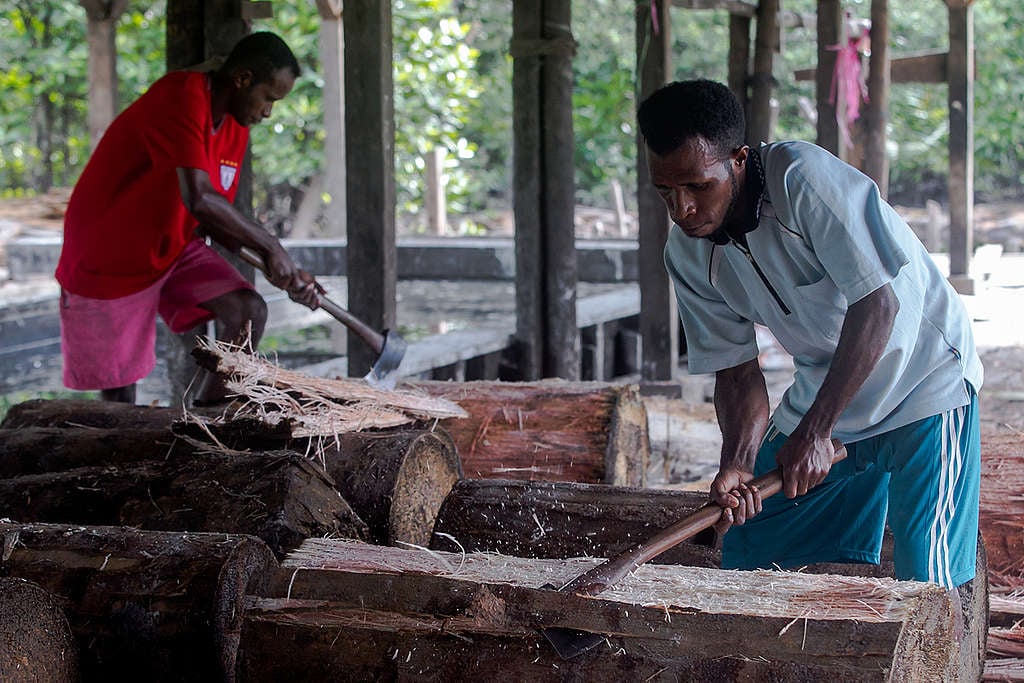
Papua has more sago than anywhere else on earth, but very little of it reaches Indonesia’s national food market. According to the Ministry of Agriculture, about 5.3 million hectares of sago grow in Papua. Yet only around 6 percent of Indonesia’s sago potential is used, and most commercial sago flour comes from Riau, not Papua. This article looks at where the supply chain breaks and what current food policy says about it.
👉 ALSO READ: Papua Food Security: Why the Highlands Rank Lowest in Indonesia
How much sago does Papua have?
In 2020 the Ministry of Agriculture reported that the world has about 6.5 million hectares of sago land. Of that, 5.4 million hectares are in Indonesia, and more than 95 percent of Indonesia’s share (5.3 million hectares) is in Papua. The ministry also noted that sago from Papua tends to yield more starch than sago grown elsewhere.
However, the same report shows how little of this is harvested. Indonesia uses only about 6 percent of its sago potential. National output is no more than 500,000 tonnes a year. About 80 percent of that comes from Riau, and more than 95 percent of sago businesses are smallholder farms.
| Indicator | Figure | Source |
|---|---|---|
| Sago land worldwide | about 6.5 million ha | Ministry of Agriculture, 2020 |
| Sago land in Indonesia | about 5.4 million ha | Ministry of Agriculture, 2020 |
| Sago land in Papua | about 5.3 million ha | Ministry of Agriculture, 2020 |
| Share of potential in use | about 6 percent | Ministry of Agriculture, 2020 |
| National sago output | no more than 500,000 tonnes a year | Ministry of Agriculture, 2020 |
| Share of output from Riau | about 80 percent | Ministry of Agriculture, 2020 |
| Perhutani factory capacity, South Sorong | 100 tonnes of flour a day | State Secretariat, 2016 |
Why does so little Papuan sago reach national markets?
The main problem is not the trees. It is the steps between the forest and the buyer. Most sago in Papua grows in wild or semi-wild groves along rivers and swamps. Families cut the trunks, pound the pith by hand and wash out the starch for their own meals. This method works well for home use, but it produces small, uneven batches.
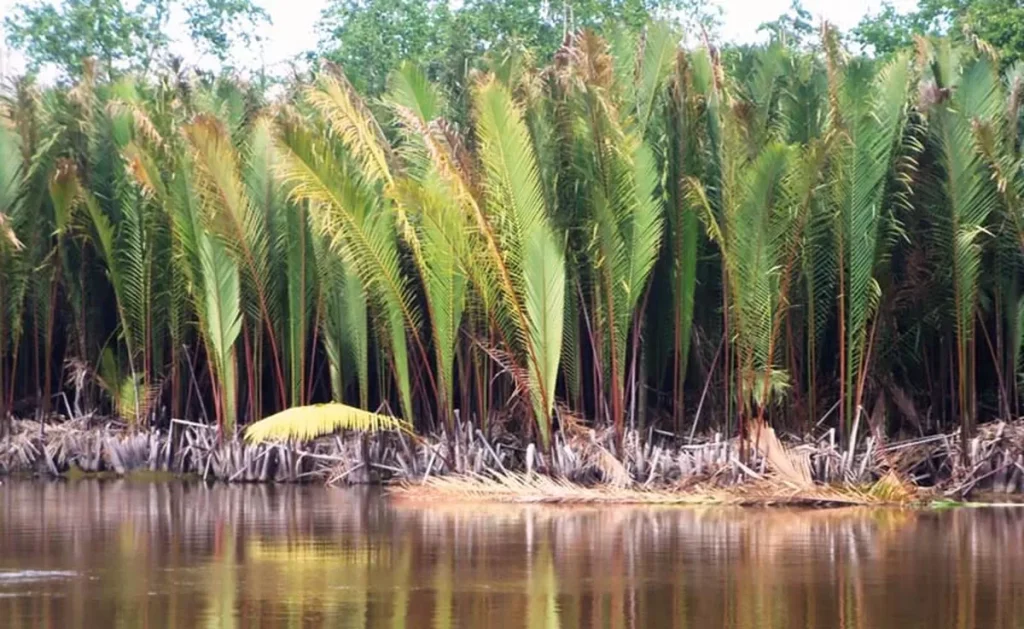
Moving sago to cities is also costly. The groves are often far from roads, so logs and wet starch travel by boat before they reach a port. In addition, wet sago spoils quickly unless it is dried and milled. Without drying and milling plants close to the groves, there is little that traders can buy in bulk.
What happened when a large factory was built?
The best-known attempt to fix this is a sago flour factory built by the state forestry company Perhutani in Kais, South Sorong. According to the State Secretariat, construction started in 2013 and finished in December 2015. The factory was designed to produce 100 tonnes of flour a day from 5,000 to 6,000 one-metre sago logs. It cost about Rp150 billion and was expected to employ about 40 people in the plant and 400 to 600 people in the sago forests.
President Joko Widodo visited the site on 1 January 2016. He asked that the factory benefit nearby communities and hire local workers. Papua Movement could not confirm whether the factory runs at that capacity today, so these figures describe its design, not its current output.
What does food policy say about sago now?
In 2024 the government issued Presidential Regulation 81/2024 on accelerating food diversification based on local resources. The National Food Agency (Bapanas) describes it as a new direction for food self-reliance. In a July 2025 statement, the agency’s deputy for food diversification, Andriko Noto Susanto, said Indonesia depends too heavily on rice and wheat. He listed sago among the local foods that could reduce this dependence.
For Papua, this means sago is now part of national policy on paper. The open question is whether that policy will pay for the dull but necessary parts of a supply chain: drying sheds, small mills near the groves, river transport and fair prices for the customary landowners who own the sago forests.
What would a stronger sago supply chain need?
- Processing near the groves, so that wet starch becomes dry flour before it travels.
- Clear agreements with customary landowners, because most sago forests in Papua are held under customary (adat) tenure.
- Steady buyers, such as food manufacturers or public food programmes, that commit to regular volumes.
- Better data, since the most-cited national figures on sago date from 2020.
For a closer look at how Papuans cook and eat sago, see our guide to Papuan food: sago, papeda and traditional staples. For local processing beyond sago, read Processing Native Harvests Builds Sustainable Papuan Food Industry.