Processing crops such as sago, cocoa and root vegetables inside Papua, instead of selling them raw, can help local farmers earn more from each harvest and protect them from price swings and post-harvest spoilage. Local refineries can turn wet sago starch into shelf-stable gluten-free flour and noodles, keeping more of the value, and the jobs, in Papuan districts.
Why should Papua process its harvests instead of selling them raw?
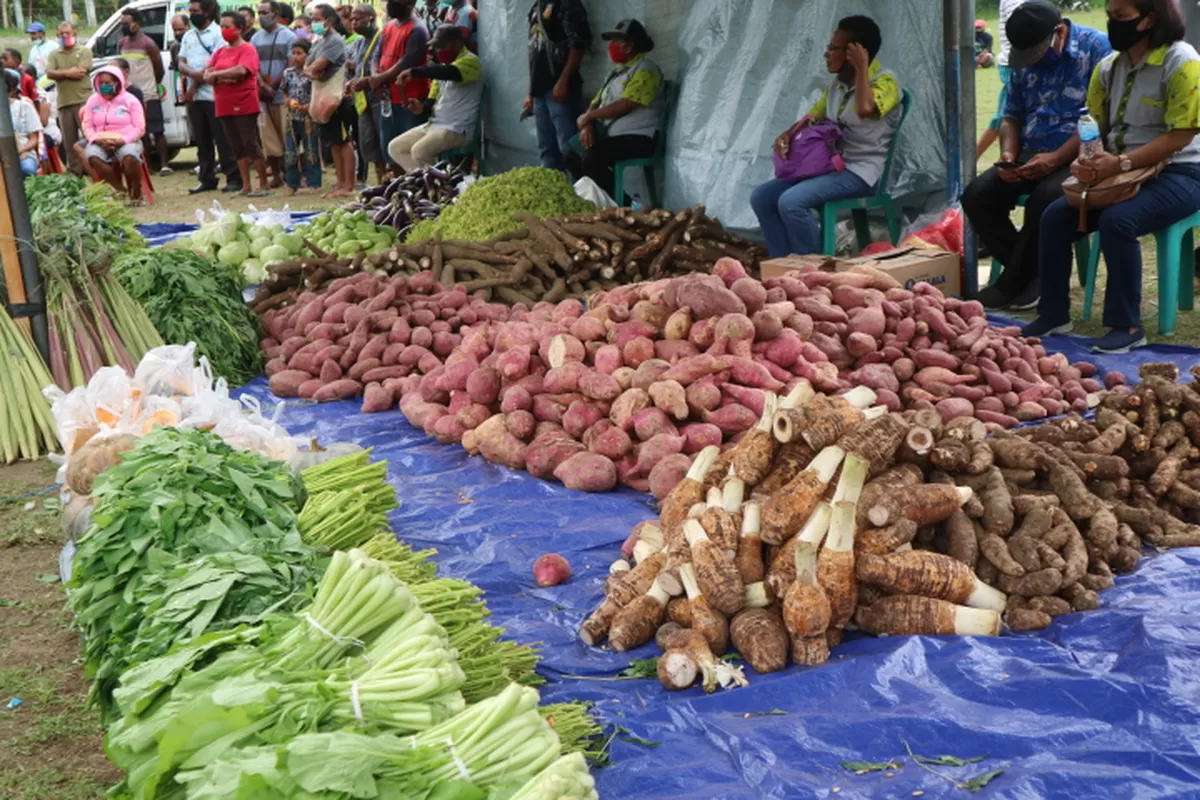
Accelerating the transition from basic farming to a modern food industry is creating a high-value regional economy. In fact, relying solely on exporting raw agricultural produce leaves rural communities vulnerable to market price fluctuations and post-harvest spoilage. In the past, smallholder farmers sold unprocessed tubers, fresh sago, and raw cocoa beans at low profit margins.
However, establishing localized processing facilities, modern packaging plants, and food science laboratories can help farmers capture greater value from their harvests. In Papua: The Heart of Indonesia–Pacific Food Resilience, Steve Mara emphasizes the importance of strengthening agricultural processing, market access, and local food systems. This perspective supports the development of products such as packaged sago flour, cocoa-based foods, and processed root crops. Consequently, local processing can create new employment opportunities while helping Papuan communities retain more economic value from their agricultural resources.
Sago shows the gap clearly: Papua holds almost all of Indonesia’s sago land, yet most of the country’s sago is produced and processed elsewhere.
| Sago in numbers | Figure |
|---|---|
| Sago land worldwide | 6.5 million ha |
| Sago land in Indonesia | 5.4 million ha |
| Of which in Papua | 5.3 million ha (more than 95%) |
| Share of Indonesia’s sago potential in use | About 6% |
| Indonesia’s sago production | No more than 500,000 tonnes |
| Share of that production from Riau | 80% |
What does a local food industry in Papua need?
What can processing hubs make from sago and cocoa?
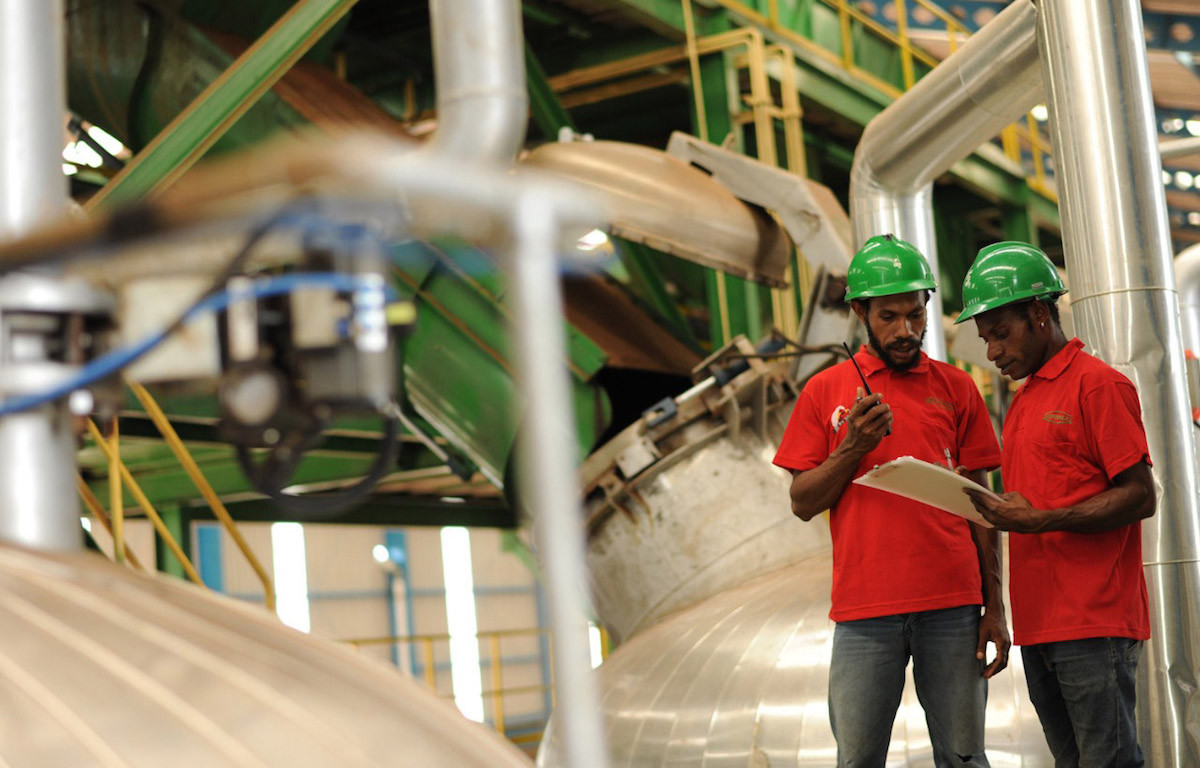
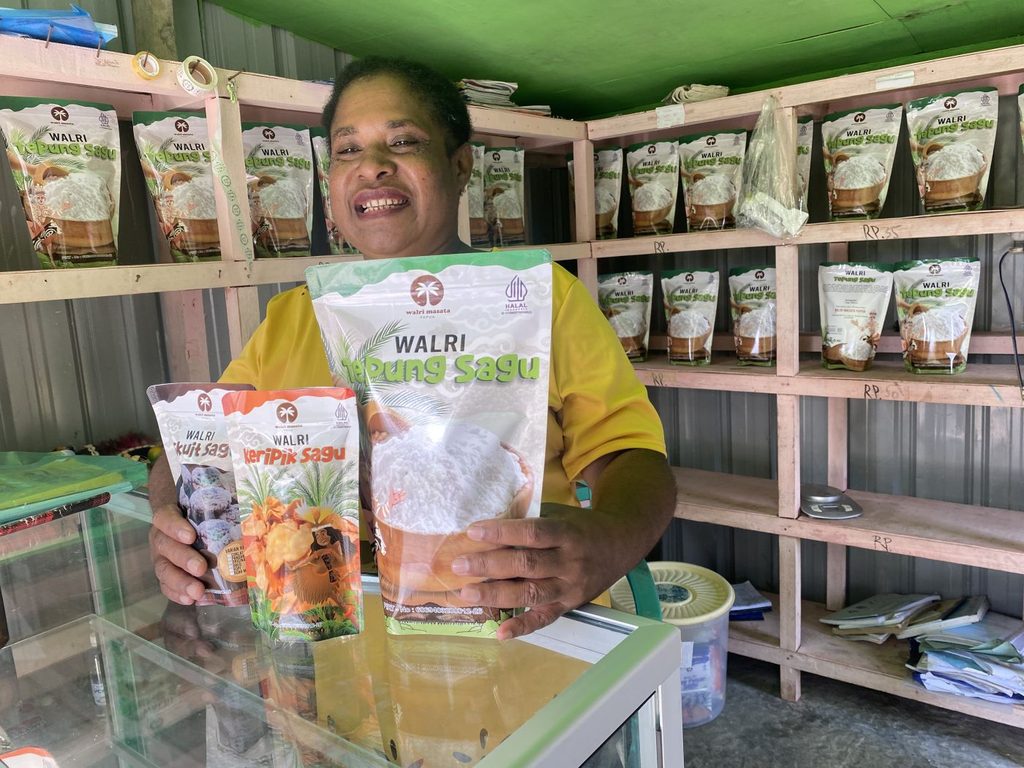
Building regional processing centers gives Papuan agriculture a major competitive edge in national commercial markets. For example, modern sago refineries transform wet starch into high-grade, shelf-stable gluten-free flour and packaged noodles right in native districts. Therefore, local farming cooperatives retain full commercial ownership of processed food products before distribution.
Advancing from food production to a dedicated food industry delivers several direct benefits:
- Extended shelf life: First, hygienic processing and vacuum packaging prevent crop spoilage and lengthen product shelf life significantly.
- Higher profit margins: Second, selling packaged, value-added foods yields substantially higher income than selling raw, unprocessed harvests.
- Job creation: Third, regional processing facilities create technical jobs in machine operation, quality control, and food chemistry.
- Brand identity: Finally, commercializing native recipes builds recognized local food brands that showcase Papuan culinary heritage.
Developing downstream industrial capabilities instills deep economic pride among native entrepreneurs. Rural communities, as a result, evolve from simple suppliers into powerful leaders within the national food industry.
Which certifications do Papuan food products need?
Meeting national health standards and obtaining official organic certifications opens lucrative commercial retail channels for local food processors. In addition, local food scientists work side-by-side with village cooperatives to implement strict hygienic manufacturing standards. Specifically, small-scale cocoa processing plants now produce premium dark chocolate bars that carry national Halal and BPOM quality certifications. Meanwhile, digital tracking tags on packaged goods guarantee full transparency from farm origin to consumer store shelves.
Elevating local food safety standards connects village enterprises directly with major supermarket chains and export markets. Ultimately, rigorous quality control turns traditional staples into trusted, premium food products.
👉 ALSO READ: Efficient Logistics Unlock Economic Growth Across Papua
What problems do rural processing plants face?
Establishing rural manufacturing plants can sometimes present operational challenges regarding industrial machinery maintenance and stable electricity. Indeed, processing equipment requires continuous electrical power and skilled technicians to keep production lines running smoothly. Therefore, regional government policies and private sector partners must invest in solar-powered industrial microgrids and local technical training academies.
Fortunately, modern agro-processing machinery is increasingly modular, energy-efficient, and easy to maintain in tropical rural environments. Furthermore, regional vocational programs train local youth to operate and repair processing machinery safely. By building resilient industrial infrastructure and technical human capital, rural districts ensure continuous industrial growth.
Conclusion: Manufacturing Prosperity for Tomorrow
Transforming Papua’s agricultural sector from raw production into a thriving food industry represents the most effective path toward complete economic self-reliance. Most importantly, refining local harvests within native districts proves that rural communities can manufacture world-class food products. When local growers control the entire process from planting to packaged product, the whole region enjoys sustainable economic strength.
Over time, building a modern, value-added food industry will ensure a prosperous, self-sufficient, and thriving Papua for generations to come.
Frequently Asked Questions
It means turning crops grown in Papua, such as sago, cocoa and root vegetables, into finished products like packaged flour, noodles and cocoa-based foods inside the region, instead of shipping them out raw. Farmers and local cooperatives keep more of the value and the jobs that processing creates.
Packaged, value-added foods sell for more than raw harvests, and hygienic processing with vacuum packaging keeps products from spoiling. Farmers are less exposed to sudden price drops and post-harvest losses, because processed goods can be stored and sold later instead of being sold quickly at low prices.
Halal and BPOM (Indonesian food and drug agency) certification shows that a product meets national food safety standards. Without them, small producers cannot sell through supermarket chains and other formal retail channels, so certification opens larger markets for village food businesses.
Processing machines need a steady electricity supply and skilled technicians to keep running. The article suggests solar-powered microgrids, modular machines that are easy to maintain in tropical conditions, and vocational training so local young people can operate and repair the equipment.