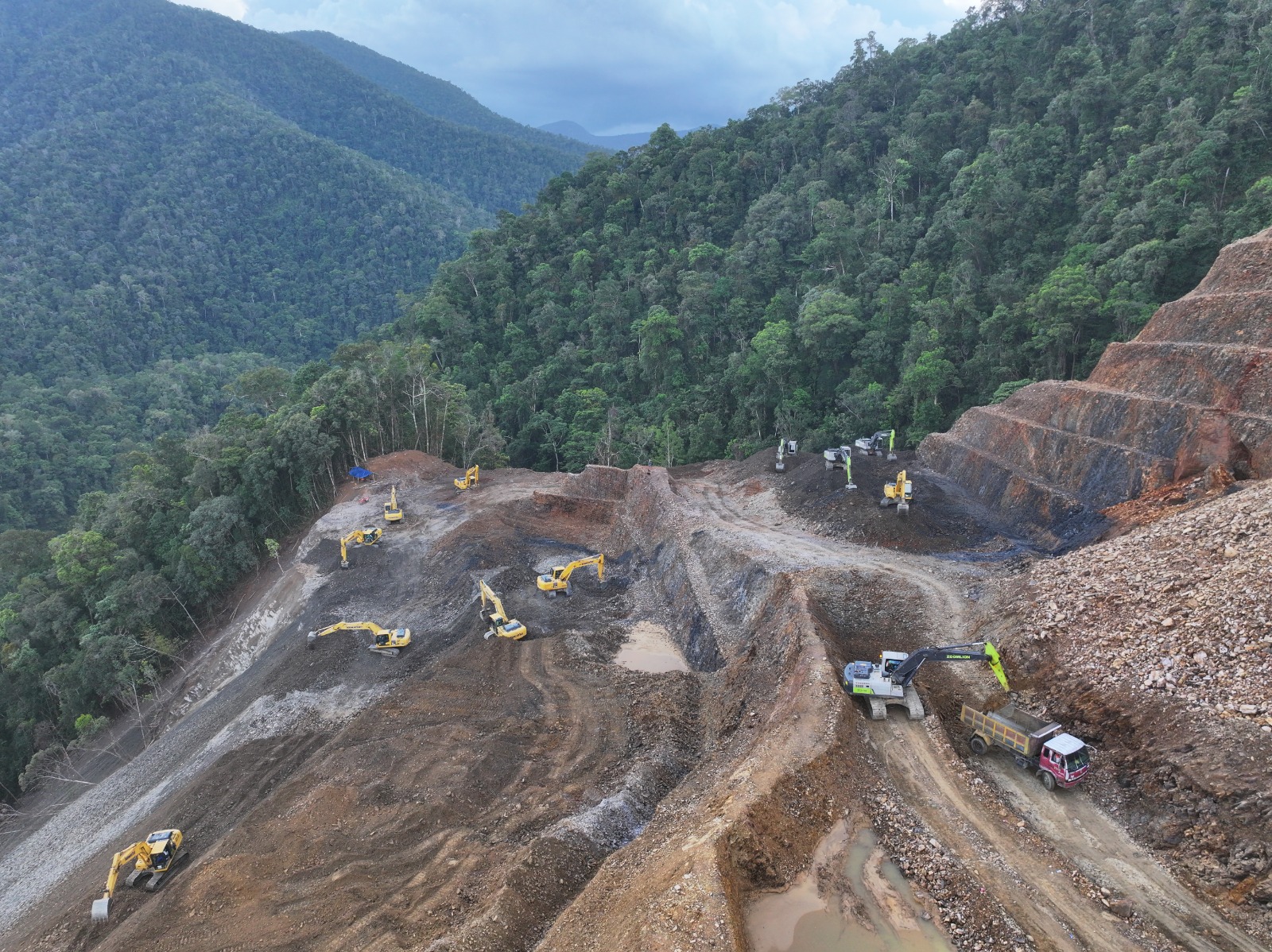
Mountain roads in Papua break often, and the 2026 landslides on the Trans-Papua road show why. Heavy rain set off slips at dozens of points on the Jayapura–Wamena link, cutting the highlands off by land, and another collapse followed in April. This article explains what happened, why Papua’s terrain makes road building so hard, and what lawmakers are now asking about slope safety.
ALSO READ: Merauke Food Estate: The 135-km Road Being Built Through the Swamps
What happened on the Jayapura–Wamena road in 2026?
In February 2026, landslides cut the Trans-Papua road between Jayapura and Wamena. According to Antara, the national roads agency for Papua and Highland Papua (BBPJN) counted 36 damaged points. Of these, 26 were slope landslides, nine were broken cross drains and floodwater had washed away one bridge. The slides injured three people and buried several vehicles.
In response, the agency sent about 50 excavators and dozers, plus a dozen dump trucks. By 11 February, crews had opened 21 points for temporary use, were working on eight more and could not yet reach seven. PT Hutama Mambelim Trans Papua builds this section under a public-private partnership.
| Item | Figure | Source |
|---|---|---|
| Damaged points on the Jayapura–Wamena road | 36 | Antara, 11 February 2026 |
| Of which: slope landslides | 26 | Antara |
| Of which: broken cross drains | 9 | Antara |
| Of which: bridges washed away | 1 | Antara |
| Points temporarily reopened by 11 February | 21 | Antara |
| Points under repair / not yet reachable | 8 / 7 | Antara |
| Heavy equipment deployed | About 50 excavators and dozers, plus dump trucks | Antara |
Was it a one-off?
No. On 19 April 2026, heavy rain caused another collapse on the Yetti–Senggi–Mamberamo segment of the Trans-Papua road, Antara reported. The road body sank along 80 metres, to a depth of 12 metres, and cut the land route to Highland Papua again. Yohanes Melsasail, who heads the regional national roads unit, said the slip had disrupted deliveries of basic goods and that crews were speeding up repairs.
Why is Papua’s terrain so hard for road builders?
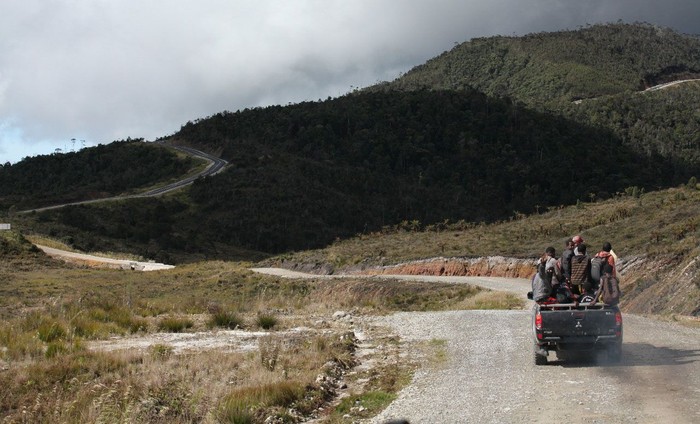
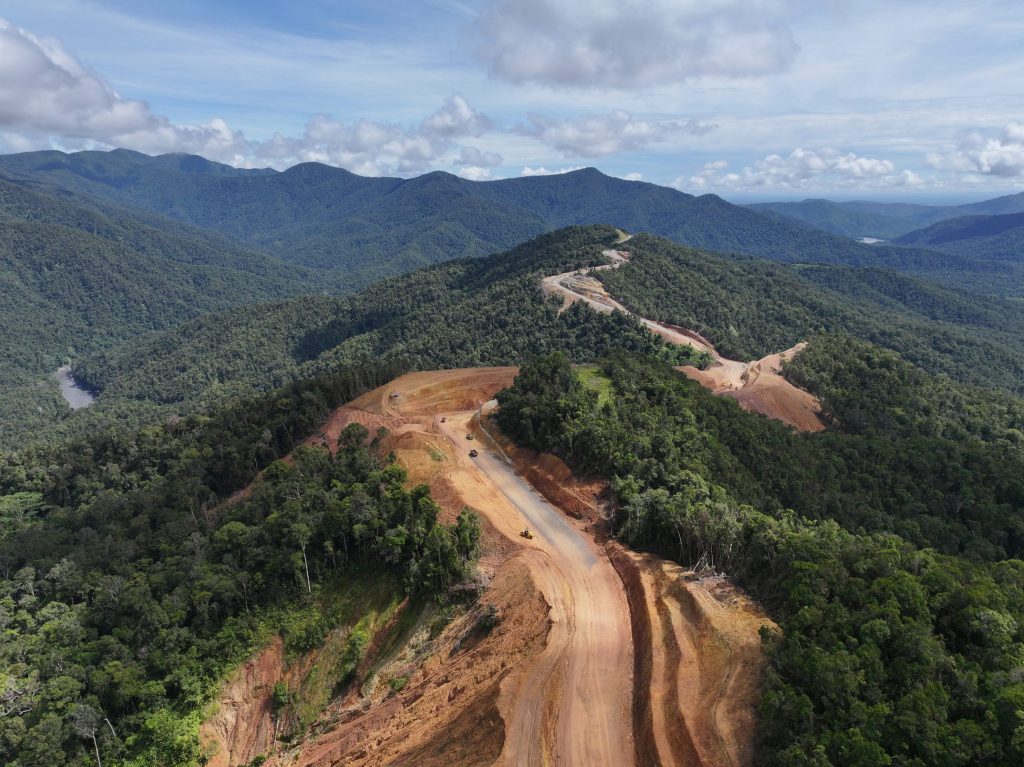
The central highlands rise steeply from the coast. Roads must climb slopes of loose soil and broken rock, cross fast rivers and pass through cloud forest that receives heavy rain most of the year. When builders cut into a slope to make a road, the slope above can lose support. Rainwater then soaks in, adds weight and, as a result, makes the soil slide.
Drainage is therefore as important as asphalt. Cross drains carry water under the road. When they break or clog, water runs over the surface and washes the road away. This also explains why nine of the 36 damaged points in February 2026 were broken drains rather than slips.
What are lawmakers asking?
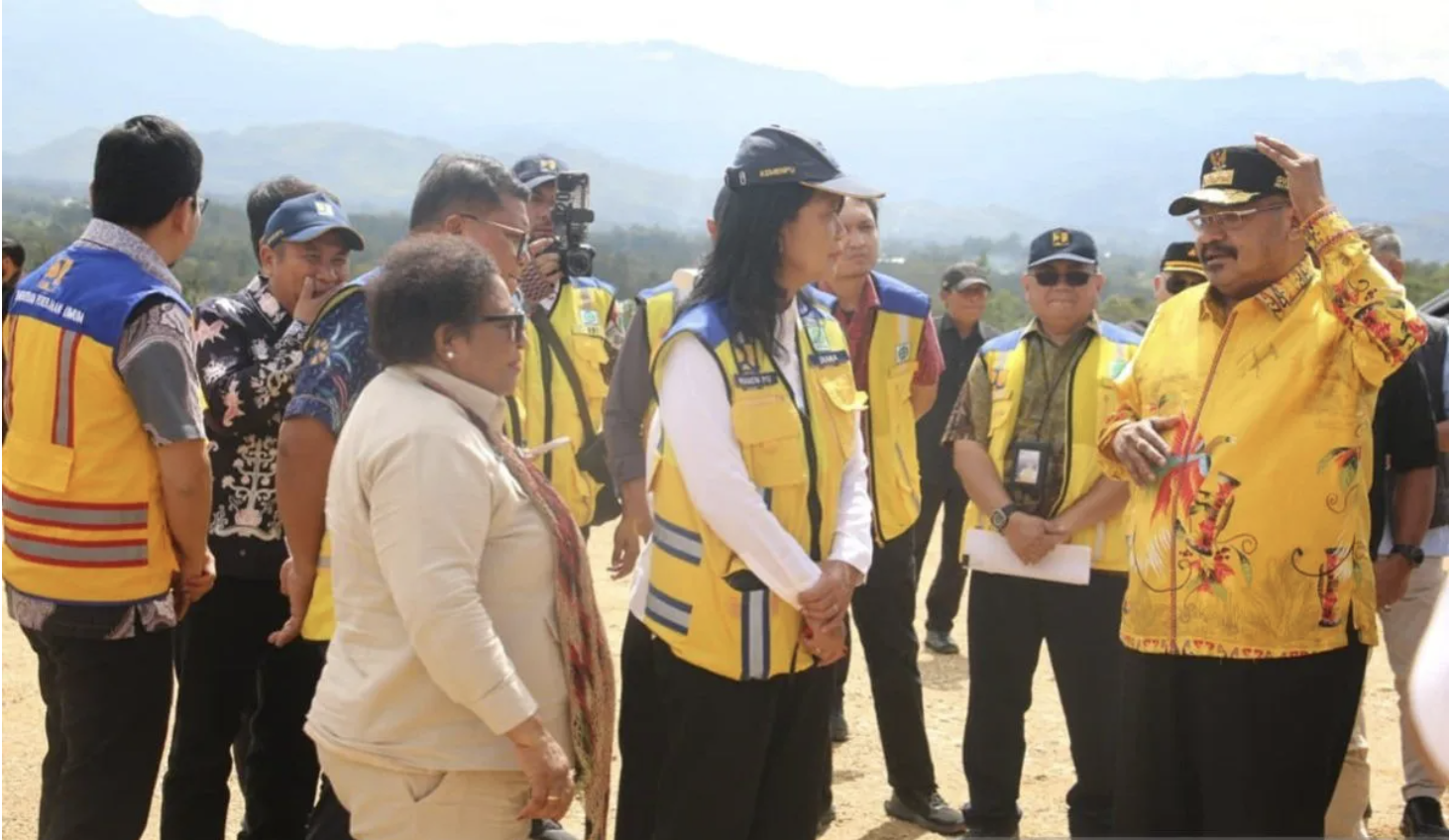
In October 2026, members of the House of Representatives’ infrastructure commission visited Wamena. Erna Sari Dewi asked whether anyone had carried out a geotechnical audit at the landslide points, the House reported. She also asked who is responsible under the partnership contract when slopes fail, and whether the contract includes rules on slope resilience. She noted that Highland Papua is surrounded by mountains, and said the terrain should not become a reason for unequal development.
How can builders make roads more resilient?
- Geotechnical surveys first. Mapping soil and rock before cutting, so risky slopes get extra support.
- Slope protection. Terracing, retaining walls and planting to hold soil in place.
- Strong drainage. Enough cross drains and side ditches, cleared before the rainy season.
- Fast response. Heavy equipment stationed near known danger points.
For how much travel time the road has already saved where it holds, see Trans-Papua Travel Time.