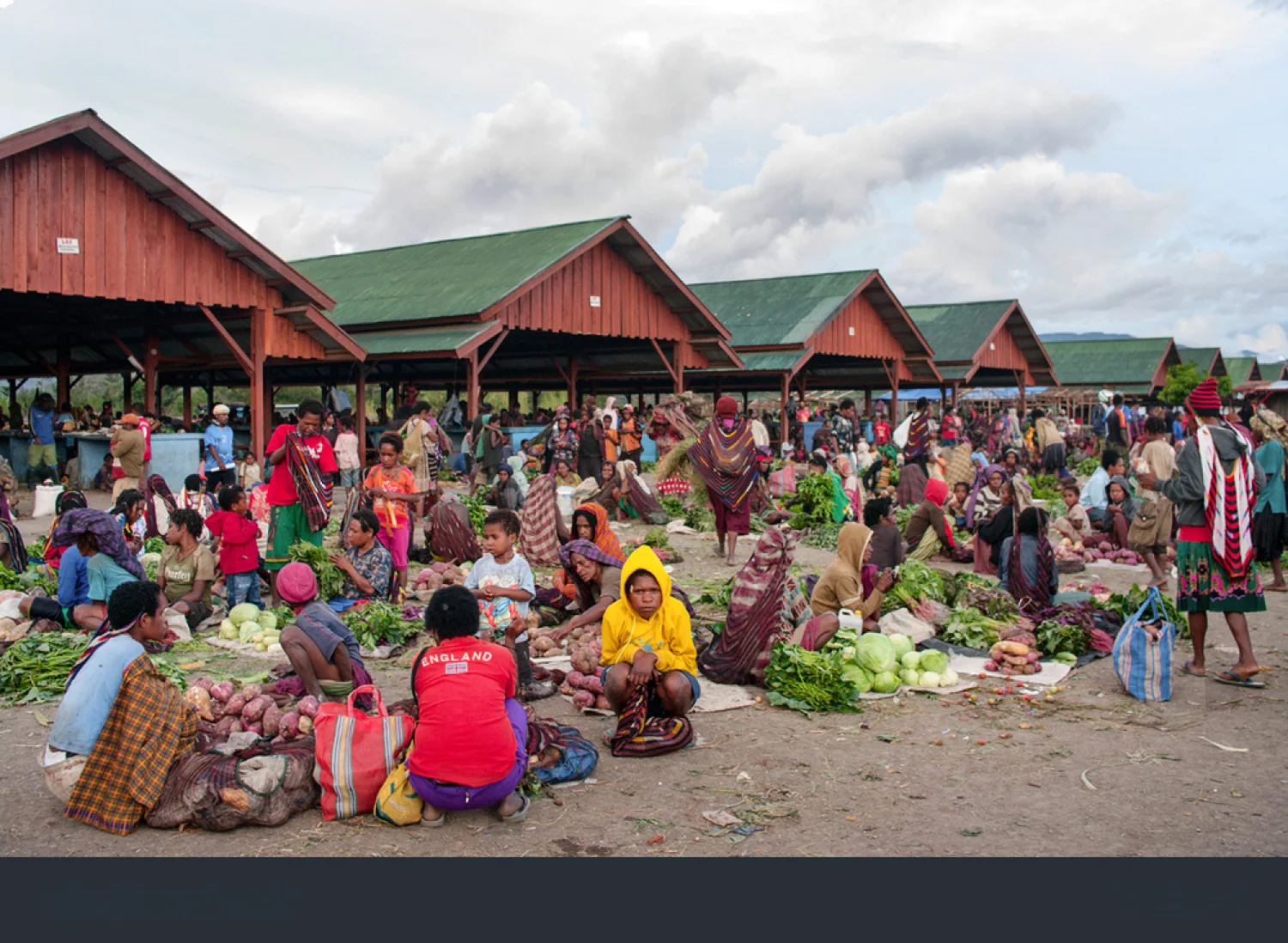
The article argues that private companies avoid frontier areas of Papua because poor roads, high transport costs and small markets make investment risky, so the state must first build roads, ports, power, clean water and basic services. It cites a Bappenas study putting Indonesia’s logistics costs at 14.29% of GDP to show why cutting them matters.
Why Market Failure Occurs in Frontier Papua
Frontier zones in Papua often face severe economic challenges. For instance, limited roads, high transport fees, and small local markets make private investment risky.
Consequently, private companies hesitate to enter these remote areas. Targeted public investments step in to fix these gaps. Therefore, government intervention builds the foundation for long-term regional development.
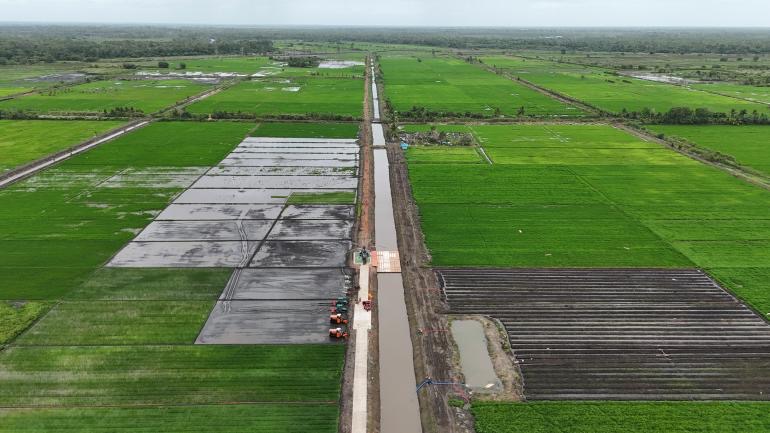
ALSO READ: Papua Agriculture and the Army: Who Builds Merauke’s New Rice Fields?
Creating an Investment-Friendly Environment in Papua
Before private businesses can expand, the region needs basic public facilities. Four enabling conditions matter most:
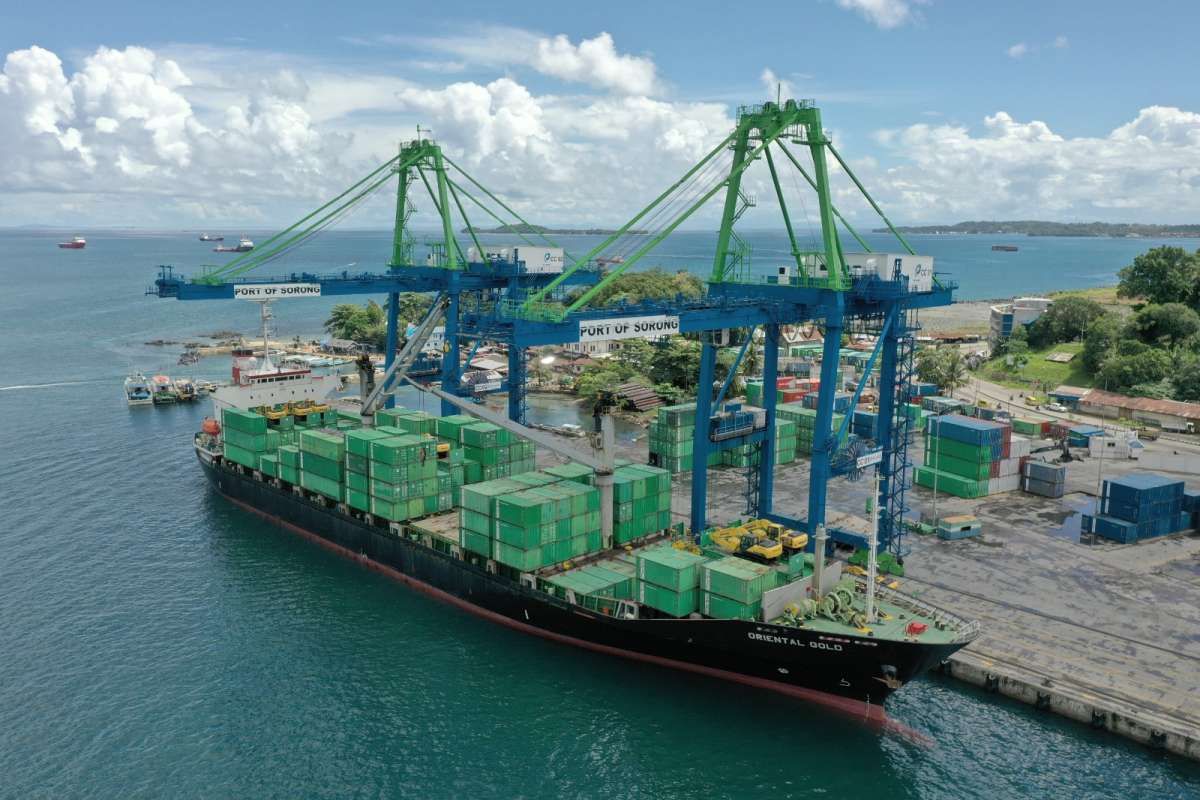
- Reliable Transport Infrastructure: Building roads and ports improves overall accessibility.
- Essential Utilities: Providing electricity and clean water supports daily business operations.
- Basic Public Services: Expanding healthcare and education strengthens the local workforce.
- Lower Shipping Costs: Improving supply routes reduces long-term operational risks.
Together, these early investments lower business risks and attract future private partners.
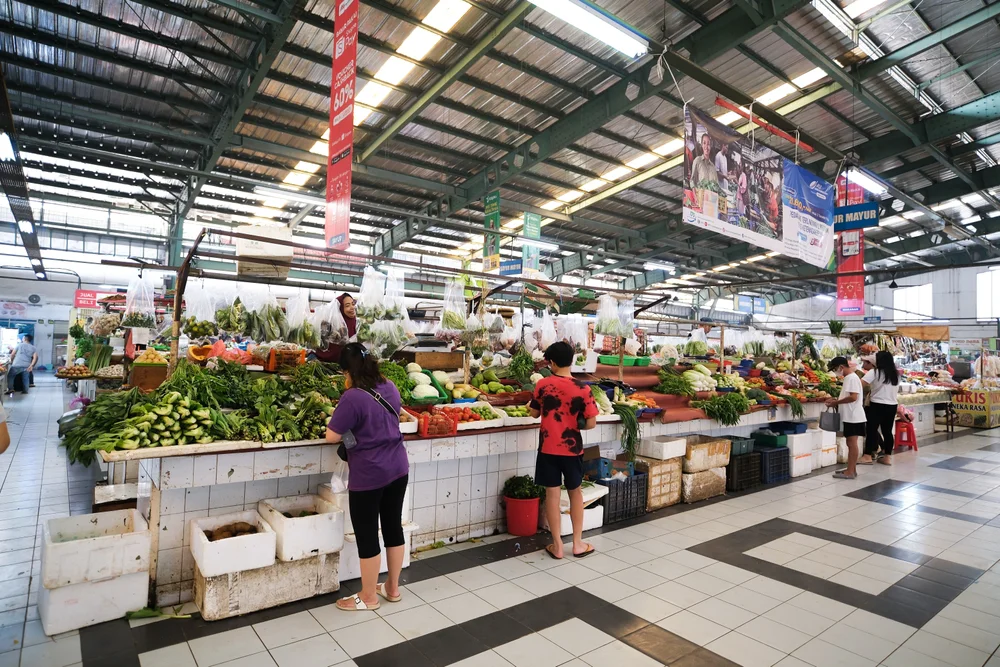
How State Intervention Builds Papua’s Economic Foundation
Public investments play a crucial role in lowering regional trade barriers. Furthermore, data from a Bappenas logistics study shows that national logistics costs reached 14.29% of GDP.
This statistic highlights why infrastructure funding remains vital for regional competitiveness. In frontier Papua, state intervention in roads and public facilities cuts logistics costs. As a result, better connectivity encourages wider economic participation over time.
What do official figures show?
Indonesia’s logistics costs equalled 14.29 percent of GDP in 2022, according to a joint calculation by Statistics Indonesia, Bappenas and the Coordinating Ministry for Economic Affairs. Before a One-Price Fuel station opened in Wamena in 2018, residents paid Rp50,000 to Rp70,000 a litre for petrol from retailers, according to the Ministry of Energy and Mineral Resources.
Toward Sustainable Investment
State intervention does not aim to replace private businesses. Instead, it creates the right conditions for open markets to grow.
Continuous improvements in roads and public services transform high-risk zones. In conclusion, these strategic efforts build a safe environment for investment, jobs, and sustainable growth.