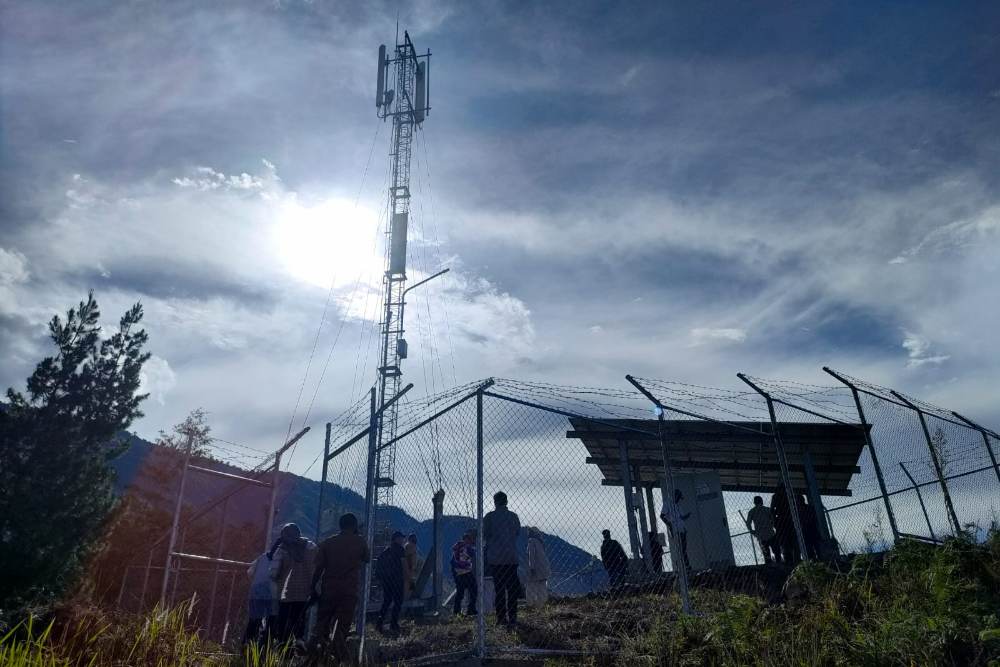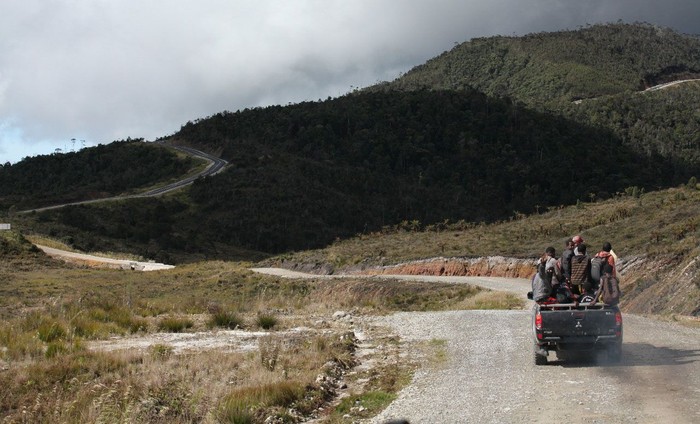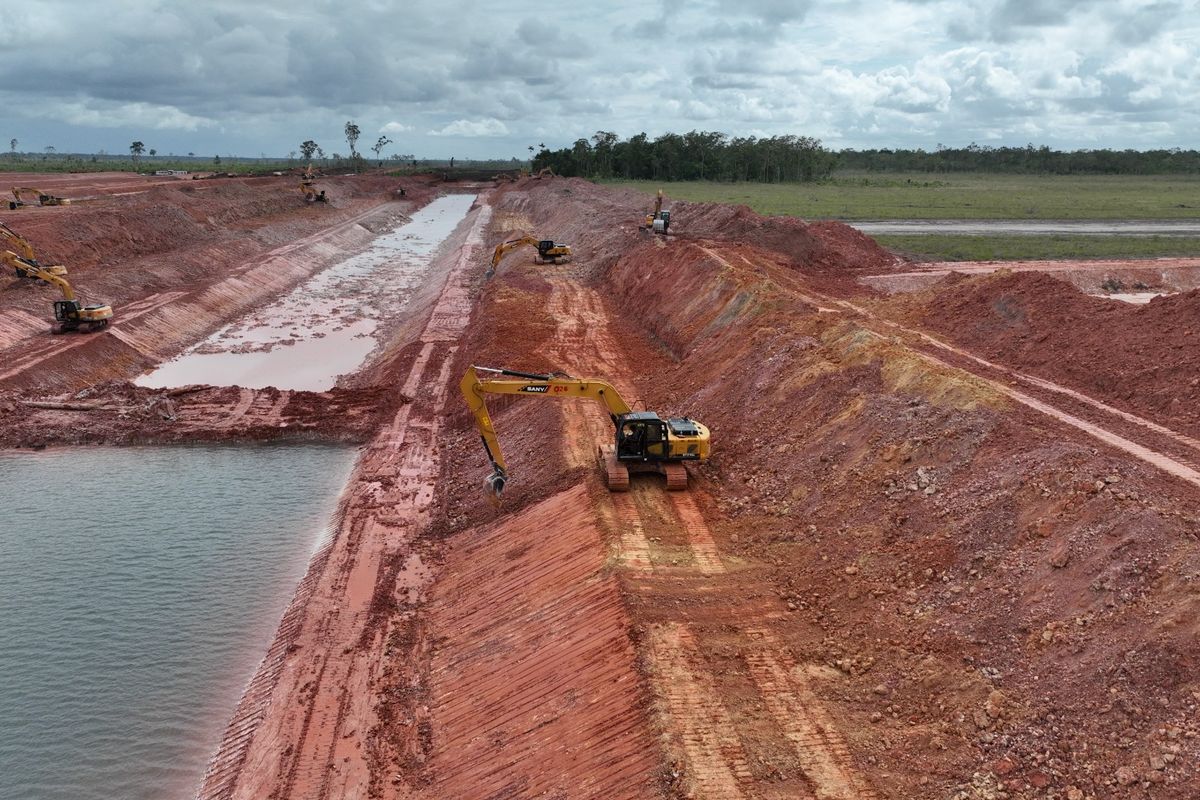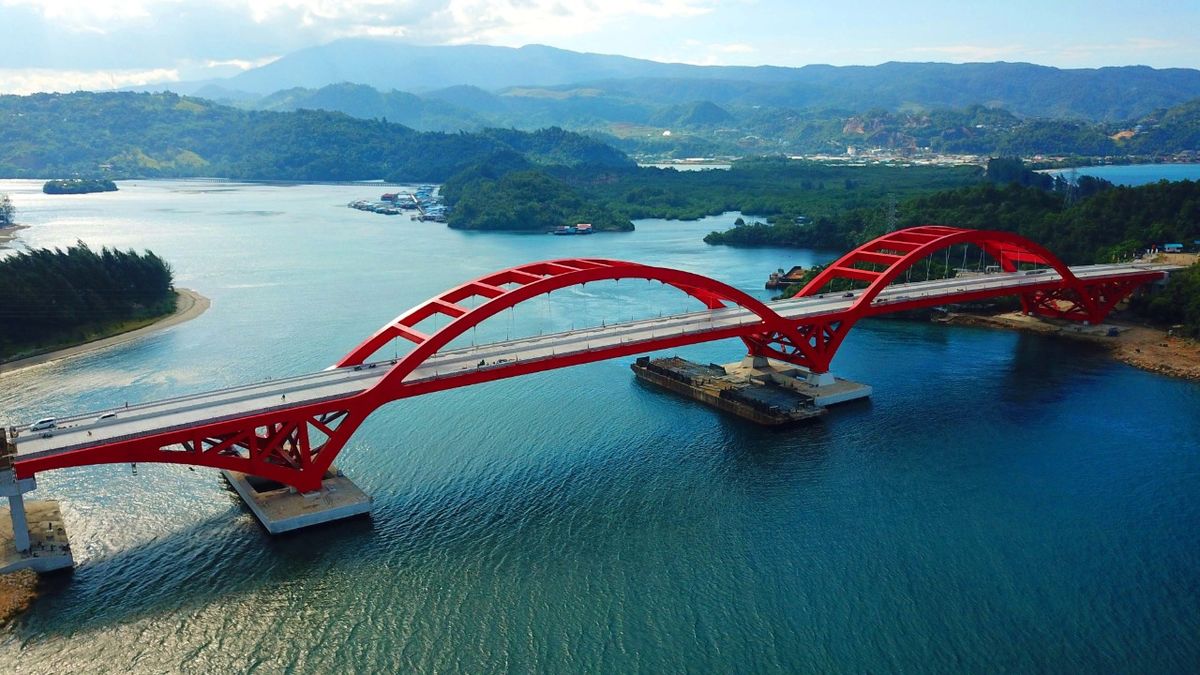
New paved roads and steel bridges are linking remote villages in Papua’s mountains and river basins to towns, replacing journeys that once took days on foot or required costly flights. Year-round crossings give families easier access to health care, schools and markets, and help farmers move produce with fewer post-harvest losses.
How are new roads and bridges changing remote Papua?
Building strategic roads and modern bridges is breaking down geographic barriers across remote districts. In fact, constructing durable transport corridors across rugged mountain ranges and wide river basins transforms isolated villages into connected economic hubs. In the past, traversing dense rainforests and steep valleys required arduous days of walking or expensive air transport.
However, newly paved highways and steel arch bridges now allow ground vehicles to cross inland rivers safely year-round. By bridging these physical divides, regional infrastructure initiatives connect remote families directly with urban healthcare, schools, and commercial markets. Consequently, improved transport routes drastically reduce isolation and lower the cost of basic commodities. As a result, native communities experience tangible social progress and enhanced quality of life.
Official figures show how far the Trans-Papua Road has come, and how much of it is still unpaved.
| Trans-Papua Road | Mid-2021 | November 2025 |
|---|---|---|
| Total planned length | 3,462 km | 3,377 km |
| Paved (asphalt) | 1,733 km | 2,235 km |
| Opened but not yet paved | 1,712 km | 1,132 km |
| Not yet opened (forest) | 16 km | 10 km |
What do roads and bridges bring to inland villages?
How do roads lower the price of goods in inland Papua?
Constructing reliable roads and bridges can help inland farming communities transport local produce to regional markets more efficiently. In Papua: The Heart of Indonesia–Pacific Food Resilience, Steve Mara emphasizes the importance of strengthening Indigenous food systems as part of broader food security strategies. Better transport links can support this goal by improving food distribution, reducing post-harvest losses, and creating more opportunities for local producers to benefit from their harvests.
Expanding remote infrastructure networks provides several direct benefits:
- Freight reduction: First, ground transport corridors replace costly air cargo, cutting basic food and building material prices.
- Essential services: Second, connected road networks allow medical ambulances and mobile health clinics to reach inland villages quickly.
- Education access: Third, safe river crossings enable youth from isolated settlements to attend regional high schools and vocational centers.
- Trade expansion: Finally, continuous highway networks attract investment for regional trade centers and local processing facilities.
Building strong transport links instills deep pride and economic mobility among native Papuans. Inland communities, as a result, transition from isolated subsistence living into active contributors to regional commerce.
How can road building respect customary land and rivers?
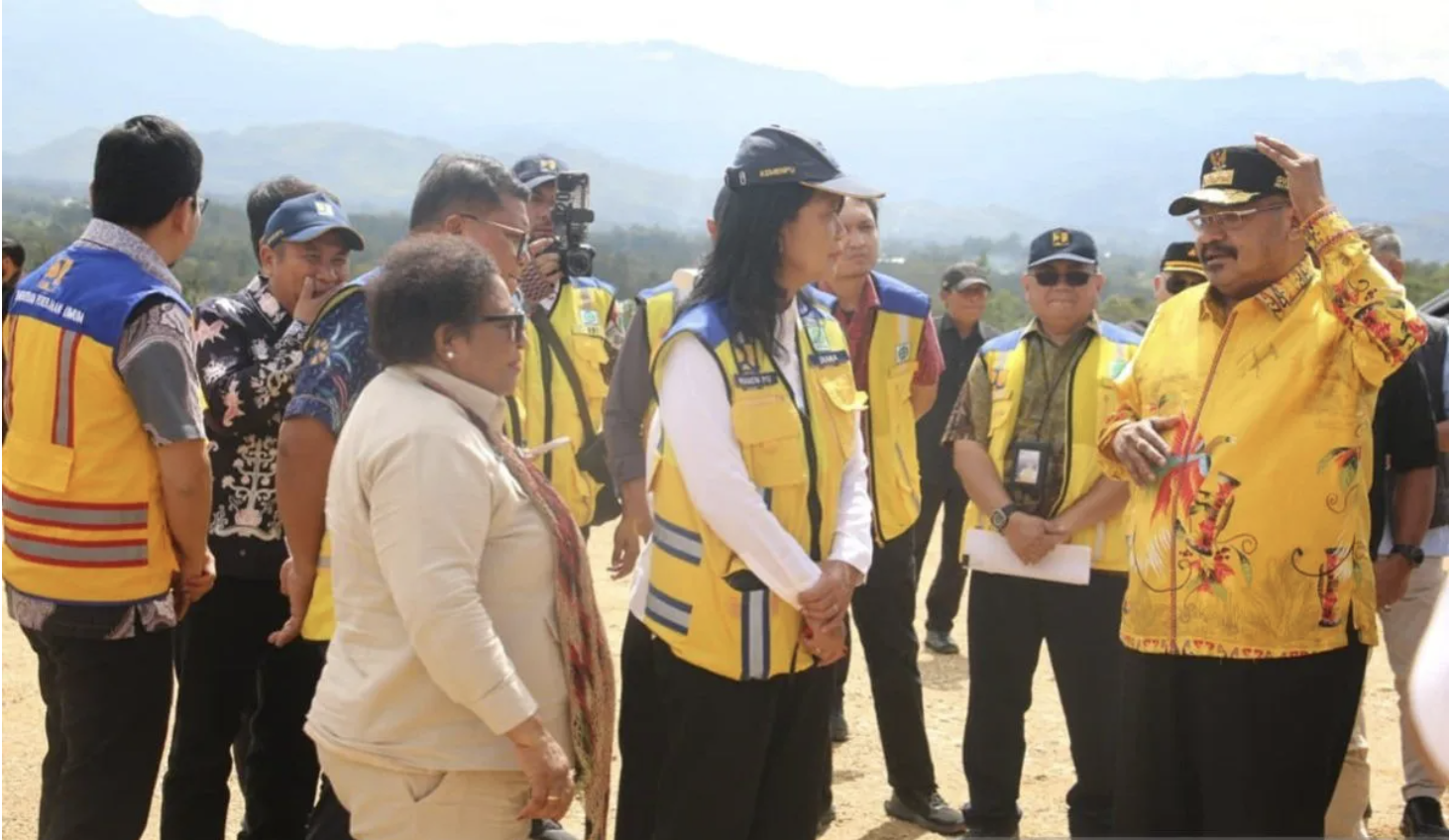
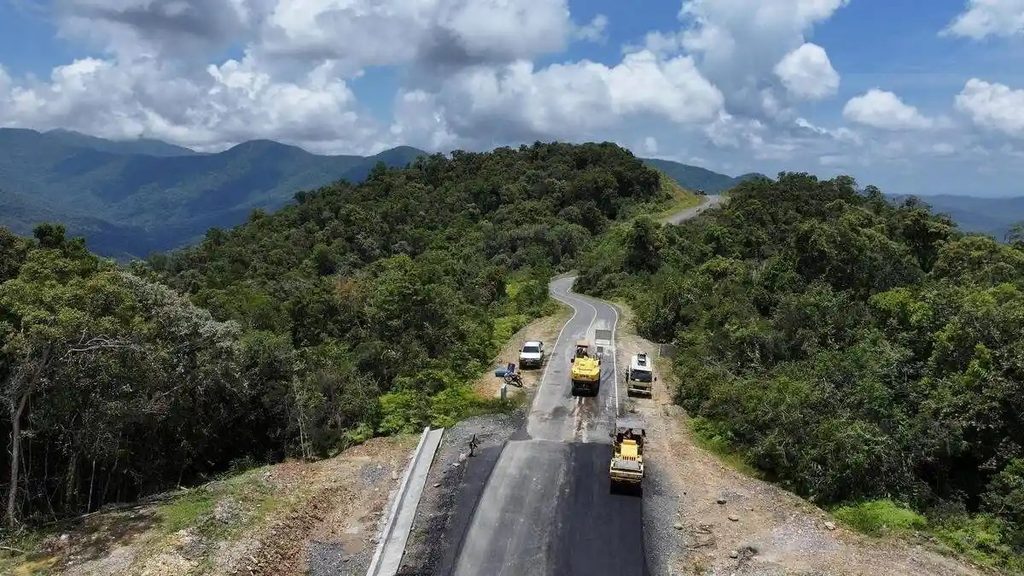
Planning transport routes with environmental care ensures that road construction respects ancestral tribal lands and fragile river ecosystems. In addition, civil engineers collaborate closely with tribal elders (Masyarakat Adat) to choose road alignments that avoid sacred sites and primary rainforests. Specifically, modern bridge designs minimize riverbed disruption to protect local fish habitats and freshwater supplies. Meanwhile, eco-friendly drainage systems along mountain corridors prevent landslides and soil erosion during heavy rainy seasons.
Pairing infrastructure expansion with customary land protection ensures that physical development remains sustainable. Ultimately, building respectful transport networks preserves cultural heritage while opening vital economic pathways.
👉 ALSO READ: Modern Infrastructure Unlocks Economic Opportunity Across Papua
How are roads kept open in Papua’s rain and mountains?
Building long-distance roads across high-altitude mountain ranges and swampy lowlands can present engineering and maintenance challenges. Indeed, heavy tropical rainfall and steep terrain require continuous road maintenance to prevent pavement erosion and landslides. Therefore, regional public works agencies must establish local maintenance depots and employ native workers to monitor road conditions daily.
Fortunately, modern engineering techniques utilize reinforced retaining walls and durable bridge structures designed specifically for extreme tropical environments. Furthermore, involving local village cooperatives in routine road upkeep creates steady employment for rural youth. By maintaining reliable transport corridors, government authorities guarantee long-term connectivity for remote settlements.
Conclusion: Bridging Pathways to Lasting Prosperity
Opening remote Papua through strategic roads and bridges stands as one of the most transformative commitments for regional integration. Most importantly, connecting isolated valleys proves that physical infrastructure empowers rural communities to thrive independently. When remote villages gain safe access to regional markets and public services, the entire population moves forward together.
Over time, building resilient roads and bridges will ensure a connected, prosperous, and self-reliant Papua for generations to come.
Frequently Asked Questions
Many inland villages in Papua’s mountains and river basins could once be reached only after days of walking or by costly flights. Paved roads and steel bridges let vehicles cross year-round, giving families easier access to health care, schools and markets and helping farmers move produce before it spoils.
When trucks can replace air cargo, the cost of moving food and building materials falls, which helps lower the price of basic goods in inland markets. Reliable roads also let farmers send produce to regional markets more cheaply and with fewer post-harvest losses.
Engineers can work with customary (adat) leaders to choose routes that avoid sacred sites and primary rainforest, design bridges that disturb riverbeds as little as possible, and build drainage that reduces erosion and landslides. This keeps construction consistent with local land rights and ecosystems.
Heavy tropical rain and steep terrain cause erosion and landslides, so roads need constant upkeep. The article suggests local maintenance depots, reinforced retaining walls, and hiring village workers and cooperatives to monitor and repair roads, which also creates steady local jobs.