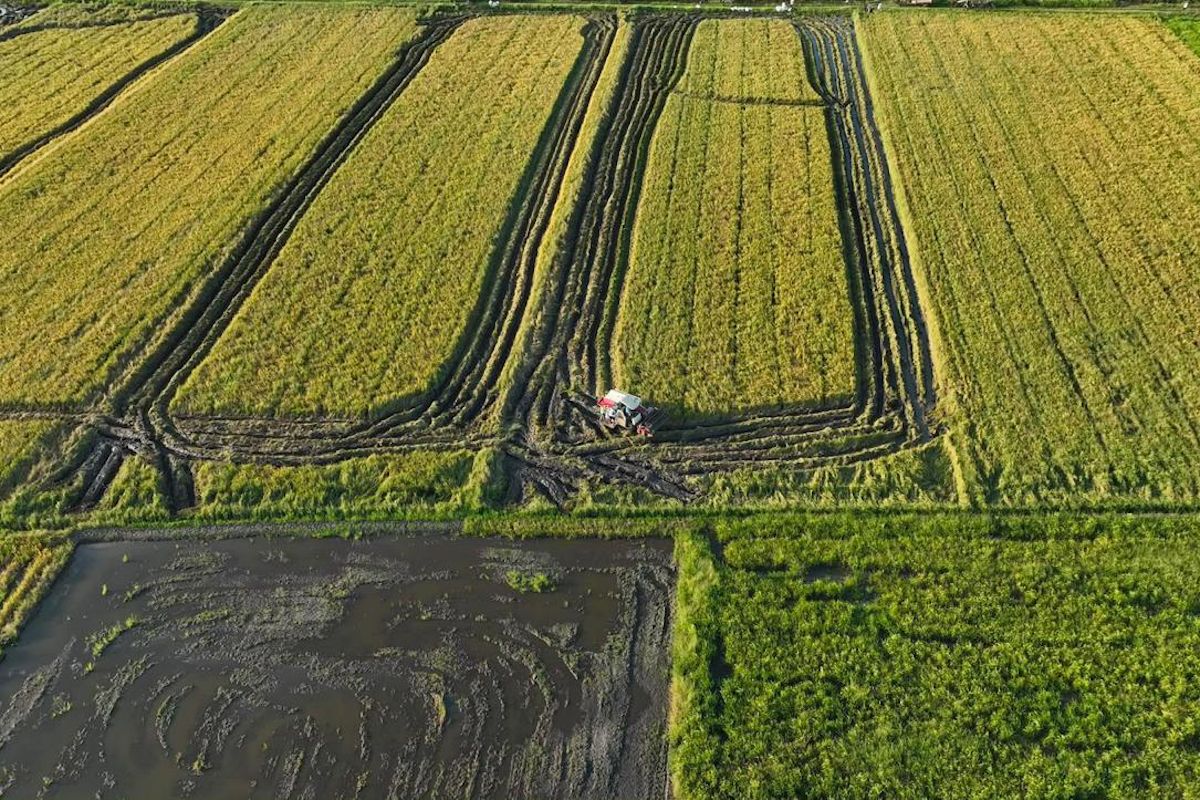
Crop rotation, compost, drip irrigation and mixed planting let Papuan farmers keep the same fields fertile for years instead of clearing new forest each season. Growing more rice, tubers and vegetables this way can cut dependence on food shipped from other islands and keep prices stable, provided farm planning protects conservation zones.
Modernizing Agriculture for Food Security
Sustainable farming methods are quickly changing how local communities grow their daily food. In fact, adopting green agricultural tools allows rural farmers to produce bigger harvests without harming the natural environment. In the past, traditional farming techniques often depended heavily on clearing new forest land every season.
However, modern eco-friendly methods help growers keep the same soil rich and healthy for many years. By using natural fertilizers and smart water systems, local growers can safely protect their land while growing more food. Consequently, this green transformation builds stronger food security across remote inland districts. As a result, Papuan families gain reliable access to fresh, locally grown produce throughout the entire year.
Key Pillars of Sustainable Farming
Adopting Eco-Friendly Agricultural Techniques
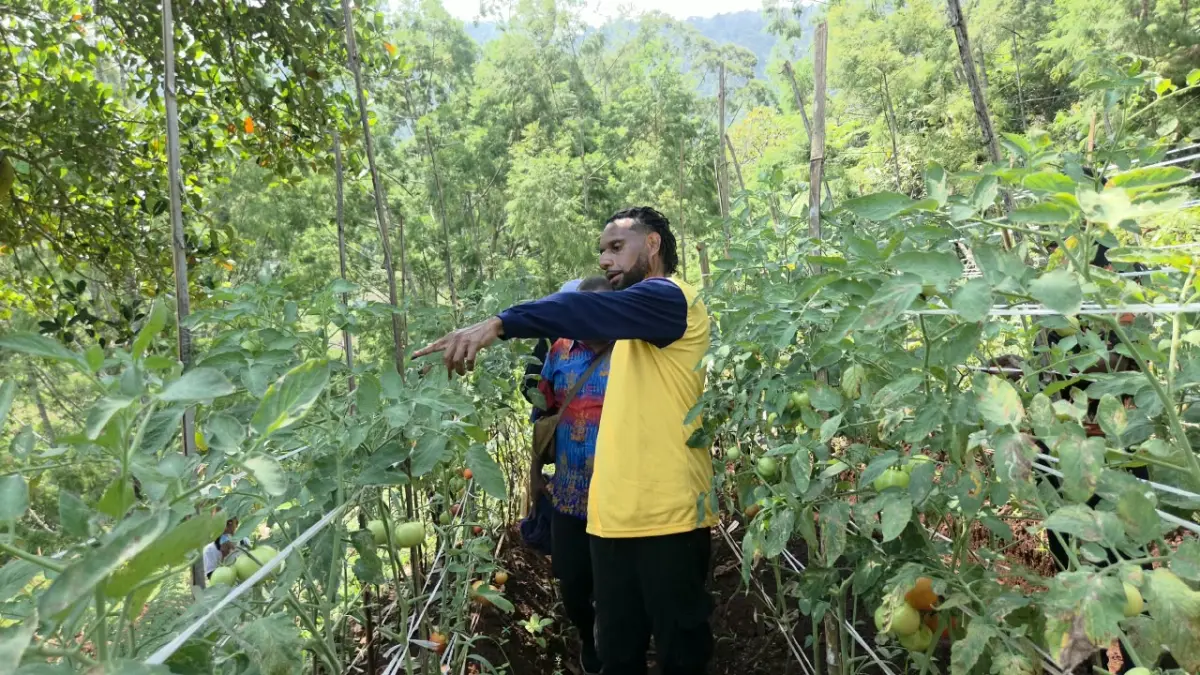
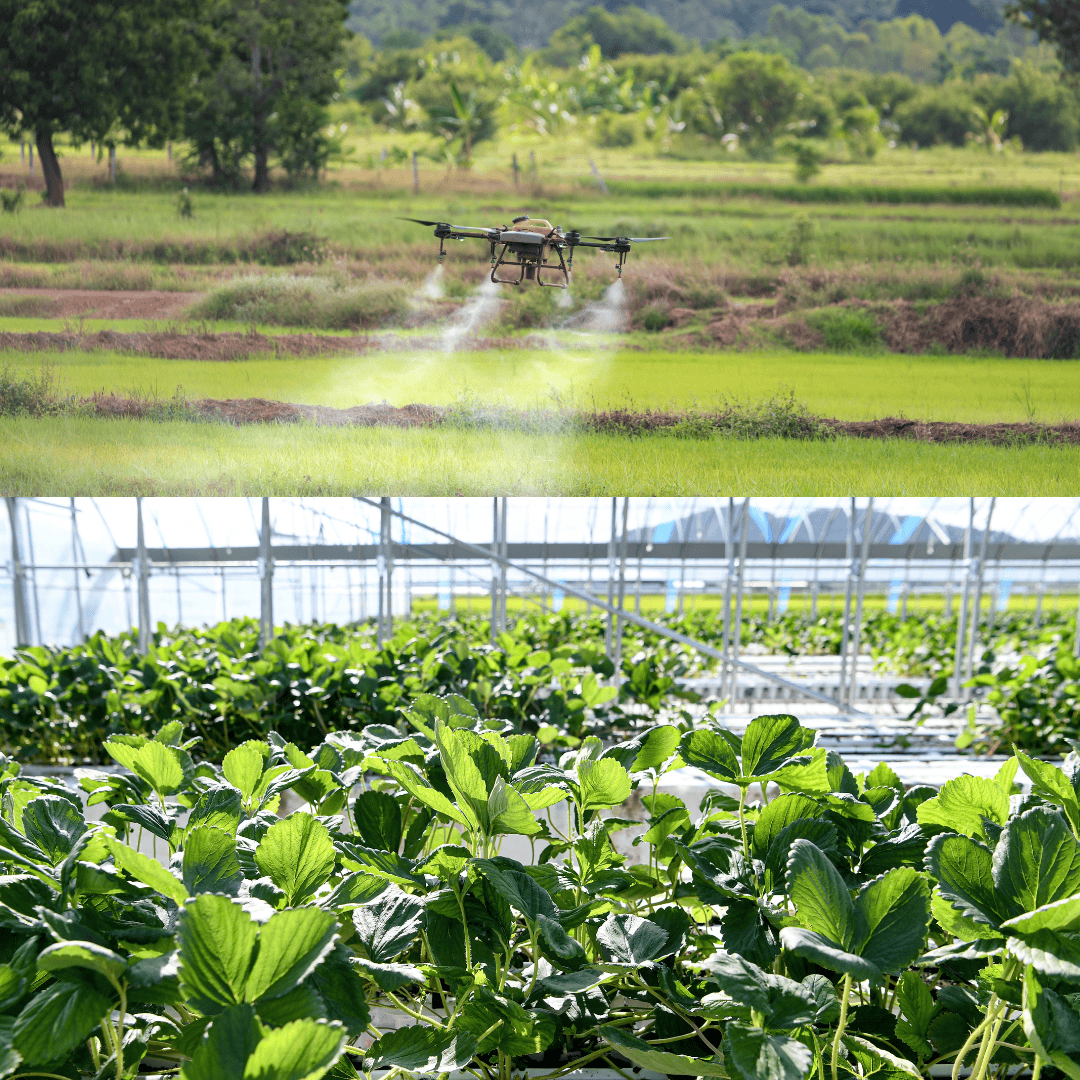
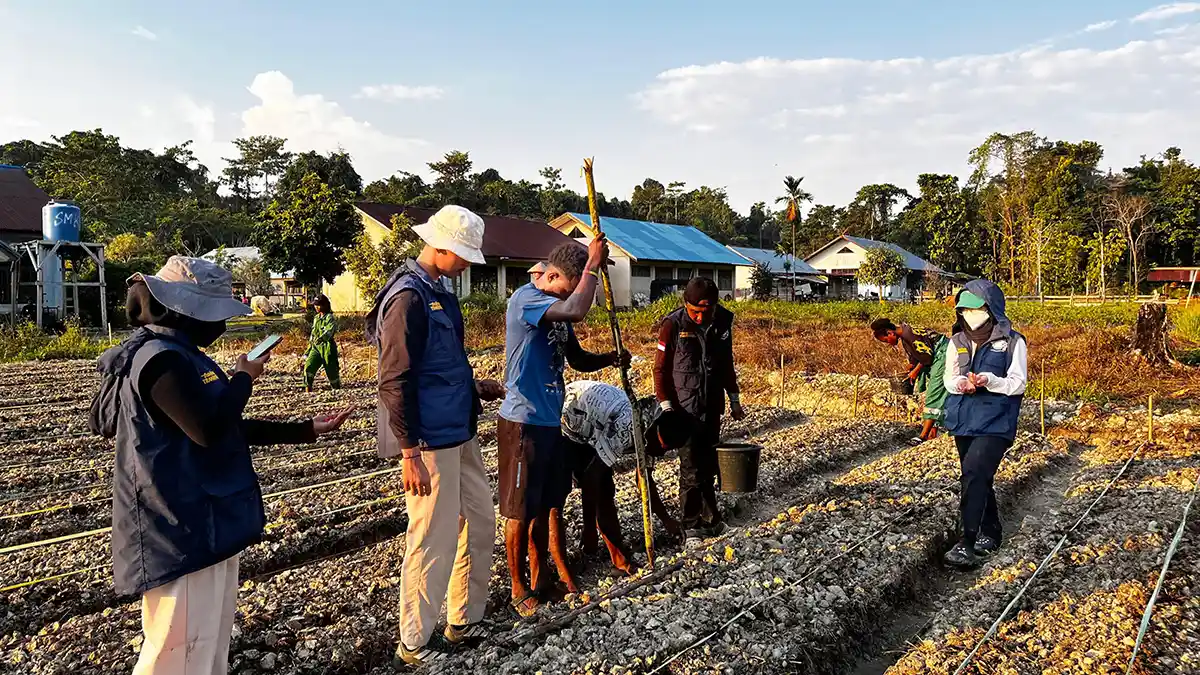
Using modern farming methods gives local Papuan growers a huge advantage in protecting their soil. For example, simple techniques like crop rotation, organic composting, and drip irrigation keep agricultural land fertile and productive. Therefore, farmers no longer need to burn forests or use harsh chemical fertilizers to get good crop yields.
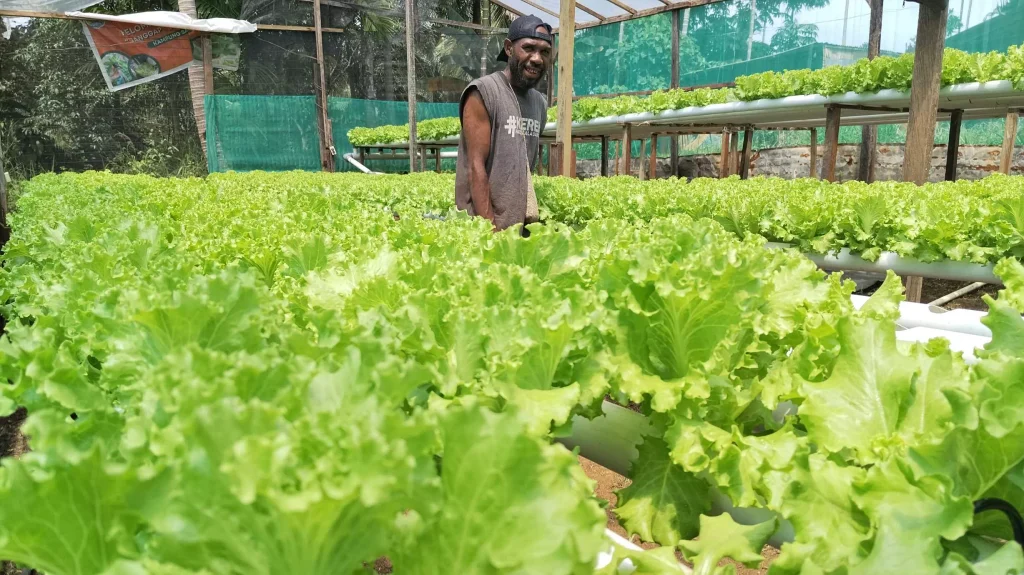
These green agricultural habits offer several direct benefits to rural villages. First, organic fertilizers enrich the earth naturally without poisoning nearby rivers or freshwater sources. In addition, modern drip systems deliver clean water directly to plant roots, which saves precious water supplies during dry seasons. Furthermore, growing vegetables alongside corn and fruit trees keeps the soil balanced and prevents harmful insect infestations. Finally, selling clean organic crops allows local farmers to earn better prices at regional markets.
Learning these sustainable skills builds long-term confidence among local farming families. The local farmers, as a result, become proud caretakers of both their ancestral land and their family’s financial future.
Strengthening Local Food Security and Regional Trade
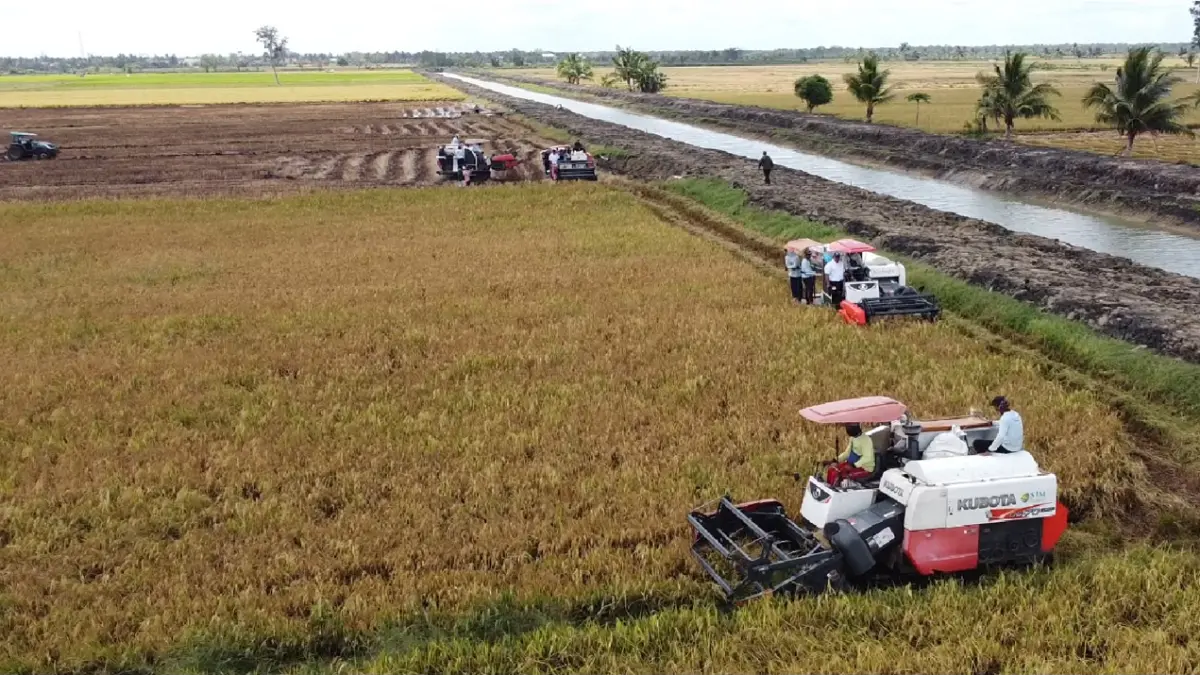
Growing fresh food locally reduces the region’s heavy reliance on expensive imported goods from other islands. In addition, producing local rice, tubers, and fresh vegetables keeps food prices stable and affordable for everyday households. Specifically, building strong regional supply chains ensures that rural harvests reach urban markets safely and quickly. Meanwhile, surplus harvests create exciting new opportunities for trading with nearby coastal towns and neighboring Pacific regions.
Connecting green farms with wider market networks strengthens the entire local economy. Ultimately, self-sufficient food production protects local communities from sudden global price spikes and supply shortages.
👉 ALSO READ: Papuan Digital Content Creators Promoting Their Regional Tourism
Addressing Concerns: Protecting Local Ecosystems
Expanding agricultural land can sometimes raise valid worries about deforestation and forest loss. Indeed, modern farming must never destroy the rich rainforests that make the island so unique and precious. Therefore, agricultural planning must establish clear boundaries to protect wild conservation zones.
Fortunately, eco-friendly farming actually requires less land area because modern methods produce much higher yields per acre. Furthermore, local government officers and agricultural experts work closely with village leaders to teach sustainable land care. By balancing modern agricultural tools with traditional environmental wisdom, communities can safely produce food while keeping their forests pristine.
What do official figures show?
By mid-2026 the government had developed 83,030 hectares of new rice fields across Papua, most of them in South Papua, according to the Ministry of Agriculture. In the National Food Agency’s 2026 Food Security Index, all 18 regencies rated “very vulnerable” in Indonesia are in Papua, and Highland Papua’s regencies average about 36 out of 100, against a national average of about 72.
Conclusion: Growing a Greener Tomorrow
Sustainable agriculture stands as one of the strongest pillars for building long-term regional independence. Most importantly, eco-friendly farming proves that economic growth and forest conservation can work hand-in-hand. When local farmers harvest rich, healthy crops from their own soil, the entire region grows healthier and more secure.
Over time, these modern eco-friendly practices will nourish local families, empower rural communities, and protect the environment for generations to come.