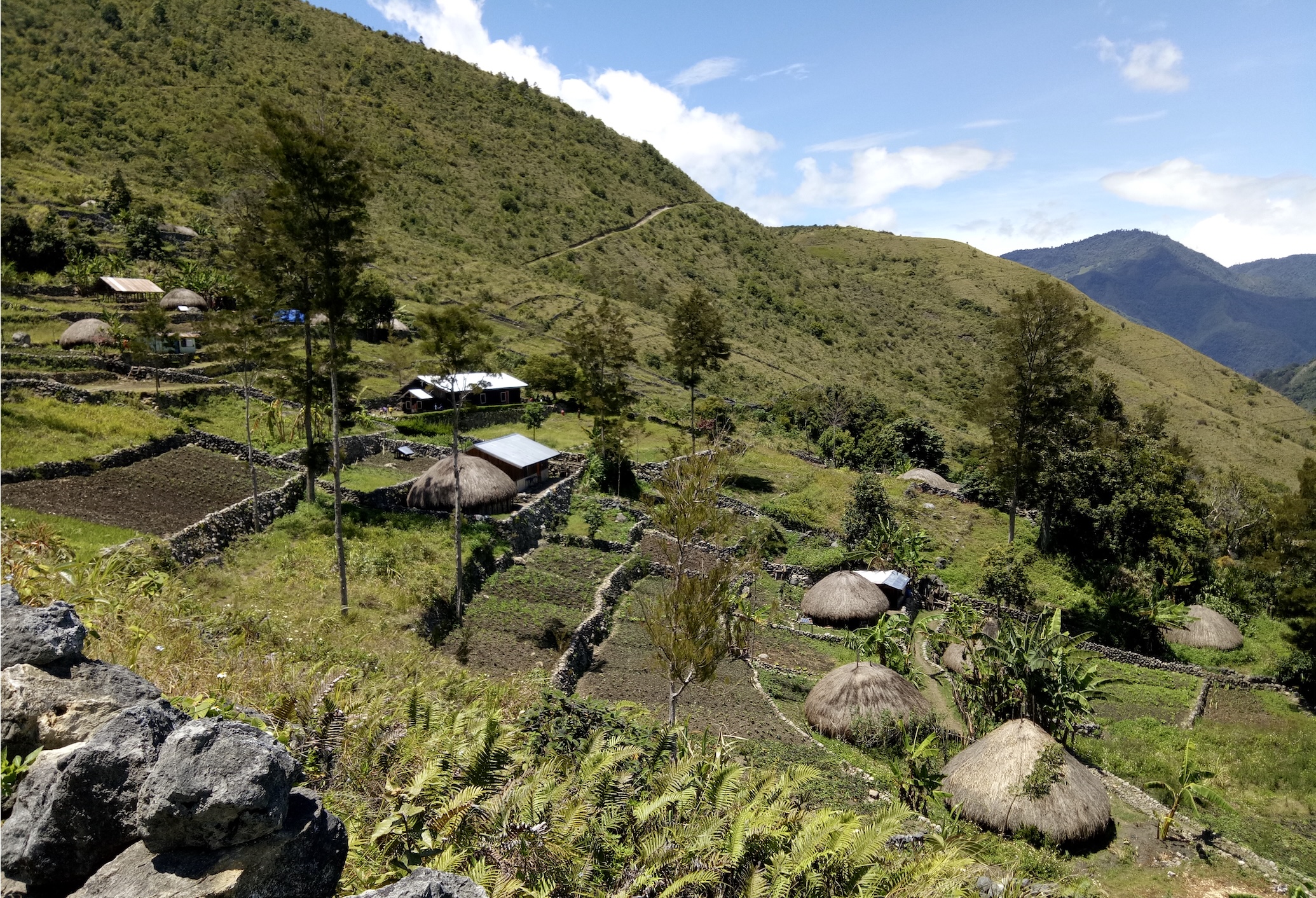
Indonesia’s military task force Koops TNI Habema says its troops killed four fighters from an armed OPM unit in a firefight in Balamai Atas village, Hitadipa District, Intan Jaya Regency, on 25 September 2026, and seized a scoped rifle, ammunition and radios. The claims have not been independently verified.
Highland Community Realities
Observing the rugged terrain of Central Papua reveals how persistent interior volatility tests local communities and state security forces alike. Everyday highland villagers require basic stability to carry out their agricultural and social routines without constant intimidation. Behind every remote village lies an urgent need for safe, functioning public spaces. Recently, this strategic tension came into sharp focus following a security encounter in Balamai Atas, Hitadipa District. Examining these events highlights a crucial dilemma: while armed threats require decisive containment, the long-term presence of security personnel brings its own complex social challenges.
Historically, military interventions in remote interior regions have drawn sharp scrutiny from international human rights monitors regarding operational restraint and civilian disruption. However, contemporary security realities demand a clear distinction between ordinary residents and armed combatants. Highland families deserve to cultivate their fields, keep community schools open, and access health clinics safely. Consequently, operations aimed at neutralizing high-risk armed threats must strictly preserve local living spaces. In addition, preserving community routines helps build long-term trust between residents and regional authorities.
Key Pillars of Regional Security and Safety
Addressing Armed Capabilities and Protecting Settlements
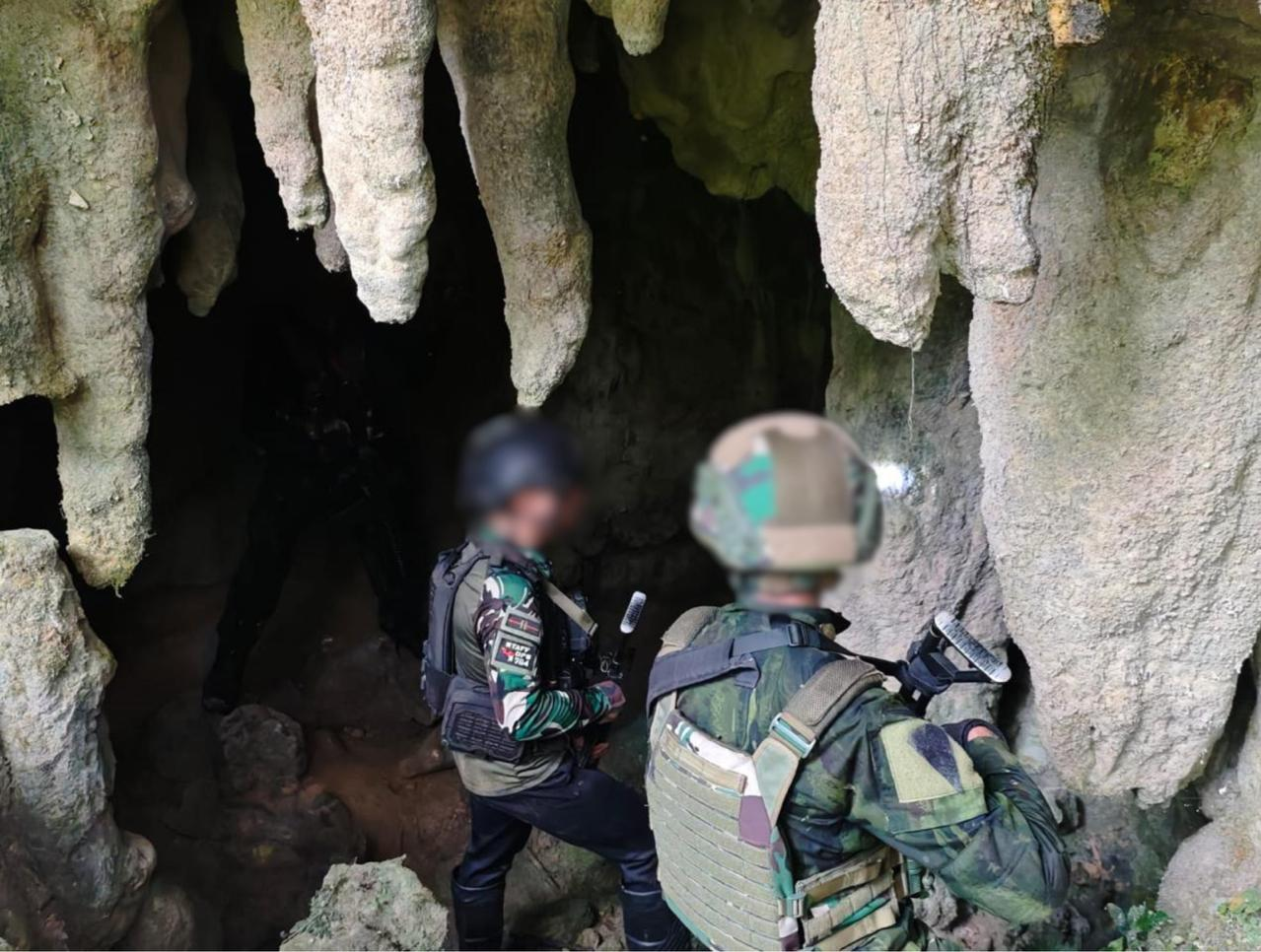
Reliable security forms the foundation of social and economic continuity across remote mountain valleys. Therefore, preventing armed intimidation from freezing village routines remains a primary priority. On Friday, September 25, 2026, an operational engagement took place in Balamai Atas village, Hitadipa District, Intan Jaya Regency. Personnel from the joint task force Koops TNI Habema, including Yonif 315/Garuda alongside the Taipur reconnaissance team, conducted sweeps following intelligence on armed elements from OPM Kodap VIII/Intan Jaya led by Daniel Aibon Kogoya.
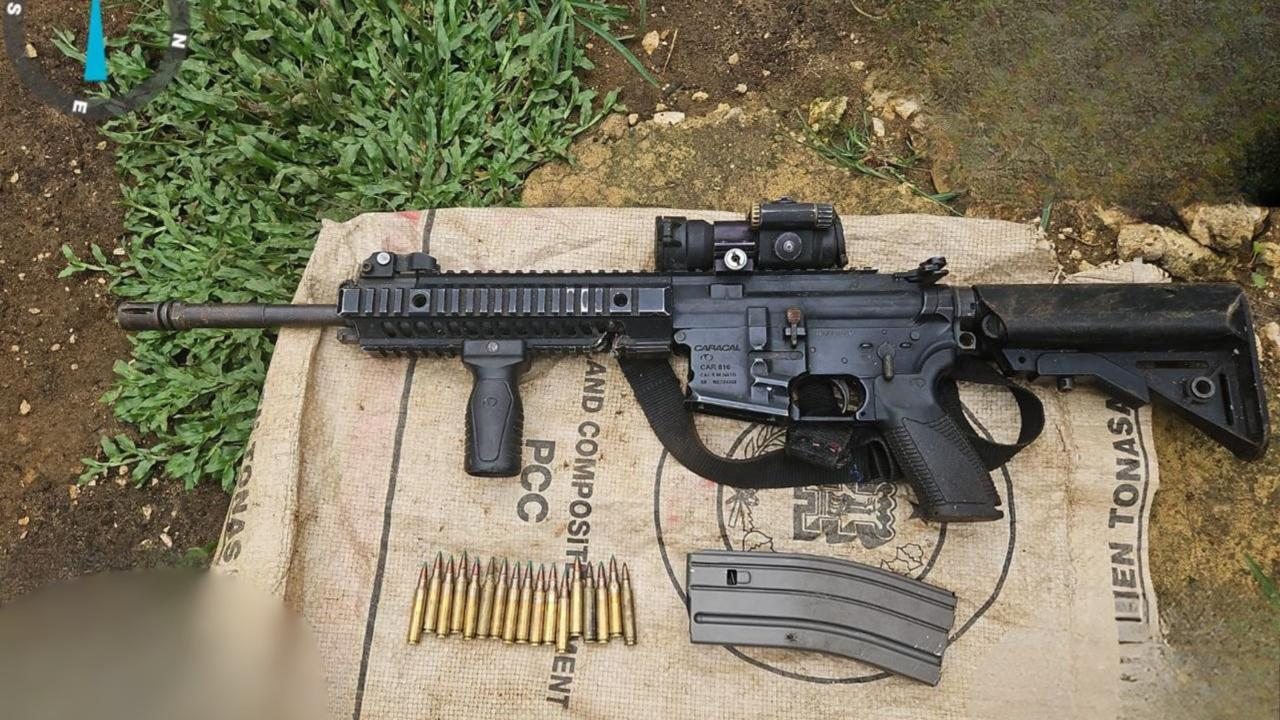
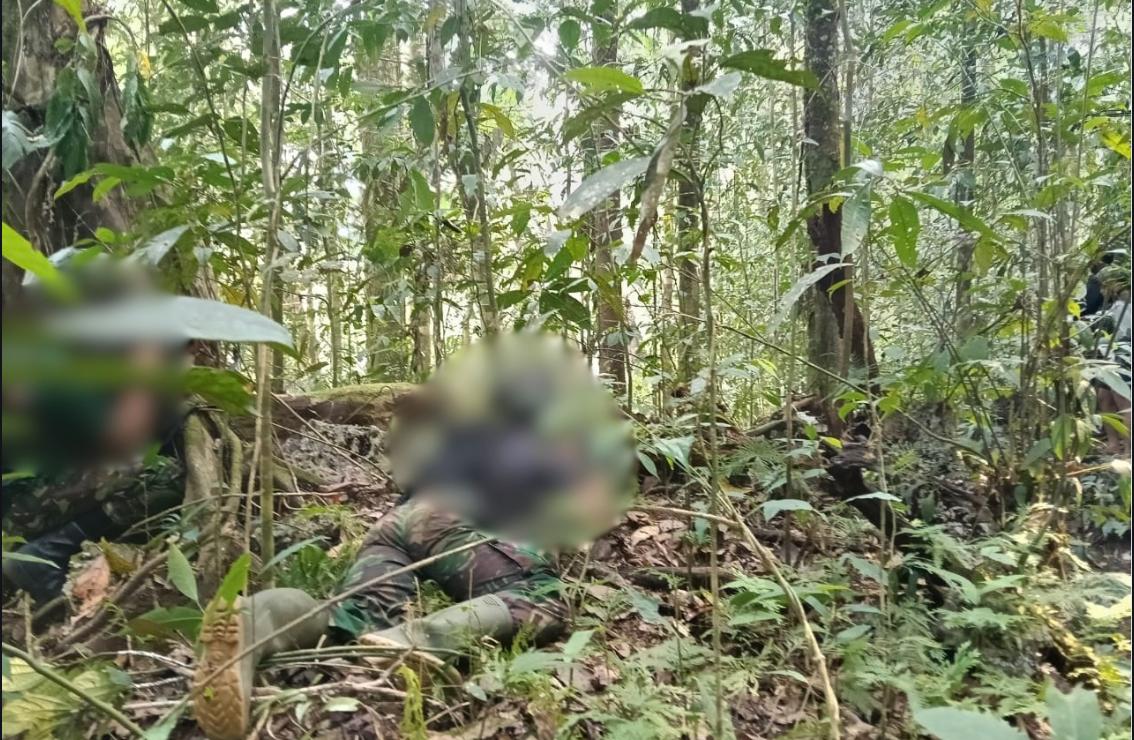
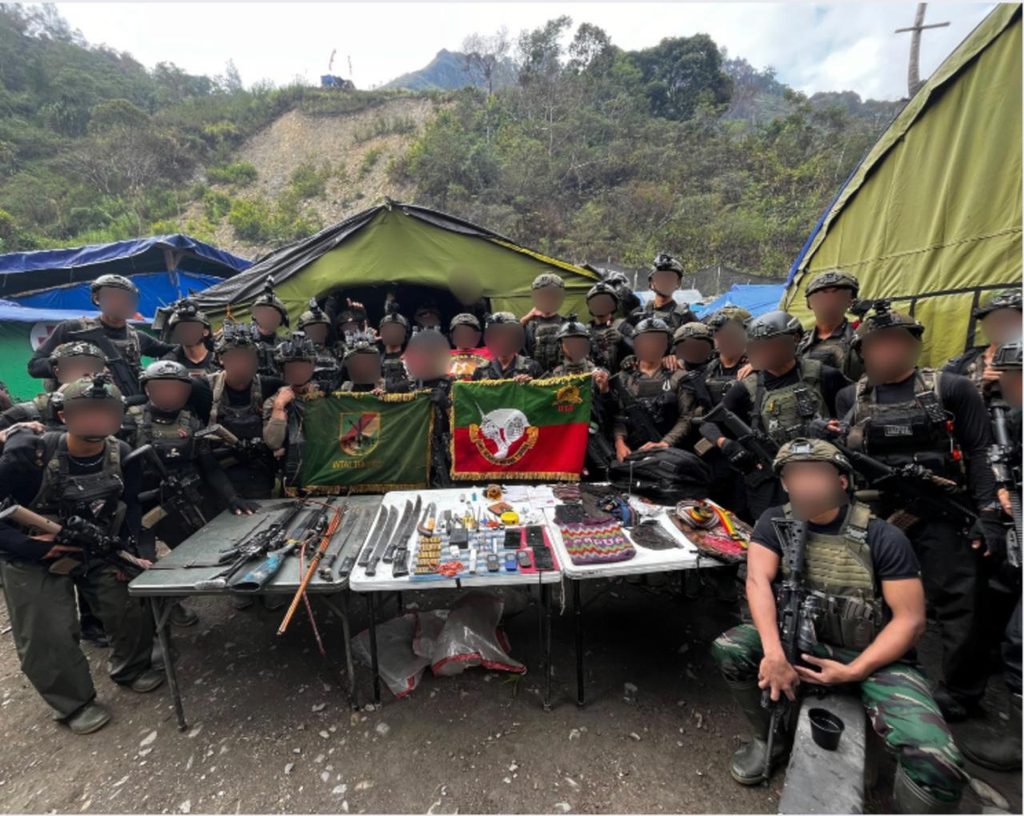
During the patrol, a firefight broke out between security personnel and the guerrilla unit. According to field reports, four armed combatants were reported killed, including two located at the scene and two who fell into a ravine. Furthermore, troops confiscated standard combat assets from the site. These included an SS2 V1 tactical rifle, a long-range weapon fitted with a Trijicon optical sight, 50 rounds of 5.56 mm live ammunition, magazines, and field communication devices. Recovering such optical-equipped weaponry underscores that patrol units were confronting a well-equipped insurgent unit operating uncomfortably close to civilian dwellings.
Brigadier General Riyanto, Commander of Koops TNI Habema, affirmed that field actions were executed selectively, professionally, and within strict legal parameters. Neutralizing lethal risks without escalating into widespread community displacement directly protects rural livelihood and village governance. In this specific engagement, operational restraint prevented immediate collateral harm to civilian homes. As a result, villagers avoided widespread property damage during the operation.
👉 ALSO READ: Deepest Condolences Over a Heartbreaking Tragedy That Must Never Happen Again
Civilian Recovery
Responding to armed presence near settlements requires precision and institutional discipline. Task force units executed targeted sweeps specifically to prevent indiscriminate escalation. Furthermore, the operational leadership outlined a necessary shift in operational philosophy. Brigadier General Riyanto emphasized that tactical success cannot be measured solely by neutralizing adversaries. Instead, the ultimate standard of success is creating a secure environment where public life can resume naturally.
As a result, operational priorities focus on restoring essential civilian infrastructure. When security forces clear armed hazards, local clinics can reopen, markets can trade freely, and customary community structures can function without extortion. Maintaining professional conduct helps highland residents reclaim their daily lives with genuine confidence.
The Accountability Check: Constructive Critiques for Lasting Peace
Tactical operations alone cannot resolve the multifaceted grievances across the highlands. While neutralizing armed actors in Balamai Atas removed an immediate hazard, the state apparatus must address critical operational realities to retain local credibility.
First, tactical engagements near residential zones invariably trigger psychological stress and flight instincts among villagers. The military command must ensure independent verification and prompt civilian welfare checks immediately after such operations to dispel rumors of arbitrary force. Second, while public appeals for combatants to surrender and reintegrate are welcome, these calls must be backed by credible legal frameworks, transparent rehabilitation protocols, and genuine socioeconomic safety nets. Without clear guarantees, combatants will remain hesitant to lay down arms, leaving rural populations perpetually caught in the middle. Security measures must serve as an accountable platform for human welfare rather than an endless cycle of kinetic deployments.
What has been reported?
The army’s Habema task force said it clashed with an armed group in Balamai Atas village, Hitadipa district, Intan Jaya, on 25 September 2026, and that four members of the group died, Kompas reported. These figures come from the military and have not been independently verified.
Conclusion: Preserving Hope and Regional Stability
Safeguarding interior villages is much more than a tactical exercise. More importantly, protecting ordinary residents ensures that children stay in school, healthcare workers reach remote hamlets, and families work their land in peace. When targeted security actions successfully dismantle lethal threats while actively inviting scrutiny and reform, regional stability is noticeably strengthened.
Over time, combining disciplined security measures with constructive institutional accountability turns complex challenges into durable ground for long-term growth.