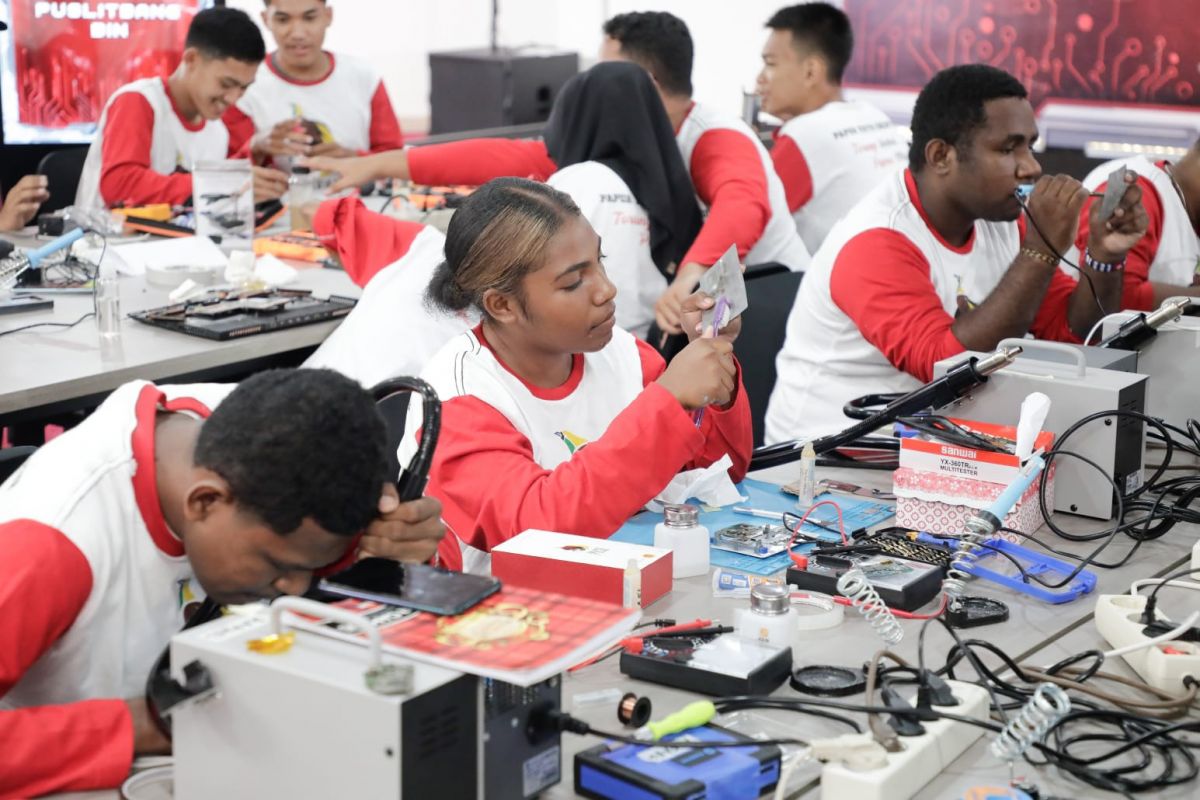
Vocational training centers (BLK) in Papua teach young people practical trades such as automotive repair, electrical wiring, computer networking and hospitality in courses that usually last a few months. Graduates receive recognized certificates and, in some programs, starter toolkits or links to local employers, giving them a faster path to a steady income.
Building Skills for a Better Future
Vocational training programs are opening exciting new doors for young people across the region. In fact, many Papuan youths now attend local Vocational Training Centers (BLK) to learn valuable, practical skills. These community centers offer a clear and direct path to finding good jobs and earning a steady income.
However, basic school degrees alone are not always enough to secure work in today’s highly competitive job market. Therefore, hands-on learning gives young people the exact tools they need to succeed in real work environments. Consequently, this strong focus on technical education helps build true economic independence for the next generation.
Key Pillars of Youth Empowerment
Building Practical Skills at Vocational Centers
Practical training at local vocational centers gives Papuan youth a huge advantage in life. For example, students can learn highly demanded trades like automotive repair, electrical wiring, computer networking, and hospitality services. As a result, these young men and women leave the classroom completely ready to work immediately.
Attending a local BLK provides several important benefits for young job seekers:
- Real-world practice: First, students spend most of their time using real tools instead of just reading textbooks.
- Official certificates: Second, graduates receive recognized papers that clearly prove their skills to future bosses.
- Shorter study time: Third, these technical programs usually take only a few months to finish, allowing youth to start earning money sooner.
- Business basics: Finally, many centers also teach basic money management for those who want to open their own small shops.
Moreover, gaining these specific abilities greatly boosts their daily confidence. Young people, therefore, feel much more prepared and excited to face the modern working world.
Connecting Graduates to the Job Market
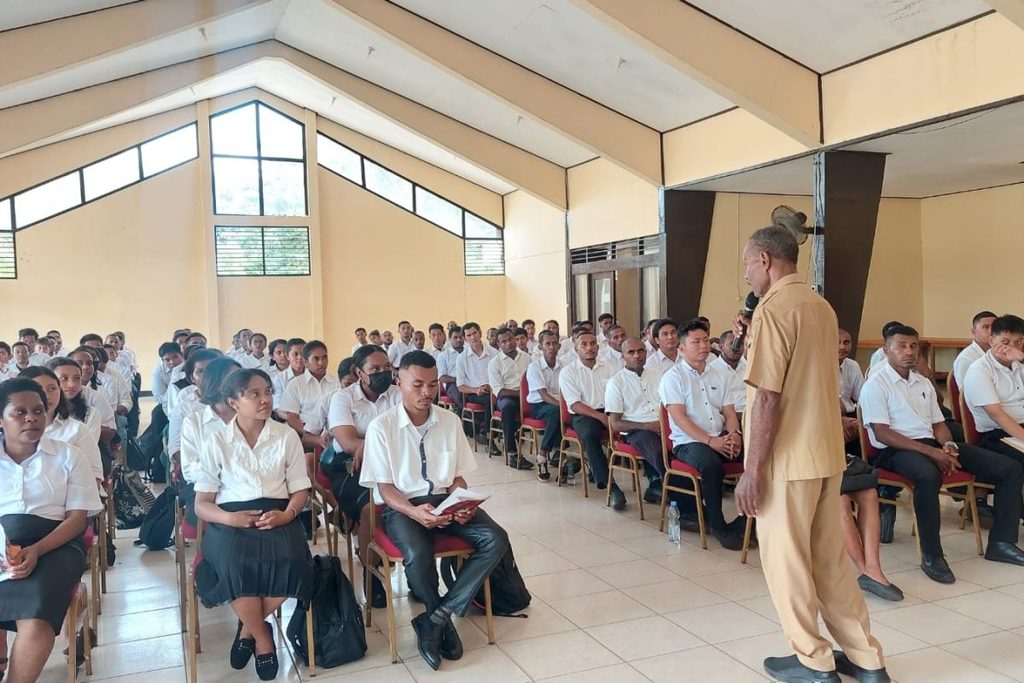
Gaining new technical skills is just the first step toward a highly successful career. More importantly, vocational centers actively help connect their best students with local companies looking for fresh workers. In addition, some programs provide starter toolkits for smart graduates who prefer to build their own small businesses from scratch. Meanwhile, local governments often partner with private factories to ensure a steady supply of well-trained local workers.
Creating these direct links between schools and employers greatly reduces youth unemployment. Because of this effort, companies can easily find the talented staff they desperately need. Ultimately, this teamwork allows young professionals to build strong futures while proudly supporting their local economy.
👉 ALSO READ: Dedication of Frontline Medics Serving Remote Papuan Villages
Addressing Concerns: Keeping Skills Relevant
Vocational training clearly offers great benefits, but the programs must always stay updated to remain useful. Indeed, teaching old methods will not help students find modern jobs in today’s fast-changing industries. Therefore, training centers need fresh equipment, fast internet, and teachers who fully understand current industry trends.
Fortunately, local leaders are working hard to upgrade these school facilities across Papua. Furthermore, asking local companies what skills they actually need helps schools plan much better classes. By keeping the lessons fresh and relevant, we can ensure that every student gets a fair chance at lifelong success.
What do official figures show?
Under the ADik affirmative scholarship, the government has covered both selection and study costs for university students from Papua and West Papua, according to the Ministry of Higher Education. Bank Indonesia counted 230,446 QRIS merchants in its Papua working area in early 2025, more than half of them in Jayapura, Jubi reported.
Conclusion: Building a Brighter Future
A good education remains the strongest key to unlocking a bright and secure future. Most importantly, vocational training gives Papuan youth the exact practical experience they need to thrive in the real world. When young people secure good jobs or open successful shops, the whole community naturally grows stronger and richer.
Over time, these well-trained young leaders will proudly drive Papua’s local economy forward with skill, hope, and true confidence.