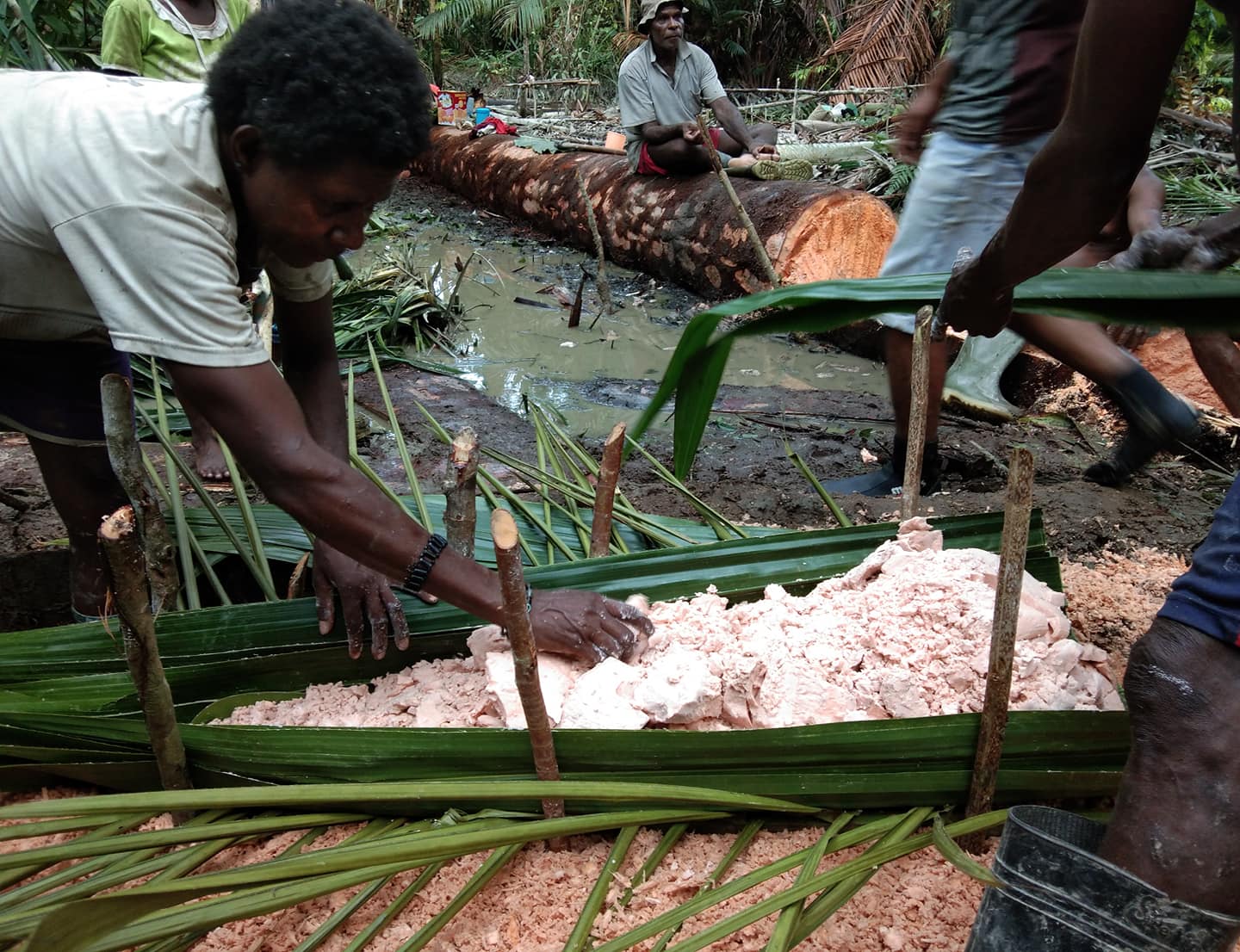
Sago and sweet potato have fed communities in Papua for thousands of years and grow without synthetic fertilizer or large-scale land clearing, yet imported rice and wheat have pushed them aside. Bringing these native staples back into daily diets, school meals and processed products such as sago flour can strengthen food security and keep food income in villages.
Revitalizing Ancestral Crops for Modern Security
Honoring native staples like sago and sweet potato strengthens regional health and food security. These traditional crops have nourished communities across eastern Indonesia for thousands of years. However, modern markets have often favored imported rice and wheat, gradually sidelining native food cultures.
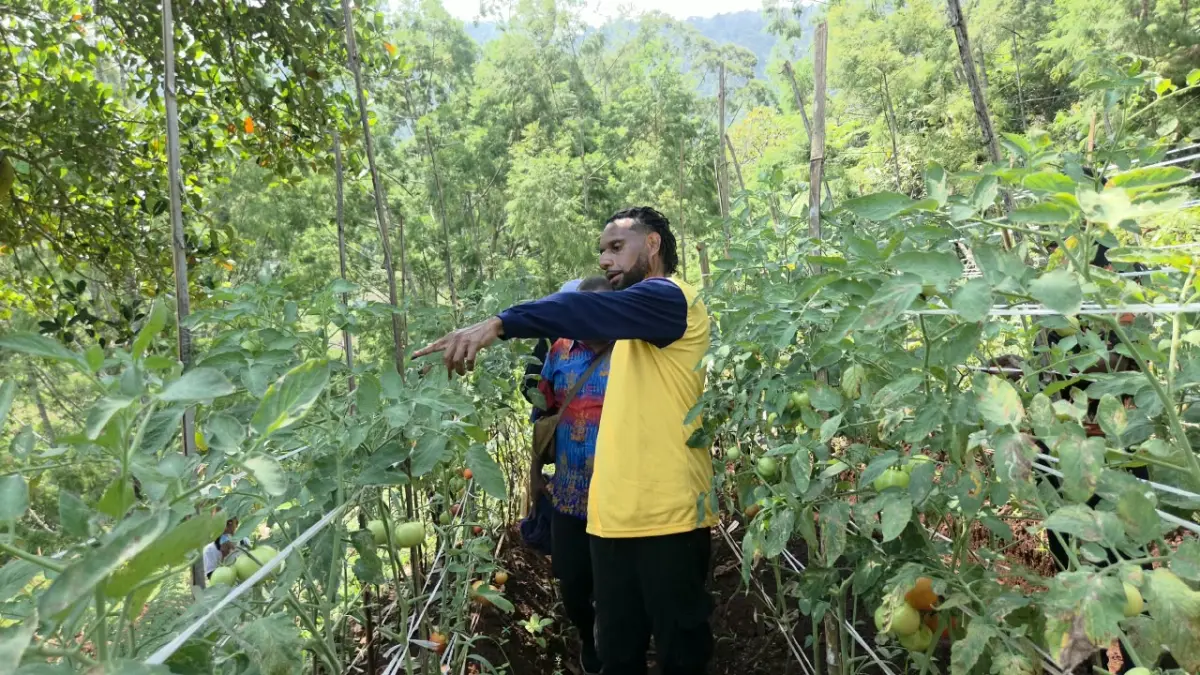
Revitalizing Indigenous food systems can strengthen agricultural resilience while creating opportunities for local economic development. In Papua: The Heart of Indonesia–Pacific Food Resilience, Steve Mara emphasizes the importance of integrating Indigenous food systems into broader food security strategies. This approach allows Papua to preserve ancestral food traditions while developing a more diverse and sustainable food system. Consequently, local communities can strengthen food security while maintaining their cultural heritage.
Key Pillars of Indigenous Food Resilience
Celebrating Sago and Sweet Potato Superiority
Promoting sago palms and native sweet potatoes gives Papuan agriculture an extraordinary environmental and nutritional advantage. For example, sago palms grow naturally in vast wetland ecosystems without requiring synthetic fertilizers or extensive land clearing. Therefore, smallholder farmers can harvest rich carbohydrate sources while preserving native peatlands and rainforests.
Focusing on these power crops provides several direct benefits for local populations:
- Sago forests: First, wild sago stands absorb massive amounts of carbon while providing infinite harvests for rural villages.
- Nutritional variety: Second, native sweet potato varieties offer essential vitamins, antioxidants, and stable energy for growing children.
- Climate resistance: Third, indigenous crops naturally withstand tropical heat, heavy rains, and local plant diseases.
- Cultural identity: Finally, traditional food cultivation preserves ancestral culinary techniques and deep tribal heritage.
Building daily diets around ancestral crops instills strong cultural pride among young generations. Local households, as a result, achieve true food autonomy through time-tested natural resources.
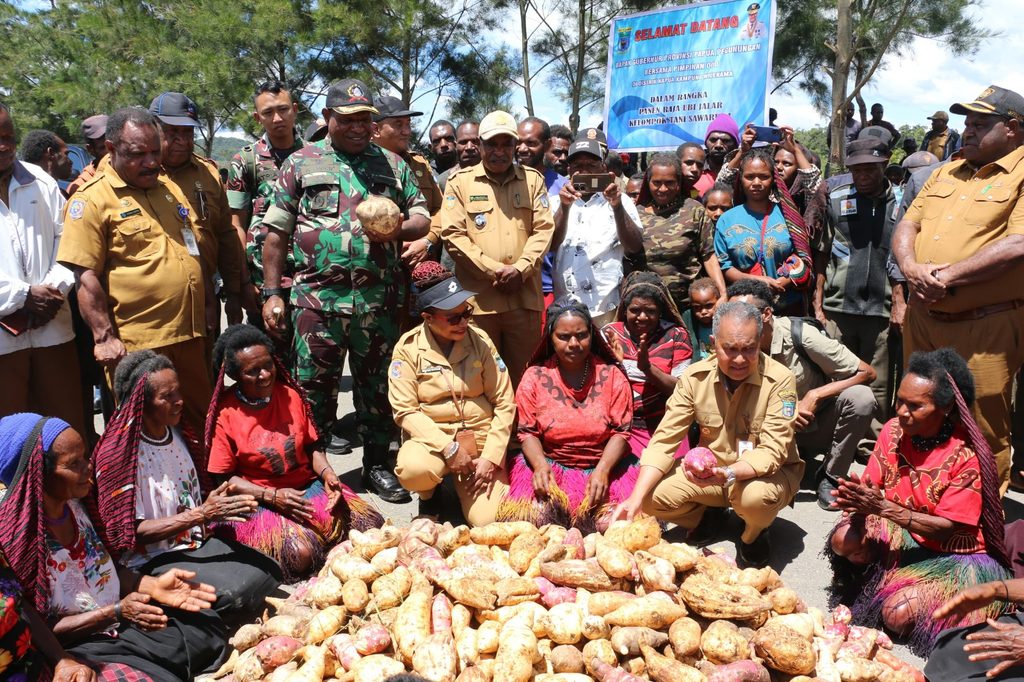
Processing and Commercializing Indigenous Products
Transforming raw crops into high-value packaged foods creates new commercial opportunities for rural entrepreneurs. Modern processing centers now produce refined sago flour, sweet potato noodles, and gluten-free snacks. Meanwhile, young innovators use attractive packaging and culinary festivals to introduce traditional Papuan ingredients to national retailers, urban consumers, and tourists.
Modernizing native food processing converts traditional staples into profitable market commodities. Ultimately, building commercial value around customary foods keeps agricultural income flowing directly into rural villages.
👉 ALSO READ: Local Strengths Build True Food Security in Papua
Addressing Concerns: Supply Chain Modernization and Market Perception
Shifting public preference back toward traditional staples can sometimes face outdated social perceptions. Indeed, some urban consumers mistakenly view imported rice as superior to native crops like sago or sweet potato. Therefore, public health campaigns and local schools must actively educate communities on the superior nutritional value of native foods.
Modern culinary trends increasingly embrace gluten-free and organic sago and sweet potato products. Furthermore, government programs support indigenous foods through public school lunches and civil service procurement. By combining health education with local purchasing, communities can keep native foods central to daily life.
What do official figures show?
According to the Ministry of Agriculture, Papua holds about 5.3 million hectares of sago, more than 95 percent of Indonesia’s sago land, yet the country uses only about 6 percent of its sago potential. Presidential Regulation 81/2024 makes local foods such as sago, cassava and sorghum part of national food diversification policy, as the National Food Agency explained in 2025. For more, see Papua Sago Supply.
Conclusion: Nourishing Papua Through Ancestral Wisdom
Sago, sweet potato, and indigenous food systems hold the ultimate key to sustainable regional security. Most importantly, embracing native agricultural heritage proves that nature has already provided the perfect solutions for local health and prosperity. When Papuan communities honor their ancestral crops, they nourish both their bodies and their cultural roots.
Over time, celebrating local food power will ensure a flourishing, sustainable, and food-secure Papua for generations to come.