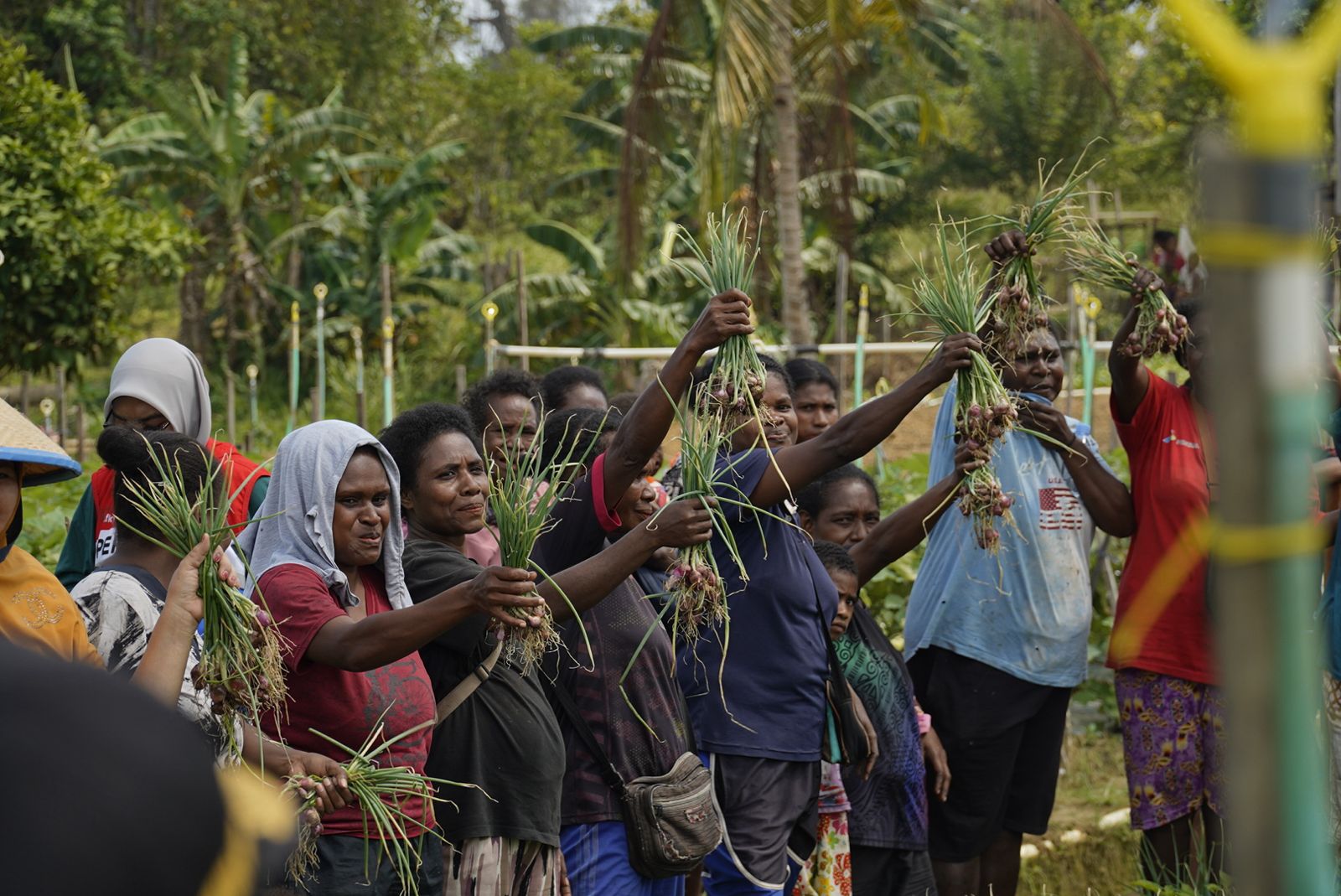
Relying on food shipped in from elsewhere leaves remote Papuan communities exposed to shortages and high prices when transport breaks down. Growing more sago, tubers, bananas and cassava locally, storing reserves for dry seasons and selling through nearby markets can keep food fresh and affordable while preserving traditional farming knowledge.
Food Security Rooted in Local Land
Building sustainable food systems relies on empowering local farmers and native agricultural knowledge. In fact, heavy reliance on outside food imports creates vulnerability across remote communities. In the past, transporting perishable food across long distances caused frequent shortages and high market prices.
However, prioritizing local sago, tubers, bananas, and other traditional crops offers a practical way to strengthen regional food autonomy. In his book Papua: The Heart of Indonesia–Pacific Food Resilience, Steve Mara highlights Papua’s rich Indigenous food resources and their potential to support a more resilient food system. Building on this perspective, communities can combine traditional agricultural knowledge with sustainable farming practices to improve local food availability. Consequently, stronger local production can help families manage supply disruptions and price fluctuations while preserving valuable food traditions.
Key Pillars of Local Food Security
Cultivating Traditional Crops for Sustainable Nutrition
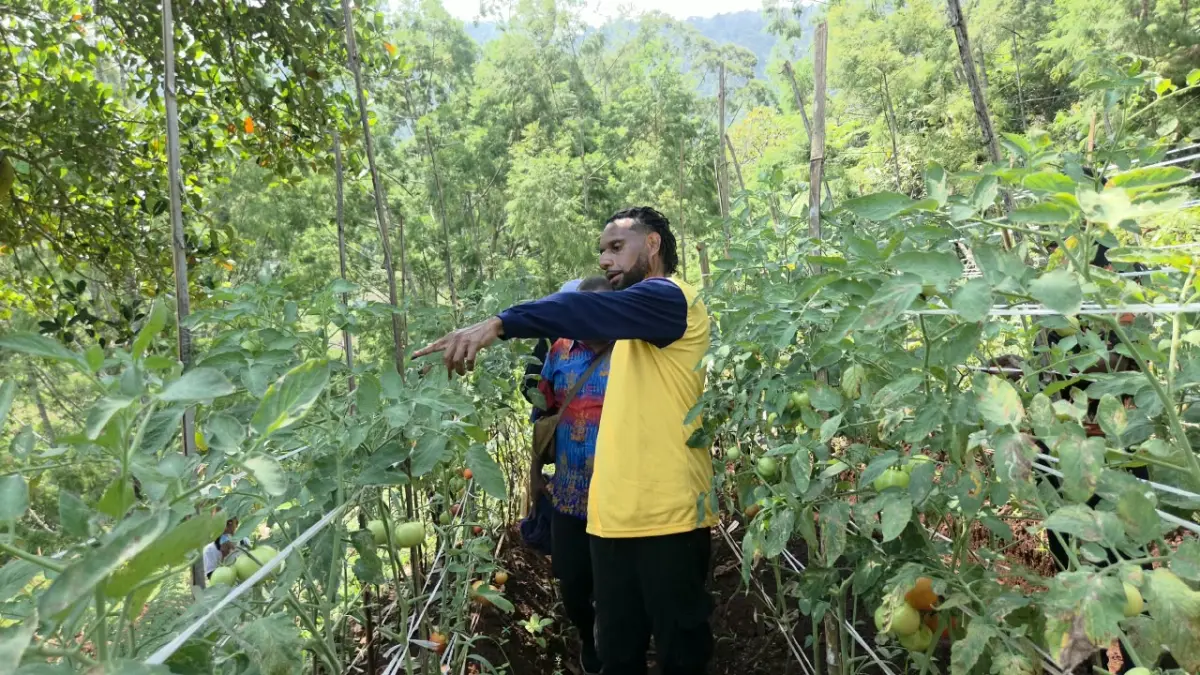
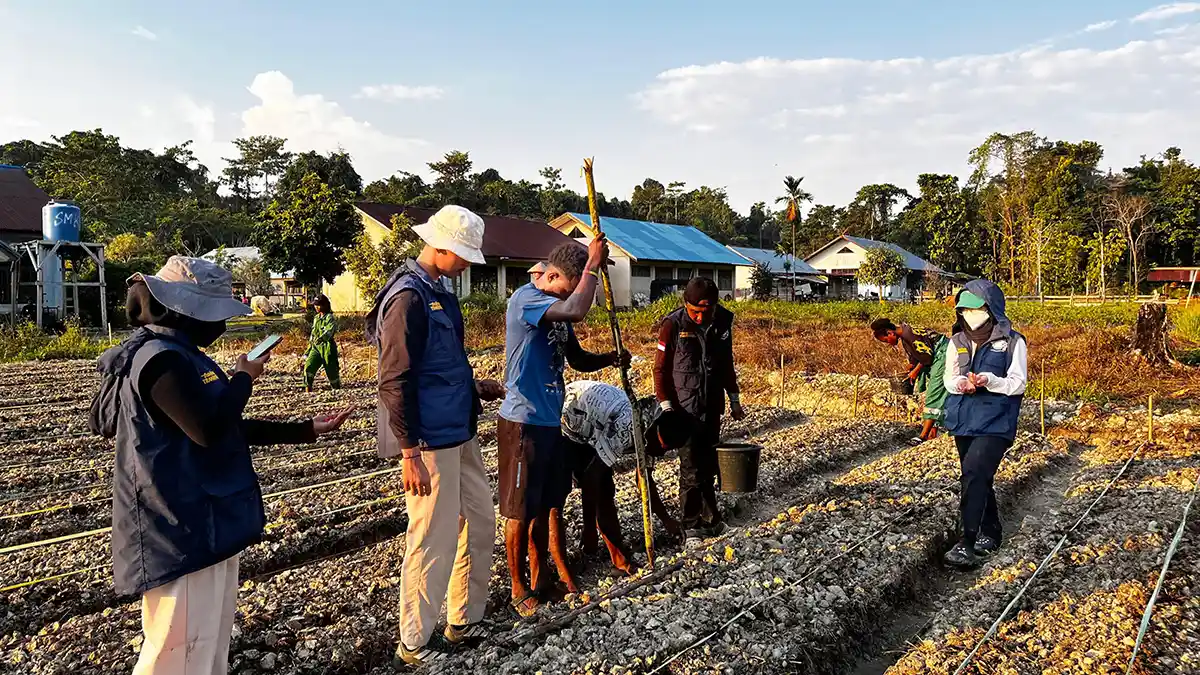
Focusing on traditional food staples like sago, sweet potatoes, and cassava offers a resilient path toward long-term nourishment. For instance, native crops grow naturally in local soil conditions without requiring expensive imported chemical fertilizers. Therefore, smallholder farmers can produce rich harvests while maintaining healthy soil biology.
Cultivating native staples provides several direct advantages for local communities:
- Nutritional resilience: First, traditional crops like sago and tubers offer dense, climate-resilient energy sources for families.
- Lower costs: Second, using native seeds eliminates reliance on expensive imported agricultural inputs.
- Soil protection: Third, traditional organic farming methods keep native farmland fertile for future planting cycles.
- Cultural heritage: Finally, preserving native food crops honors ancestral farming traditions and local food culture.
Promoting these native crops builds strong pride among village growers. Local families, as a result, secure healthy diets directly from their own lands.
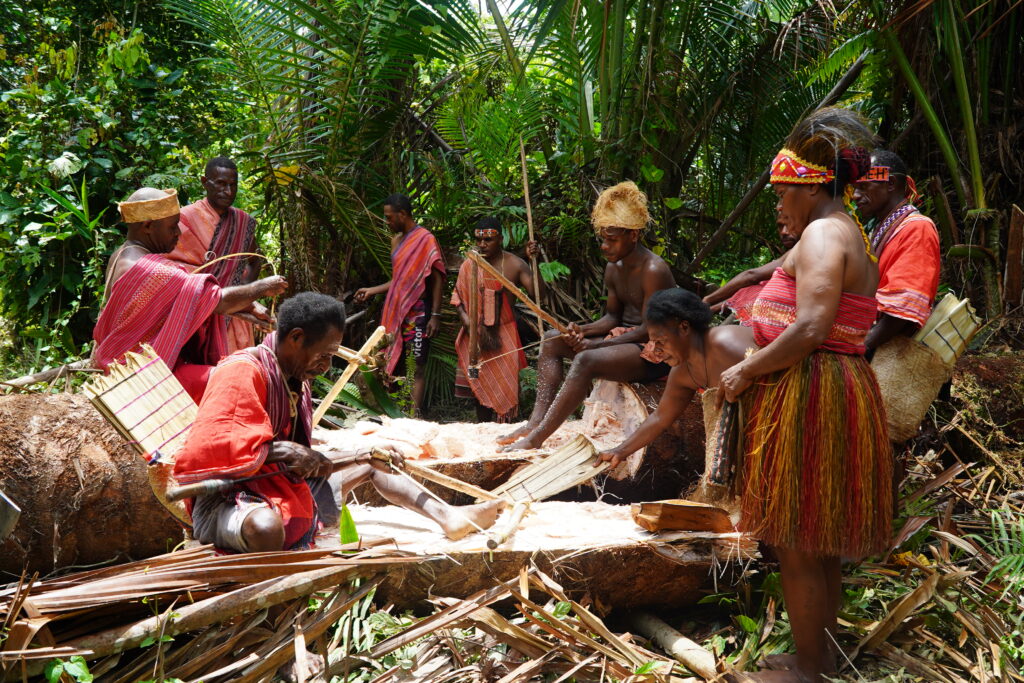
Connecting Local Harvests to Regional Markets
Linking rural harvests with neighborhood markets keeps food fresh and affordable for urban consumers. In addition, local supply chains reduce transportation times and prevent food waste during delivery. Specifically, regional processing centers allow villagers to produce sago flour and packaged tuber products right in their home districts. Meanwhile, local market networks ensure that urban families buy fresh, locally grown produce directly from native farmers.
Building strong local food distribution keeps agricultural profits inside native communities. Ultimately, this self-reliant network guarantees stable food access for every household across Papua.
👉 ALSO READ: Unlocking Papua Agricultural Potential Drives Long Term Growth
Addressing Concerns: Climate Shifts and Logistics
Adapting to changing climate patterns can sometimes create unpredictable challenges for traditional food production. Indeed, changing rainfall patterns and prolonged dry seasons can affect planting schedules and crop yields. Therefore, regional agricultural offices and local experts must provide weather guidance and modern irrigation support.
Fortunately, native crops like sago and indigenous yam varieties possess natural resilience against harsh weather conditions. Furthermore, local storage facilities allow communities to keep emergency food reserves for dry seasons. By combining traditional crop resilience with modern storage technology, communities maintain steady food security year-round.
What do official figures show?
Presidential Regulation 81/2024 makes local foods such as sago, cassava and sorghum part of national food diversification policy, as the National Food Agency explained in 2025. According to the Ministry of Agriculture, Papua holds about 5.3 million hectares of sago, more than 95 percent of Indonesia’s sago land, yet the country uses only about 6 percent of its sago potential.
Conclusion: A Self-Sustaining Future for Papua
Building food security from local strengths offers the most reliable foundation for long-term regional stability. Most importantly, relying on native crops and local wisdom proves that true security begins at home. When Papuan farmers cultivate their own lands proudly, they ensure health and prosperity for their entire society.
Over time, cultivating local strengths will build a completely self-sustaining, food-secure, and thriving Papua.