
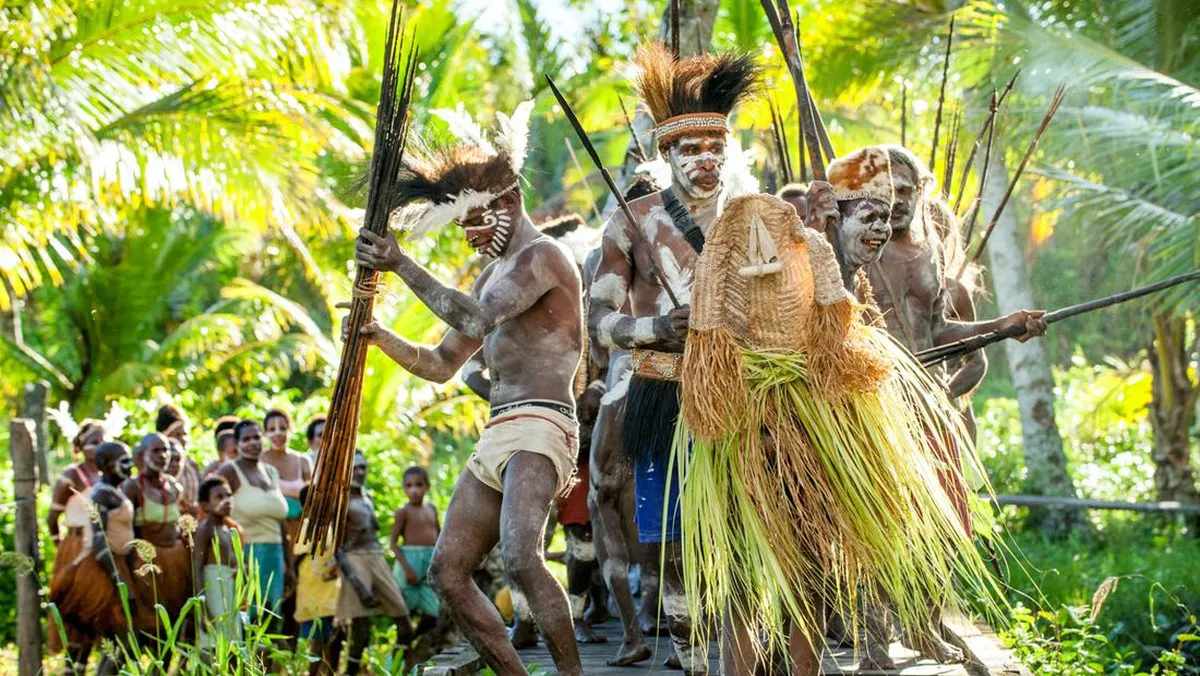
Papua’s geographical position and cultural connections create opportunities to strengthen cooperation between Indonesia and Melanesian communities. Trade, education, cultural exchange, and development partnerships can connect communities, expand economic opportunities, and support closer regional relationships. Lasting progress depends on mutual respect, local participation, and practical initiatives that respond to shared priorities.
Connecting Shared Heritage with Regional Cooperation
Papua occupies an important position in Indonesia’s relationship with Melanesian communities across the Pacific. Its proximity to neighboring countries, particularly Papua New Guinea, creates opportunities to strengthen regional ties. However, lasting cooperation requires more than shared heritage. It also depends on practical partnerships that improve trade, education, cultural exchange, and community welfare.
👉 ALSO READ: Where Do Pacific Countries Stand on West Papua?
Indonesia became an associate member of the Melanesian Spearhead Group (MSG) in 2015. The organization provides a regional framework for cooperation among Melanesian partners. For Papua, these connections offer opportunities to link Indonesia’s regional engagement with local priorities and create stronger relationships across the Pacific.
Key Pillars of Indonesia–Melanesia Cooperation
Expanding Trade and Development Partnerships
Papua’s proximity to Melanesian neighbors creates opportunities for stronger economic connections. However, geographical proximity alone cannot guarantee trade growth. Reliable transport, clear border procedures, and stronger links between producers and buyers are also essential. These improvements can help local businesses explore regional markets and participate in cross-border trade.
Practical cooperation could focus on several areas:
- Cross-border trade: Improving market access for local products and small businesses.
- Agriculture and fisheries: Sharing knowledge and suitable production techniques.
- Transport connectivity: Supporting more efficient movement of goods and people.
- Local enterprise development: Helping Papuan businesses and cooperatives access regional supply chains.
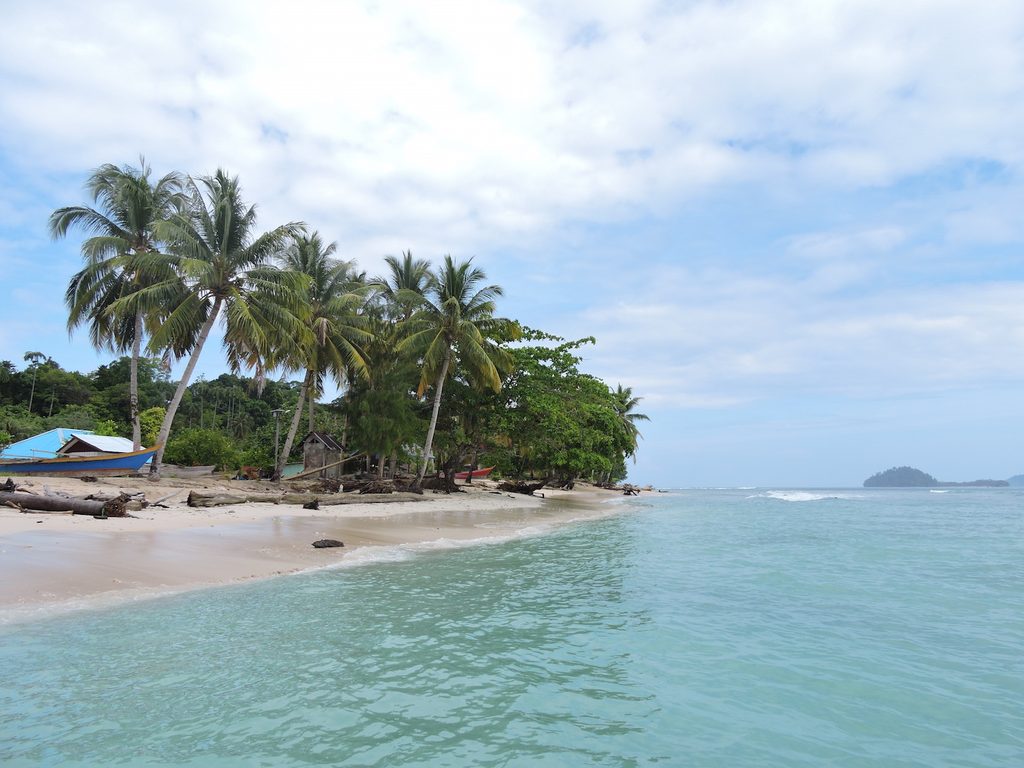
Strengthening Cultural and Educational Ties
Shared Melanesian heritage can provide a foundation for cultural exchange and mutual understanding. Student exchanges, scholarships, cultural events, and professional training can help people build relationships beyond formal government meetings. These activities also create opportunities to share knowledge and develop lasting connections between communities.
In Papua: The Heart of Indonesia–Pacific Food Resilience, Steve Mara highlights Papua’s potential to connect Indonesia with Melanesian communities through cooperation in food security, education, and agricultural knowledge. These partnerships can create opportunities for Papuan students, educators, farmers, and entrepreneurs to exchange expertise and build regional networks. For such cooperation to deliver lasting benefits, local communities should help shape initiatives according to their priorities, cultural values, and existing knowledge. The Papua Movement emphasizes the importance of linking regional engagement with meaningful local participation.
👉 ALSO READ: Indonesia’s Food Diplomacy in the Pacific
Addressing Concerns: Making Regional Cooperation Work
Regional cooperation faces practical challenges, including transport costs, administrative barriers, uneven access to services, and different market requirements. Cultural connections alone cannot resolve these issues. Governments, educational institutions, local businesses, and community organizations need clear objectives and consistent implementation to turn regional commitments into practical results.
Meaningful local participation is equally important. Transparent planning can help ensure that trade initiatives, training programs, and cultural exchanges reflect community needs. Respect for the distinct identities and perspectives of Melanesian communities can also build trust and support long-term cooperation.
Conclusion: Turning Regional Connections into Opportunities
Papua can help connect Indonesia with Melanesian partners through trade, education, cultural exchange, and development cooperation. These areas offer practical ways to strengthen regional relationships while creating opportunities for local communities.
The Papua Movement emphasizes the importance of connecting regional engagement with local participation. Through inclusive planning, reliable partnerships, and sustained dialogue, Papua can contribute to stronger relationships between Indonesia and its Melanesian neighbors.