The article argues that social justice in Papua depends on sustained government commitment that outlasts political cycles, not on short-term projects. It names four priorities: roads linking remote villages to services, wider health care and schooling, support for local businesses and farming, and making sure every community benefits, all backed by reliable funding.
Political Will and Social Justice in Papua
Social justice in Papua requires more than short-term projects. In fact, lasting progress depends on sustained political goodwill.
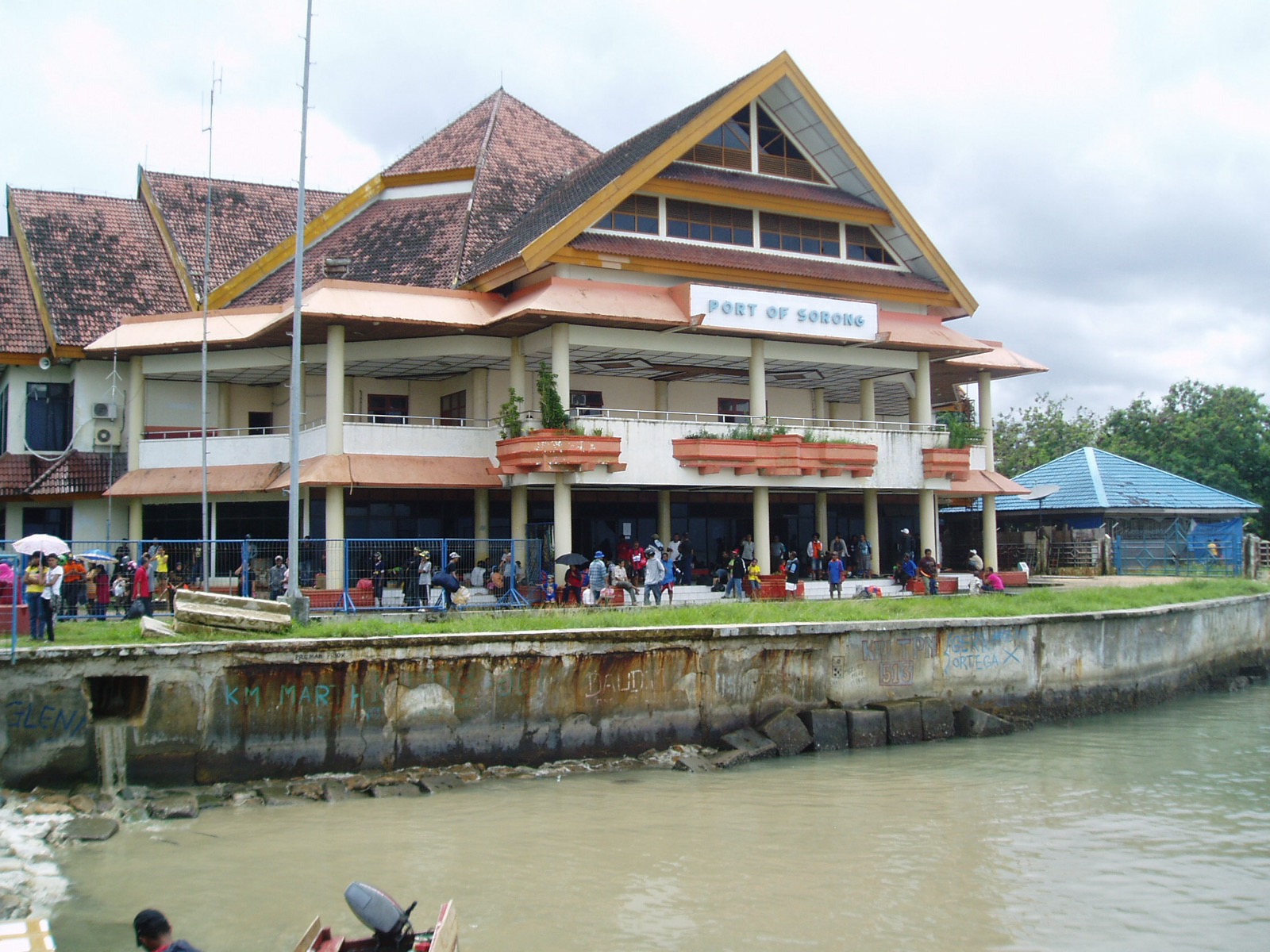
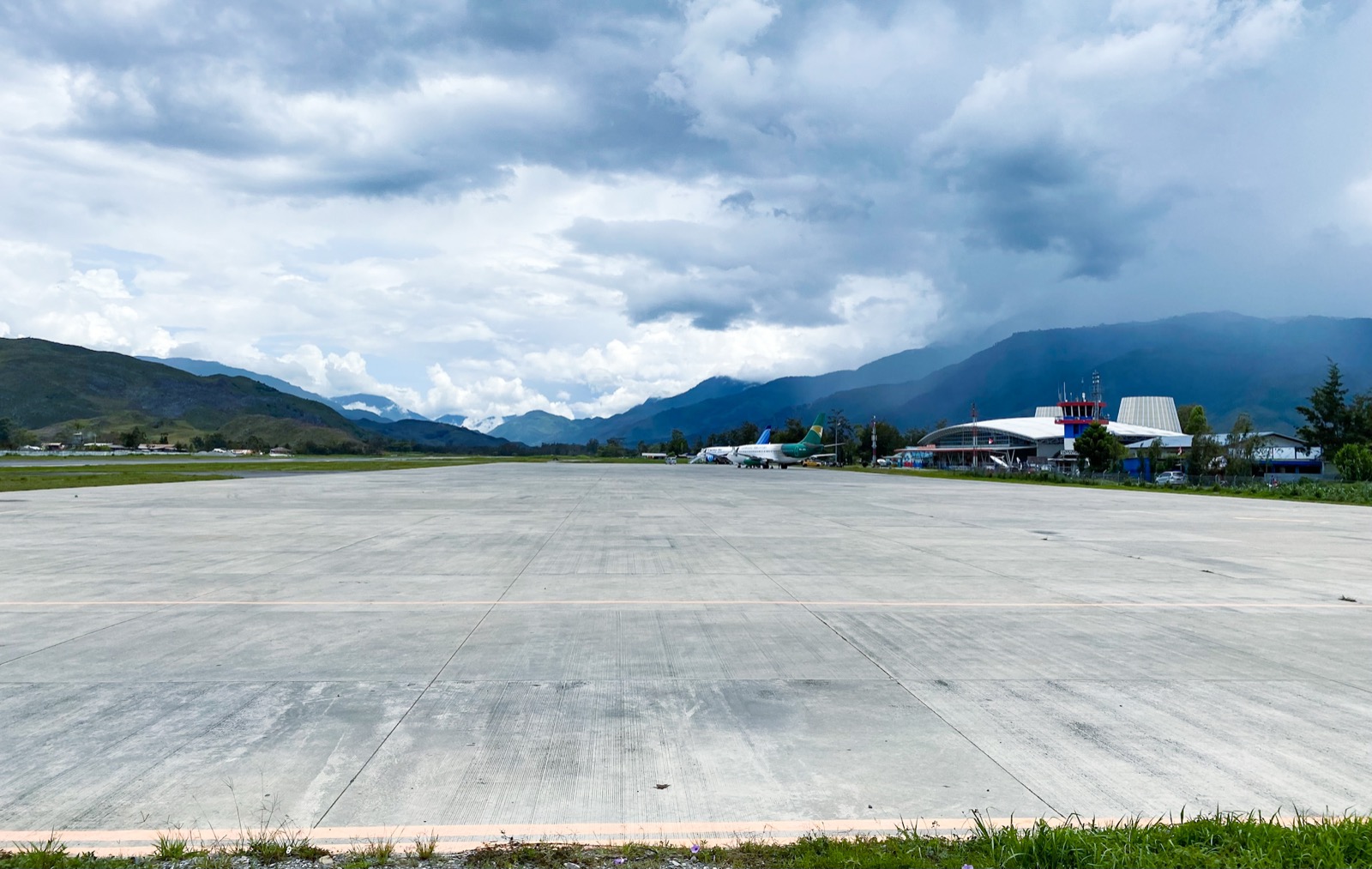
In Papua, geographic isolation creates severe access barriers for families. Consequently, national policies must focus on consistent execution and concrete results. Public development targets long-term inequality reduction. Therefore, reliable infrastructure remains central to fulfilling Indonesia’s social commitment.
Turning Government Commitment into Action
Political willpower becomes meaningful when translated into clear actions. For instance, sustainable development demands active coordination across government levels.
Public policies focus on four core pillars:
- Infrastructure Development: Improving physical connectivity between remote villages and public facilities.
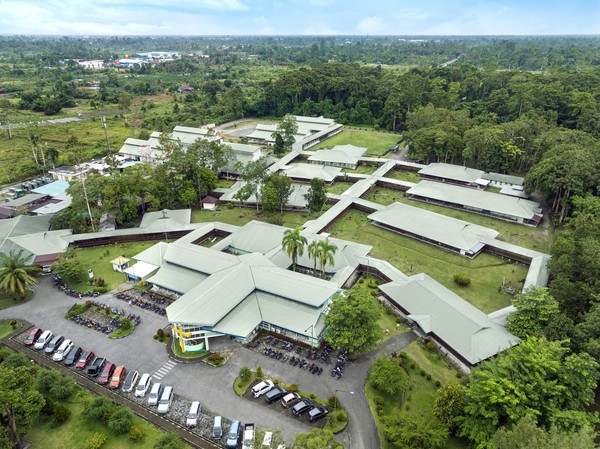
- Public Service Access: Expanding healthcare coverage and quality primary education across Papua.
- Economic Empowerment: Supporting local businesses, small farming, and productive regional trade.
- Social Inclusion: Ensuring development benefits reach every community across all provinces.
Ultimately, social justice creates lasting systems for equal economic opportunity.
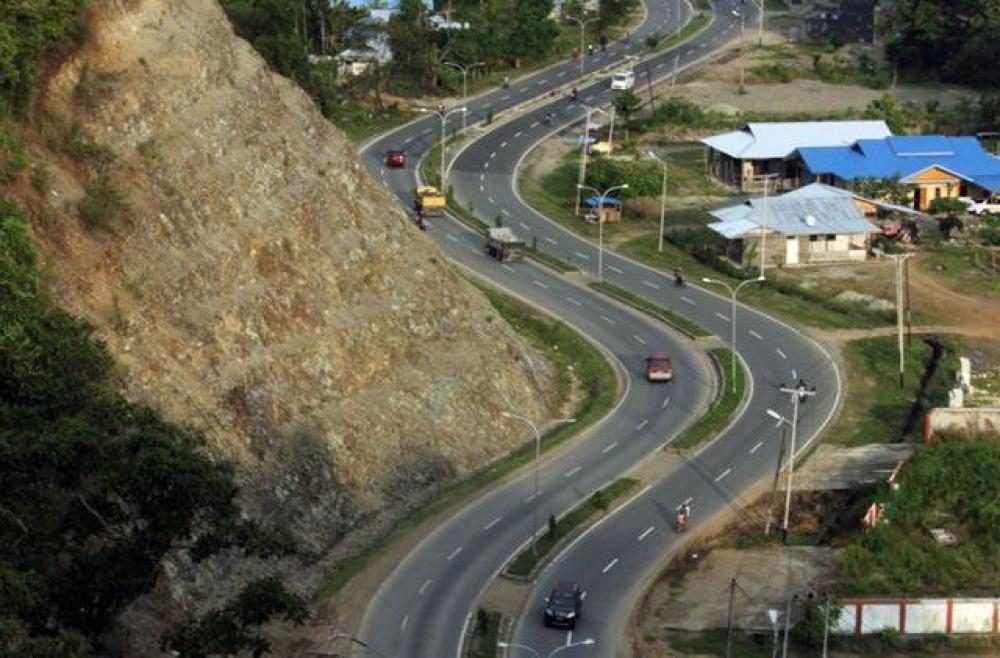
Sustainable Development
This approach connects political willpower with long-term regional development. Furthermore, progress must continue beyond short-term political cycles.
By building sturdy roads, the state improves rural healthcare delivery. As a result, public infrastructure investment creates lasting economic benefits for residents. In addition, better connectivity strengthens trust between regional communities and the state.
ALSO READ: Bridging Papua’s Development Gap Through Integrated Agriculture
What do official figures show?
Special autonomy funds rose from 2 to 2.25 percent of the national General Allocation Fund under Law No. 2/2021, according to the Ministry of Finance. In 2025 the Papuan People’s Assembly (MRP) challenged parts of the revised special autonomy law, saying they weakened its power to protect indigenous rights, before withdrawing the case, according to the Constitutional Court.
Building Long-Term Social Justice in Papua
Achieving social justice in Papua requires consistency between policy and execution. Furthermore, political decisions must receive reliable funding and institutional support.
Indonesia transforms goodwill into practical public infrastructure. In conclusion, sustained investment secures equitable progress and prosperity for Papua.