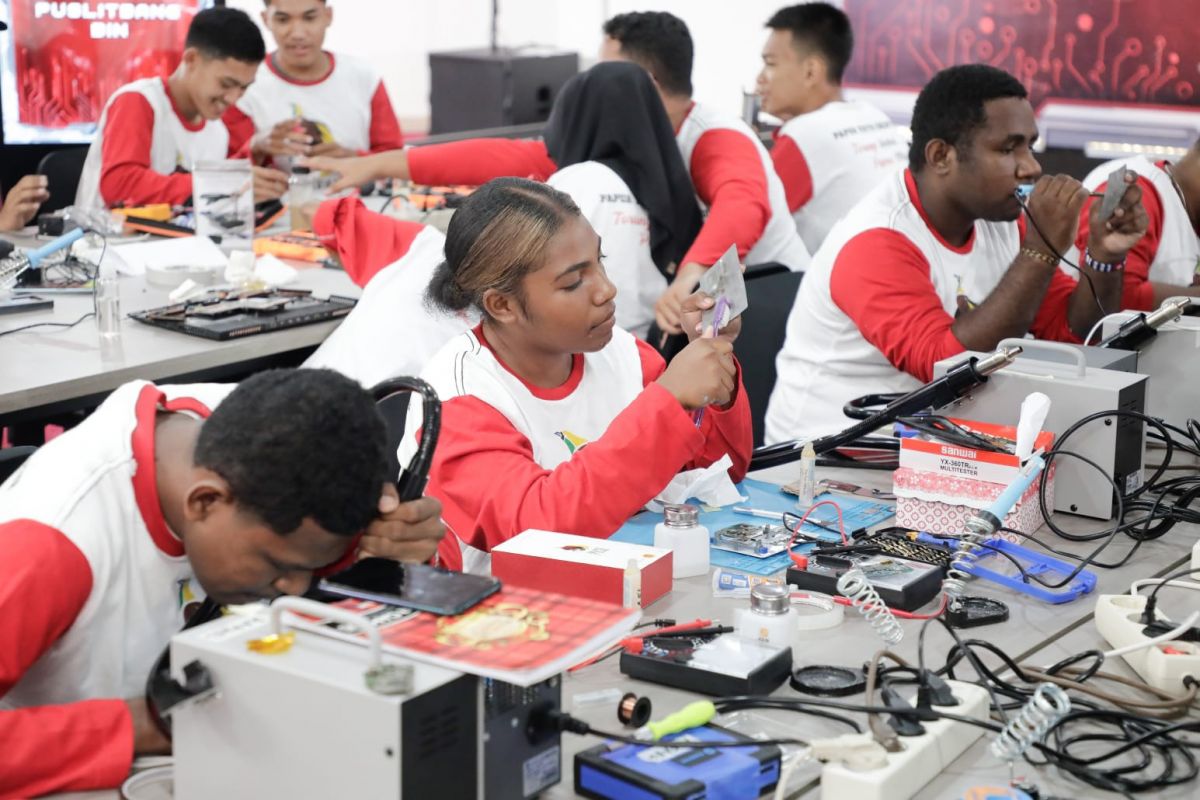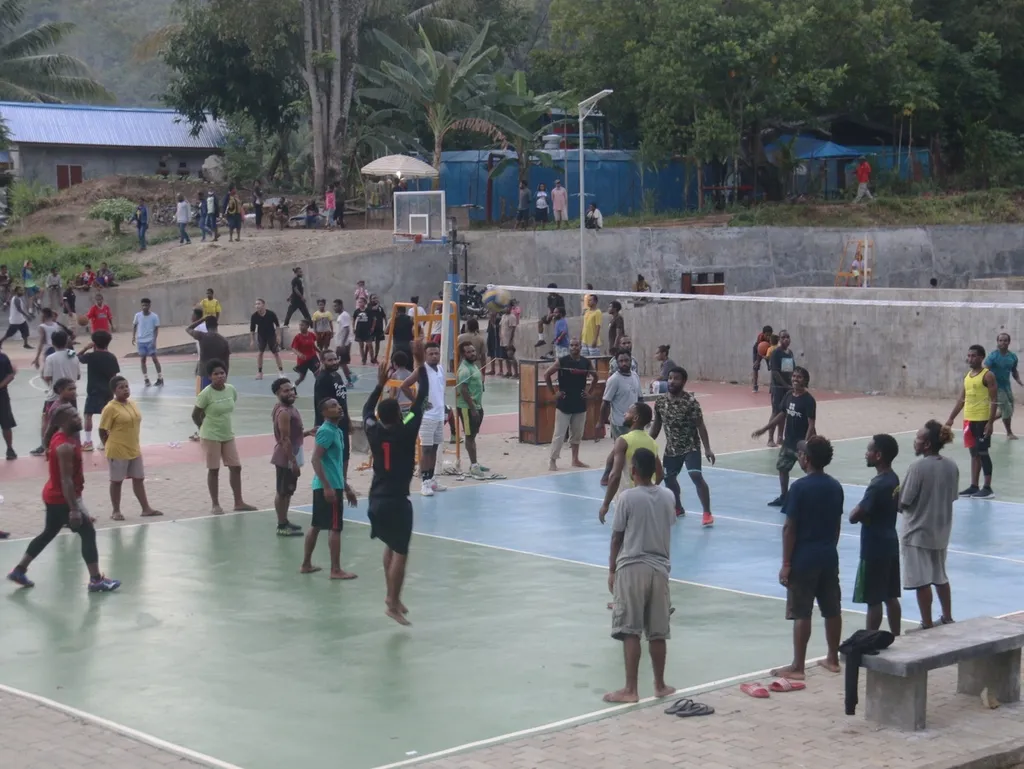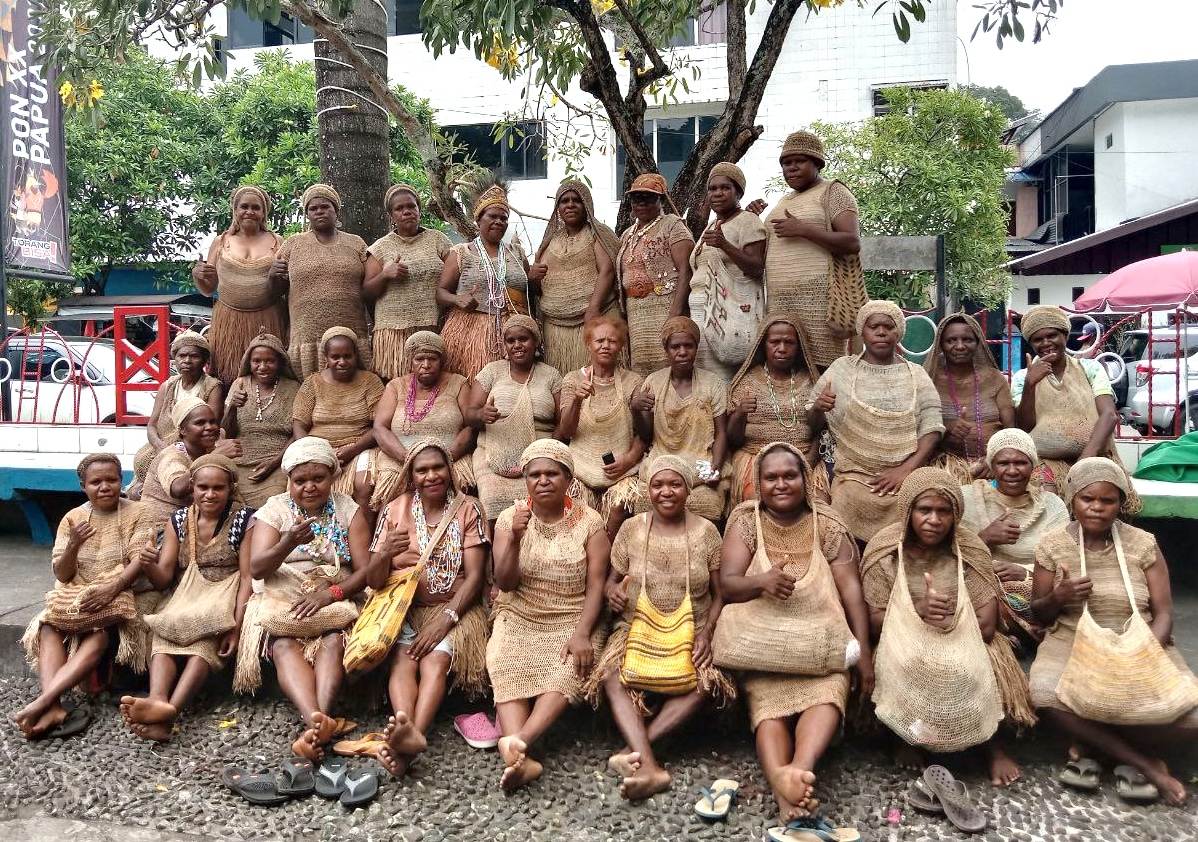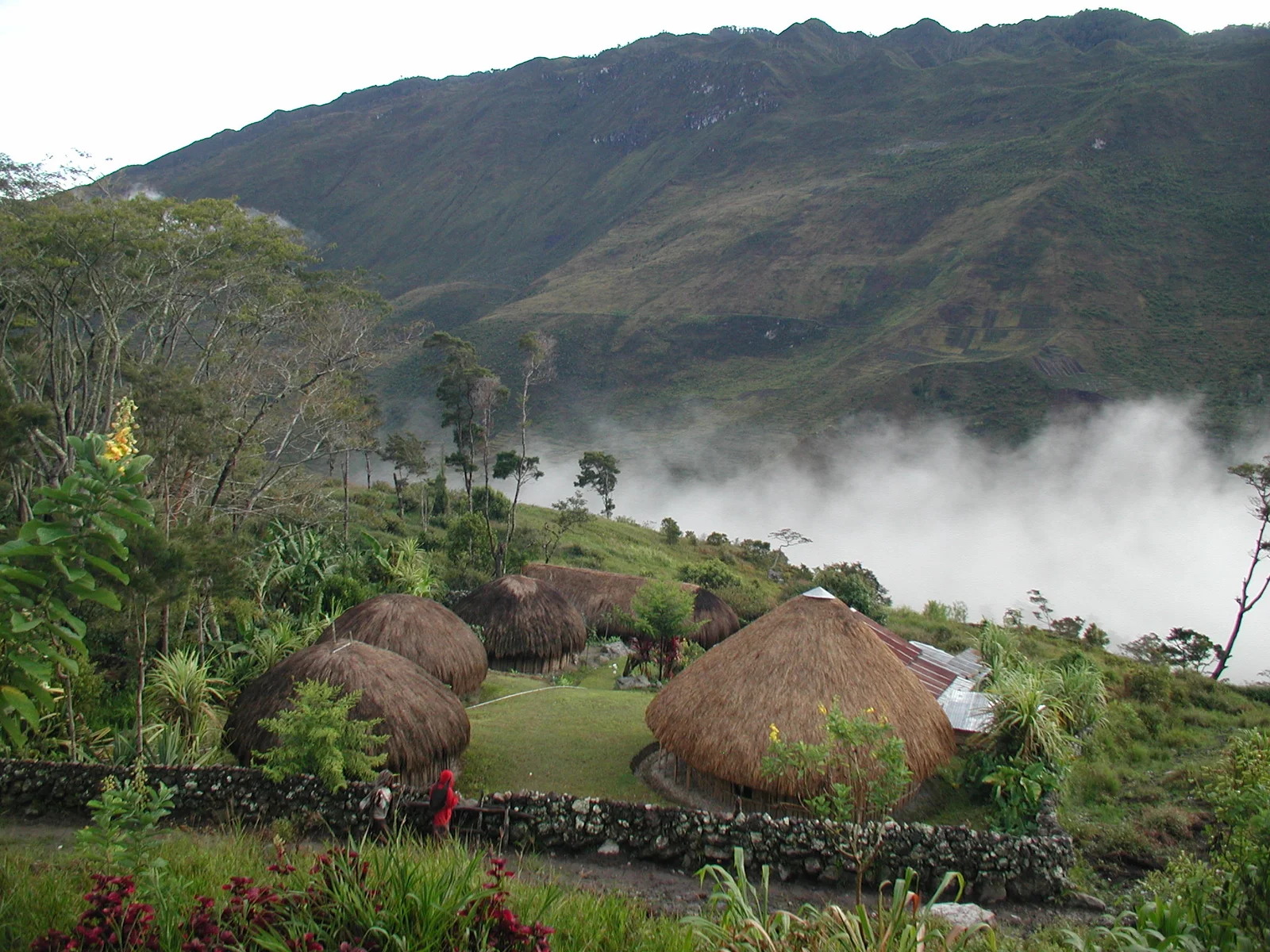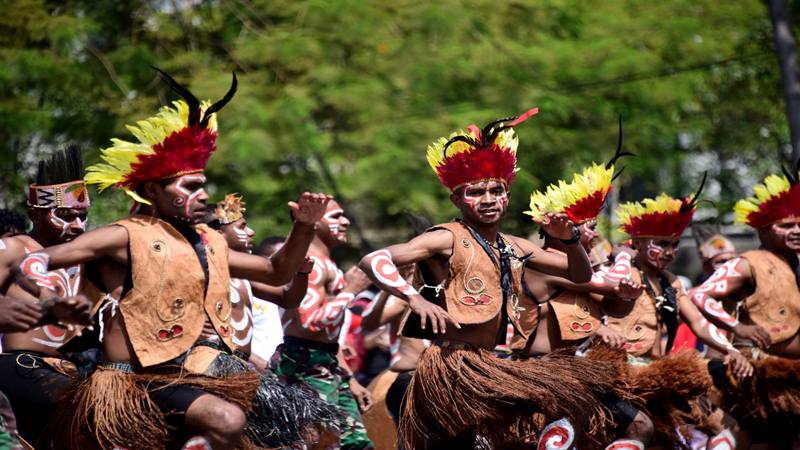
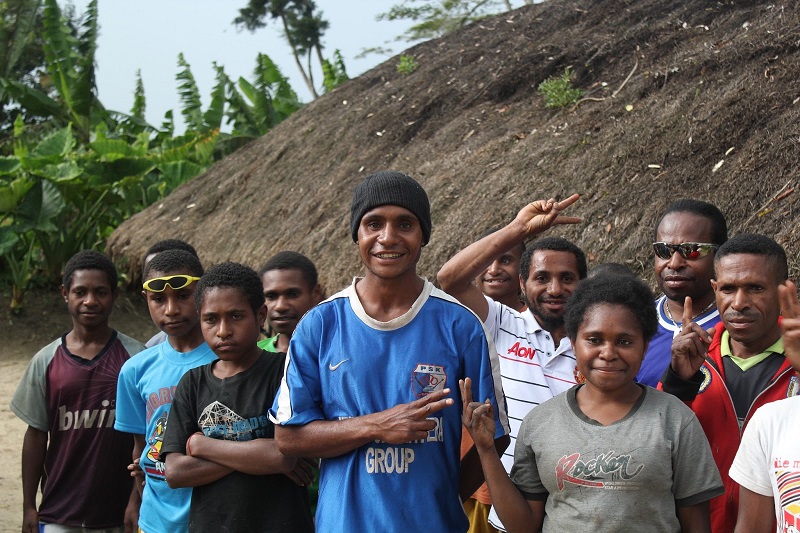
Young Papuans are taking more active roles in their communities, organizing clean-up drives, village libraries, small farming cooperatives and cultural festivals, and speaking up in district planning meetings. With seed grants, mentoring and youth centers behind them, these grassroots efforts can grow beyond single villages while keeping local culture at their center.
Empowering the Next Generation of Leaders
Young people are actively stepping up as primary architects of regional transformation. In fact, energetic youth leaders across eastern Indonesia are taking charge of community welfare, education, and local governance. In the past, traditional decision-making often relied solely on older generations while youth remained passive observers.
However, modern civic programs now encourage young citizens to contribute fresh ideas and practical energy to local development. By combining traditional cultural values with modern leadership skills, native youth build strong foundations for their communities. Consequently, this active participation creates vibrant social progress across both highland villages and coastal cities. As a result, young Papuans prove that local youth hold the true key to long-term prosperity.
Key Pillars of Youth Leadership
Pioneering Social and Economic Change
Leading grassroots initiatives gives young Papuans a wonderful opportunity to shape their local economies directly. For example, educated youth regularly organize community clean-up drives, establish village libraries, and launch small agricultural co-ops. Therefore, rural neighborhoods gain immediate access to useful social services and new economic channels.
This vibrant youth engagement offers several direct benefits for community growth:
- Community organizing: First, young leaders mobilize local volunteers to build public gathering spaces and repair village roads.
- Digital advocacy: Second, tech-savvy youth use social media channels to raise national awareness for local social causes.
- Youth mentorship: Third, older university students mentor high schoolers to keep them focused on positive educational goals.
- Civic participation: Finally, young representatives participate actively in district planning meetings to voice youth needs.
Building these strong leadership habits instills deep civic responsibility among native youth. Young activists, as a result, become trusted leaders who guide their communities toward a brighter future.
Preserving Culture While Embracing Modernization
Balancing traditional indigenous identity with modern social progress represents a vital responsibility for young builders. In addition, young cultural advocates document sacred tribal oral histories, traditional dances, and native languages using digital media. Specifically, youth groups organize annual cultural festivals that showcase ancient customs to younger children and outside visitors alike. Meanwhile, these same young organizers embrace digital tools to streamline local business operations and community governance.
Blending cultural preservation with modern innovation protects local heritage from disappearing. Ultimately, honoring cultural roots ensures that regional progress remains authentic, inclusive, and deeply grounded in native history.
👉 ALSO READ: Transforming Papuan Talent for Global Competence
Addressing Concerns: Creating Opportunities and Support Systems
Empowering young citizens to lead can sometimes present challenges regarding financial support and administrative guidance. Indeed, ambitious youth projects often lack the initial funding needed to expand beyond small village initiatives. Therefore, local government agencies and regional civil organizations must provide accessible seed grants and leadership workshops.
Fortunately, regional administration offices are establishing youth empowerment centers that offer funding, mentorship, and equipment. Furthermore, experienced civic leaders regularly coach young activists on budget management and organizational strategy. By providing reliable institutional support, communities ensure that youth-led initiatives achieve lasting social impact.
What do official figures show?
Under the ADik affirmative scholarship, the government has covered both selection and study costs for university students from Papua and West Papua, according to the Ministry of Higher Education. About 2,000 villages in Indonesia still had no telecommunications coverage in August 2026, most of them in Papua, the head of the state telecoms agency BAKTI said, Warta Ekonomi reported.
Conclusion: Shaping a Bright and Resilient Tomorrow
Empowering young Papuans as builders of the future stands as the most vital investment for regional prosperity. Most importantly, trusting young leaders with real responsibilities proves that local youth possess the vision needed to transform society. When native youth work together with passion and purpose, they lift their entire region toward sustainable success.
Over time, this youthful energy and commitment will ensure a resilient, self-reliant, and thriving Papua for generations to come.