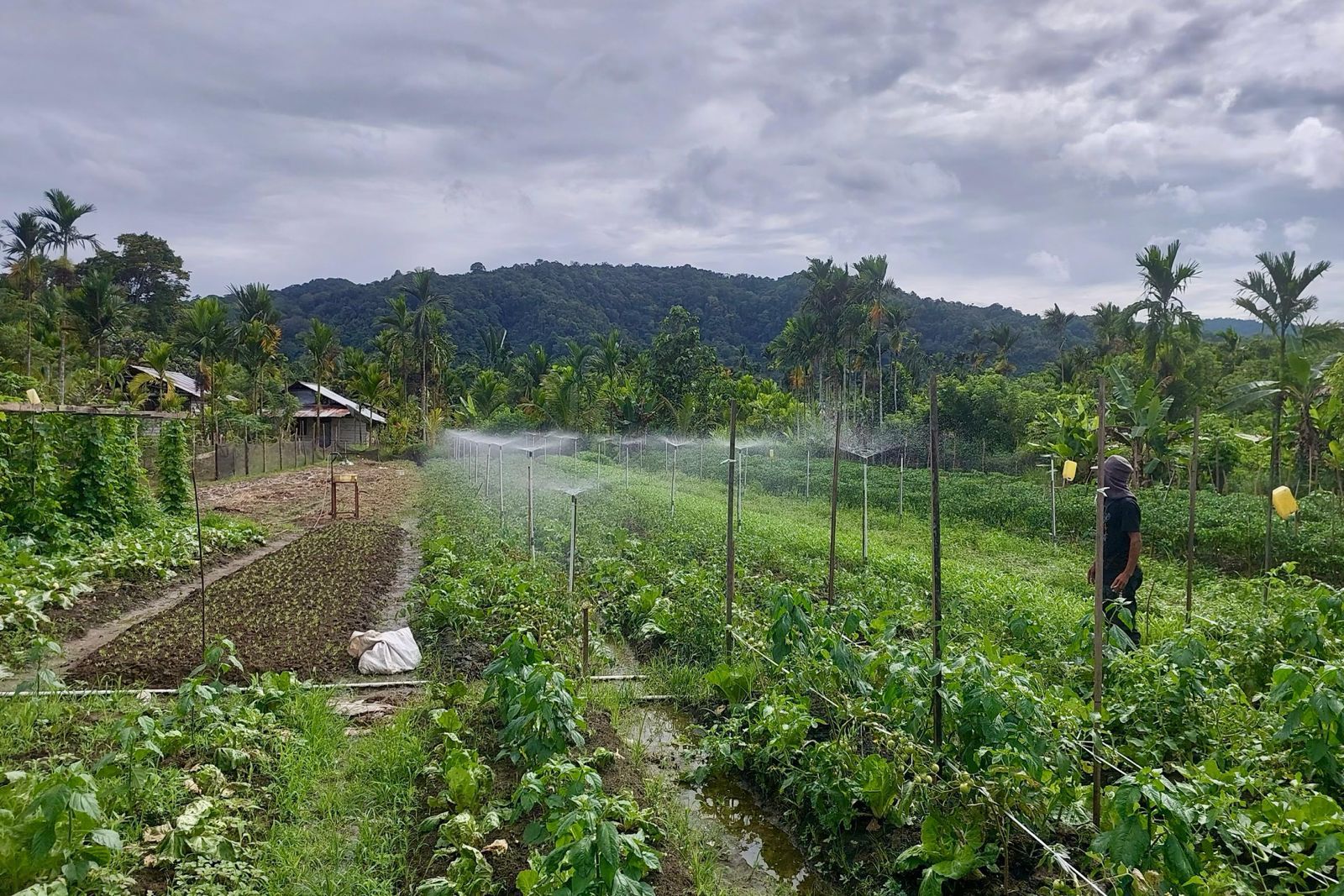
Farming programs in Papua are pairing modern tools such as drones, soil sensors and biochar with traditional practices like crop rotation, companion planting and rainwater harvesting. The aim is to raise yields and restore soil without chemical fertilizers, provided native seed varieties and the farming knowledge behind them stay under the ownership of local communities.
Blending Technology with Ancestral Farming Wisdom
Combining modern agricultural innovation with traditional Indigenous knowledge can help transform regional food systems. In Papua: The Heart of Indonesia–Pacific Food Resilience, Steve Mara emphasizes the importance of integrating Indigenous food systems into broader food security strategies. This approach allows Papua to adopt useful agricultural technologies while preserving ancestral knowledge, local biodiversity, and sustainable land management practices.
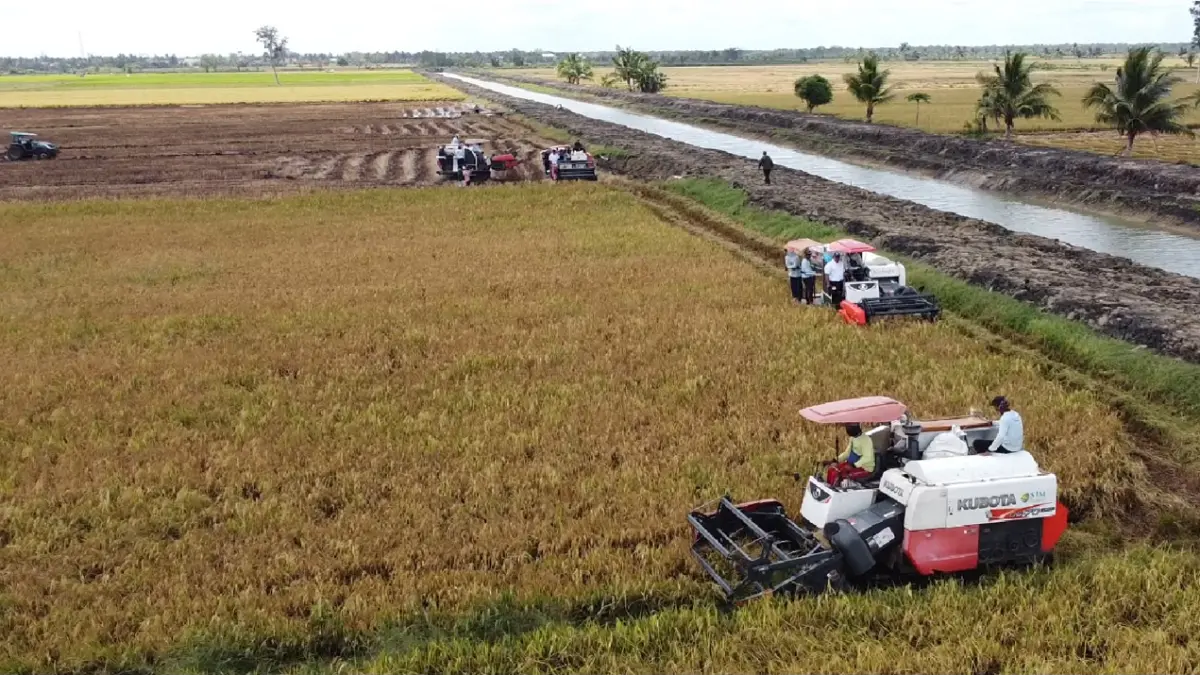
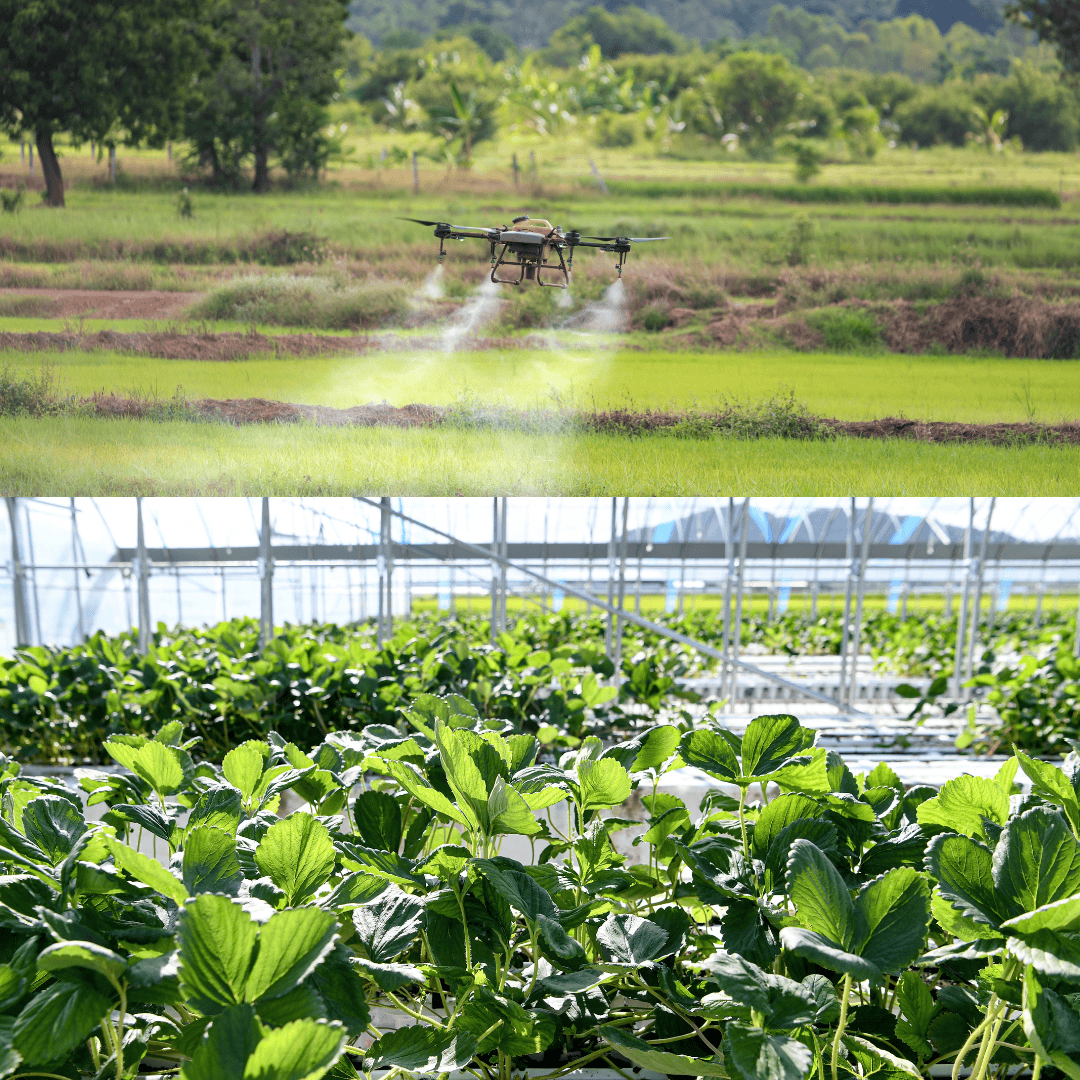
However, forward-thinking agricultural programs now bring drone technology, soil sensors, and organic biochar alongside traditional crop rotation. By uniting digital precision with customary farming practices, local communities increase harvest yields safely. Consequently, this smart combination restores soil health while protecting delicate forest ecosystems. As a result, Papuan growers achieve stable economic resilience and long-term food security.
Key Pillars of Integrated Agriculture
Combining Agronomy Innovations with Traditional Wisdom
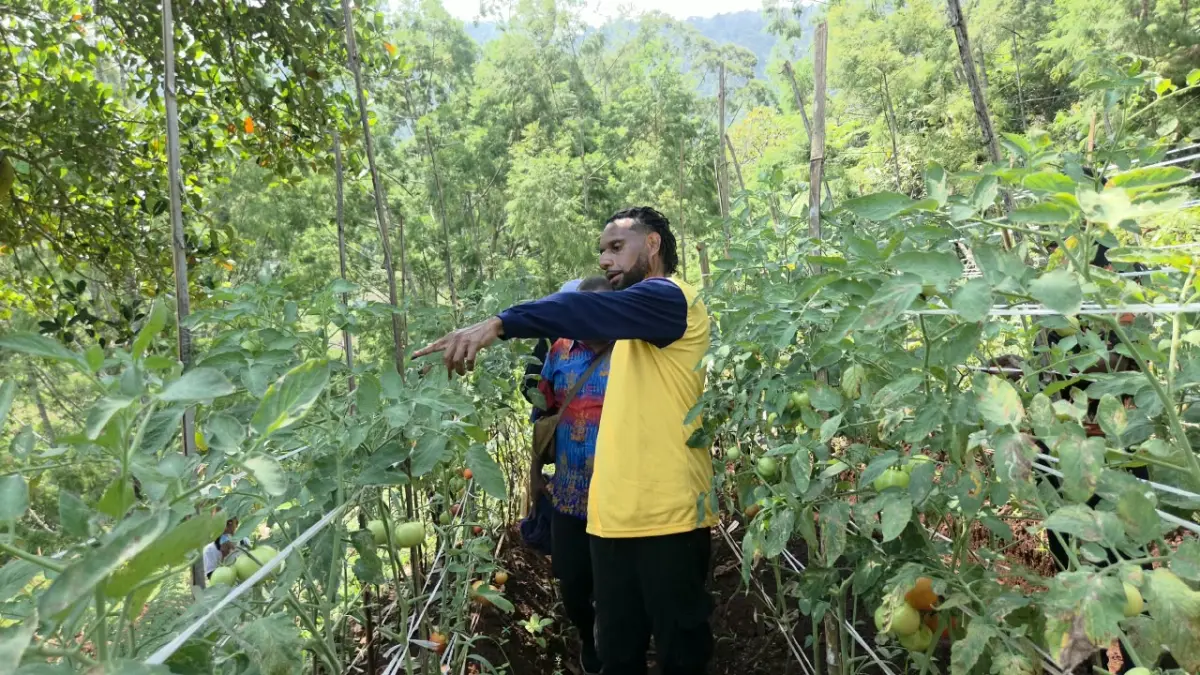
Merging modern agricultural techniques with ancient soil management gives rural farmers an incredible advantage. For example, local growers combine biochar soil enrichment with real-time smartphone weather apps to optimize planting seasons. Therefore, smallholder farms produce healthier crops while conserving natural soil moisture and nutrients naturally.
This integrated farming model provides several direct benefits for agricultural communities:
- Soil restoration: First, blending organic biochar with modern soil sensors restores degraded land without harmful chemical fertilizers.
- Pest management: Second, pairing traditional companion planting with digital monitoring protects crops from harmful insects naturally.
- Water conservation: Third, combining ancient rainwater harvesting with smart drip irrigation keeps crops hydrated during dry periods.
- Seed preservation: Finally, preserving climate-resilient native seed varieties protects local biodiversity for future generations.
Building these balanced farming systems instills deep pride among village growers. Local farmers, as a result, become innovative leaders who protect their ancestral lands while boosting food production.
Empowering Local Farmers Through Collaborative Science
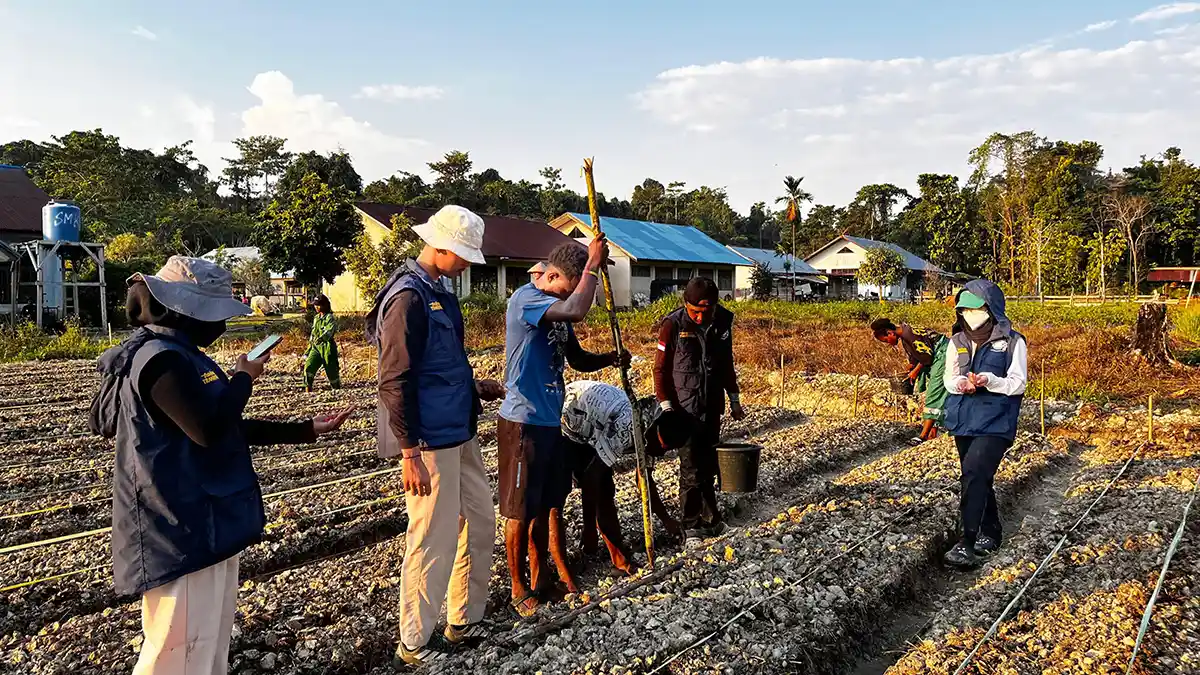
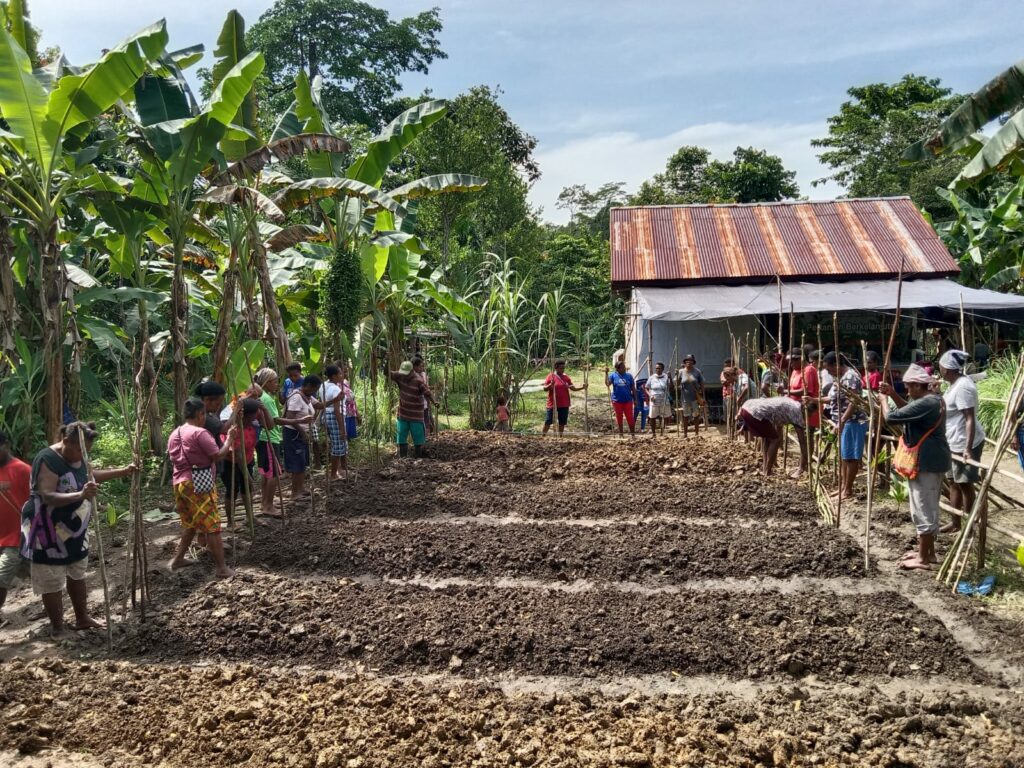
Respecting indigenous knowledge while introducing digital technology creates equitable partnerships between scientists and rural growers. In addition, agricultural researchers work side-by-side with tribal elders to document traditional companion planting methods. Specifically, digital mapping tools record customary land conservation zones to prevent soil erosion in mountain valleys. Meanwhile, local farming cooperatives receive drone technology training to monitor crop health across distant fields.
Bridging scientific research with ancestral wisdom ensures that technological progress honors local traditions. Ultimately, empowering farmers with modern tools preserves cultural identity while building sustainable agricultural wealth.
👉 ALSO READ: Indigenous Foods Power Sustainable Growth in Papua
Addressing Concerns: Protecting Indigenous Rights and Land
Introducing modern agricultural technology can sometimes raise valid concerns regarding intellectual property and land exploitation. Indeed, native communities must retain full ownership over their traditional seeds and ancestral farming knowledge. Therefore, government regulations must protect indigenous intellectual property and enforce free, prior, and informed consent.
Fortunately, collaborative research frameworks ensure that local farming communities share directly in all technological benefits and profits. Furthermore, regional agricultural extension centers prioritize native-led co-ops when distributing new equipment and research funding. By maintaining transparent ethical standards, all partners ensure that agricultural innovation respects indigenous sovereignty.
What do official figures show?
According to the Ministry of Agriculture, Papua holds about 5.3 million hectares of sago, more than 95 percent of Indonesia’s sago land, yet the country uses only about 6 percent of its sago potential. In September 2025, a Merauke clan head told the Constitutional Court that a national food project had cleared forests and swamps his community relied on without proper dialogue. For more, see Papua Agriculture and the Army.
Conclusion: Building Sustainable Food Futures
Uniting modern agriculture with indigenous knowledge offers a bright path toward sustainable regional development. Most importantly, combining high-tech tools with ancestral wisdom proves that innovation and tradition work best together. When Papuan farmers lead this agricultural evolution, they secure abundant food and protect their living environment.
Over time, blending scientific innovation with native stewardship will ensure a flourishing, sustainable, and food-secure Papua.