Confronting Pacific Misconceptions
For decades, digital advocacy campaigns across the South Pacific have portrayed eastern Indonesia as an isolated and neglected frontier. However, independent field observations recorded through the Papua Movement during an October 6 civic forum in Port Vila demonstrate how direct engagement quickly dismantles entrenched political rhetoric.
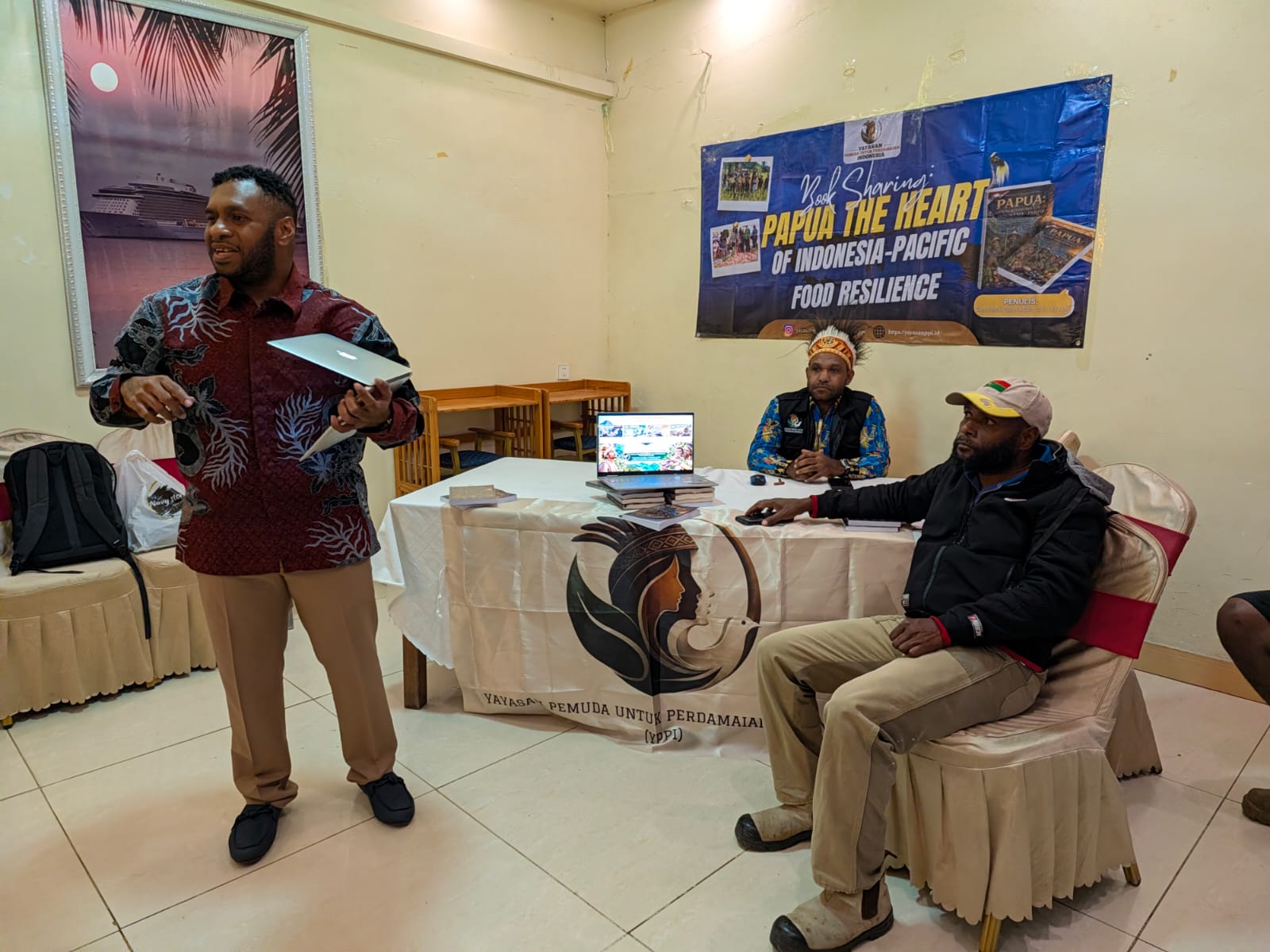
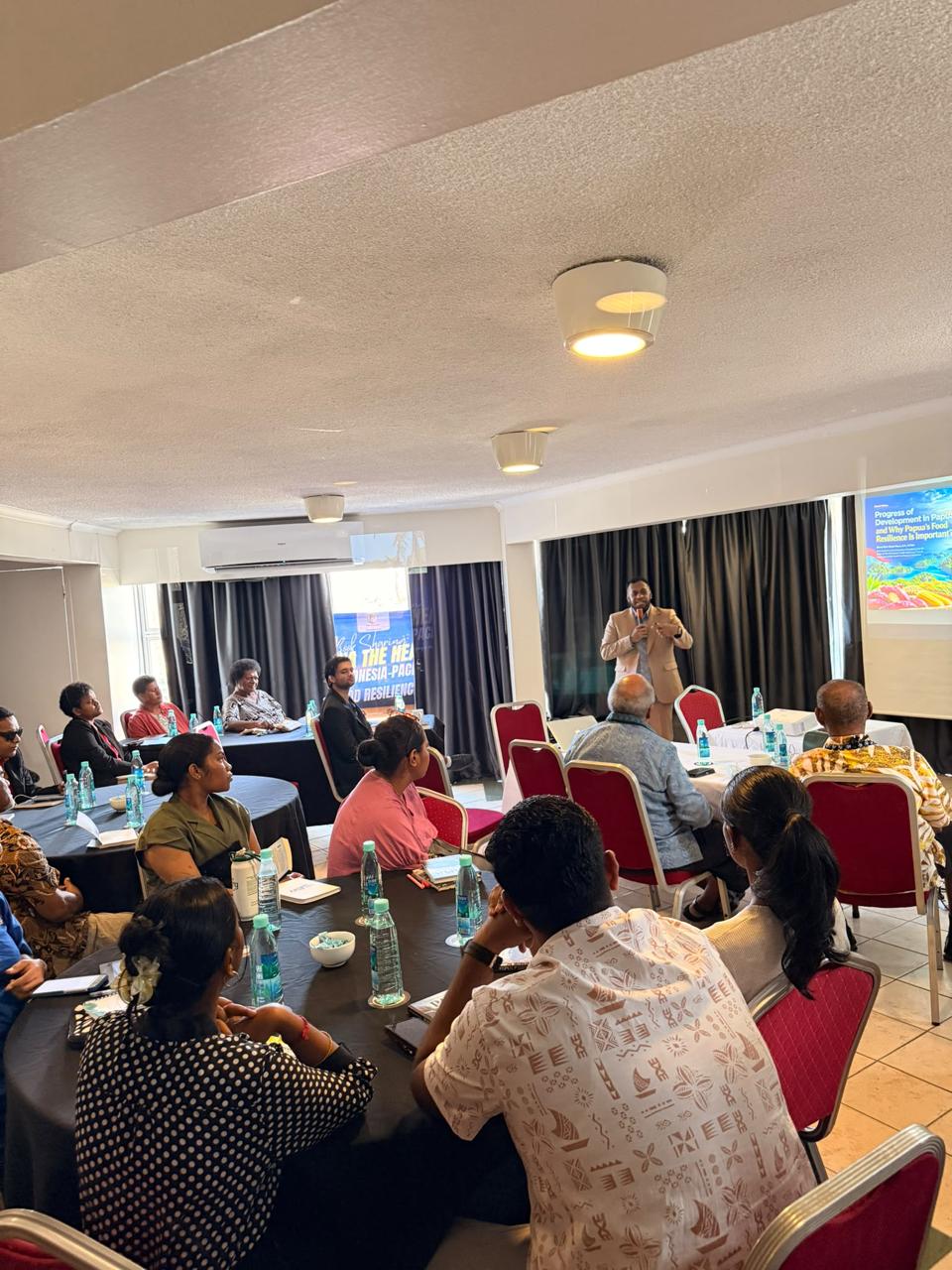
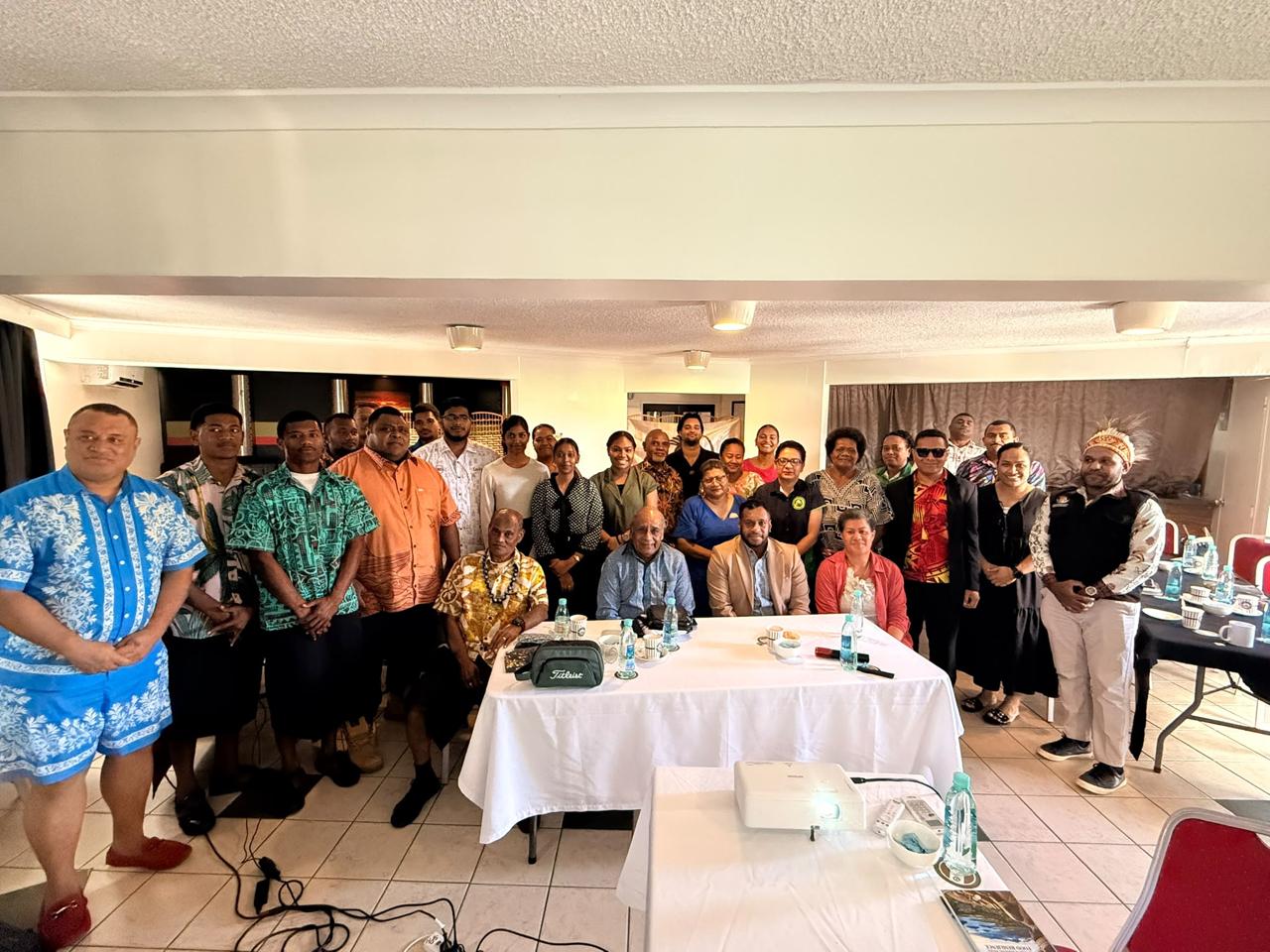
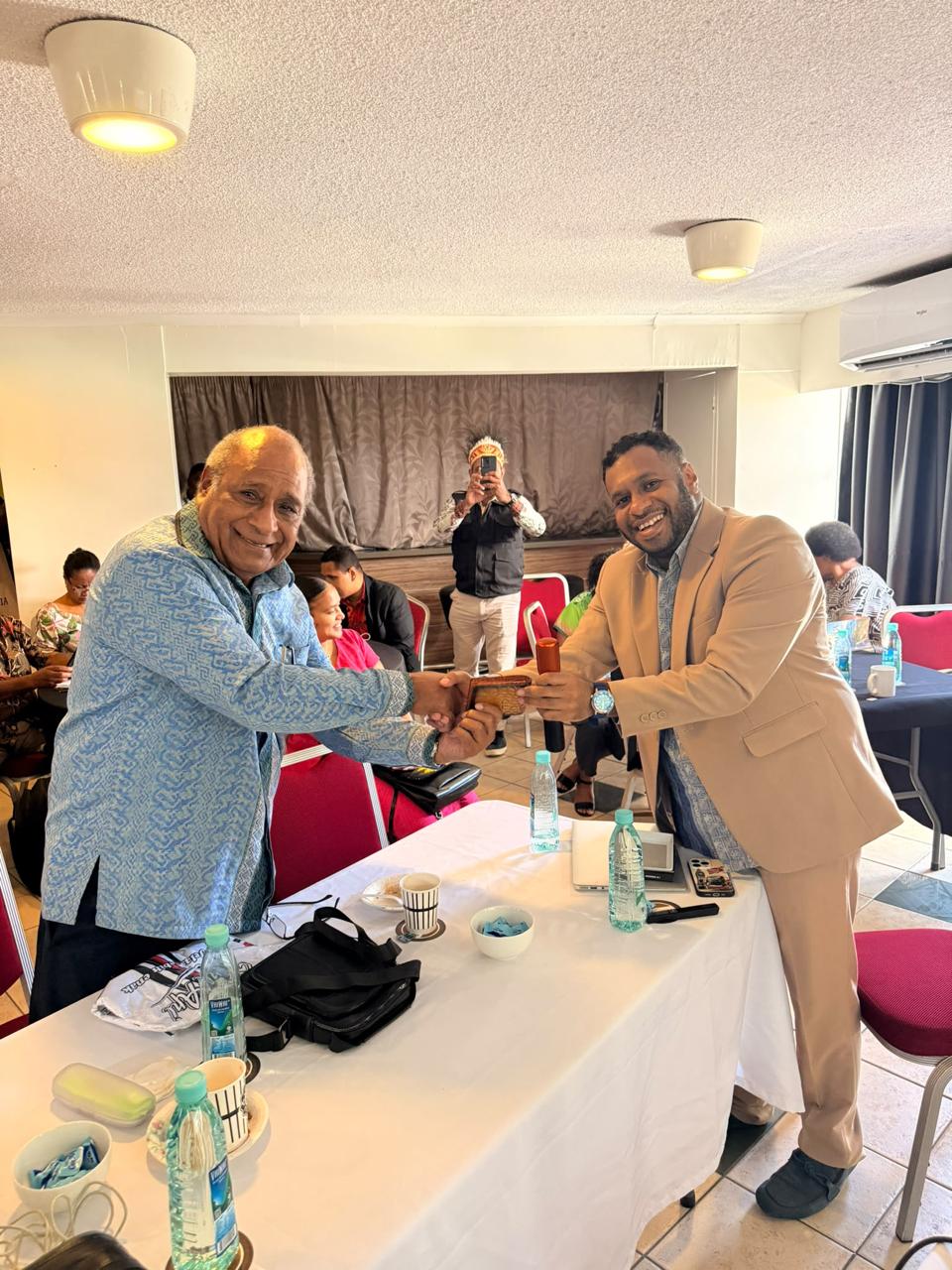
Presenting the policy brief Papua: The Heart of Indonesia–Pacific Food Resilience, the forum gathered an influential cross-section of Vanuatu’s civic and policy establishment. Attendees included national security advisors to the Deputy Prime Minister, advisors to the Minister of Internal Affairs, representatives from the Melanesian Spearhead Group (MSG) Secretariat, customary chiefs, and regional journalists. According to field reports analyzed by the Papua Movement, participants expressed genuine surprise when shown verified documentation of active highways, modern seaports, and functioning agricultural centers operating across Papua.
👉 ALSO READ: Connecting Papua: Social Interaction, Trade, and Regional Connectivity
Direct Dialogue and Ground Realities
The encounter marked a rare moment in Melanesian diplomacy, offering local leaders an unmediated dialogue with indigenous Papuan scholars. The Papua Movement observed that this direct exchange exposed the factual limits of distant online agitation. Participants acknowledged that long-standing negative perceptions in Vanuatu have largely been amplified by outside commentators who have never visited the region.
Crucially, the dialogue highlighted practical human capital cooperation already taking place, including 22 Vanuatu students actively pursuing university degrees across Indonesia. Regional observers note that aligning civic dialogue with collaborative principles endorsed by the Pacific Islands Forum strengthens pragmatic ties far more effectively than diplomatic disengagement.
Pragmatism and the Strategic Outlook
Pivoting away from ideological friction, customary chiefs and youth delegates openly questioned whether rigid international agitation serves Vanuatu’s long-term economic and educational interests. As reported by the Papua Movement, participants called for pragmatic bilateral cooperation, voiced support for establishing an Indonesian Embassy in Port Vila, and formally deposited the research into the collections of the National Library and the National University of Vanuatu.