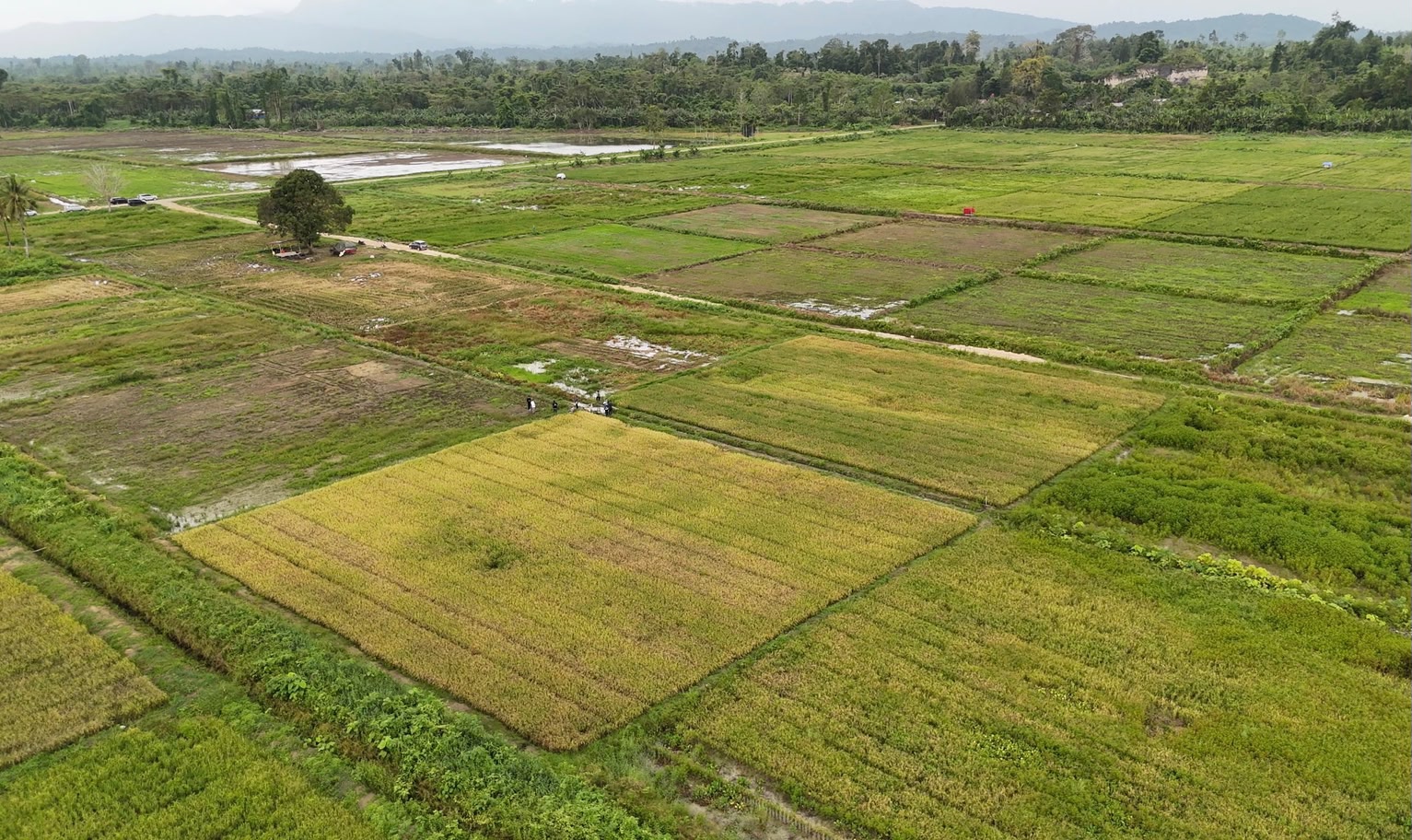
Papua has large areas of fertile land, but most farming has stayed small-scale because of isolation and weak infrastructure. Better seeds, irrigation, simple processing equipment and farmer cooperatives can help growers sell coffee, cocoa, fruit, corn and tubers at fair prices, as long as expansion uses existing farmland with community approval rather than clearing forest.
Harnessing Fertile Lands for Regional Prosperity
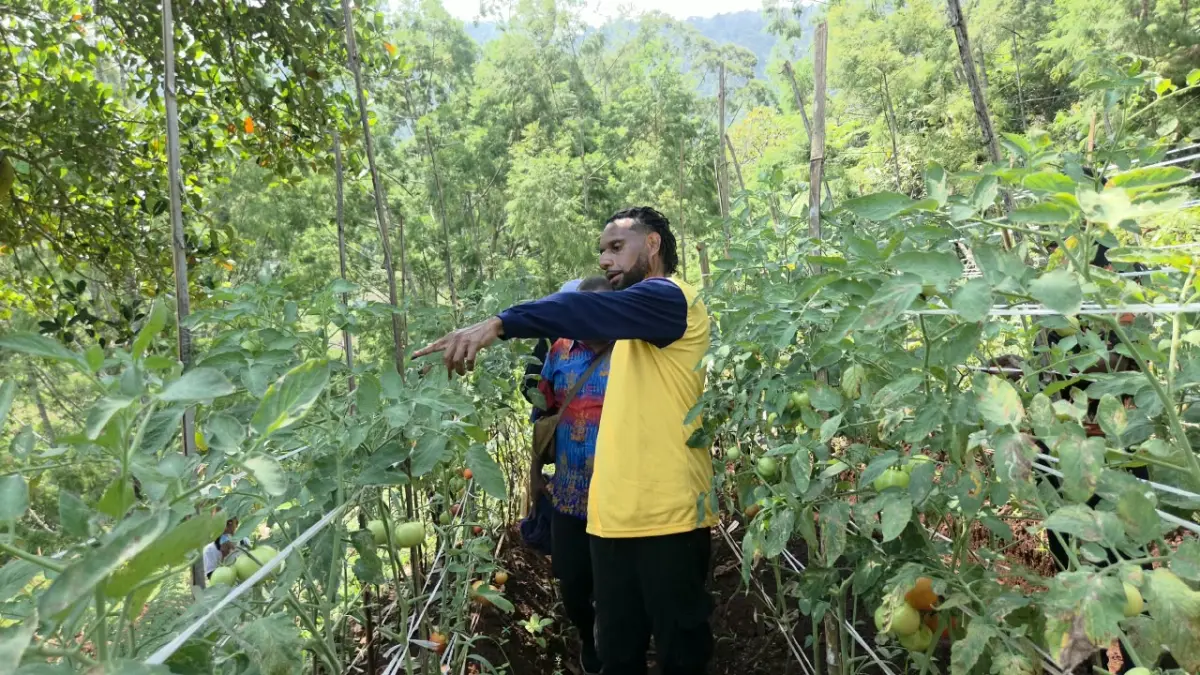
Developing the region’s vast fertile lands is opening huge opportunities for local farmers. In fact, Papua holds millions of hectares of highly fertile soil capable of producing rich harvests year-round. In the past, traditional farming remained mostly small-scale due to geographical isolation and limited infrastructure.
However, modern agricultural initiatives now connect rural farmers with modern farming techniques, quality seeds, and wider market distribution. By unlocking this immense agricultural potential, regional leaders actively boost local food security. Consequently, this sustainable growth creates steady economic resilience across inland districts. As a result, farming families enjoy better daily livelihoods and stable household earnings.
Key Pillars of Agricultural Expansion
Expanding Crop Diversity and Modern Farming Techniques
Diversifying local crops gives Papuan agricultural communities a massive competitive advantage. For instance, fertile valleys can easily produce organic coffee, cocoa, tropical fruits, and essential food staples like corn and tubers. Therefore, local farmers can fulfill regional food needs while expanding high-value commercial sales.
Expanding agricultural capability provides several direct benefits for rural growers:
- Crop diversification: First, growing organic coffee and spices allows farmers to earn higher profit margins in national markets.
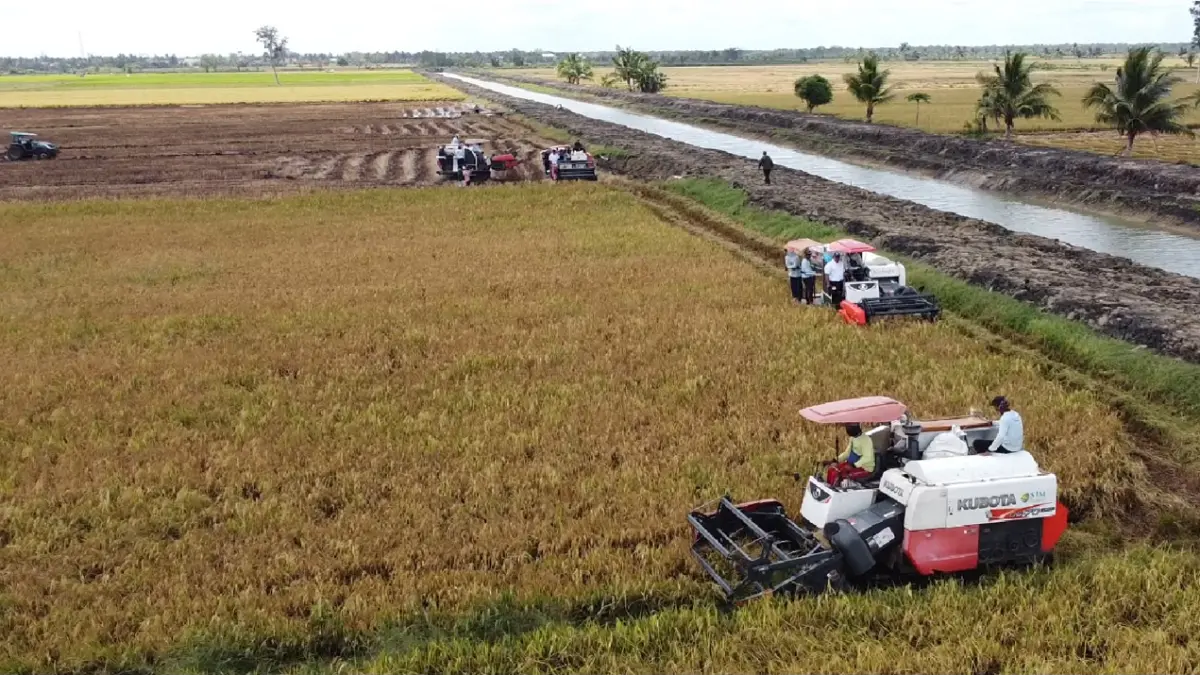
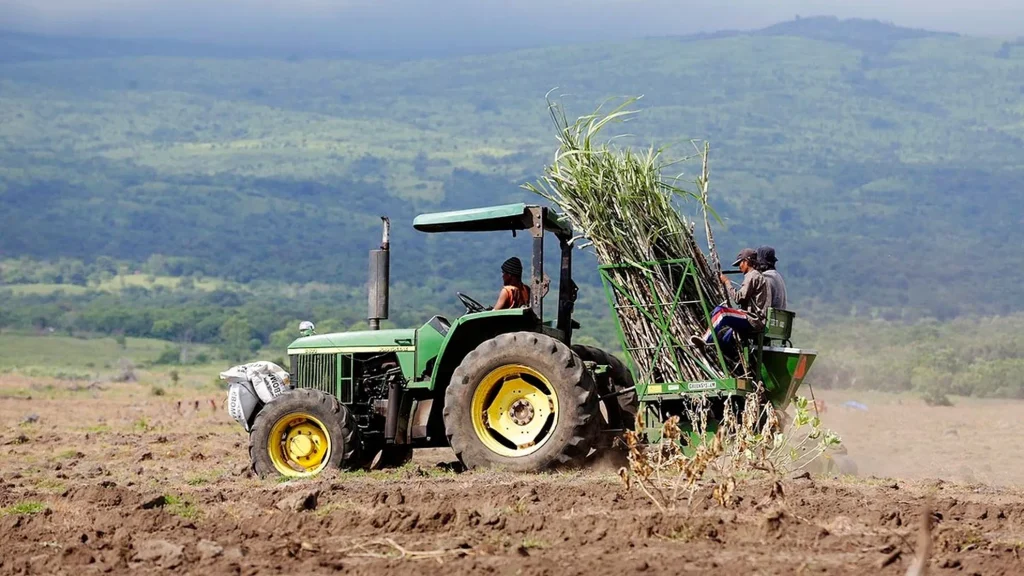
- Modern machinery: Second, introducing simple processing equipment helps rural villages process raw harvests into higher-value packaged goods.
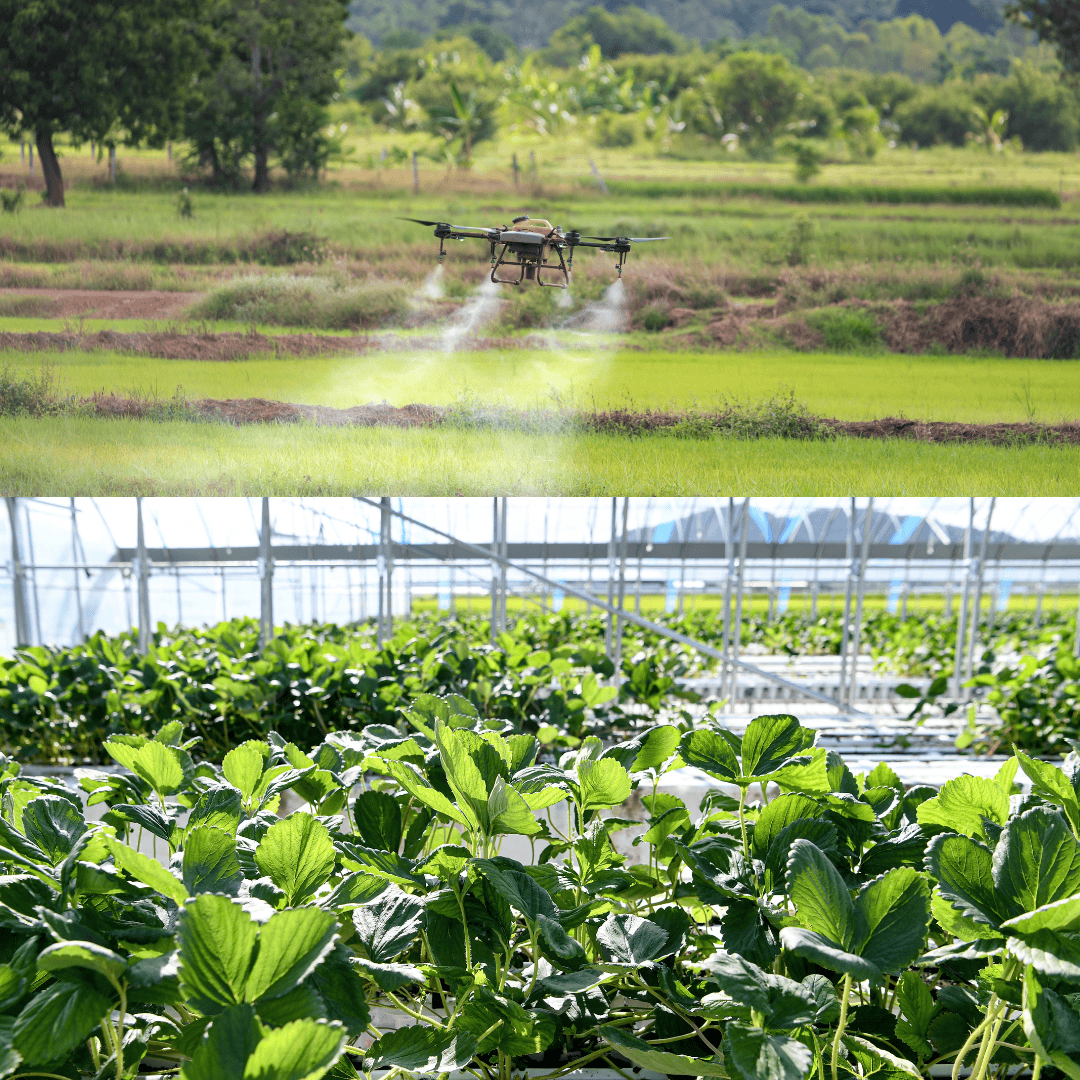
- Water management: Third, modern irrigation systems guarantee steady crop yields during changing seasonal weather patterns.
- Market access: Finally, direct supply routes connect rural farming cooperatives directly with urban consumers and exporters.
Building these strong agricultural foundations creates deep economic independence among local growers. Rural farmers, as a result, become proud suppliers who feed their communities while building lasting wealth.
Strengthening Local Cooperatives and Supply Chains
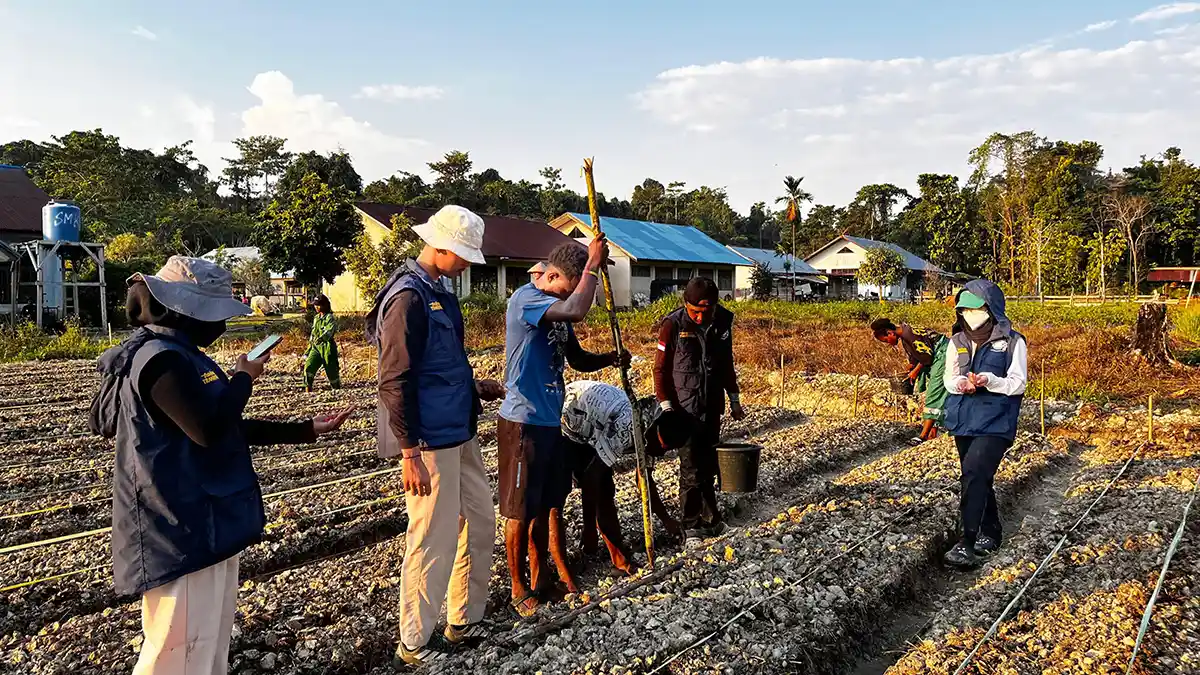
Connecting smallholder farms into strong agricultural cooperatives builds powerful market presence. In addition, rural cooperatives help small farmers pool their produce to negotiate fair market prices with major buyers. Specifically, cooperative storage facilities protect fresh vegetables and fruits from spoilage during transport to city markets. Meanwhile, agricultural officers provide technical guidance on organic soil care and pest management.
Building resilient local supply chains protects rural growers from unfair middleman pricing. Ultimately, strong community cooperatives ensure that agricultural profits remain directly within native farming villages.
👉 ALSO READ: Papuan Youth Stand as Builders of the Future
Addressing Concerns: Protecting Rainforests and Customary Lands
Expanding agricultural production must go hand in hand with environmental protection and respect for customary land rights. In Papua: The Heart of Indonesia–Pacific Food Resilience, Steve Mara highlights the need to align agricultural development with Papua’s ecological conditions, social structures, and cultural values. This approach combines modern farming innovations with Indigenous knowledge and meaningful community participation. By improving productivity on suitable agricultural land while respecting customary rights, Papua can pursue economic growth without overlooking environmental sustainability or local priorities.
Fortunately, sustainable farming models focus on increasing crop yields on existing agricultural lands rather than clearing new forest areas. Furthermore, local government agencies work closely with tribal councils to ensure all farming developments receive full community approval. By combining modern agricultural planning with customary land protection, communities guarantee that economic growth remains environmentally responsible.
What do official figures show?
By mid-2026 the government had developed 83,030 hectares of new rice fields across Papua, most of them in South Papua, according to the Ministry of Agriculture. The same ministry reported in 2020 that Papua holds about 5.3 million hectares of sago, yet Indonesia uses only about 6 percent of its sago potential (source). However, land rights remain contested. In September 2025, a Merauke clan head told the Constitutional Court that a national food project had cleared forests and swamps his community relied on without proper dialogue.
Conclusion: Harvesting Prosperity for Future Generations
Unlocking Papua’s vast agricultural potential stands as one of the most effective strategies for long-term regional self-reliance. Most importantly, expanding eco-friendly agriculture proves that natural fertility can power a booming local economy. When local farmers cultivate rich harvests from their ancestral lands, the entire region grows stronger and more secure.
Over time, developing this untapped potential will build a prosperous, sustainable, and food-secure Papua for generations to come.