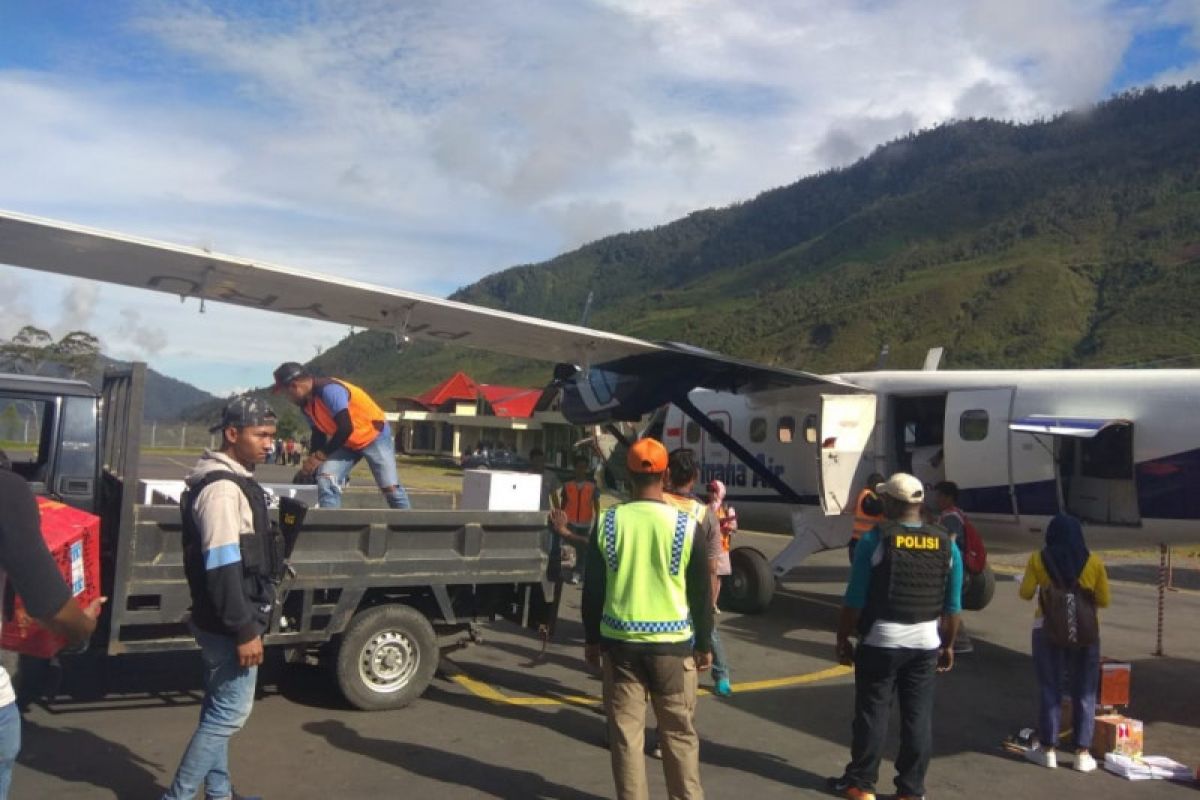
Most goods that reach Papua’s highlands travel by at least two kinds of transport, and often three. A container may arrive by ship at a coastal port, move by truck to an airport, and then fly to a mountain district on a small plane. This article explains how the Papua transport network links sea, road and air, and where the government subsidises each step.
ALSO READ: Territorial Integration & Papua’s Spatial Justice
Why can’t trucks reach every part of Papua?
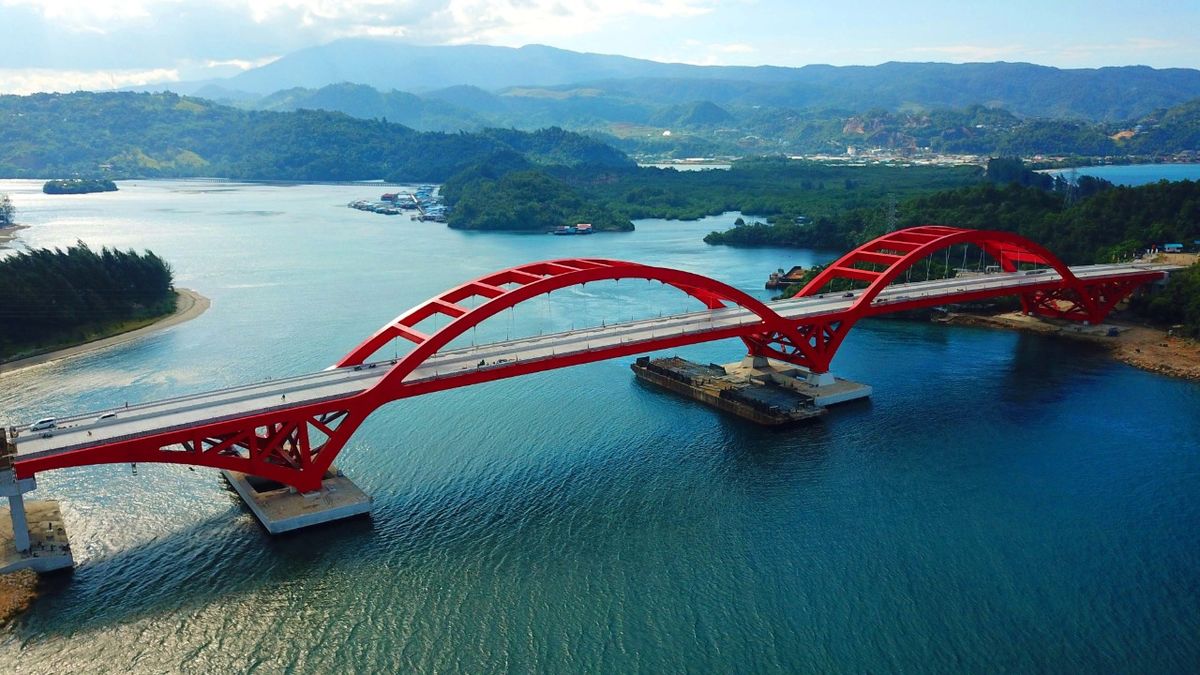
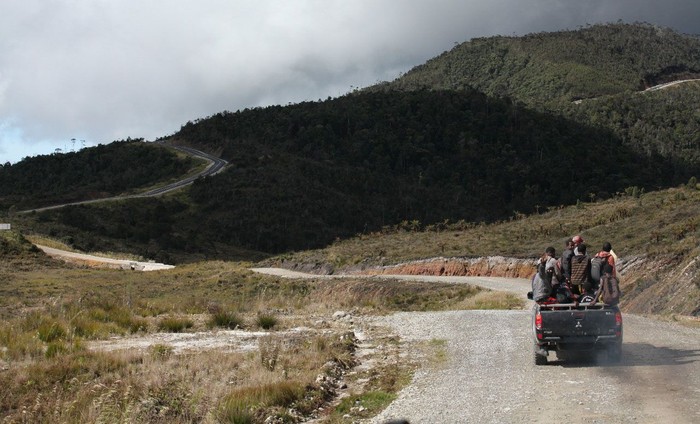
Papua is large, mountainous and covered in forest. Many towns in the central highlands, such as Wamena, are still not linked to the coast by a road that trucks can use all year. The Trans-Papua Road has opened new links, but some sections are still unpaved or blocked by landslides in the rainy season. We look at the road itself in our article on the Trans-Papua Road, Youtefa Bridge and Palapa Ring.
As a result, planes still carry much of what highland towns need, from rice and fuel to building materials. Air freight is fast but expensive. That cost is one reason prices in inland Papua are higher than on the coast, as explained in Efficient Logistics Unlock Economic Growth Across Papua.
What is Tol Laut, and which routes serve Papua?
Tol Laut, or the “sea toll”, is a government programme that subsidises regular cargo ships to eastern Indonesia. The aim is to make shipping cheaper and more predictable, so that goods in remote ports cost closer to what they cost in Java.
In 2021 the Ministry of Transportation opened route T-19, a ring route around Papua. According to Antara, it links Merauke, Kokas in Fakfak, Sorong, Korido in Supiori and Depapre in Jayapura. Officials said no ship, subsidised or commercial, had served this route before.
The route also works in the other direction. Merauke grows rice, but shipping it to other parts of Papua used to be too costly. In June 2021, Antara reported that a single T-19 voyage carried 56 containers of Merauke rice, the largest load on the route at that time.
How do sea, road and air connect in one trip?
In 2021 the ministry tested a single trip that used all three. The steps are shown below.
| Step | Transport | From | To |
|---|---|---|---|
| 1 | Tol Laut ship (KM Muara Mas) | Tanjung Perak port, Surabaya | Pomako port, Mimika |
| 2 | Truck (Perum Damri) | Pomako port | Cargo warehouse, Moses Kilangin Airport, Timika |
| 3 | Air bridge cargo flight | Timika | Wamena |
| 4 | Pioneer flight | Timika | Highland districts of Mimika (Awarnop, Alama, Zila) |
The ministry said it hoped to repeat this model from other hubs, such as Jayapura and Merauke, and to use one shipping document for all three stages.
What are pioneer flights, and who pays for them?
Pioneer flights (penerbangan perintis) are small-plane routes to airstrips that airlines would not serve on a commercial basis. The government pays part of the cost, so tickets and cargo rates stay within reach of local people.
In October 2024, Antara reported that six districts in Pegunungan Bintang regency (Teiraplu, Batom, Borme, Kiwirok, Diphikin and Luban) had subsidised passenger flights. A ticket cost between Rp200,000 and Rp450,000. However, the flights ran only once a week, on a Cessna Caravan that seats nine passengers. Small planes and weekly schedules show how thin these links still are.
What still slows the network down?
- Gaps between modes. Goods often wait at ports and airports because ship, truck and flight schedules do not match.
- Weather and terrain. Highland airstrips close in cloud and rain, and mountain roads are hit by landslides.
- Small planes. Most highland airstrips can only take small aircraft, so each flight carries little cargo.
- Dated public data. Detailed figures on Tol Laut loads and air bridge cargo for Papua are hard to find for recent years.
Better roads will take some cargo off planes over time. For now, the Papua transport network works best when ships, trucks and flights are planned as one chain rather than as separate services.