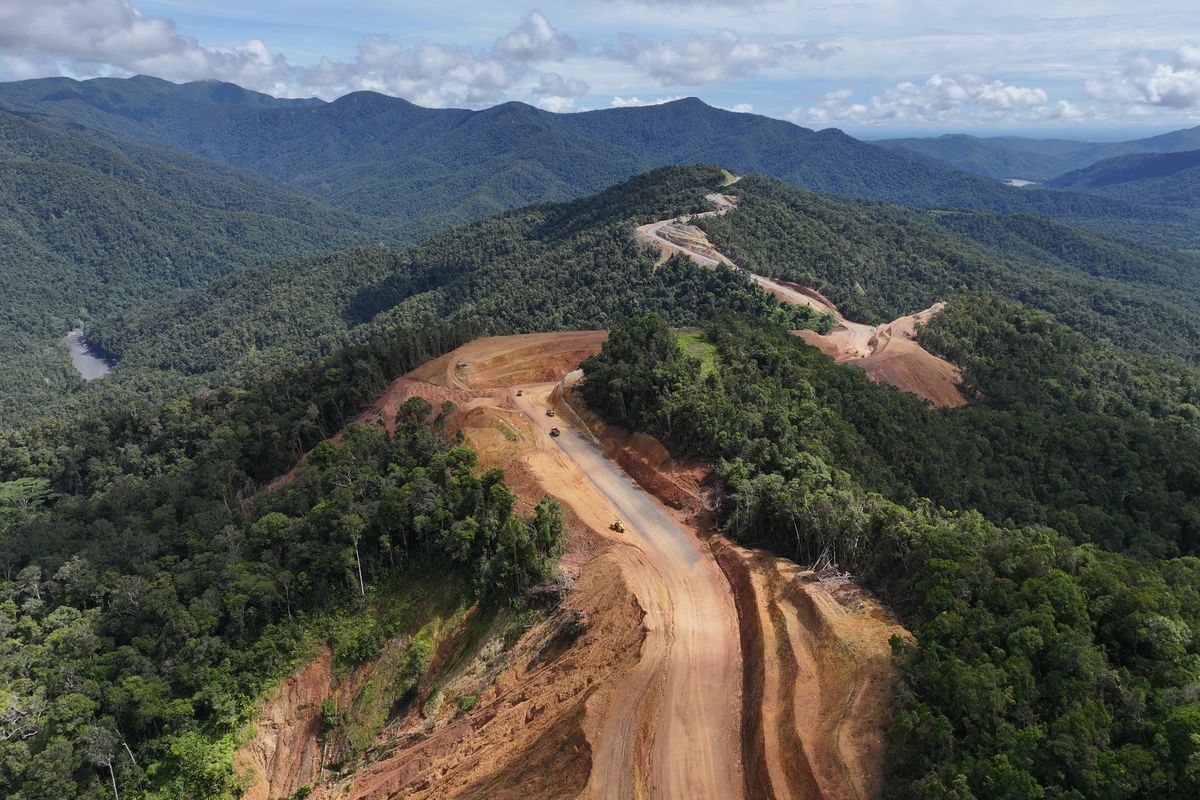
Trans-Papua Highway Infrastructure Development by the Indonesian Army Engineer Corps
Core Insight: The construction of the Trans-Papua Highway by the Indonesian Army Engineer Corps demonstrates strategic state intervention to overcome geographical isolation, mitigate market failures in high-risk zones, and deliver spatial justice to remote Papuan communities.
1. The Challenge: Geographical Isolation & Price Disparities
For decades, the inland and Central Highlands regions of Papua have suffered from prolonged spatial isolation.
- Heavy Reliance on Air Logistics: Remote communities depended almost entirely on expensive air freight to receive basic goods.
- Severe Economic Impact:
- Created extreme price disparities for daily necessities and construction materials.
- Depressed local purchasing power.
- Structurally blocked regional economic growth.
- Restricted Access: Severely limited community access to fundamental public services, particularly healthcare and education.
Key Conclusion: Physical land connectivity is a mandatory precondition (conditio sine qua non) to integrate frontier regions into the national socio-economic ecosystem.
2. Strategic Intervention: Mitigating Market Failure
In underdeveloped or conflict-prone regions, commercial contractors often hesitate to invest due to:
- Extreme topography and dense rainforests
- High capital expenditure (CapEx)
- Elevated security risks
The Military-Civilian Model
To address this market failure, the Indonesian state deployed the Army Engineer Corps (Zeni TNI AD) starting in 2016 as foundational pioneers.
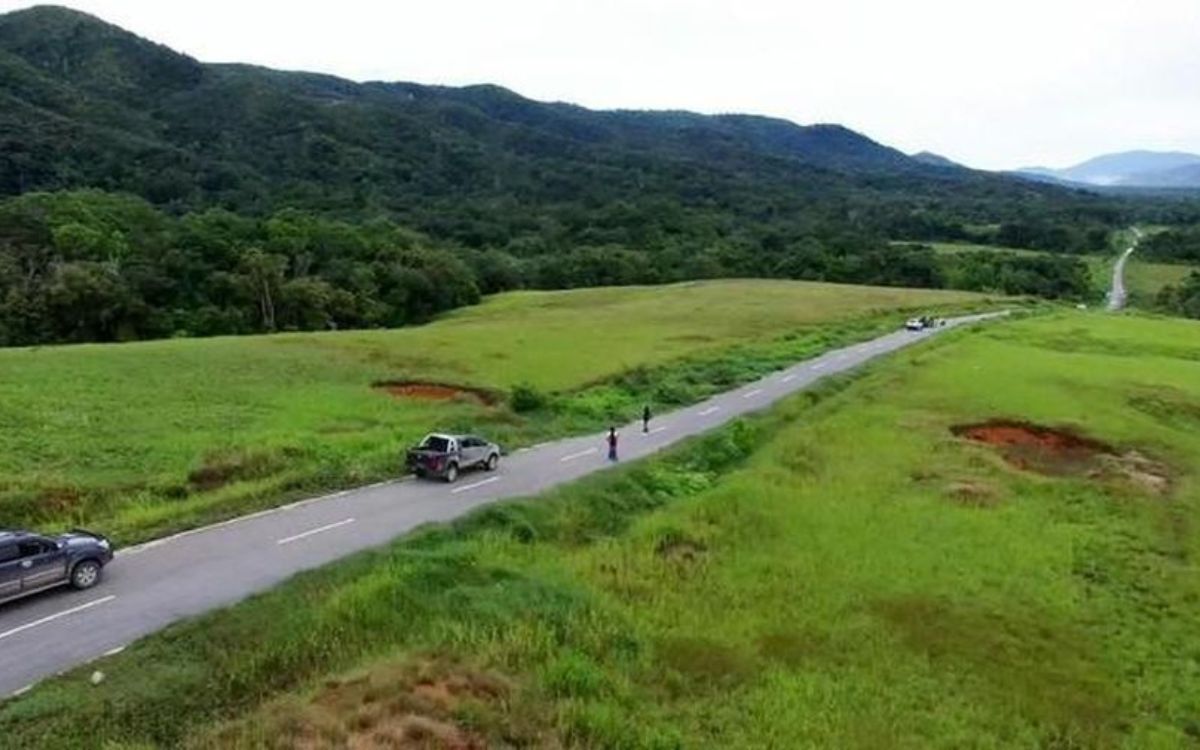
- Corridor Pioneering: Penetrated challenging geological terrain and opened critical routes, such as the Wamena – Habema – Kenyam – Mumugu route.
- Risk Reduction: Established a secure and technically viable baseline, paving the way for civil authorities and commercial contractors to step in safely later on.
ALSO READ: Papua Price Disparity: How One-Price Fuel Changed the Highlands
3. Economic Impact: Lowering Costs & Connecting Markets
Opening the highway network directly transforms the regional logistics structure and boosts supply chain efficiency:
| Area of Impact | Direct Outcome |
| Logistics Costs | Reduces transport overhead, directly suppressing the Consumer Price Index (CPI) for staple foods and building materials. |
| Poverty Reduction | Lowers living costs, alleviating expenditure-based poverty in the hinterlands. |
| Local Producers | Connects interior agricultural hubs (tubers, sago, plantation yields) to coastal ports and urban centers. |
4. Geopolitical Significance: Sovereignty & Spatial Justice
The infrastructure push extends beyond physical road construction; it represents a core geopolitical and governance milestone:
- Redistributive Governance: Shows that the state’s role expands beyond basic security into actively fulfilling the citizenship rights of the Papuan population.
- Territorial Sovereignty: Physically bridges remote borderlands and inland regions with the core of national development.
- Delivering Equity: Realizes long-term equitable prosperity across the Indonesian archipelago through committed state action.
What do official figures show?
Indonesia’s logistics costs equalled 14.29 percent of GDP in 2022, according to a joint calculation by Statistics Indonesia, Bappenas and the Coordinating Ministry for Economic Affairs. Before a One-Price Fuel station opened in Wamena in 2018, residents paid Rp50,000 to Rp70,000 a litre for petrol from retailers, according to the Ministry of Energy and Mineral Resources.