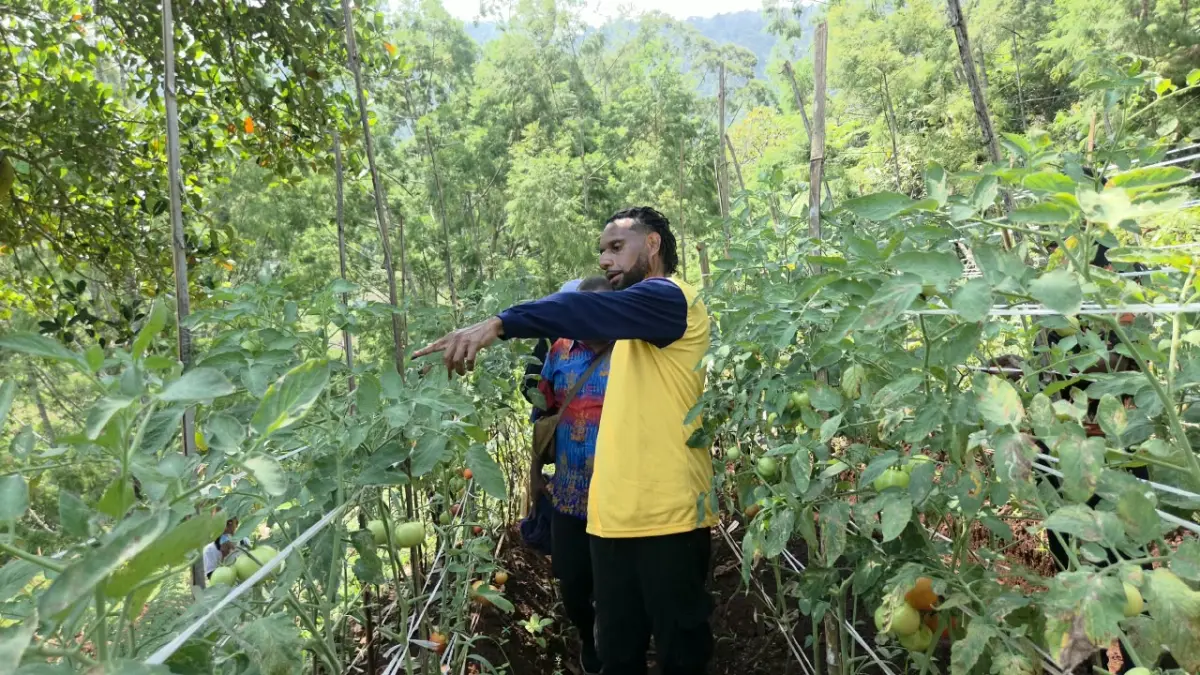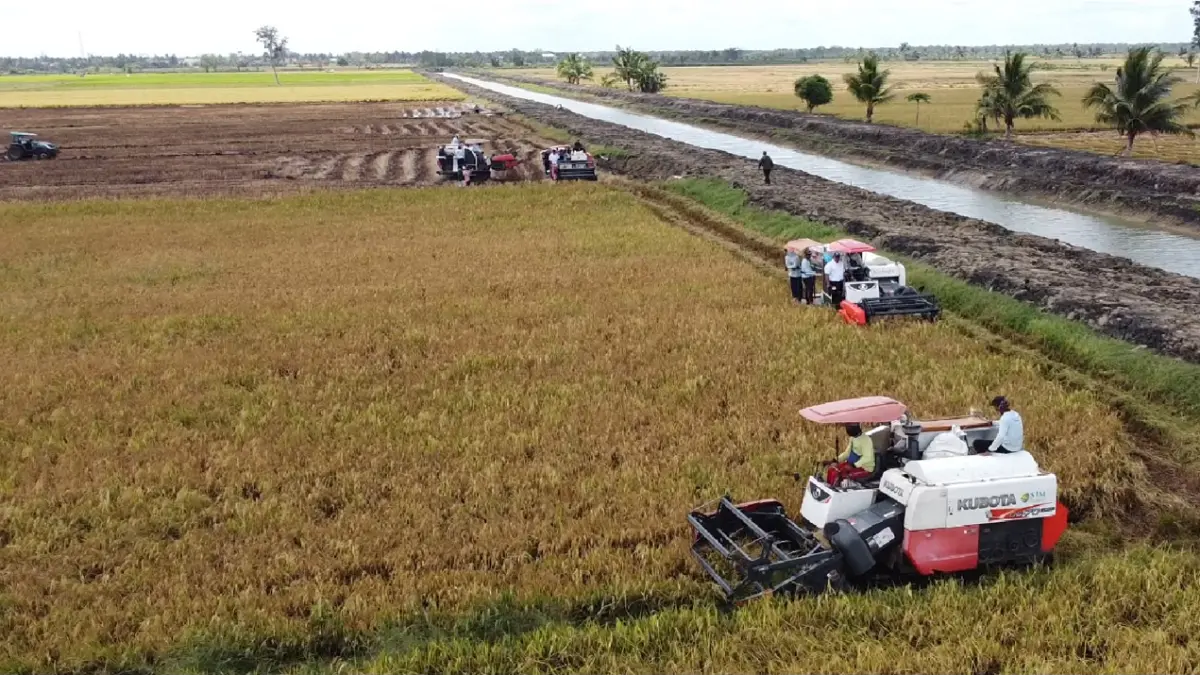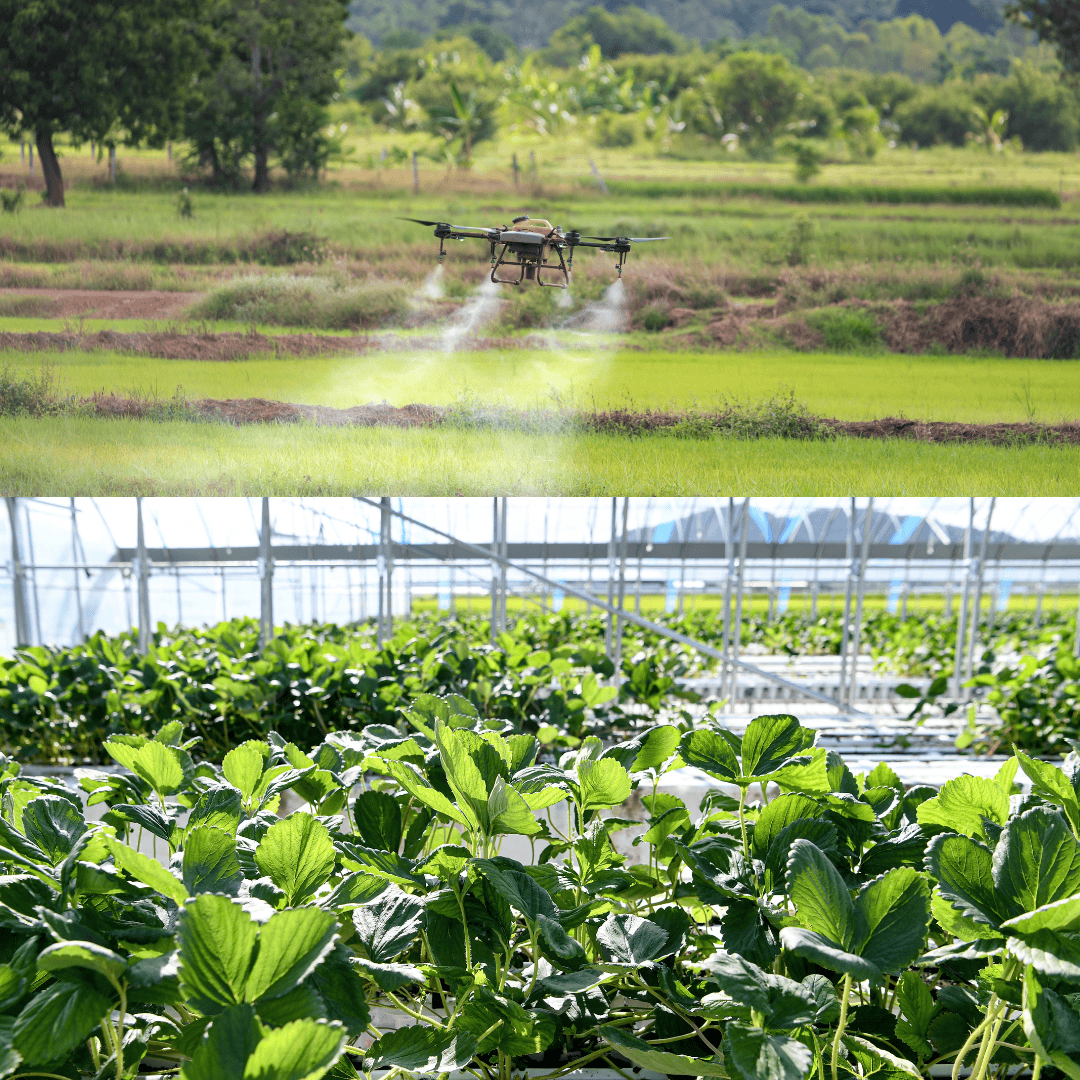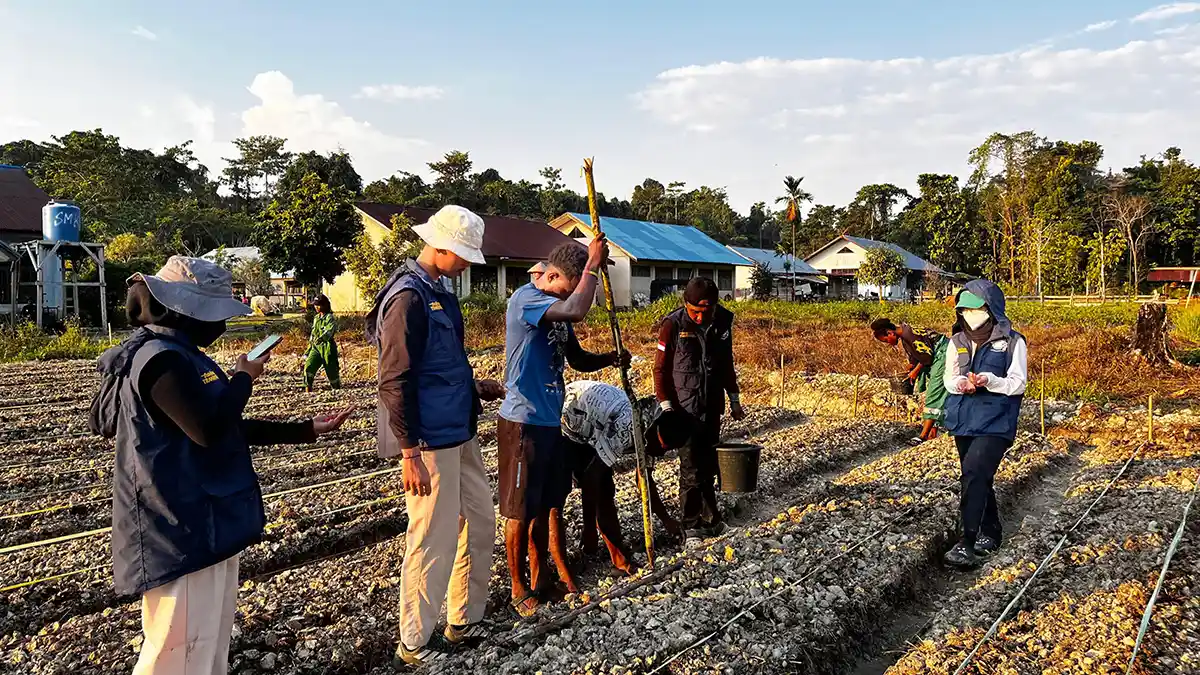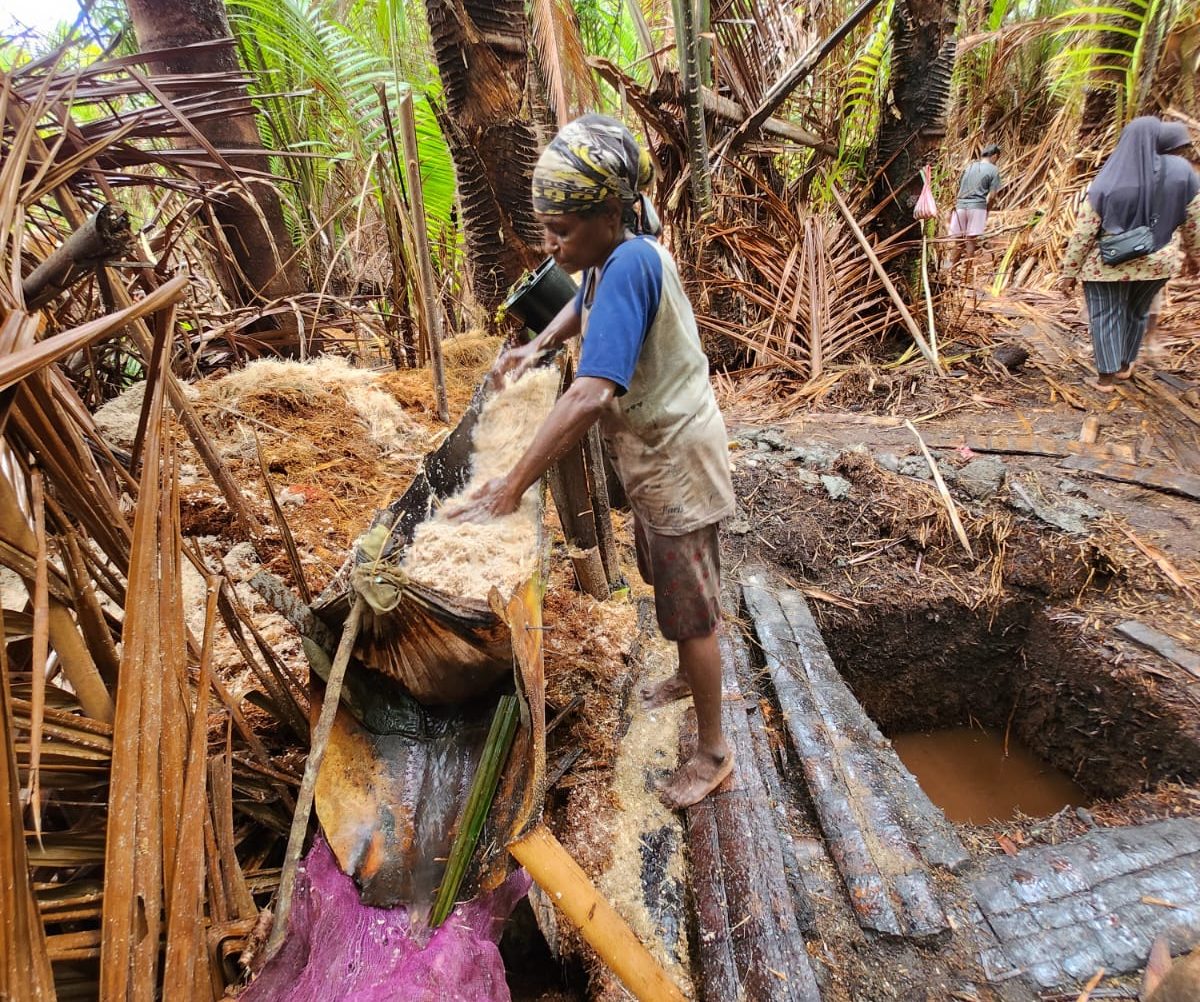
Papua is home to diverse agricultural commodities, including sago, sweet potatoes, cassava, and other indigenous crops that have supported local livelihoods for generations. However, geographical barriers and limited transportation infrastructure continue to make it difficult for many farmers to access larger commercial hubs. Today, a growing papua movement focused on infrastructure and supply chain integration is working to bridge this gap.
How Infrastructure Connectivity Supports Local Farmers
Better transportation networks play a crucial role in moving agricultural products efficiently from rural communities to urban centers. Improving connectivity offers several key benefits:
- Expands Market Access: Connects rural sago and root crop producers directly with urban consumers.
- Reduces Post-Harvest Losses: Faster transportation prevents perishable crops from spoiling during transit.
- Lowers Logistics Expenses: Streamlined transit routes significantly drop distribution costs.
- Boosts Farmer Earnings: Wider market reach allows farmers to command fairer prices for their produce.
Together, these improvements strengthen the competitiveness of local agricultural products while building a more resilient regional food system.
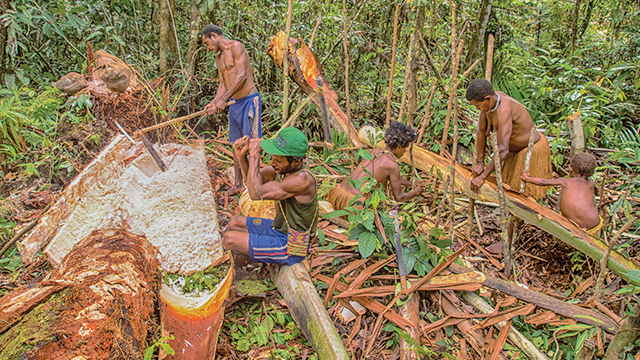
Economic Benefits of Efficient Agricultural Supply Chains
An efficient supply chain benefits not only farmers, but also urban consumers and small enterprises across the region. As this development movement in Papua gains momentum, lower logistics costs improve overall market efficiency, encourage investment in agricultural processing, and create new jobs in transport and local business.
According to data from the World Bank, stronger transport connectivity and regional development initiatives reduce distribution overheads and improve market integration, driving sustainable economic growth.
ALSO READ: Papua Transport Network: How Ships, Trucks and Planes Move Goods Inland
What do official figures show?
In April 2025, the regent of Jayawijaya asked officials to protect vegetable supplies after flooded fields made spinach scarce in Wamena and pushed up inflation, Antara reported. In Manokwari, the vegetable shop Anggi Mart sold produce from Arfak Mountains farmers online during the pandemic, when buyers avoided crowded markets, Antara reported.
Building a Sustainable Future for Papua’s Agriculture
The future of agriculture in the region depends not only on increasing crop yields, but also on ensuring local products reach markets efficiently. By sustaining the papua movement toward modern infrastructure and logistics, the region can strengthen food security, empower local farming communities, and secure long-term economic resilience.