Access to hospitals in Papua can involve more than finding the nearest health facility. For people living in remote mountain villages, difficult terrain and limited transport can turn a medical referral into a long journey. BPS data, government reports and recent developments show why stronger local hospitals and medical transport remain important.
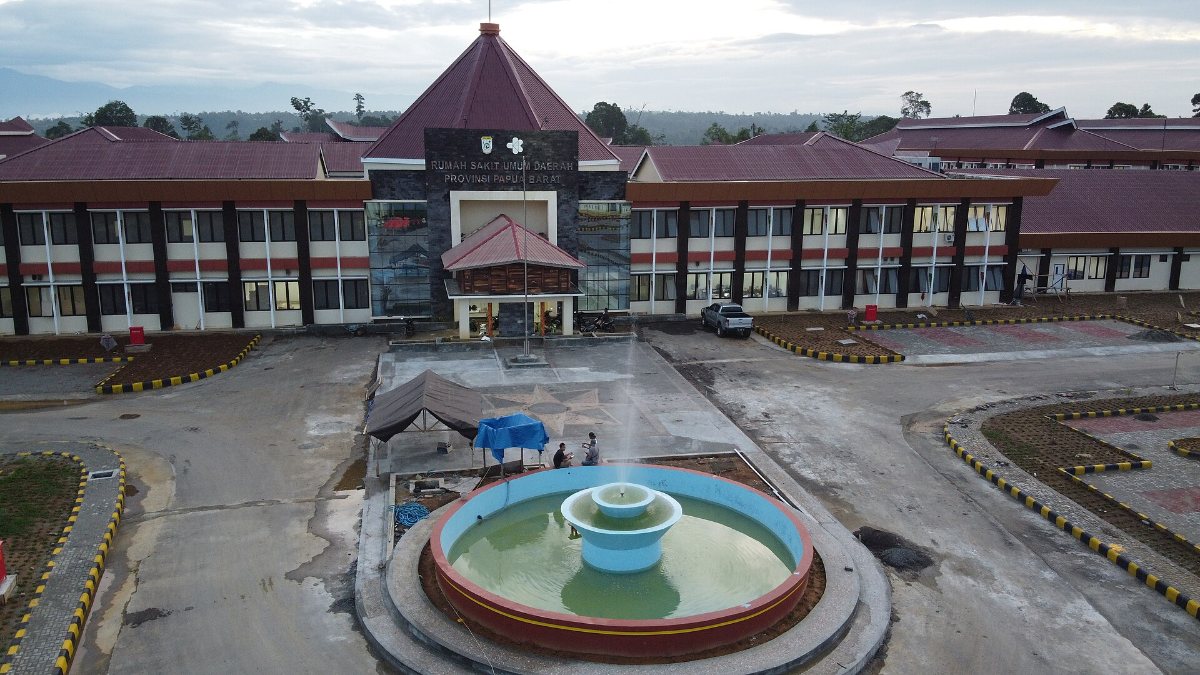
Hospitals are scarce in Papua’s interior. In the latest Statistics Indonesia figures, only 17 villages or urban wards in Papua province and 11 in Central Papua had hospital facilities. Patients who need specialist care may have to travel beyond their home district, and a helicopter air ambulance trialled in 2026 is not yet operating in Papua.
How Many Villages in Papua Have a Hospital?
Papua’s geography creates major challenges for healthcare access. Mountain ranges, forests and limited road connections make travel difficult for many communities. As a result, patients who need specialist treatment may have to travel beyond their home districts.
Statistics Indonesia (BPS) figures show how few villages in the region have a hospital. In the latest figures compiled by Databoks, only 17 villages or urban wards in Papua province had hospital facilities, 12 in West Papua, 12 in Southwest Papua and 11 in Central Papua. These numbers count villages with a hospital, not the number of hospitals or the distance patients must travel.
👉 ALSO READ: Better Infrastructure for Faster Healthcare Access in Papua
How Do Patients Get From a Puskesmas to a Hospital in Papua?
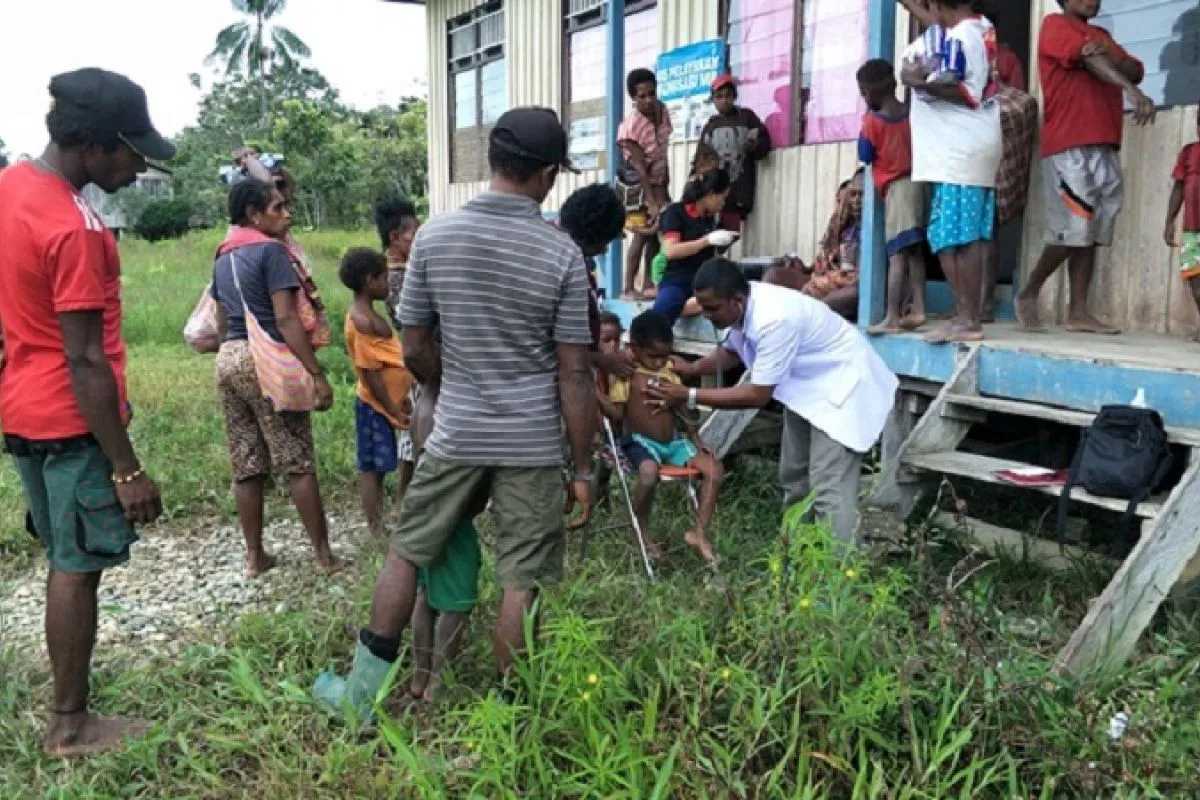
Local Facilities Are the First Point of Care
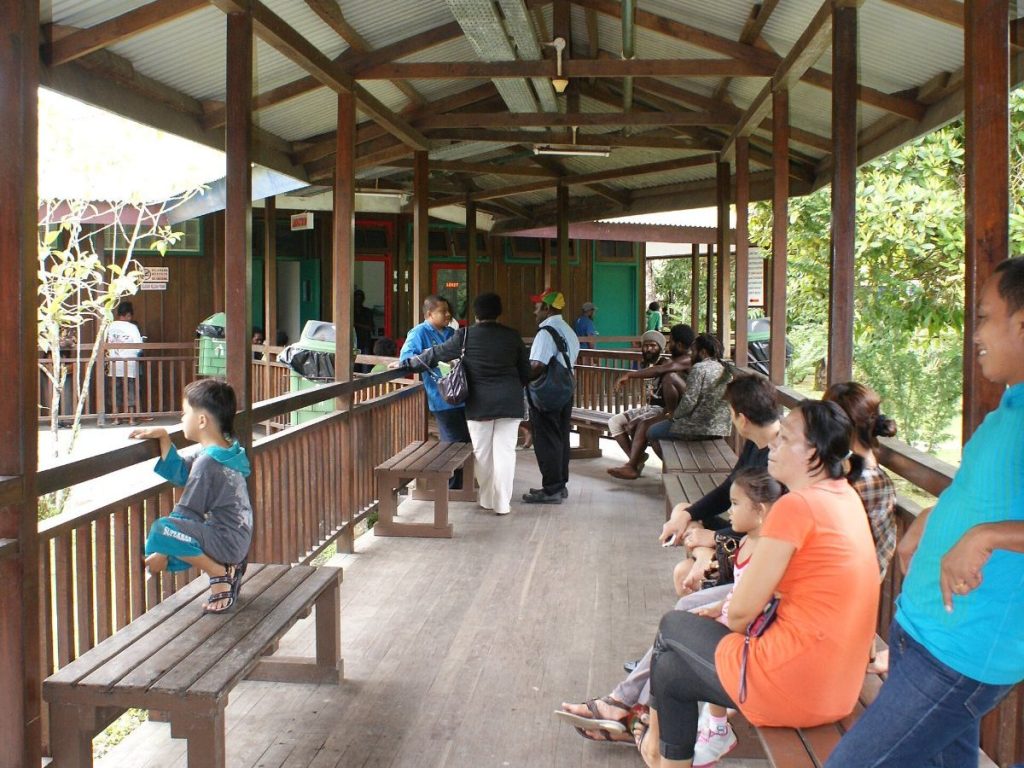
Community health centres, known as puskesmas, provide essential services before patients need hospital referrals. However, the presence of a facility does not always mean that residents can access the treatment they need.
This gap between local health centres and hospitals makes referral networks important. Patients may still need further transport when their condition requires specialist care or equipment unavailable locally.
Medical Flights Can Help Bridge Long Distances
In areas with limited road access, aircraft can play an important role in moving patients who need urgent treatment. Medical flights can shorten journeys that would otherwise involve difficult travel across mountains or remote terrain. However, they depend on aircraft availability, suitable landing sites, weather conditions and coordination with receiving hospitals.
In September 2026, ANTARA reported that the government announced trials of a national air ambulance service using helicopters for remote-area emergencies. The initial exercise took place in Pesisir Barat, Lampung, and the service is not yet operating in Papua.
👉 ALSO READ: Papua Rural Healthcare: Why Distance Still Decides Who Gets Treated
Can Papuan Patients Be Treated Closer to Home?
Medical flights are only one part of the solution. Remote communities also need enough health workers, medicines, equipment and reliable services at local facilities. A 2024 humanitarian report by ACAPS described significant humanitarian access constraints and gaps in services across the Papua provinces.
There are also efforts to strengthen hospitals within the region. In July 2026, the Ministry of Health announced partnerships between hospitals in Papua Pegunungan and major referral hospitals across Indonesia. The programme includes specialist mentoring and plans to upgrade eight regional hospitals from Class D to Class C. The ministry said it hopes patients will no longer need to be transferred outside Highland Papua.
What Would Better Hospital Access in Papua Require?
For communities in Papua’s interior, reaching a hospital can be a major part of the medical emergency itself. Medical flights can help patients overcome difficult terrain, but they cannot replace strong local health facilities.
Improving access requires better-equipped hospitals, capable health workers, reliable transport and clear referral systems. The real measure of progress is whether patients can receive timely and appropriate treatment, regardless of how far they live from a major hospital.