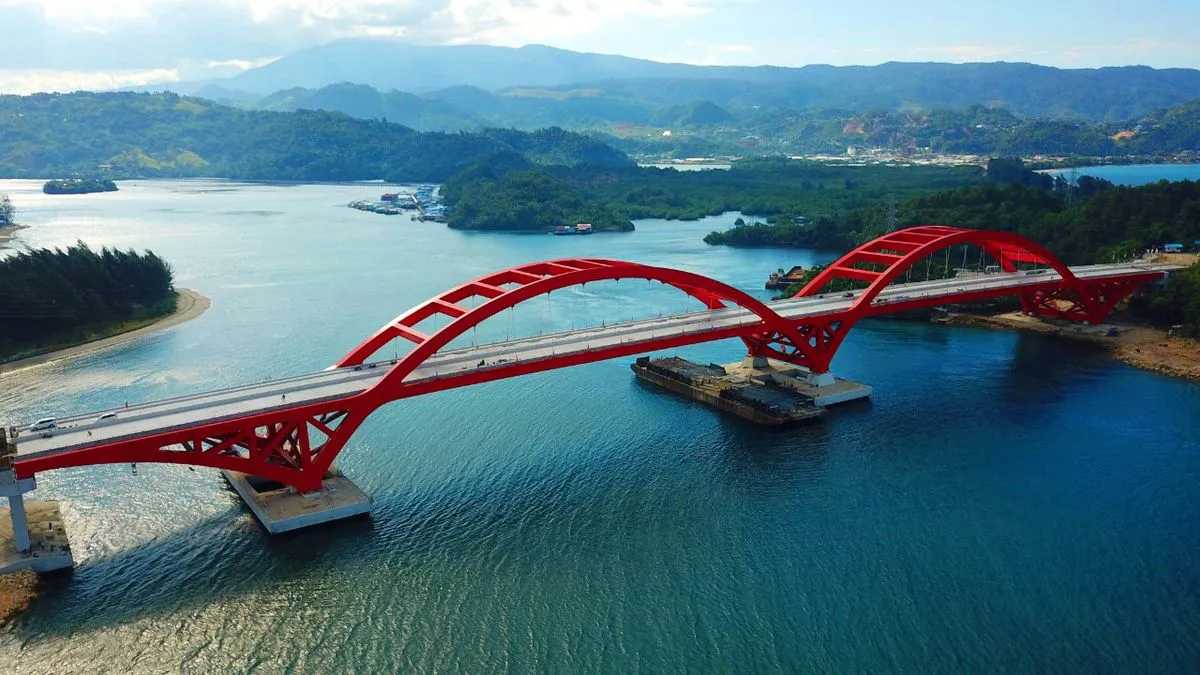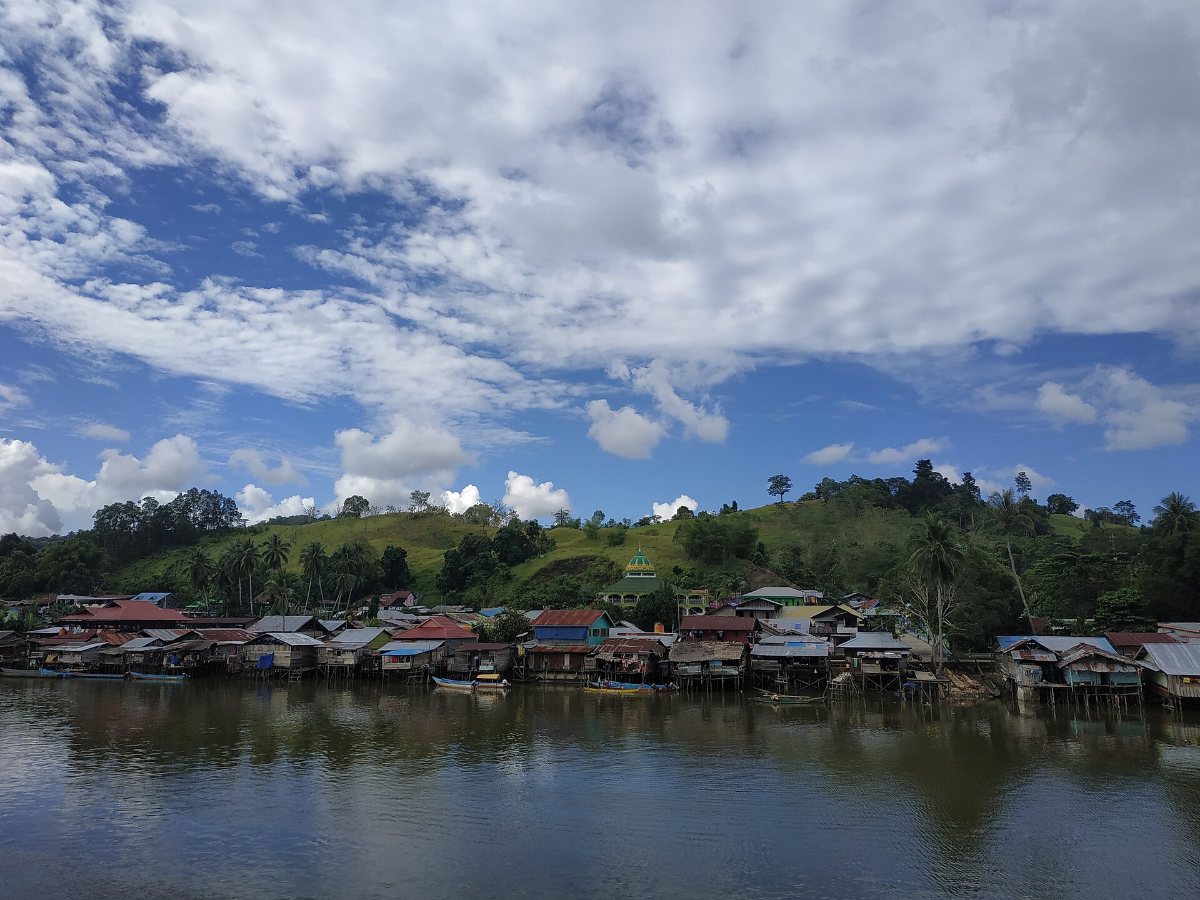
Bintuni Bay is home to the Tangguh LNG project, one of Indonesia’s major natural gas production facilities. While its gas supports national energy needs and international markets, communities living nearby also expect lasting benefits. Local employment, education, healthcare, and business opportunities are important measures of whether the project contributes to development in its surrounding region.
A Major Gas Project in Papua
Located in Teluk Bintuni, West Papua, the Tangguh LNG project has been operating since 2009. A third production unit, Train 3, was inaugurated in November 2023. Its importance extends beyond the local economy because natural gas from the project contributes to Indonesia’s energy supply and export activities.
However, the presence of a major energy facility does not automatically guarantee equal benefits for nearby communities. Villages around the project, including Saengga and Tanah Merah Baru, have a direct relationship with its operations. For these communities, the value of the project is also measured through employment, access to services, and opportunities to participate in the local economy.
👉 ALSO READ: Papua’s Customary Forests: How Much Land Has the State Officially Recognised?
Key Pillars of Community Benefits
Expanding Skilled Employment for Papuan Workers
Local employment is the most direct way an energy project can contribute to the regional economy. At the inauguration of Train 3 on 24 November 2023, President Joko Widodo and BP executive Anja-Isabel Dotzenrath said about 70% of Tangguh’s workforce came from Papua and West Papua, CNBC Indonesia reported. BP, which operates Tangguh, aims to raise the share of local workers to 85% of its roughly 1,000-strong workforce by 2029, according to a June 2025 Bisnis.com report.
The Bisnis.com report also profiled Papuan employees working in technical and operational roles at the plant. Both figures cover workers from across Papua and West Papua; neither source gives a separate count for the villages closest to the project.
Addressing Concerns: Who Benefits and Who Bears the Cost?
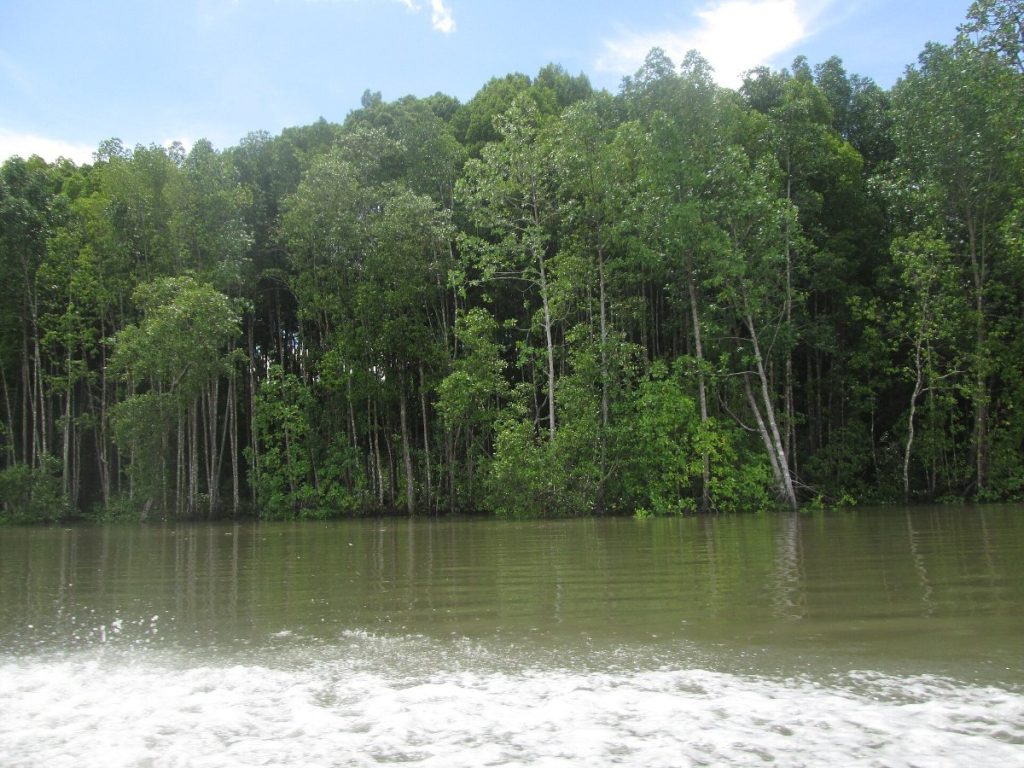
Community development must also be considered alongside the project’s social and environmental impacts. A 2016 resettlement and Indigenous Peoples plan for the Tangguh expansion, prepared by BP and published by the Asian Development Bank (ADB), records that the original development relocated 127 households from Old Tanah Merah: 26 moved to Onar, now Onar Baru, and the rest to a new village, Tanah Merah Baru. For the expansion, the plan found that some foot fishers near the offloading facility could temporarily lose access to nearshore fishing grounds, and it sets out measures to assist them.
More recently, on 21 September 2026, the Papua Special Autonomy Development Acceleration Agency (BP3OKP) met the Sebyar customary council (LMA Suku Besar Sebyar) in Manokwari to discuss the benefits of the oil and gas sector, including the 10% participating interest (PI 10%). The council said it wanted the participating interest managed in a clear, transparent and accountable way, and listed transport, health, education and electricity among its communities’ remaining needs, the agency reported.
Conclusion: Measuring Development Beyond Gas Production
Tangguh LNG employs a large share of workers from Papua and West Papua, according to the government and the operator. That matters, but it should be assessed alongside the experiences of communities living closest to the project.
Ultimately, the success of gas development in Bintuni Bay should not be measured only by production volumes or export figures. It should also be reflected in lasting improvements to local livelihoods, stronger businesses, better access to education and healthcare, and meaningful participation by Indigenous communities in decisions affecting their land and future.