Malaria remains a major public health challenge across Tanah Papua, the six provinces that make up Indonesia’s Papua region, despite years of prevention and treatment efforts. Indonesia recorded 706,297 malaria cases in 2025, and about 95% of them were in Tanah Papua, according to the Ministry of Health. Geographic barriers, access to diagnosis, and consistent treatment therefore remain central to the fight against the disease.
Understanding the Persistence of Malaria in Papua
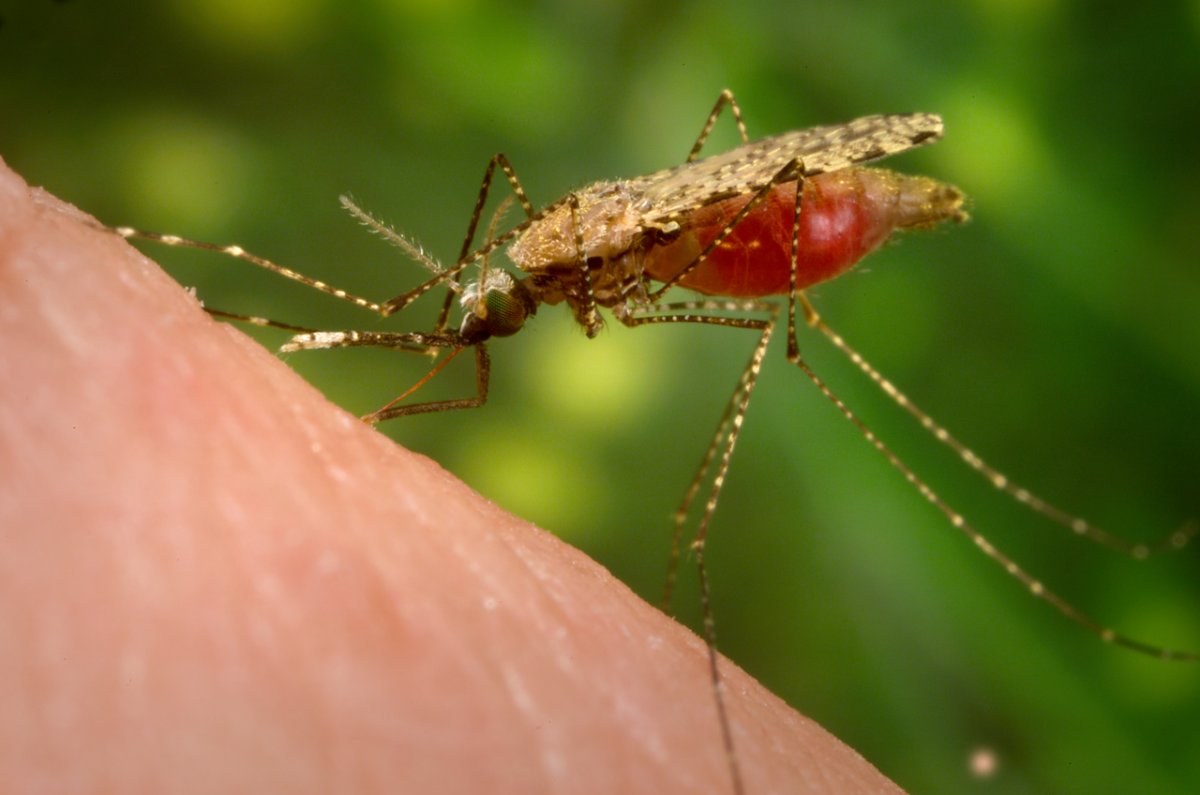
Malaria is transmitted through the bites of infected female Anopheles mosquitoes. Environmental conditions, including warm temperatures and suitable mosquito habitats, can support transmission. However, geography alone does not explain why malaria remains difficult to control. Access to healthcare, population movement, and early diagnosis also influence transmission patterns.
The scale of the challenge is clear in Indonesia’s official health data. According to the Ministry of Health’s Malaria Elimination Roadmap 2025–2045, Indonesia recorded 418,546 malaria cases in 2023. About 92% of these cases came from Tanah Papua, even though the region is home to only around 2% of the national population. Reported cases have risen since, to 543,965 in 2024 and 706,297 in 2025. The ministry attributes part of that rise to more active case finding and better digital reporting through its malaria surveillance system, SISMAL.
The roadmap also recorded 120 malaria deaths in 2023, compared with 34 in 2018, although the roadmap suggests part of the increase may reflect a change in how deaths are counted, from deaths caused by malaria to deaths of people who had malaria. Either way, the figures underline the importance of early diagnosis and timely treatment, particularly in remote communities where access to healthcare can be difficult.
Key Pillars of Malaria Control and Prevention
Strengthening Prevention and Community Awareness
Preventing mosquito bites remains an important part of malaria control. Insecticide-treated mosquito nets, indoor protection, and community education can help reduce exposure to infected mosquitoes. However, prevention programmes need consistent implementation. Families must receive appropriate information about using and maintaining mosquito nets. Health workers should also help communities identify symptoms and understand when to seek testing.
The World Health Organization’s Indonesia malaria country profile, drawn from the World Malaria Report 2025, lists 544,000 reported malaria cases and 131 deaths in Indonesia in 2024, and estimates the true number of cases that year at about 631,000. It names Anopheles farauti and Anopheles punctulatus among the country’s main malaria-carrying mosquitoes.
Improving Early Diagnosis and Access to Treatment
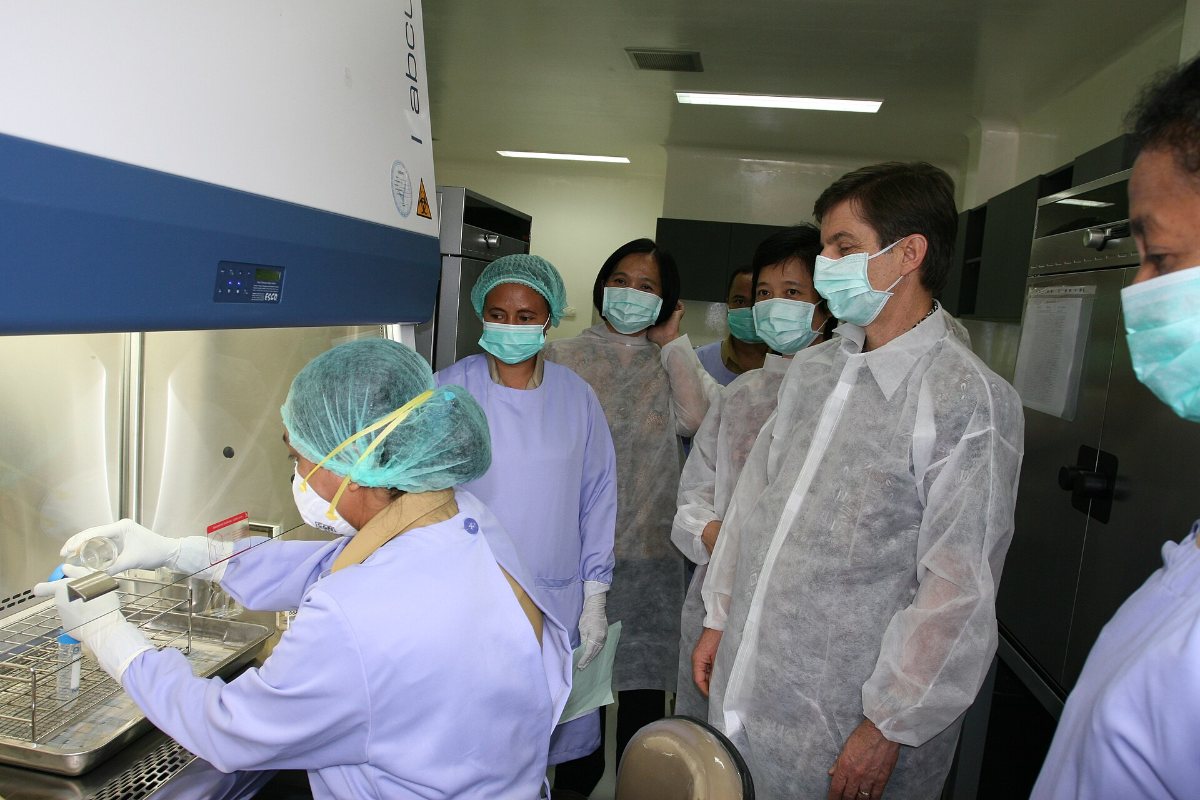
Early diagnosis and prompt treatment can reduce the risk of severe malaria. Rapid diagnostic tests (RDTs) and appropriate antimalarial medicines are therefore essential, especially in remote communities.
A practical example comes from Sarmi Regency. On 8–9 April 2026, the Papua Provincial Health Office held preparations there for an Early Detection and Access to Treatment (EDAT) programme, which it reported on 16 April. The meeting brought together provincial and district health officials, representatives of seven community health centres, and 21 malaria cadres and cadre supervisors. The preparations included identifying priority locations and planning supplies of rapid diagnostic tests and artemisinin-based combination therapy (ACT) medicines. The work was funded by the Global Fund to Fight AIDS, Tuberculosis and Malaria, through its malaria component, with a 2026 budget for Papua Province.
👉 ALSO READ: Papua Rural Healthcare: Why Distance Still Decides Who Gets Treated
Addressing Concerns: Logistics, Funding, and Long-Term Sustainability
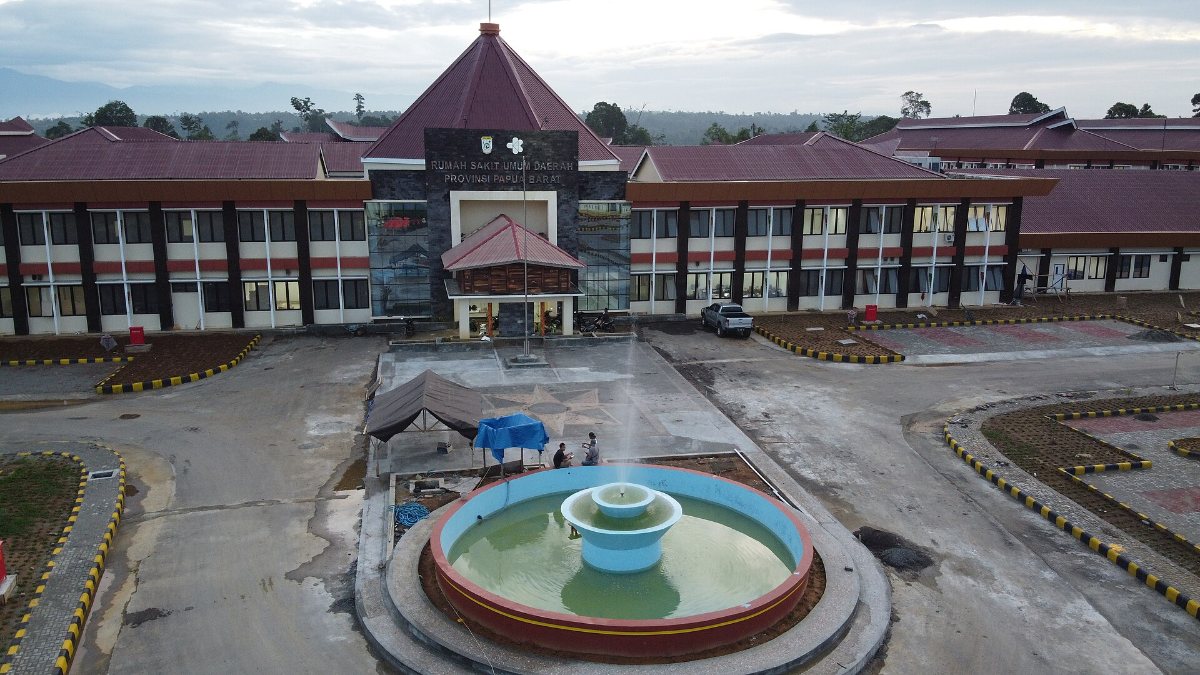
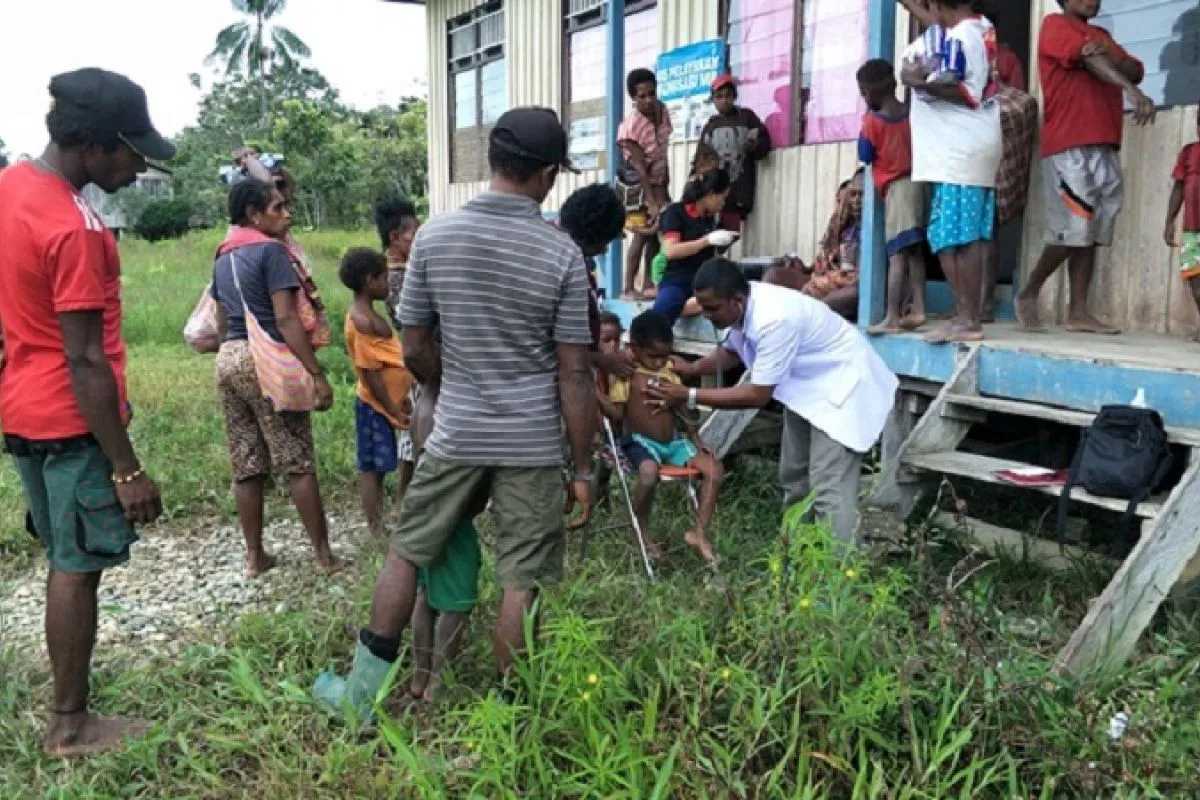
Healthcare access remains a major concern in remote districts. Long travel distances can delay testing and treatment. Maintaining medicine supplies, diagnostic equipment, and trained health personnel also requires reliable planning.
Recent figures underline the urgency. According to the Papua Provincial Health Office, the province’s Annual Parasite Incidence (API), the number of confirmed malaria cases per 1,000 residents in a year, rose from 216.67 in 2024 to 283.09 in 2025, based on data in the SISMAL malaria information system as of March 2026. These figures cover Papua Province only, one of the six provinces in Tanah Papua. Nationally, the API was 1.5 per 1,000 in 2023, the most recent figure in the roadmap, so the figures are not directly comparable.
This increase makes monitoring and evaluation especially important. Funding alone cannot guarantee progress. Health authorities must also assess whether testing reaches remote communities, medicines remain available, and patients complete treatment under appropriate medical guidance.
Conclusion: Sustaining Papua’s Fight Against Malaria
Reducing malaria in Papua requires more than occasional prevention campaigns. It depends on early diagnosis, reliable treatment, community participation, and healthcare services that can reach isolated settlements.
The latest figures show that the challenge remains significant. However, initiatives such as EDAT in Sarmi demonstrate how local health offices are preparing to strengthen detection and access to treatment. Lasting progress will depend on turning these plans into consistent services and measuring their impact across communities.
A malaria-free future requires sustained cooperation between government institutions, health workers, and local residents.