PLN’s Papua and West Papua unit reported in May 2025 that 48 of 7,361 villages in its reported coverage remained without electricity access (Antaranews). In remote areas, diesel generators and isolated power systems remain important for supplying electricity. Expanding connections is essential, but reliable power also depends on fuel availability, maintenance, and operating costs.
Why Some Remote Villages Still Depend on Generators
In remote parts of Papua, diesel generators can provide electricity where grid connections are limited or unavailable. They offer a practical source of power, but their operation depends on regular fuel deliveries, equipment maintenance, and available funding. Difficult terrain and long distances can make these requirements challenging, especially for communities far from major roads and service centres.
👉 ALSO READ: Road Connectivity: Unlocking Public Services for Remote Papua
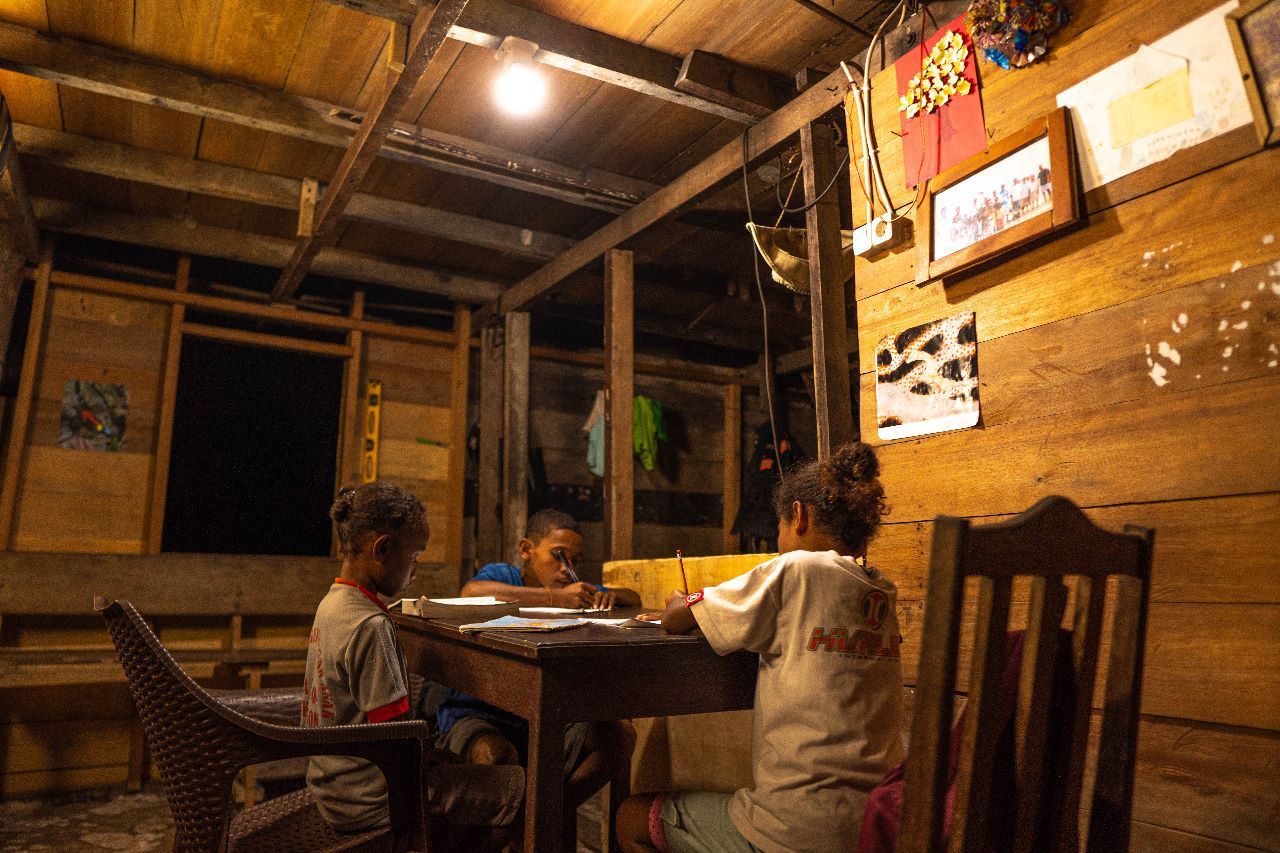
For the Papua Movement, the challenge is not simply whether a village has electricity at 6 PM. Residents need a supply that is dependable, affordable, and suitable for daily life. Electricity supports lighting and phone charging, but it can also help schools extend study hours, clinics operate equipment, and small businesses serve customers after dark.
Key Pillars of Reliable Electricity in Papua
Improving Access and Strengthening Local Power Systems
PLN reported progress in expanding electricity access across Tanah Papua, while the provincial government has set a target of electrifying underserved, remote, and outermost areas by 2030. However, access figures do not necessarily show whether electricity is available throughout the evening or whether communities can afford to use it. In Papua, the challenge also includes maintaining separate power systems across widely dispersed settlements.
The Papua Movement can highlight several priorities for improving electricity access:
- Grid expansion: Connect settlements where network extensions are practical.
- Generator maintenance: Improve servicing and fuel planning where diesel remains necessary.
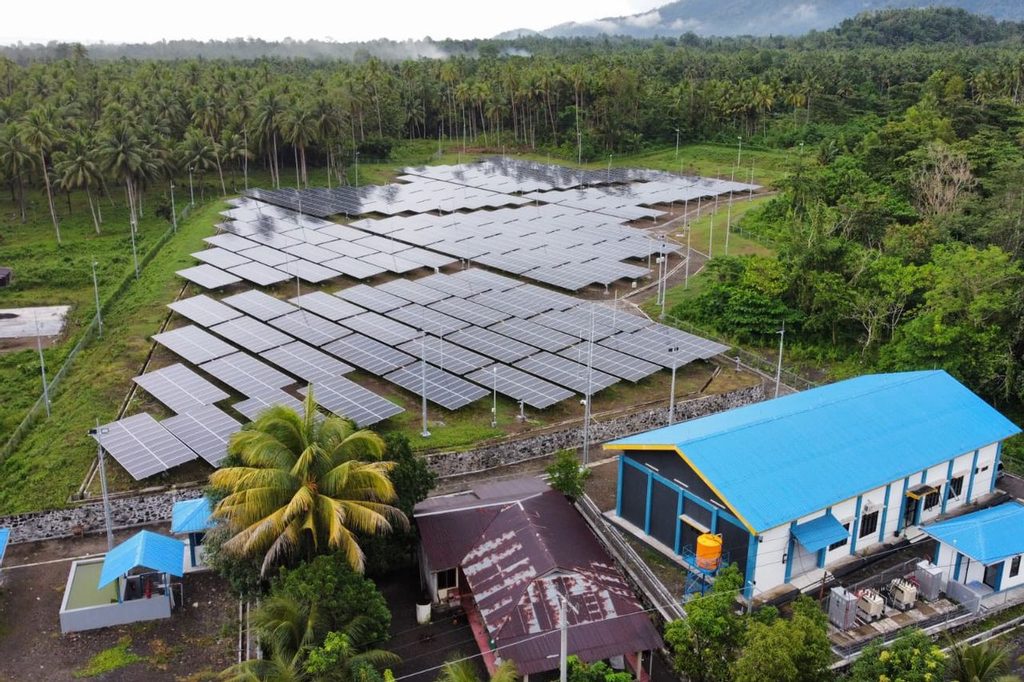
- Renewable energy: Assess solar and other suitable local energy options.
- Community training: Prepare local technicians to carry out basic maintenance and report faults.
Making Electricity Useful for Everyday Life
In December 2025, ANTARA reported, citing PLN’s Papua and West Papua regional general manager, that Tanah Papua had nine major electricity systems and 374 smaller systems, most of which remained isolated rather than interconnected. This fragmented network makes local power generation essential and presents challenges for maintaining reliable electricity services across remote areas. Separately, the Papua Provincial Government reported in June 2025, citing the Director General of Electricity, that Papua Province had 424 MW of generation capacity, with approximately 92% relying on fossil fuels. This figure refers to fossil energy generally, not diesel alone.
The Papua Movement can connect electrification with the quality of services residents receive. Local authorities, PLN, and community representatives can identify facilities that need priority support, monitor outages, and plan maintenance. In villages that continue to rely on diesel generators, dependable fuel deliveries and trained operators remain essential. Suitable solar systems and local microgrids may also reduce fuel dependence where conditions allow.
👉 ALSO READ: Papua’s Future Depends on People, Progress, and Opportunity
Addressing Concerns: Cost, Maintenance, and Reliability
Expanding electricity in remote areas can be expensive. Low population density, difficult terrain, fuel transport, and equipment repairs can raise operating costs. Solar systems may reduce dependence on delivered fuel, but they still require batteries, replacement parts, trained technicians, and maintenance budgets. Choosing the right system requires assessing each community’s needs and conditions.
For the Papua Movement, progress should be measured through both access and service reliability. Grid extensions, isolated generators, solar systems, and microgrids may suit different locations. Clear responsibility for repairs, transparent operating budgets, and regular monitoring can help prevent installed infrastructure from becoming unusable.
Conclusion: Keeping Papua’s Communities Powered
Electricity access supports education, healthcare, communication, and local economic activity. Papua’s electrification targets provide a direction, but lasting progress depends on reliable supply, affordable operating costs, and continued maintenance.
The Papua Movement highlights the importance of measuring success through the electricity residents actually receive. When communities can depend on power after sunset, they have better conditions for learning, working, and developing local opportunities.