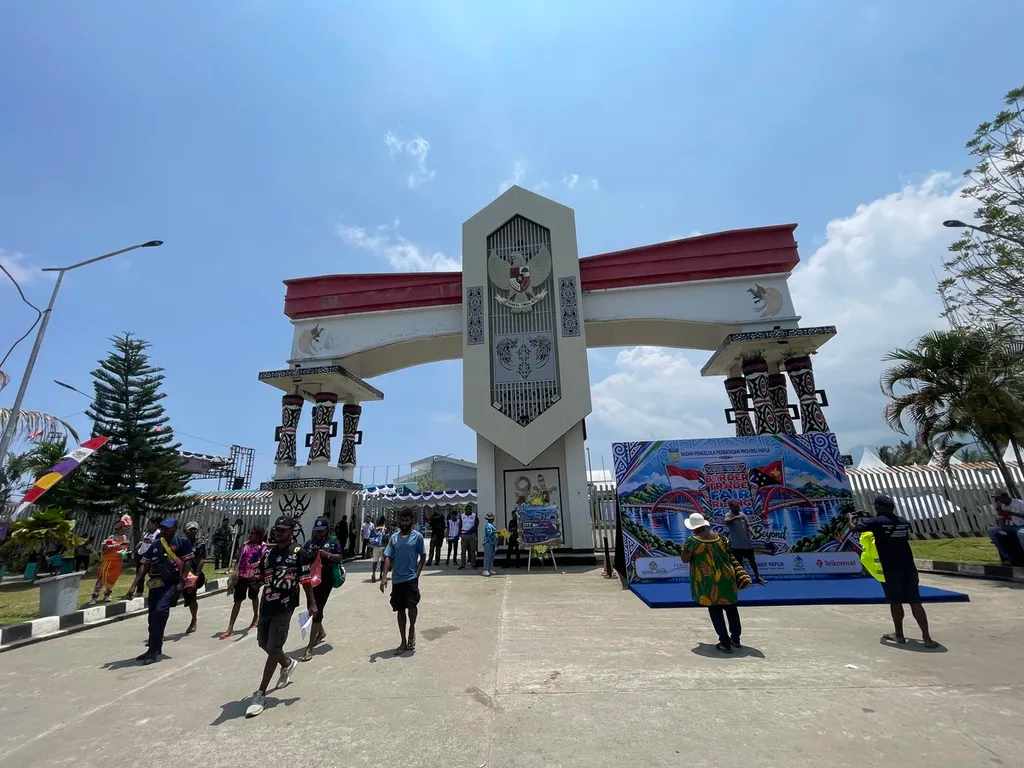
Papua’s border area at Wutung hosted the Indonesia–Papua New Guinea Border Trade Fair from 9–11 October 2025, promoting cross-border commerce and regional partnerships. Such initiatives can help local businesses reach new markets, strengthen community incomes, and connect Papua’s economy with wider Pacific trade networks.
Connecting Papua to Indo-Pacific Markets
Papua’s geographical position creates opportunities to connect Indonesia with Pacific markets and neighboring Papua New Guinea. However, becoming a regional growth centre requires more than a strategic location. Reliable transport, efficient border procedures, and stronger local businesses are essential to turn geographical advantages into economic activity.
👉 ALSO READ: Where Do Pacific Countries Stand on West Papua?
The Papua Provincial Government has promoted border trade as a way to expand economic cooperation with Papua New Guinea. The 2025 Border Trade Fair brought attention to cross-border commerce and opportunities for businesses from both countries. For the Papua Movement, the challenge is turning these regional connections into sustained economic benefits for local communities.
Key Pillars of Indo-Pacific Economic Growth
Improving Infrastructure and Trade Connectivity
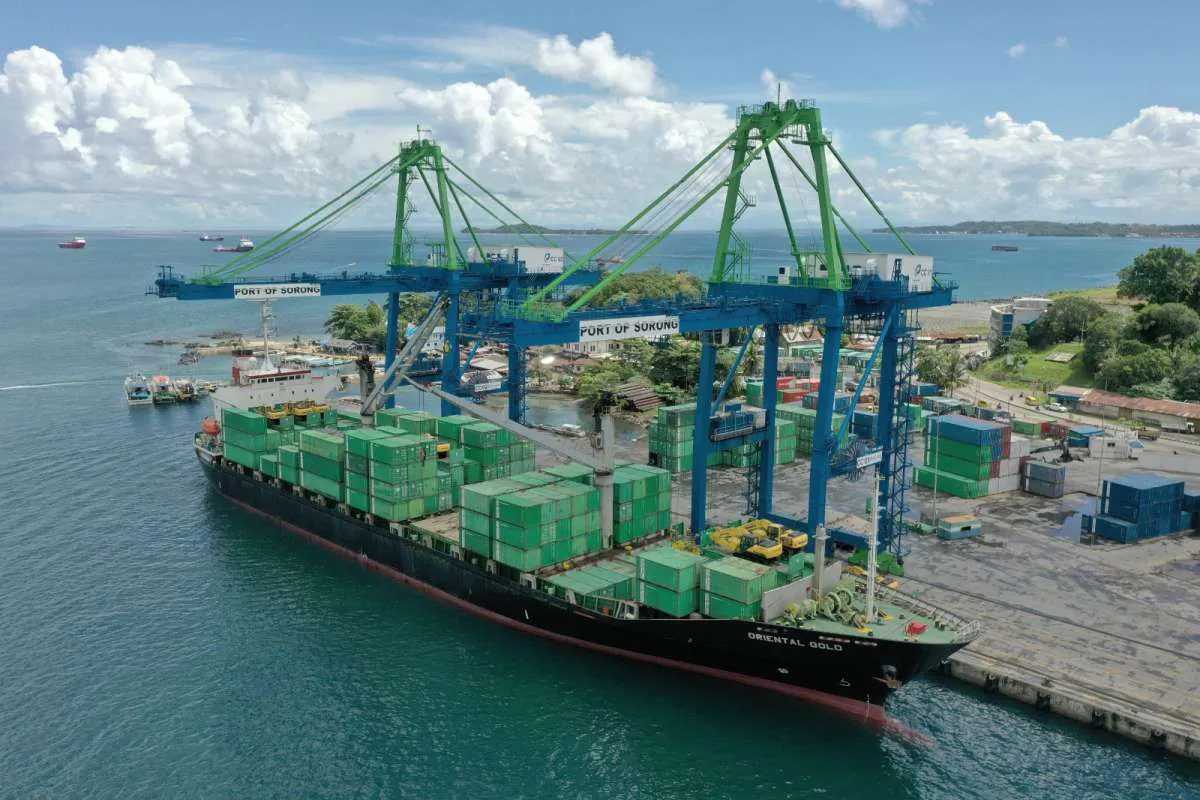
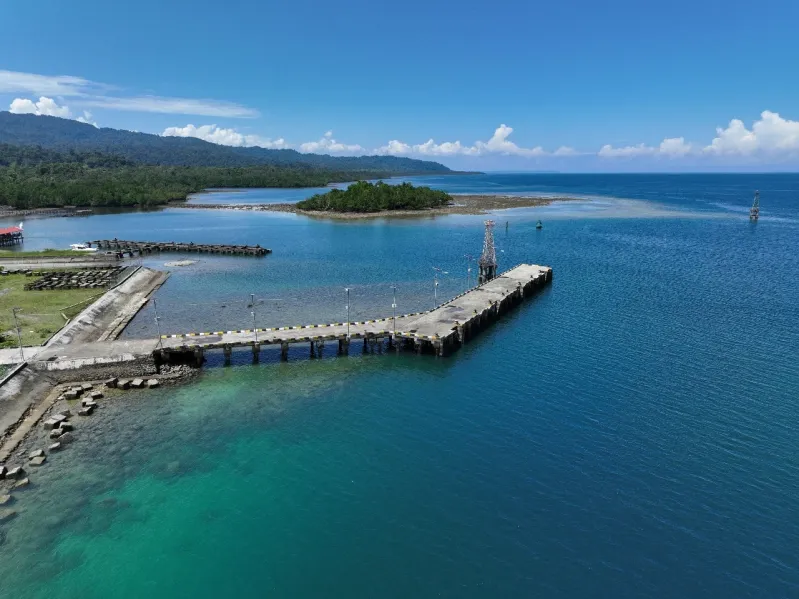
Ports, airports, and border facilities can help Papua move goods more efficiently and reach markets beyond Indonesia. Better logistics can support agricultural products, fisheries, and other local commodities that may find buyers across the Pacific. However, infrastructure must be supported by reliable transport services, suitable storage, and efficient export procedures to become commercially useful.
Several priorities can help strengthen Papua’s regional trade connections:
- Port development: Improve cargo handling and maritime connections.
- Air connectivity: Support suitable air cargo services for export products.
- Border facilities: Make cross-border trade procedures clearer and more efficient.
- Logistics support: Help producers store, package, and transport goods to market.
These improvements align with the Papua Movement’s focus on connecting regional development with practical opportunities for local producers. Infrastructure planning should consider demand, operating costs, and long-term maintenance so facilities can support economic activity over time.
Strengthening Local Businesses and Regional Partnerships
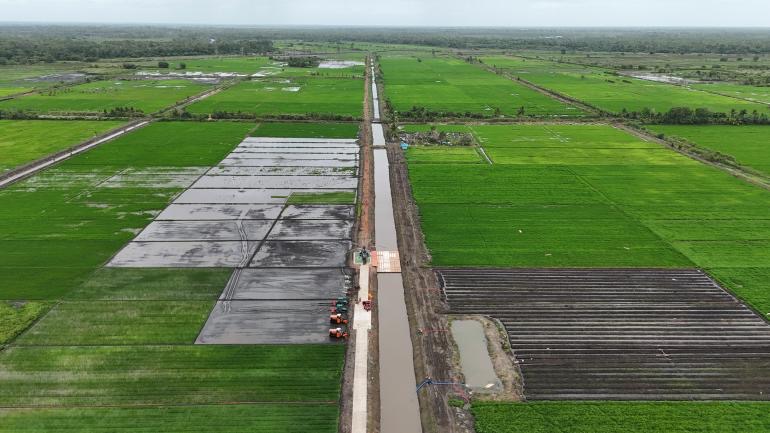
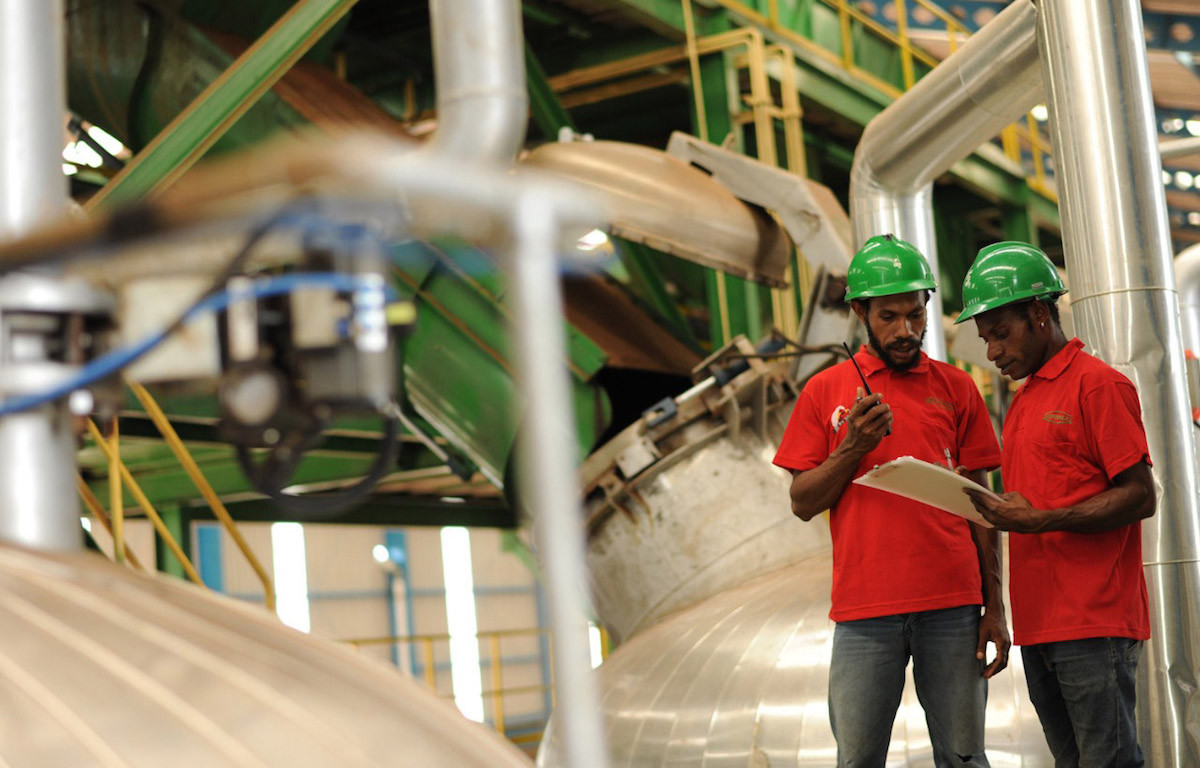
Infrastructure alone cannot create inclusive growth. Local businesses need market information, product-quality guidance, access to financing, and opportunities to connect with buyers. Agricultural producers, fishers, cooperatives, and small enterprises can benefit when regional trade initiatives include them from the beginning. Stronger business capacity can also help local producers meet export requirements and maintain consistent supplies.
In Papua: The Heart of Indonesia–Pacific Food Resilience, Steve Mara emphasizes that Papua’s economic potential depends not only on its natural resources and strategic location, but also on infrastructure, innovation, and stronger local capacity. This perspective is relevant to cross-border trade, where cooperation between government agencies, border communities, transport operators, and businesses can help local producers reach wider markets. Partnerships with Papua New Guinea could also create opportunities in agriculture, fisheries, and small-business development. By involving Papuan enterprises in planning and implementation, regional growth can generate more tangible benefits for local communities.
👉 ALSO READ: Papua’s Role in Connecting Indonesia with Melanesia
Addressing Concerns: Challenges to Inclusive Growth
Papua’s regional ambitions face practical challenges. High transport costs, limited logistics services, and complex export requirements can make it difficult for small producers to compete. Infrastructure projects also require funding, careful planning, and coordination between national and regional authorities. These constraints need attention before larger trade ambitions can deliver consistent benefits.
For the Papua Movement, local participation should remain central to regional development. Training, transparent business opportunities, and support for Papuan-owned enterprises can help ensure that growth creates local value. Authorities and business groups can also monitor export activity, market access, and participation by local firms. Such measures can help identify which initiatives work and where additional support is needed.
Conclusion: Turning Papua’s Strategic Location into Opportunity
Papua has opportunities to strengthen Indonesia’s economic connections across the Indo-Pacific through improved infrastructure, cross-border trade, and regional partnerships. Turning this potential into sustained growth requires reliable logistics, practical cooperation, and stronger participation from local businesses.
The Papua Movement highlights the importance of connecting regional economic ambitions with opportunities for local communities. With inclusive planning, better market access, and support for Papuan enterprises, Papua can develop stronger trade links while helping local livelihoods benefit from regional growth.